
Introduction: The Sensory Shift in Global Fashion
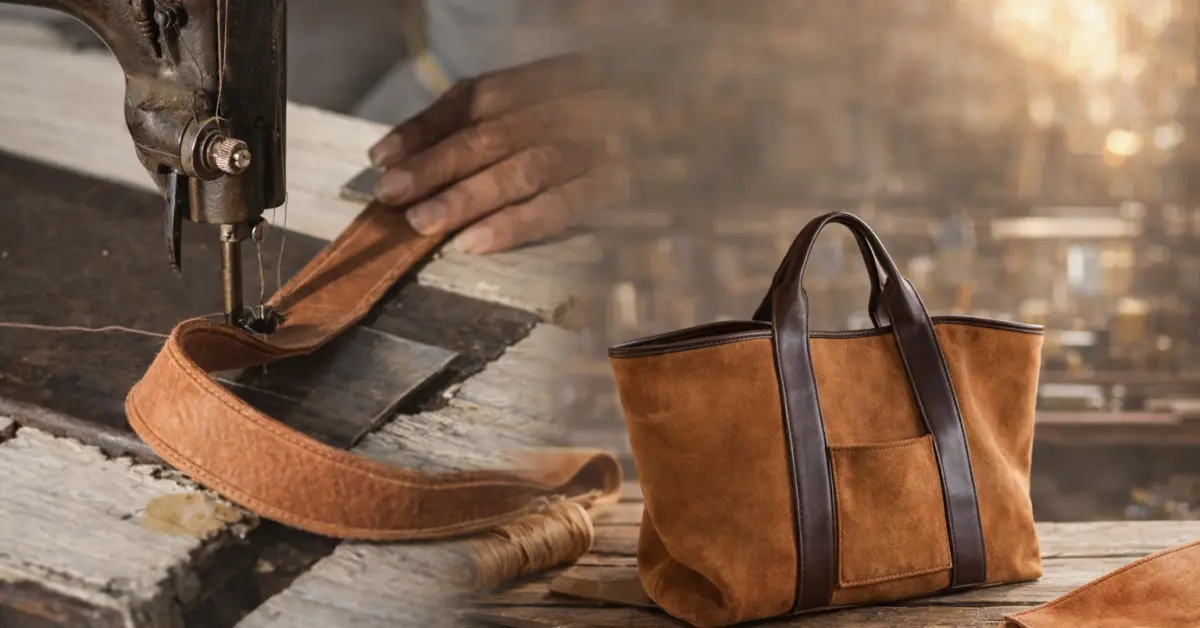
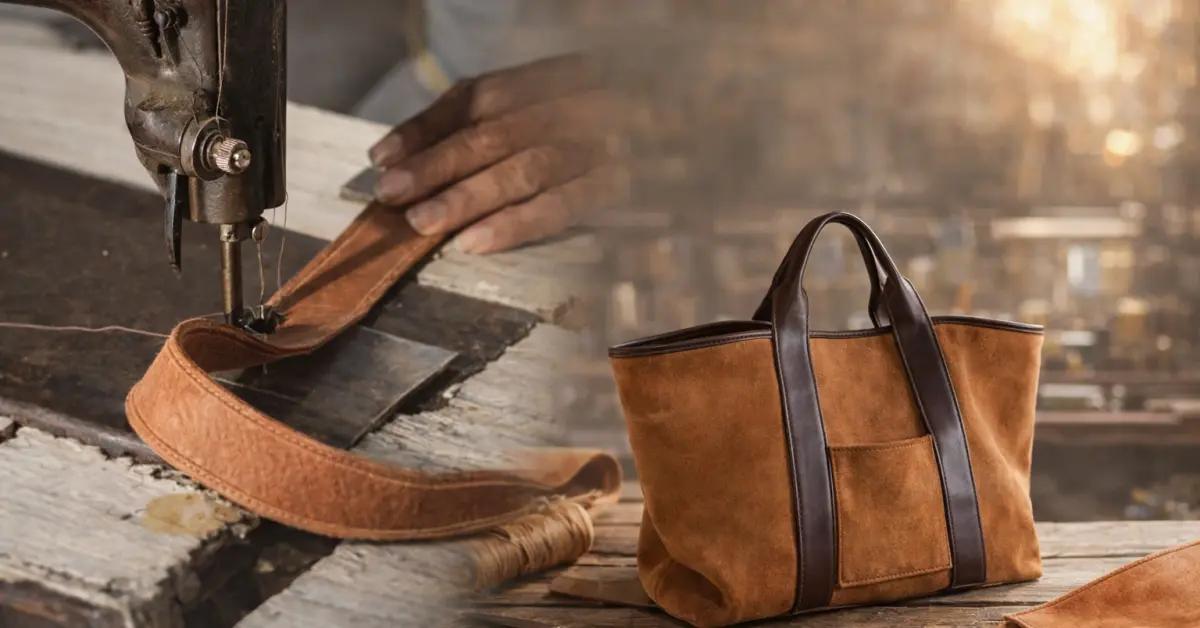
In an increasingly digital world, the fashion industry is witnessing a powerful "return to touch." While the last decade was defined by visual branding—loud logos and high-shine finishes—the Tactile Economy governs the current era. Consumers are no longer satisfied with how a product looks on a screen; they are making purchasing decisions based on the physical, haptic feedback of the material.
This shift has propelled suede from a secondary accent material to the absolute protagonist of premium handbag collections. Suede offers a depth of character, a soft matte finish, and a "living" texture that traditional smooth box leather simply cannot replicate. For brand owners and independent designers, understanding the technical nuances of suede handbag manufacturing is now essential for capturing the high-end market’s interest.
The Anatomy of Suede: Understanding Premium Quality
To the untrained eye, all fuzzy leathers may look the same. However, from a high-end suede bag manufacturing perspective, the difference between "commercial grade" and "luxury grade" is vast.
Split Suede vs. Nubuck
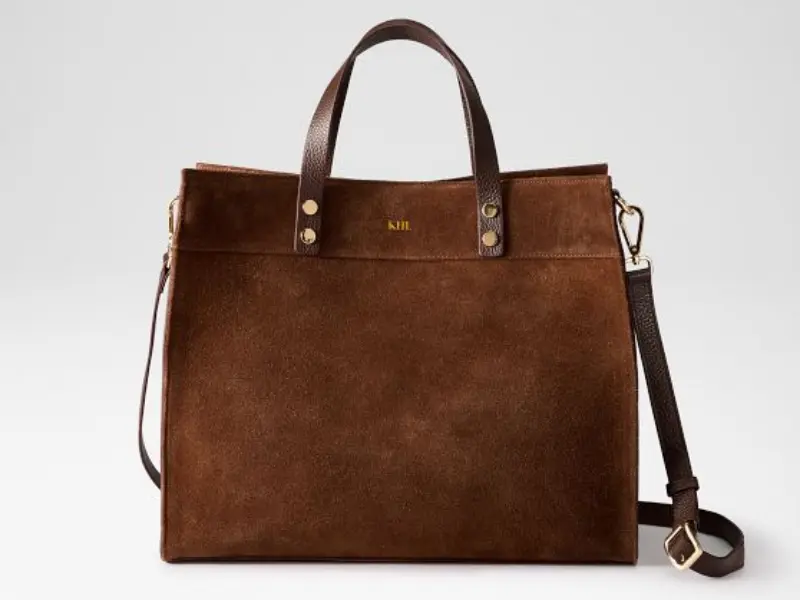
While often confused, the two are structurally different. Nubuck is created by sanding the outer grain side of the hide, making it incredibly durable but more expensive. Suede, or "split suede," is created from the inner layer of the hide. The highest quality suede comes from younger calves (Calf Suede) or goatskin, which offers a much tighter fiber structure and a silkier "nap."
The Importance of the "Nap"
The "nap" refers to the tiny protein fibers that stand up on the surface of the leather. In premium suede leather quality, this nap should be:
-
Consistent: No bald patches or uneven fiber lengths.
-
Directional: High-quality suede exhibits a "shimmer" or color change when you run your hand across it, known as the "writing effect."
-
Fine-Grained: The smaller the fibers, the softer the touch.
Color Saturation and Light Absorption
One reason designers prefer suede is its relationship with light. Smooth leather reflects light, which can sometimes make colors look harsh. Suede absorbs light, creating a deep, velvety saturation. This is why "New Neutrals"—such as Sage Green, Butter Yellow, and Deep Terra Cotta—look significantly more expensive on wholesale suede tote bags than on synthetic alternatives.
The "Quiet Luxury" Factor: Why Suede Fits the Current Aesthetic
The "Quiet Luxury" movement (or "Old Money" aesthetic) prioritizes craftsmanship over conspicuous consumption. Suede is the perfect ambassador for this trend for several reasons:
-
Understated Elegance: It lacks the aggressive shine of patent leather, making it suitable for both professional environments and casual, "slouchy" weekend styles.
-
Organic Connection: As consumers move toward tactile fashion trends, they seek materials that feel natural. Suede’s organic, irregular texture provides a sense of authenticity that mass-produced plastics lack.
-
Versatility in Silhouette: Suede is naturally more pliable than cowhide. This makes it the ideal candidate for the "Hobo Bag" and the "Oversized Tote"—styles that rely on a soft, collapsing drape rather than a rigid internal structure.
Technical Challenges in Custom Suede Bag Production
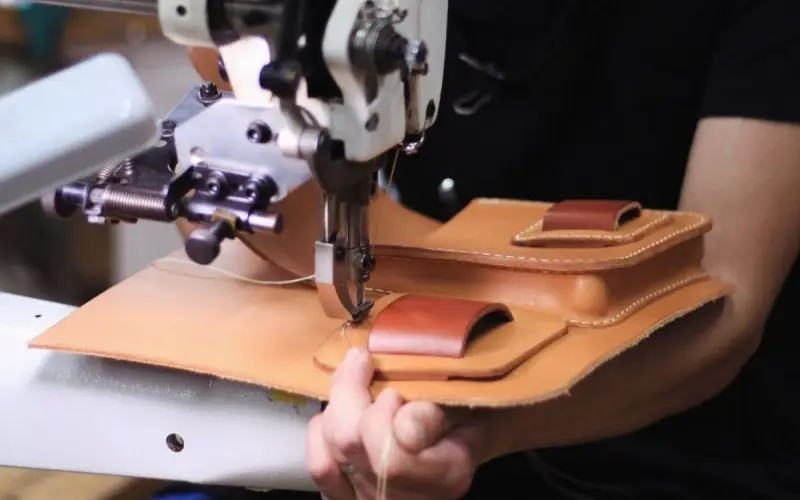
Manufacturing with suede requires a higher level of technical expertise than working with standard nappa or pebbled leather. As a custom suede handbag OEM, we navigate several critical production variables:
Color Migration and Crocking
Because suede is a porous material, "crocking" (the transfer of dye onto clothing) is a common risk. During the custom suede bag production phase, we implement rigorous color-fastness testing. We use high-grade fixatives and recommend darker suedes undergo an extra "dry-drumming" process to remove loose pigments before assembly.
Structural Reinforcement
Because suede is softer and has more "stretch" than grain leather, it can lose its shape over time if not handled correctly. We utilize:
-
Featherweight Interfacings: To provide support without killing the "slouchy" feel.
-
Bonded Backing: For structured suede bags, we bond the suede to a thin layer of microfiber or split leather to provide the necessary tensile strength for heavy-use items like laptop bags.
Precision Cutting
Suede has a "grain direction" similar to velvet. If two panels of a bag are cut in opposite directions, they will appear to be different colors under retail lighting. Our master cutters use manual "nesting" techniques to ensure every panel of your wholesale suede tote bags is color-matched and directionally aligned.
Sustainability and the Future of Suede
The modern consumer demands more than just beauty; they demand ethical accountability. The suede industry has evolved to meet these standards:
-
By-product Utilization: The vast majority of premium suede is a by-product of the food industry, ensuring that no part of the animal is wasted.
-
LWG Certified Tanneries: We prioritize sourcing from tanneries certified by the Leather Working Group (LWG), which monitors water usage, chemical disposal, and energy consumption.
-
Chrome-Free Tanning: For brands focused on "Bio-based" or ultra-eco-friendly lines, we offer chrome-free suede options using vegetable-based tannins, resulting in a product that is safer for both workers and end consumers.
Maintenance and Longevity: A Guide for Brand Owners
One of the most effective ways to build brand loyalty is to educate your customers on how to care for their investment. A premium suede leather quality bag can last decades if maintained with these professional tips:
-
Preventative Protection: We recommend applying a Fluorocarbon-free water repellent before the bag leaves the factory. This creates an invisible barrier against rain and oils.
-
The Crepe Brush Technique: Instruct users to "brush the nap" once a week. This prevents the fibers from matting down and keeps the surface looking vibrant.
-
Steam Restoration: If a suede bag becomes crushed during shipping or use, a light application of steam (without touching the leather) can often "re-fluff" the fibers instantly.
Conclusion: Partnering for Excellence in Suede Craftsmanship
The shift toward tactile luxury is not just a passing trend; it is a fundamental realignment of how luxury is defined. Brands that embrace the soft power of suede will find themselves at the forefront of a market that values sensory depth and artisanal quality.
However, the leap from a design sketch to a market-ready suede masterpiece requires a manufacturing partner who understands the "soul" of the material. At Xinzirain, we have spent over 15 years perfecting the art of high-end suede bag manufacturing.
About Xinzirain
Xinzirain is a premier handbag and footwear manufacturer specializing in high-end OEM and ODM services for global fashion brands. Based in the heart of China’s leather craftsmanship hub, we bridge the gap between innovative design and world-class production.
Whether you are looking for custom suede bag production or high-volume wholesale suede tote bags, our team offers a "consultancy-first" approach. We assist with:
-
Material Sourcing: Accessing the world's finest LWG-certified suede tanneries.
-
Prototyping: Rapid 3D and physical sampling to bring your vision to life.
-
Global Compliance: Ensuring every product meets the strict environmental and labor standards of the North American and European markets.
Elevate your next collection with the timeless appeal of suede. Contact Xinzirain today to discuss your custom manufacturing needs.