
Introduction
If you are planning to launch or expand a bag collection, the shoulder bag is one of the most reliable product categories to start with. It offers consistent demand, flexible design options, and strong retail performance across Europe, North America, and the Middle East.
This guide explains what shoulder bags are, how they are used, current market trends, materials, manufacturing processes, and how to choose the right shoulder bag manufacturer for your brand. It is designed for brand owners, product developers, and sourcing managers looking for scalable production solutions.
What Is a Shoulder Bag? (And Why It Remains a Core Category)
A shoulder bag is a type of bag designed to be carried on one shoulder using a single strap. Compared with crossbody bags or tote bags, shoulder bags offer a balance between functionality and style.
Key characteristics:
- Medium to large capacity
- Comfortable shoulder strap length
- Easy access structure
- Suitable for both daily use and fashion styling
Unlike crossbody bags, shoulder bags are less restrictive and more versatile in styling. Compared with tote bags, they often have more refined structures and compartments.
For brands, shoulder bags are a core category because they:
- Fit multiple price segments (mid-range to luxury)
- Allow strong branding through materials and hardware
- Have stable year-round demand
- Can be easily extended into collections
Key Use Cases of Shoulder Bags Across Markets
Understanding how customers use shoulder bags helps define your product direction.
Everyday & Work Use
Shoulder bags are widely used for commuting and daily activities.
Key requirements include:
- Durable materials
- Organized compartments
- Comfortable straps
- Practical size
This segment focuses on functionality and long-term use.
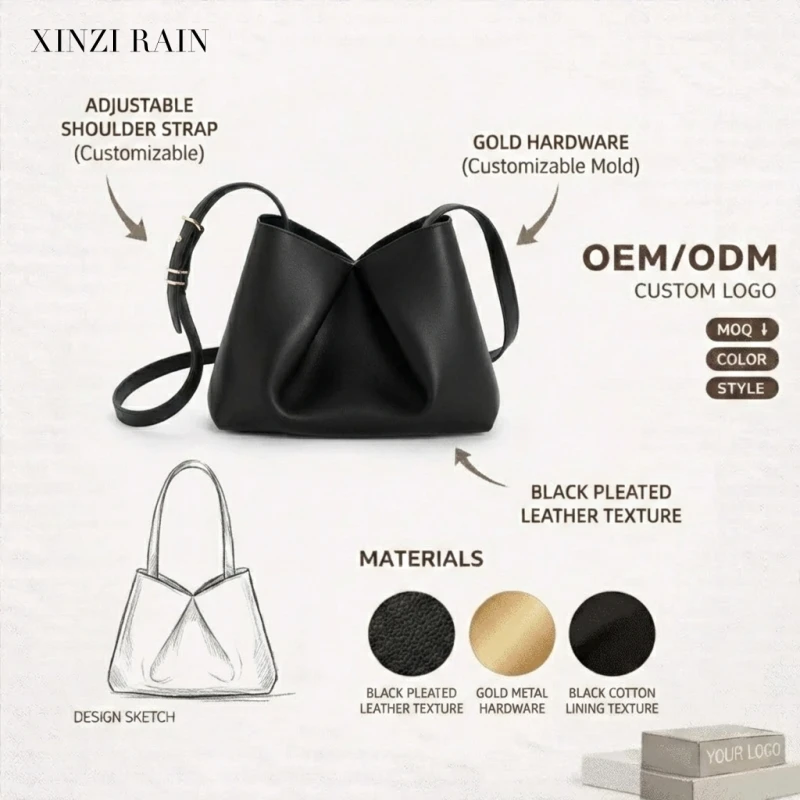
Fashion & Designer Collections
In fashion-driven markets, shoulder bags act as a key branding piece.
They are often used to:
- Highlight seasonal trends
- Showcase logo and hardware design
- Support visual identity
Mini shoulder bags and statement designs are especially popular in this segment.
Travel & Lifestyle Applications
Shoulder bags are also used for light travel and lifestyle purposes.
Typical features include:
- Lightweight construction
- Multi-functional compartments
- Flexible styling (shoulder + crossbody)
Different use cases directly influence design, materials, and production cost.
Global Market Trends & Business Opportunities
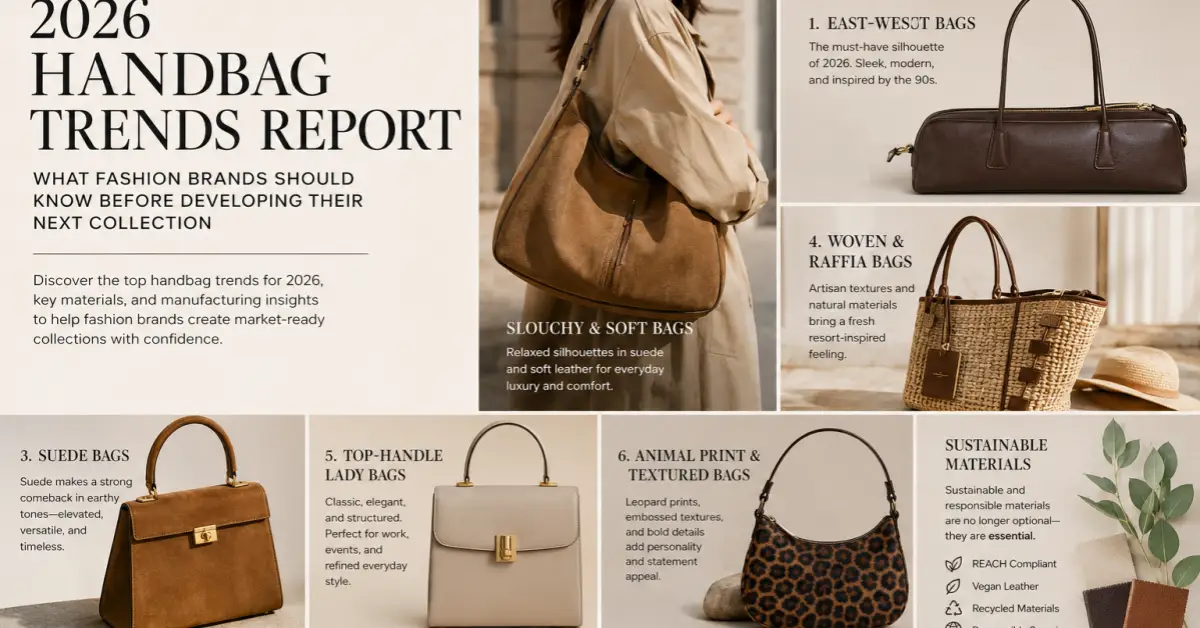
The global handbag market continues to grow steadily, with shoulder bags remaining a consistent best-selling category.
Key trends include:
Mini and compact designs
Smaller shoulder bags are gaining popularity due to minimalist fashion trends and social media influence.
Sustainable materials
Consumers and retailers increasingly demand eco-friendly materials such as vegan leather and recycled fabrics.
Vintage and Y2K revival
Retro-inspired shoulder bags are trending strongly, especially among younger consumers.
Multi-functional design
Convertible straps and hybrid designs (shoulder + crossbody) are becoming standard expectations.
For new brands, shoulder bags offer a lower-risk entry point because they:
- Have proven demand
- Allow flexible pricing strategies
- Can scale easily with production
Types of Shoulder Bags Brands Commonly Develop
Professional shoulder bag manufacturers typically support multiple categories:
Leather shoulder bags
Ideal for premium and long-lasting collections
Mini shoulder bags
Trend-driven, suitable for fashion brands
Tote-style shoulder bags
Practical and high-capacity, often used for work or travel
Crossbody hybrid shoulder bags
Functional designs with adjustable straps
Luxury designer shoulder bags
Focus on craftsmanship, materials, and brand identity
Each type targets different customers and price ranges, which should be defined early in development.
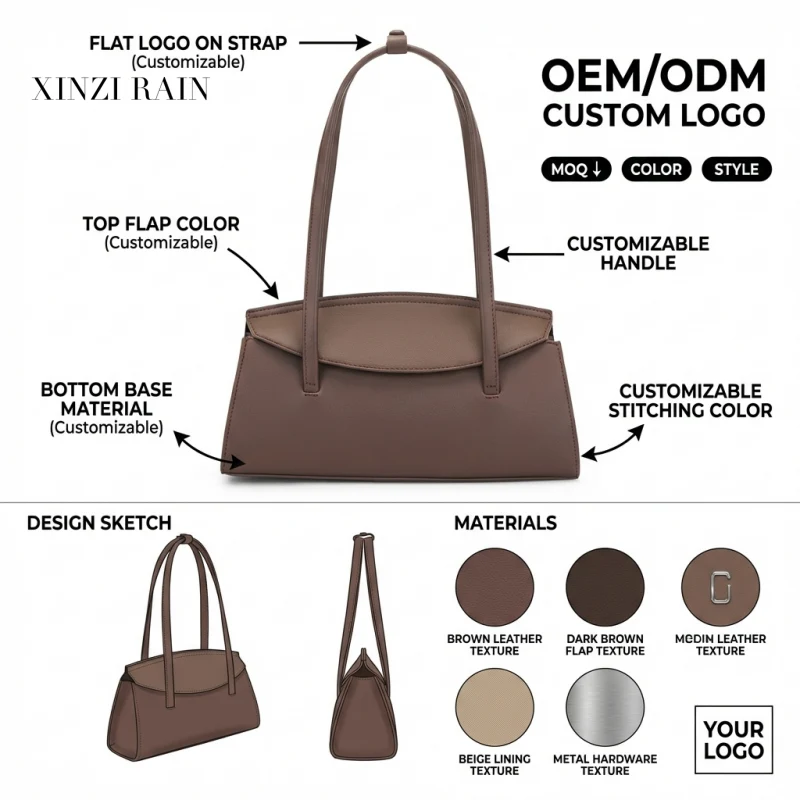
Materials Used by Professional Shoulder Bag Manufacturers
Material selection is one of the most important decisions in bag development.
Leather Options
Full-grain leather
Highest quality, natural texture, long lifespan
Top-grain leather
More refined surface, widely used in commercial production
Suede and nubuck
Soft texture, used for fashion-focused collections
Vegan & Sustainable Materials
PU leather
Cost-effective and widely used alternative
Recycled materials
Used by brands focused on sustainability
Bio-based leather
Includes materials made from plant sources such as apple or cactus
Fabric & Specialty Materials
Canvas
Durable and casual
Nylon
Lightweight and functional
Mixed materials
Combine leather, fabric, and synthetic elements for unique designs
Material choice directly affects product positioning, pricing, and target market.
Key Manufacturing Processes Behind High-Quality Shoulder Bags
A reliable shoulder bag manufacturer follows a structured production process.
Key steps include:
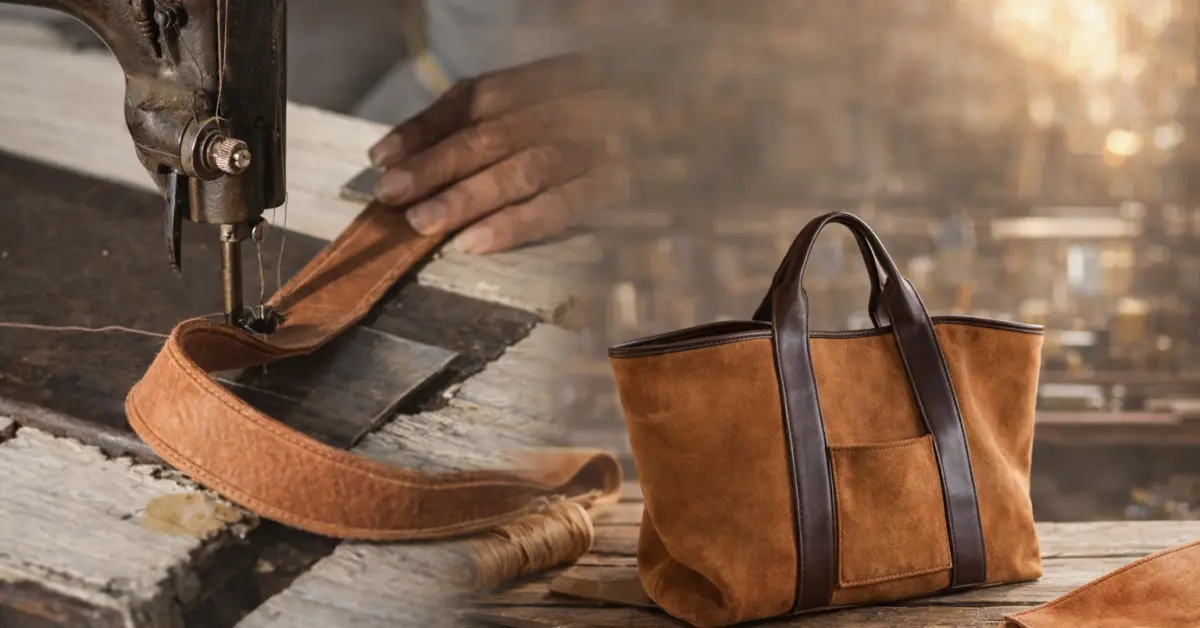
Pattern making
Creating precise templates for each component
Material cutting
Ensuring accuracy and minimizing waste
Stitching and reinforcement
Critical for durability and structure
Edge finishing
Improves appearance and longevity
Hardware assembly
Includes zippers, buckles, and logo elements
Quality control
Inspection at multiple stages to ensure consistency
Attention to these details is what separates high-quality products from average ones.
Custom Shoulder Bag Manufacturing Process (OEM & Private Label)
For brands working with a custom shoulder bag manufacturer, the process is typically:
- Design submission
Share your sketches, reference images, or tech pack - Material and hardware selection
Choose based on design and budget - Sample development
Usually completed within 20–25 days - Sample revision
Adjustments based on feedback - Bulk production
Typically 30–45 days depending on quantity - Quality inspection and shipping
Final checks before delivery
This structured workflow ensures efficiency and reduces production risks.
How to Choose the Right Shoulder Bag Manufacturer
Selecting the right partner is critical for your brand’s success.
Key factors to evaluate:
Low MOQ flexibility
Important for startups and new collections
Design support capability
Ability to translate ideas into production-ready products
Material sourcing
Access to stable and diverse supply chains
Compliance standards
Experience with REACH, Prop 65, and other regulations
Production reliability
Consistent quality and on-time delivery
A professional manufacturer should act as a long-term partner, not just a supplier.
Cost Factors in Shoulder Bag Manufacturing
Understanding cost structure helps improve pricing strategy.
Main factors include:
Materials
The largest cost component
Design complexity
More details increase labor time
Hardware customization
Custom logos and molds add cost
Order quantity
Higher volumes reduce unit cost
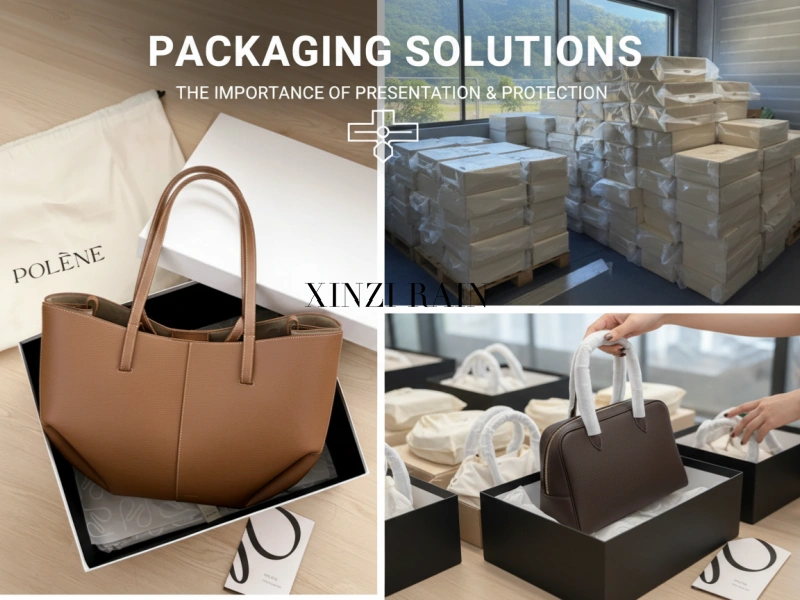
Packaging and compliance
Additional certifications or packaging requirements affect pricing
Instead of focusing only on low cost, brands should prioritize consistency and product value.
Why Work with a Professional Shoulder Bag Manufacturer
Working with an experienced partner allows you to scale more efficiently.
At XINZIRAIN, we support brands with:
One-stop service from design to delivery
Flexible MOQ for growing brands
Stable production timelines (30–45 days)
Experience with EU and US compliance standards
Wide range of materials including leather and sustainable options
Whether you are launching a new collection or expanding your product line, a structured manufacturing partner helps reduce risk and improve speed to market.
Send your tech pack to start development
Request a sample to test quality and design
Book a material consultation with our team
WhatsApp: +86 15530191496
FAQ
What is the MOQ for custom shoulder bags?
MOQ typically starts from 50–100 pieces per design, depending on materials and complexity.
How long does shoulder bag production take?
Sample development takes about 20–25 days, and bulk production usually takes 30–45 days.
Can I customize logos and hardware?
Yes, most manufacturers support custom logos, metal hardware, and packaging.
What materials are best for shoulder bags?
It depends on your market positioning. Leather is used for premium products, while PU and recycled materials are common for mid-range and sustainable brands.
Do manufacturers support small brands?
Many professional manufacturers offer flexible MOQ and development support for startups.
Conclusion
Shoulder bags remain one of the most stable and scalable product categories in the global fashion market. With the right design strategy and a reliable shoulder bag manufacturer, brands can quickly turn ideas into market-ready products.
If you are planning your next collection, now is the right time to start your custom shoulder bag project.