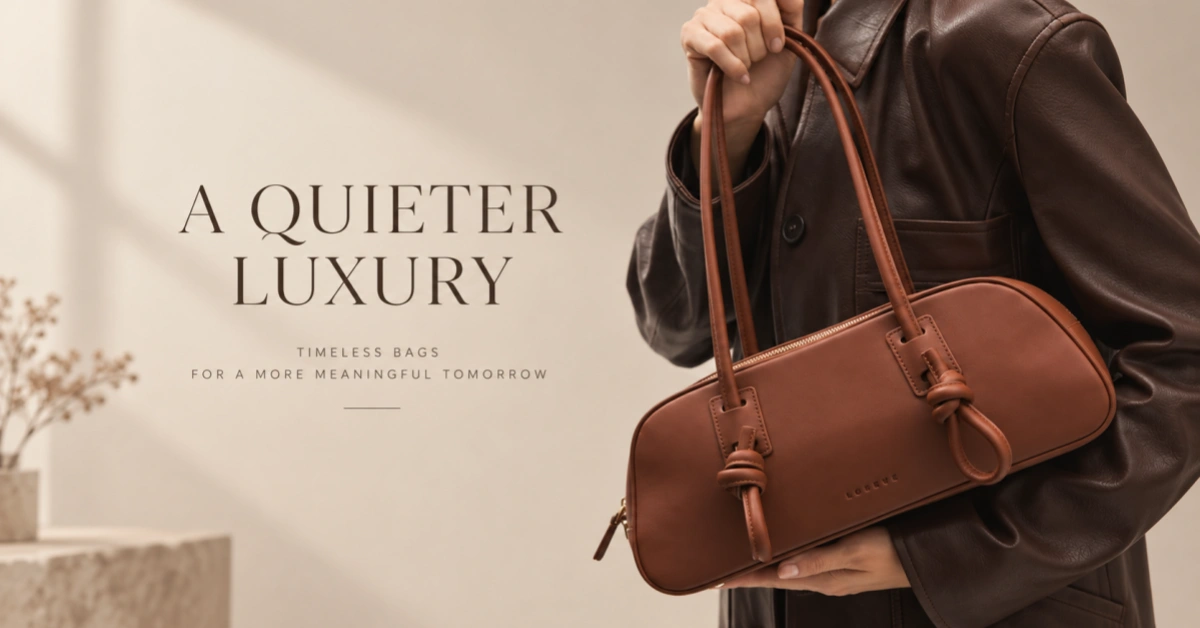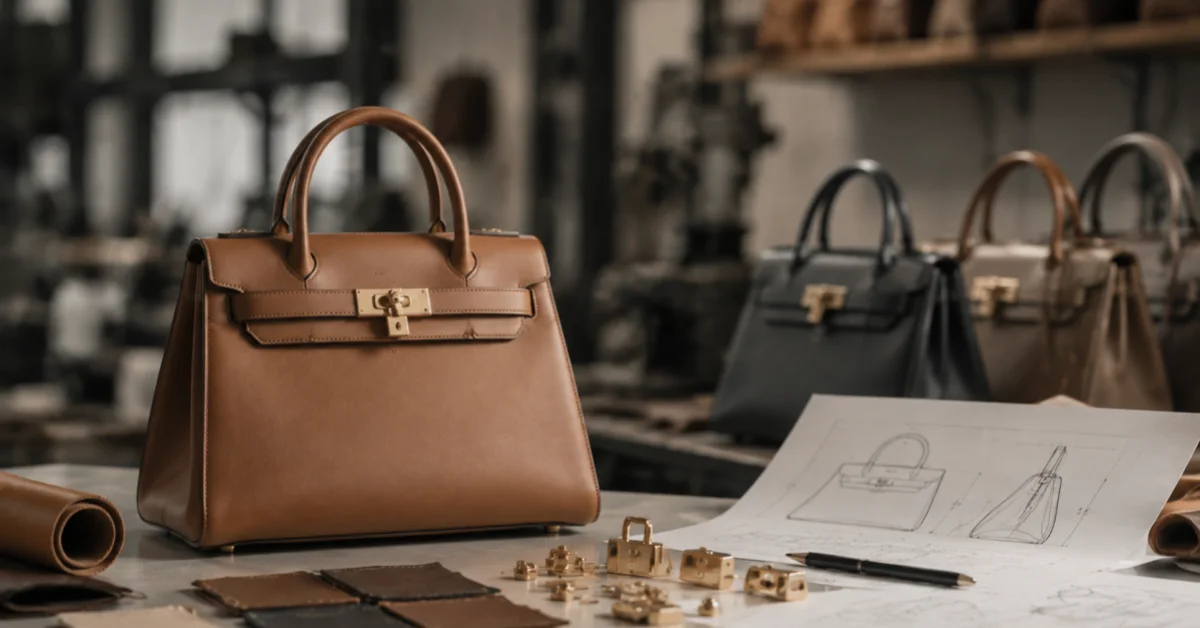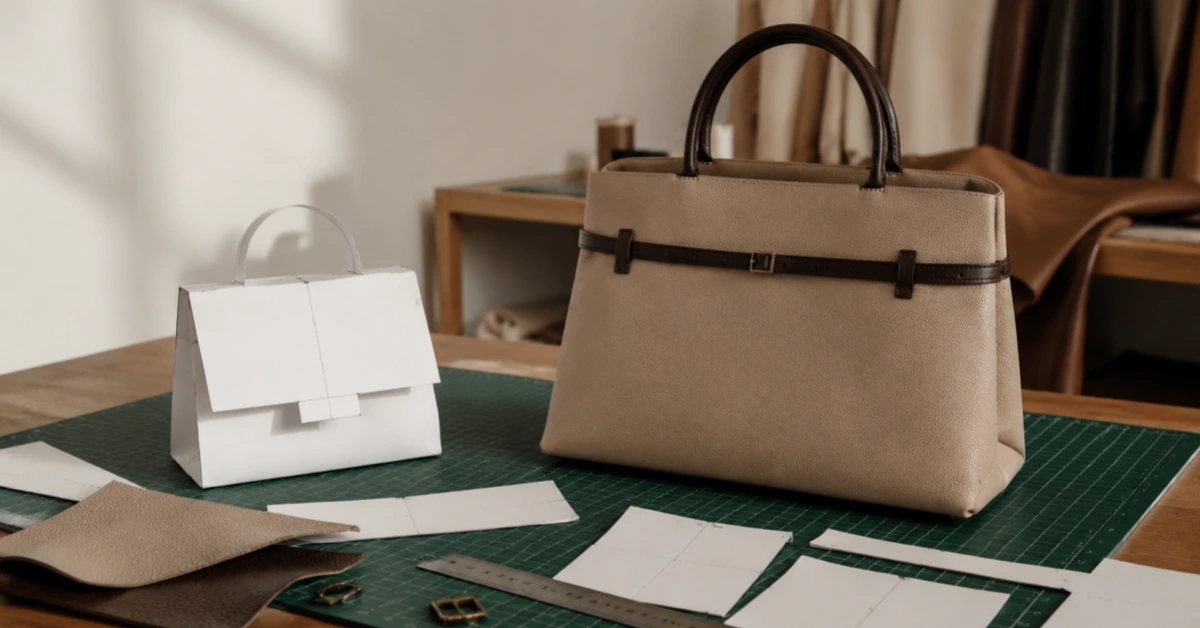

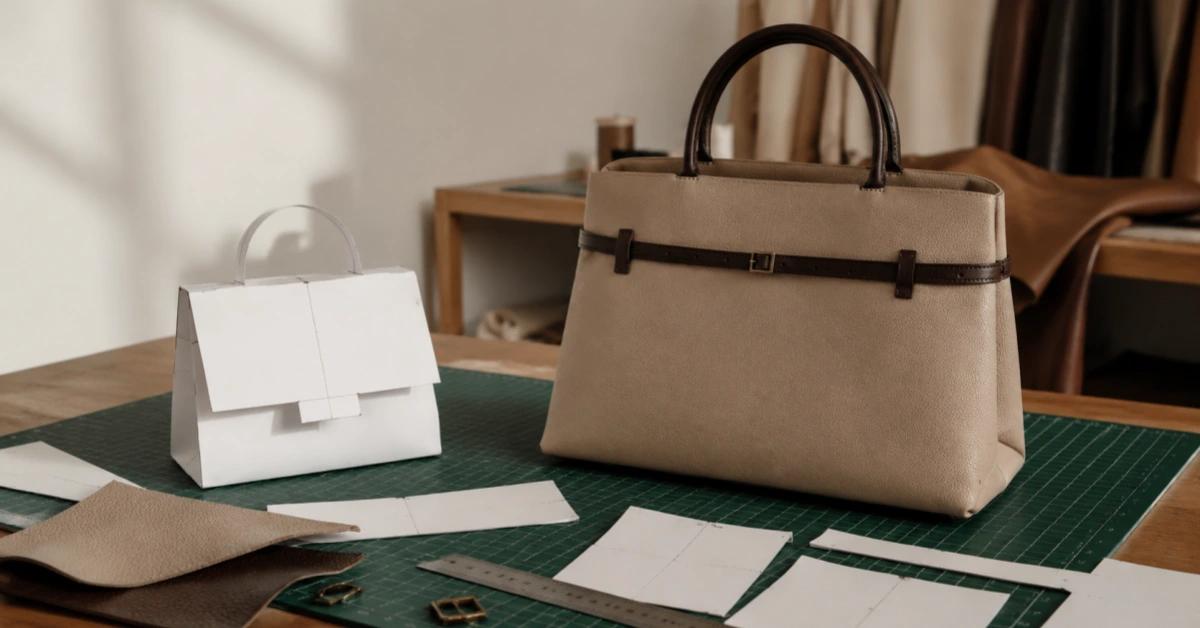
Choosing the right private label genuine leather handbag manufacturer affects far more than production cost. The manufacturer influences material consistency, structural durability, sampling accuracy, delivery reliability and, ultimately, how customers perceive your brand.
Developing a premium leather handbag involves a series of technical decisions. Leather grade, grain direction, reinforcement, edge finishing, stitching, hardware plating, lining and packaging must work together as one production system.
This guide explains how private label leather handbag manufacturing works, how OEM, ODM and private label models differ, what brands should inspect during sourcing and how BagsRain supports projects from design review through sampling and bulk production.
What Is Private Label Leather Handbag Manufacturing?
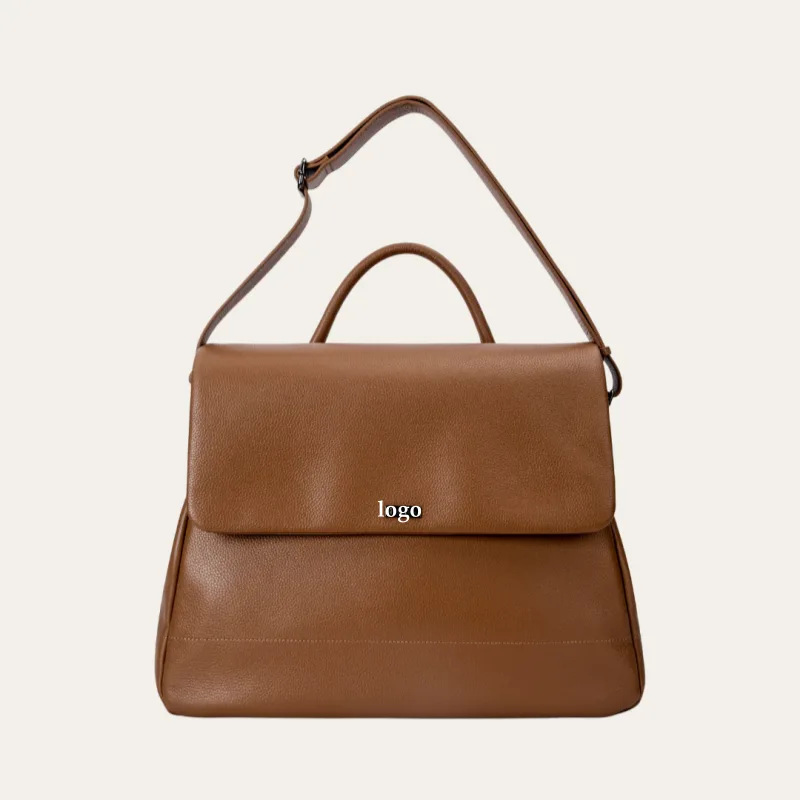
Private label handbag manufacturing allows a fashion brand to sell professionally manufactured bags under its own brand name.
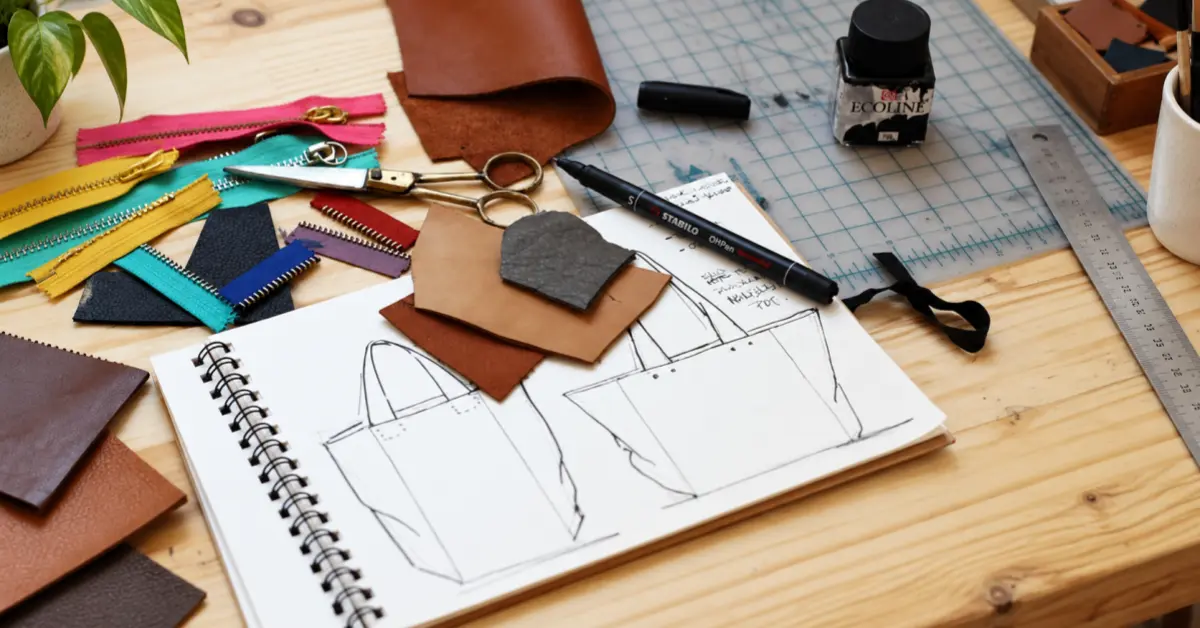
Depending on the project, the brand may begin with:
- An original sketch or concept
- A complete Tech Pack
- Reference photographs
- A physical sample
- An existing factory-developed structure
- A combination of the brand’s design direction and the manufacturer’s technical input
The manufacturer then assists with pattern development, materials, hardware, logo application, sampling, quality control, packaging and production.
This model is particularly suitable for independent designers, growing fashion brands, retailers and distributors that need greater brand control without establishing their own production facilities.
BagsRain provides both custom leather bag manufacturing and private label bag manufacturing for global B2B clients.
OEM vs. ODM vs. Private Label Handbag Manufacturing
Understanding these three manufacturing models helps brands choose the appropriate level of customization, development time and investment.
| Manufacturing model | Design responsibility | Customization level | Best suited for |
|---|---|---|---|
| OEM | The brand provides an original design or Tech Pack | High customization of patterns, materials, hardware, structure and packaging | Established brands and designers with developed specifications |
| ODM | The manufacturer provides an existing design | Moderate customization of colors, materials, logos, lining and hardware finishes | Retailers and brands seeking faster product launches |
| Private label | The brand and manufacturer adapt a production-ready structure | Flexible customization with lower development complexity | Growing brands, boutiques and distributors |
A fully customized OEM project usually requires more pattern development, testing and tooling. An ODM or private label project can reduce development time by starting with a proven structure.
The correct model depends on how distinctive the product needs to be, the target launch date, projected order quantity and available development budget.
What Defines a Premium Genuine Leather Handbag?
Luxury is not created by leather alone. A premium handbag depends on the interaction between material selection, pattern engineering, reinforcement and finishing.
Brands evaluating a genuine leather handbag manufacturer should pay particular attention to the following areas.
Pattern Engineering and Structural Reinforcement
Unlike many synthetic materials, natural leather varies in grain, thickness, stretch and surface character. Pattern makers must consider these properties when placing and cutting each component.
The bag may also require carefully selected reinforcement in the:
- Base
- Handles
- Shoulder strap attachments
- Side panels
- Opening
- Zipper area
- Hardware connection points
Materials such as microfiber reinforcement, bonded leather board or structured textile layers can help a bag maintain its shape. However, excessive reinforcement can make the finished product unnecessarily stiff or heavy.
A capable manufacturer balances shape retention, flexibility and carrying comfort according to the intended use of the bag.
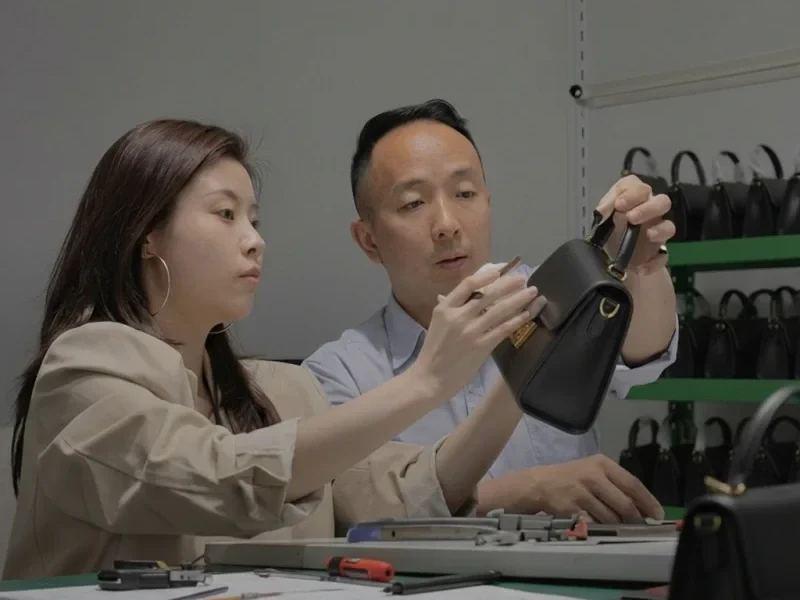
Multi-Layer Edge Painting
The exposed edges of leather components need to be sealed and finished before assembly or final stitching.
A controlled edge-painting process may include:
- Edge trimming and preparation
- Base-coat application
- Drying and sanding
- Additional color coats
- Final polishing and inspection
Multiple thin coats generally create a smoother and more flexible finish than one heavy coat. The number of coats should be determined by the leather, edge construction and intended appearance rather than by a fixed formula.
Brands should inspect edge consistency around handles, curves, gussets and other high-flex areas during sample approval.
Stitching and Thread Selection
Thread type, stitch density and seam construction should match the thickness and intended load of the bag.
Bonded nylon and polyester threads are widely used because they provide consistent strength and abrasion resistance. Stitch density may vary according to leather thickness and design, but spacing should remain even around corners, curves and layered seams.
Quality inspections should look for:
- Uneven stitch length
- Skipped or loose stitches
- Visible backstitching
- Puckered leather
- Misaligned seams
- Thread tension marks
- Inconsistent distances from the edge
Choosing the Right Leather for a Private Label Handbag
“Genuine leather” describes a broad material category rather than one specific level of quality. The correct leather depends on the design, price positioning, structure and desired customer experience.
Full-Grain Leather
Full-grain leather retains the natural outer grain of the hide. It is valued for its strength, natural texture and ability to develop a patina over time.
Because its surface is less heavily corrected, natural markings and grain variation may remain visible. Brands should decide during development how much natural variation is acceptable.
Full-grain leather is often appropriate for premium totes, briefcases, travel bags and products designed to age naturally.
Top-Grain Leather
Top-grain leather is lightly corrected or buffed to create a more uniform surface. A protective finish may also improve color consistency and stain resistance.
It can provide a smoother, more controlled appearance while preserving much of the flexibility and feel associated with natural leather.
Top-grain leather is suitable for brands that want consistent color and surface appearance across larger production batches.
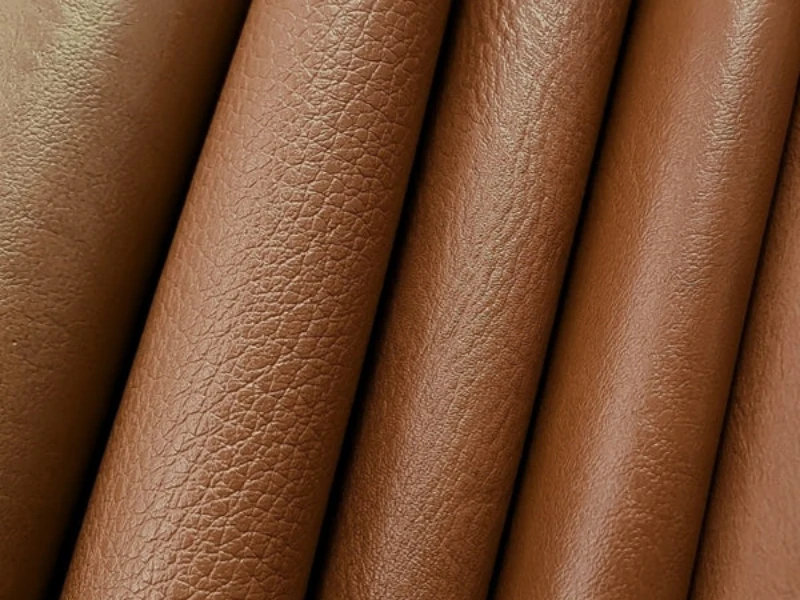
Pebbled, Suede and Embossed Leather
Special finishes can support a specific visual identity or performance requirement:
- Pebbled leather can help disguise minor surface marks.
- Suede offers a soft, matte appearance but requires greater care around moisture and color transfer.
- Embossed leather can reproduce croc, lizard or custom textures.
- Drum-dyed leather provides deeper color penetration and a softer hand.
- Pigmented leather offers strong color consistency and surface protection.
The manufacturer should provide swatches for approval before bulk material is ordered.
For international markets, brands should also discuss applicable material requirements, such as EU REACH or California Proposition 65, at the beginning of development.
Custom Leather Tote Bag Manufacturing
The leather tote is an important category for many fashion and lifestyle brands because it combines a simple silhouette with practical everyday use.
However, the apparent simplicity of a tote can hide significant manufacturing challenges. Large leather panels make color differences, grain inconsistency and cutting defects more visible. Handles and base joints also carry repeated loads.
Large-Panel Leather Selection
A tote often requires large, uninterrupted exterior panels. These components should be cut from suitable areas of the hide while considering:
- Grain direction
- Thickness consistency
- Surface markings
- Color variation
- Left-to-right balance
- Expected stretch during use
Before approving bulk production, brands should confirm their tolerance for natural leather markings and tonal variation.
Handle and Base Reinforcement
Handle attachments are common stress points. Depending on the design, reinforcement may include internal webbing, folded leather layers, box stitching, rivets or concealed support panels.
The base may need a structured board, protective feet or layered construction when the tote is intended to carry laptops and other heavier items.
These measures help reduce stretching and improve long-term shape retention without making the bag excessively heavy.
Interior Organization
A private label tote can be customized with:
- Padded laptop compartments
- Zippered security pockets
- Slip pockets
- Phone compartments
- Key-leash clips
- Magnetic closures
- Detachable pouches
- Custom printed or woven lining
- Branded labels
Interior features should be determined by the target customer and intended retail positioning. Adding every possible compartment can increase weight and production complexity without necessarily improving usability.
The Private Label Handbag Manufacturing Process
A professional manufacturing workflow gives both the brand and factory defined approval points before bulk production begins.
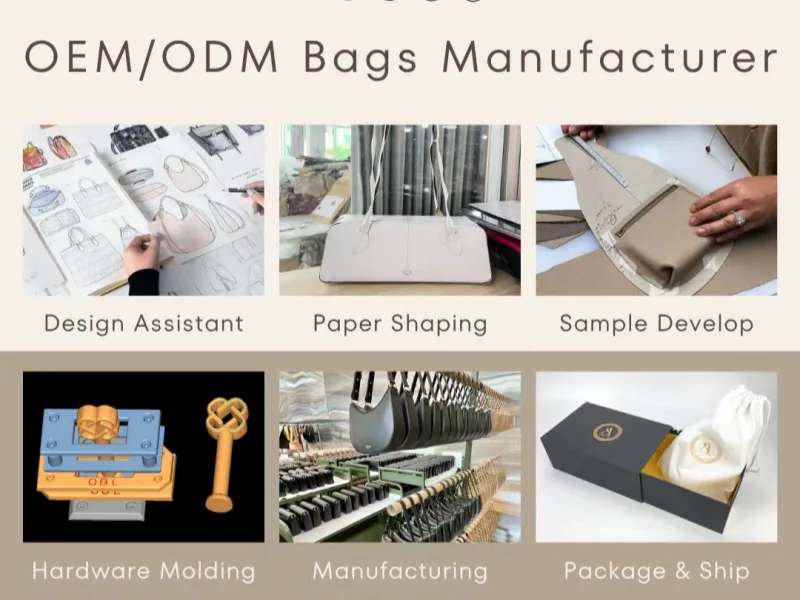
Design Review and Feasibility Assessment
The process begins with a Tech Pack, sketch, reference image or physical sample.
The development team reviews:
- Dimensions and proportions
- Intended leather or alternative material
- Bag structure
- Hardware requirements
- Logo placement
- Lining and pocket layout
- Target quantity
- Target cost
- Compliance market
- Expected launch date
If the brand does not have a complete Tech Pack, technical specifications and patterns can be developed from its available design information.
Material and Hardware Selection
Leather swatches, lining options, thread colors and hardware finishes are selected before sampling.
Custom features may include:
- Embossed or debossed logos
- Metal logo plates
- Custom zipper pulls
- Turn locks
- Buckles
- Decorative studs
- Branded lining
- Custom packaging
New metal components may require mold or tooling fees. Brands should confirm tooling ownership, reuse terms and reorder requirements before approving development.
Pattern and Sample Development
The first physical sample is used to evaluate:
- Overall proportions
- Opening and closure
- Handle drop
- Strap length
- Interior capacity
- Hardware position
- Stitching
- Edge finishing
- Weight
- Carrying comfort
- Logo size and placement
A first sample is not always the final production reference. One or more revisions may be necessary when the design includes a new structure, custom hardware or complex construction.
Pre-Production Sample Approval
After revisions are completed, the brand should approve a final reference sample before bulk production.
This approved sample—sometimes called the golden sample—becomes the physical standard for materials, dimensions, color, construction and finishing.
Written approval records should accompany the physical sample to reduce misunderstandings during production.
Bulk Material Inspection and Cutting
Bulk leather is inspected for:
- Color consistency
- Thickness
- Grain
- Surface condition
- Material defects
- Compliance with the approved sample
Panels are then cut using knives, dies or clicker presses according to the production method and component shape.
Assembly and In-Line Quality Control
Quality control should take place throughout production rather than only after the bags are completed.
Typical checkpoints include:
- Post-cutting inspection
- Skiving and edge preparation
- Reinforcement placement
- Stitching alignment
- Hardware installation
- Edge painting
- Final shaping
- Logo inspection
- Packaging inspection
This approach allows production issues to be corrected before they affect an entire order.
Final Inspection, Packaging and Shipment
Finished bags are compared with the approved production sample and specification sheet.
Final inspection may cover:
- Measurements
- Color
- Stitching
- Edge finishing
- Hardware function
- Zippers and closures
- Interior construction
- Logo placement
- Surface cleanliness
- Packaging
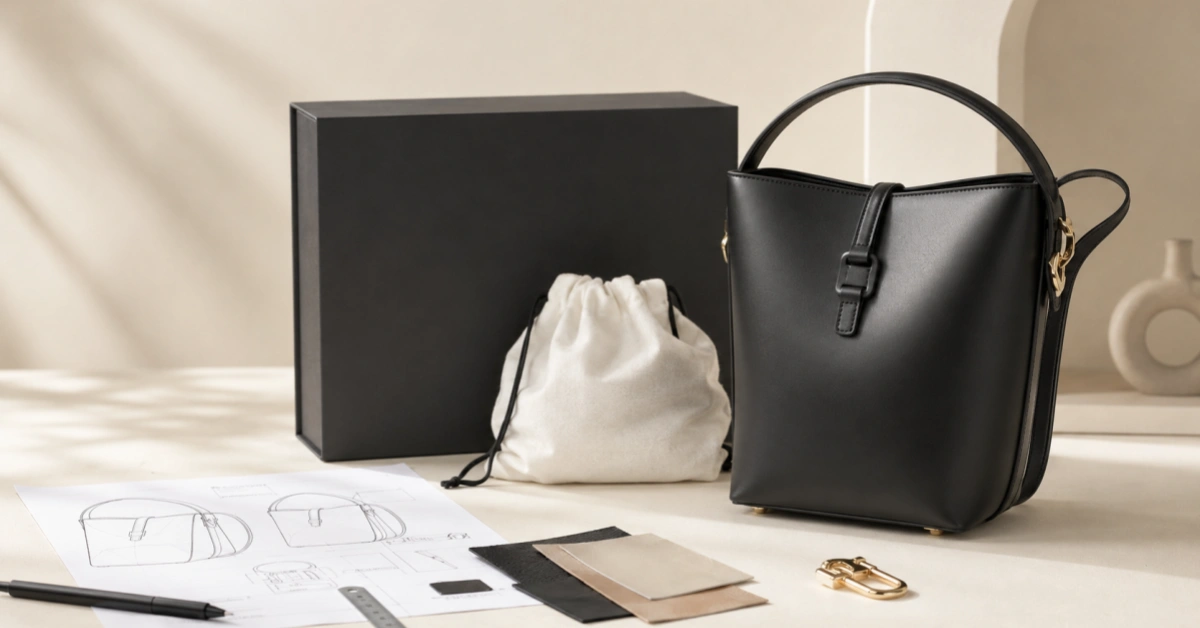
Brands can also request dust bags, tissue paper, hangtags, branded boxes and shipping cartons according to their retail and logistics requirements.
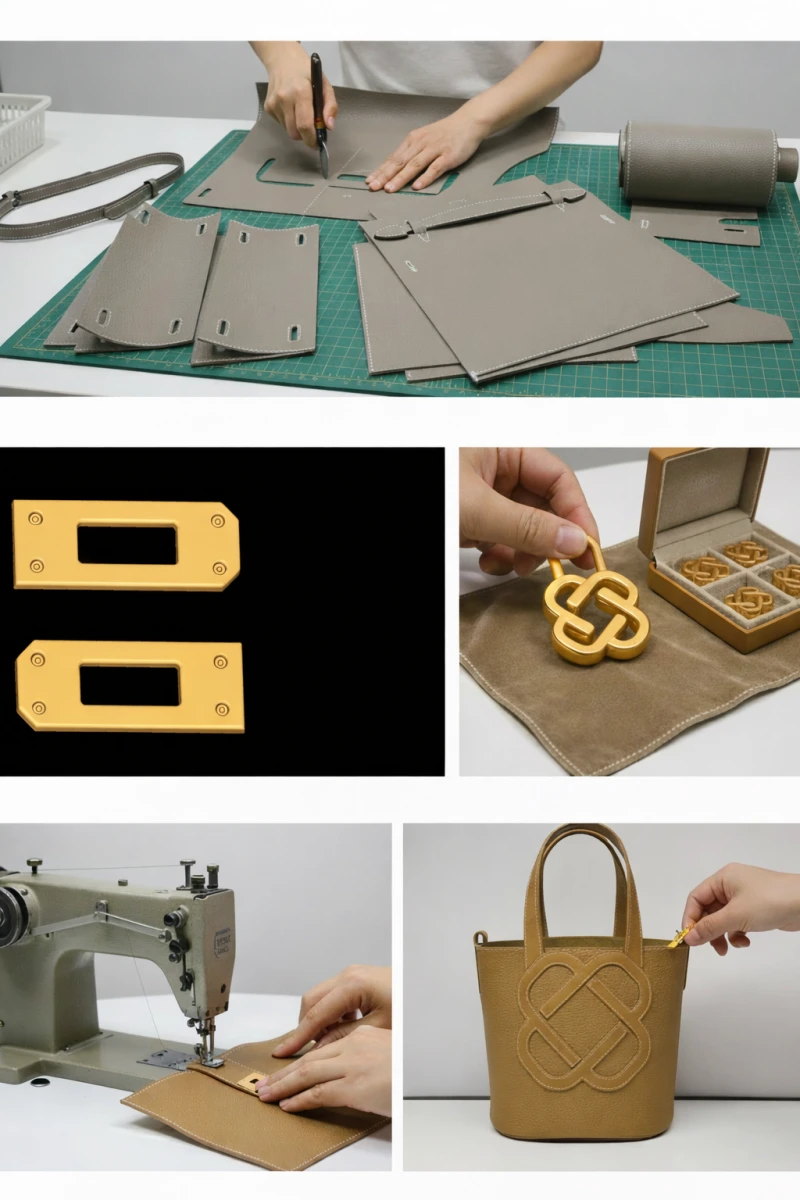
MOQ, Sampling and Production Lead Times
Manufacturing terms vary according to material availability, construction, hardware tooling and order complexity.
For appropriate BagsRain projects, the working reference in this article is:
| Production item | General reference |
|---|---|
| Standard MOQ | Approximately 100 pieces per style and color |
| Sample development | Approximately 20–35 days after specifications and materials are confirmed |
| Bulk production | Approximately 30–40 days after sample approval and material confirmation |
| Custom hardware | Additional tooling and development time may apply |
| Packaging | Standard or fully customized options available |
These figures should be treated as planning references rather than fixed guarantees. Certain private label structures may support different quantities, while highly customized designs, specialty leather or newly developed hardware may require a higher MOQ or longer lead time.
Brands should request a project-specific quotation before setting a launch schedule.
How a Flexible MOQ Helps Growing Brands
A lower initial order can help independent brands reduce inventory exposure while validating product-market fit.
It allows a brand to:
- Test a new silhouette before scaling
- Introduce seasonal colors in controlled quantities
- Gather customer feedback
- Preserve working capital
- Reduce end-of-season inventory
- Plan reorders around actual demand
However, MOQ should not be evaluated in isolation. A very low quantity can increase the unit cost because pattern development, material sourcing, tooling and quality control expenses are distributed across fewer products.
Brands should evaluate total development cost, target margin and reorder potential—not simply choose the manufacturer advertising the lowest number.
How to Evaluate a Leather Handbag Manufacturer
Use the following checklist before committing to sampling or production.
| Evaluation area | Warning sign | Recommended practice |
|---|---|---|
| Material verification | The supplier only says “genuine leather” without specifying grade or finish | Confirm leather type, finish, thickness, source and available compliance documents |
| Sample approval | The factory recommends starting production without a physical sample | Approve a final reference sample and written specifications before bulk production |
| Quality control | Inspection occurs only during final packing | Use material, cutting, assembly and final-inspection checkpoints |
| Custom tooling | Mold ownership and reuse terms are unclear | Confirm tooling cost, ownership, storage and reorder terms in writing |
| Intellectual property | The supplier will not discuss confidentiality | Request an NDA before sharing original designs when needed |
| Production timeline | The factory promises an unrealistic delivery date without reviewing the design | Establish a schedule after materials, hardware and sample requirements are confirmed |
| Communication | Changes are agreed only through informal messages | Maintain an organized specification sheet and revision record |
Brands can also review BagsRain’s factory manufacturing capabilities before beginning development.
Common Leather Handbag Sourcing Mistakes
Approving Leather from Photographs Alone
Lighting and screen settings can significantly change how color and grain appear. Always request physical swatches when material accuracy is commercially important.
Sacrificing Edge Finishing for Speed
Edge paint requires suitable drying and sanding time. Compressing this process can reduce finish consistency, especially on handles and high-flex components.
Ignoring Hardware Performance
Hardware should be evaluated for color, plating consistency, closure function and compatibility with the leather. Brands targeting particular markets should specify relevant testing or compliance requirements.
Underestimating Packaging
Leather can develop pressure marks, scratches or moisture-related damage during international shipping. Packaging should support the bag’s shape and protect finished surfaces.
Changing Specifications During Bulk Production
Late changes to materials, dimensions or hardware can cause delays, additional costs and inconsistencies. All important details should be confirmed before bulk materials are purchased.
Frequently Asked Questions
What is the MOQ for custom private label leather handbags?
For suitable BagsRain projects, the standard reference is approximately 100 pieces per style and color. The final MOQ depends on the leather, construction, hardware, packaging and degree of customization. Production-ready private label structures may support different quantities.
How long does leather handbag sampling take?
Sample development generally takes approximately 10–15 days after the design specifications and materials have been confirmed. Complex patterns, custom hardware and revised samples may require additional time.
Do I need a complete Tech Pack?
A complete Tech Pack helps improve development accuracy, but it is not always required. Brands can begin with sketches, reference images or a physical sample. The development team can then help translate the concept into production specifications.
Can BagsRain develop custom hardware and branded logos?
Yes. Available options include debossed or embossed leather logos, metal logo plates, zipper pulls, buckles, turn locks, lining labels and customized packaging. New metal components may require mold development.
How is leather consistency controlled during production?
Leather is inspected for color, thickness, grain and visible surface characteristics before cutting. Panels are then selected according to the approved sample and the brand’s stated tolerance for natural variation.
Can I approve a sample before bulk production?
Yes. Sample approval should be completed before bulk manufacturing begins. The approved reference sample and written specification sheet are used to guide production and inspection.
Can BagsRain sign an NDA?
An NDA can be discussed before original Tech Packs, unreleased designs or proprietary hardware files are shared. Brands should also confirm tooling ownership and confidentiality requirements in writing.
Start Your Private Label Leather Handbag Project
A reliable manufacturer should do more than assemble components. It should help identify production risks, translate the design into clear specifications and maintain consistency from the approved sample through bulk delivery.
BagsRain supports fashion brands, designers, retailers and distributors with leather selection, pattern development, custom hardware, sampling, packaging and scalable production.
To begin, prepare the following information:
- Product type and reference images
- Required dimensions
- Preferred leather or alternative material
- Estimated order quantity
- Target market
- Logo and hardware requirements
- Packaging requirements
- Target launch date
- Tech Pack, sketch or physical sample, if available
Contact BagsRain to request a project review and custom quotation.