Explore expert insights on custom bag manufacturing, OEM/ODM trends, leather sourcing, and handbag design tips.
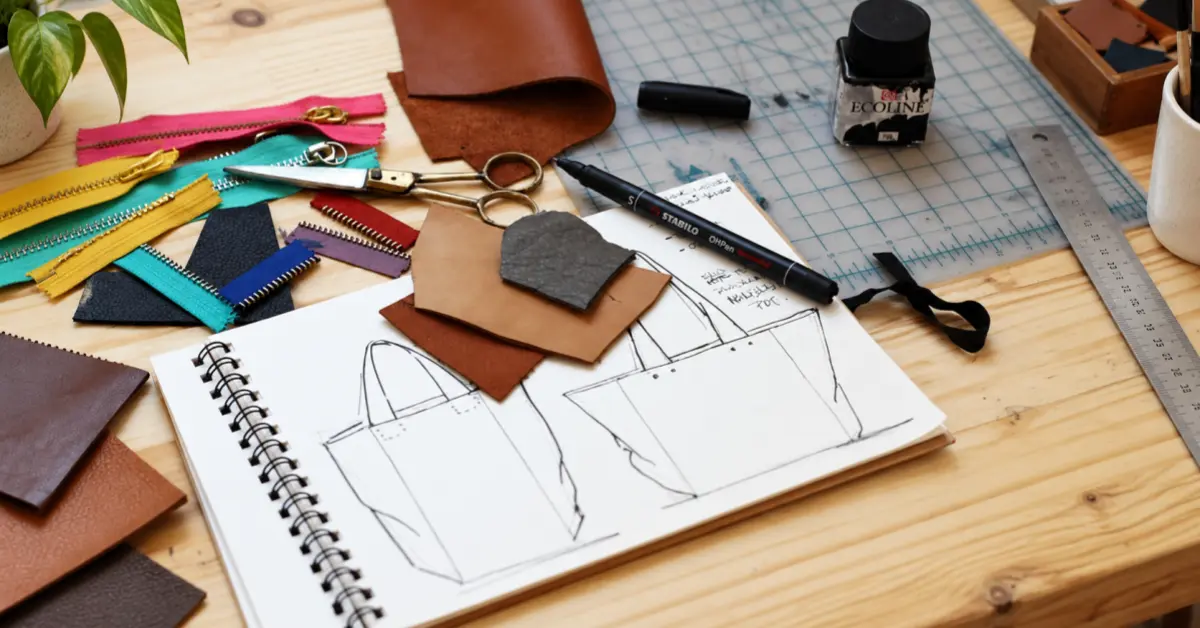
A survival guide tailored for independent fashion designers and creative directors seeking to translate handbag sketches into physical reality with a premium custom leather bag maker. It breaks down the five crucial technical milestones necessary to prevent product failure: paper pattern spatial engineering, raw material batch consistency, internal reinforcement temper matching, rigorous stress-testing (REACH/Prop 65 compliant), and gold-standard sample approval. Learn how to scale your brand safely through Demand-Led Manufacturing (DLM), Flexible MOQs, and optimized cost structures under strict IP protection.
For growing fashion brands, choosing a private label bags supplier is a major milestone. This technical guide explains how to audit custom handbag factories on pattern engineering, leather batch consistency, custom hardware mold fees, and intellectual property protection.
Discover how French fashion startup founder Imane successfully scaled "The Knot Bag" from a tech pack to a flawless 10,000-unit first order in just 5 weeks through technical validation and optimized hardware details.
Learn how a handbag pre-order strategy can help new brands validate real demand before bulk production. This guide explains how to use pre-sales to test price acceptance, color demand, first-order quantity, inventory risk, margins, and production readiness—turning early customer data into smarter manufacturing and growth decisions.
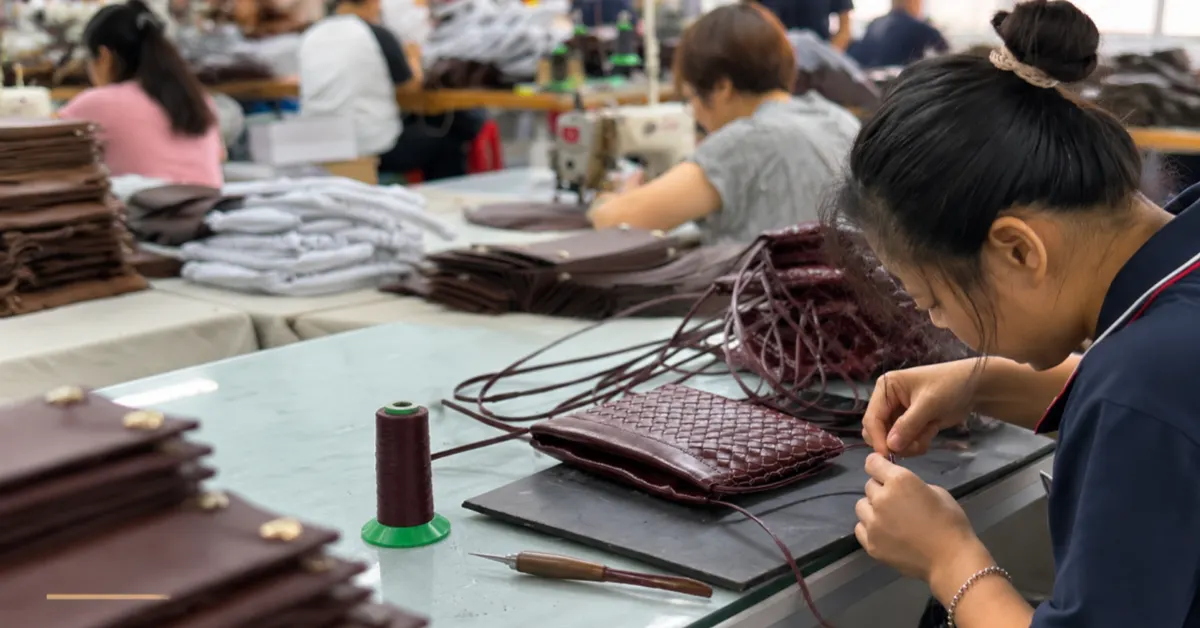
Choosing a custom handbag manufacturer in China requires looking beyond the lowest unit price. For premium brands, the real risks lie in structural engineering, leather batch consistency, and maintaining quality from the "golden sample" to bulk production. This guide outlines the 10 critical factors you must evaluate—from AQL quality control standards and realistic MOQs to custom hardware mold fees and IP protection—ensuring your supply chain becomes a strategic asset rather than a costly liability.
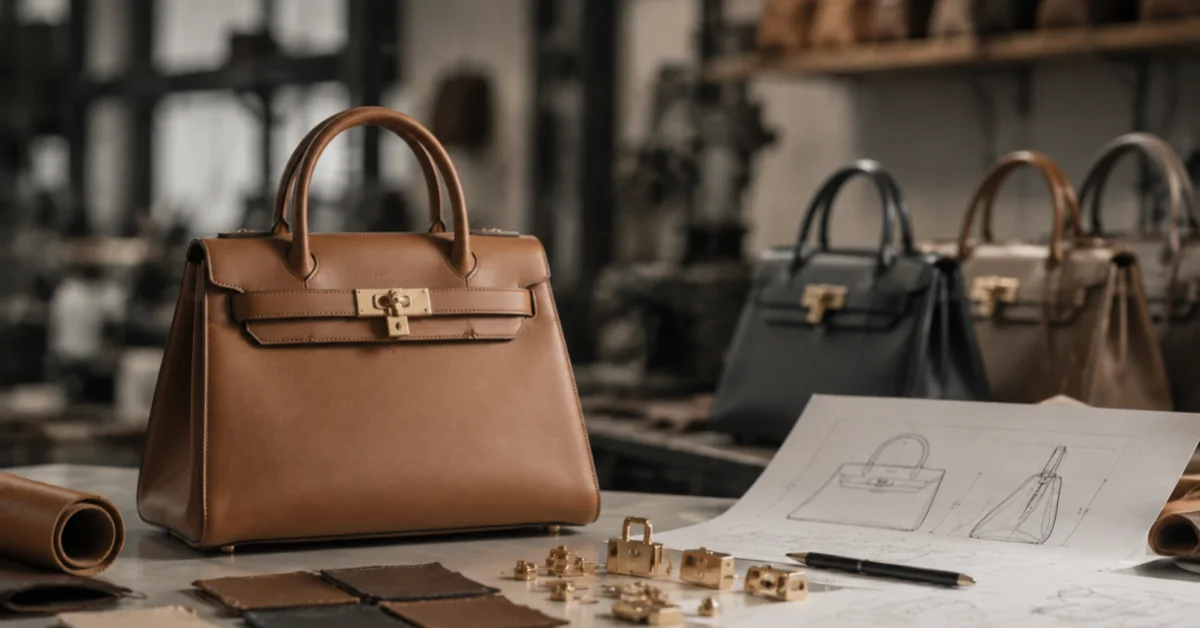
Learn how to tell when a handbag prototype is truly ready for production by evaluating proportion, materials, hardware, structure, usability, revisions, and manufacturing repeatability.
Home
About Us
Contact
Inquiry