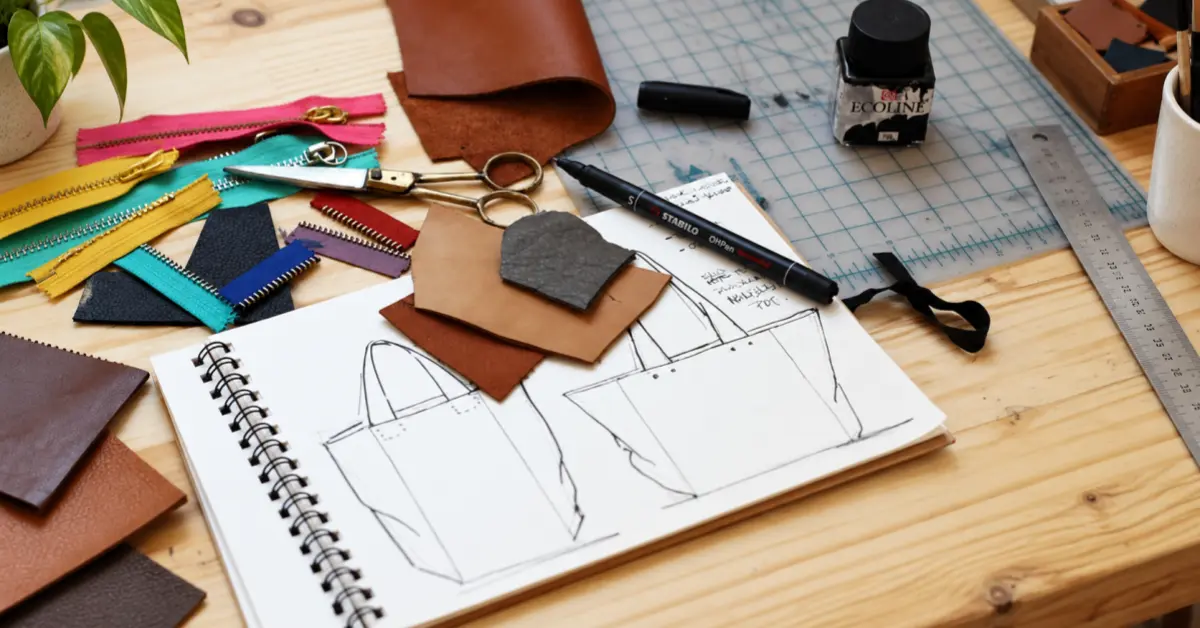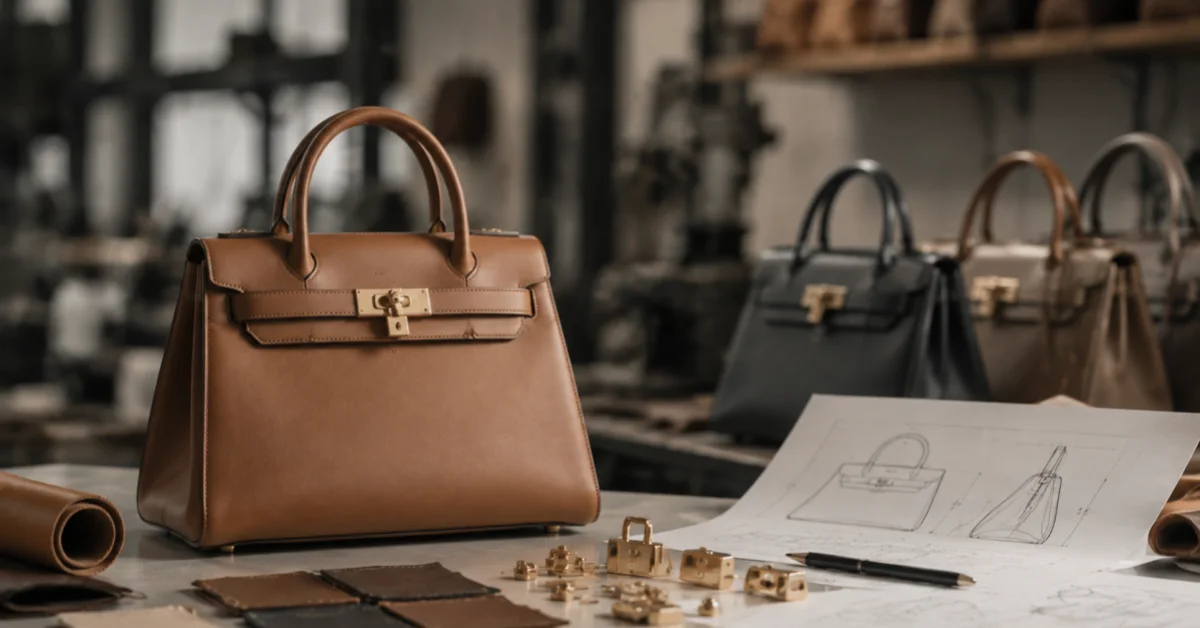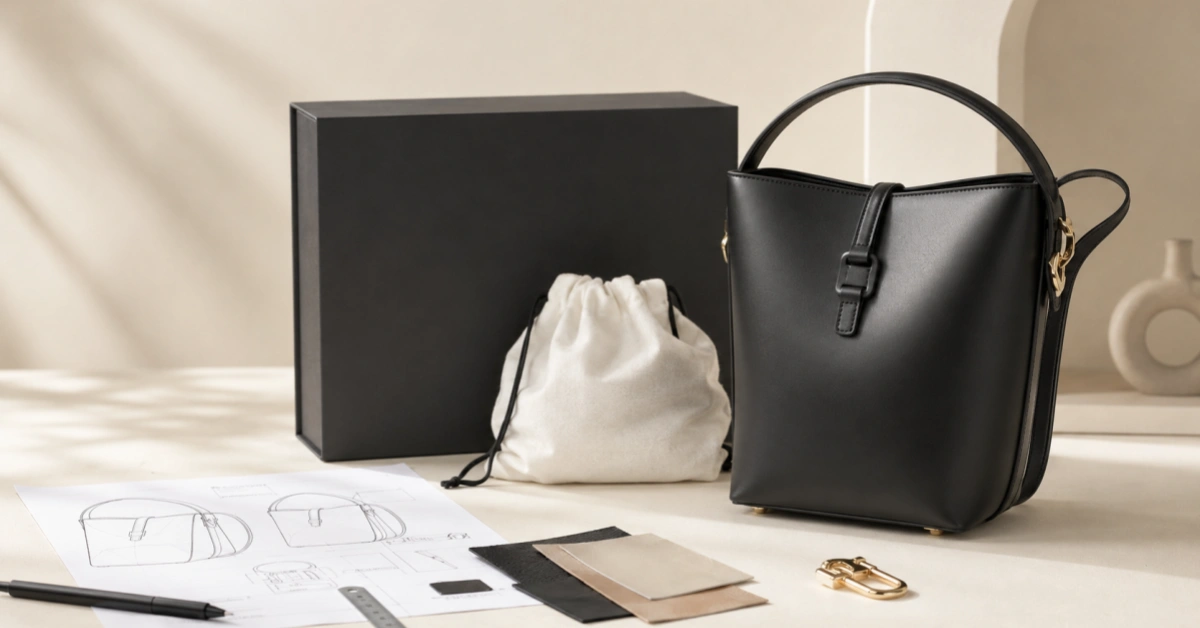

For fashion brands, one of the first questions before launching a handbag collection is: How much does it cost to manufacture a handbag?
There is no single factory price that applies to every handbag. A simple canvas tote may cost less than $10 to produce, while a structured genuine leather handbag with custom hardware may cost more than $100 at the factory level.
The final price depends on the material, bag structure, hardware, order quantity, production location, craftsmanship, packaging and development requirements.
This guide explains how handbag manufacturing costs are calculated and how brands can create a more realistic production budget before requesting a quotation from a handbag manufacturer.
Planning a handbag collection?
Send your product concept to BagsRain for a practical production and cost review.
What Is the Average Cost to Manufacture a Handbag?
The following figures are general factory-level planning references. They are not fixed quotations because each handbag design has different specifications.
| Handbag Type | Typical Materials | Approximate Factory Cost | Suitable For |
|---|---|---|---|
| Basic Fashion Handbag | PU leather, nylon or canvas | $8–$20 | Entry-level fashion collections and fast-fashion products |
| Mid-Range Leather Handbag | Genuine leather or premium vegan leather | $25–$80 | Boutique brands and regular retail collections |
| Structured Premium Handbag | Higher-grade leather, lining and reinforced construction | $60–$150+ | Premium fashion brands and private label collections |
| Luxury Handbag | Premium leather, custom hardware and complex finishing | $120–$500+ | Designer collections and luxury positioning |
These figures usually refer to the factory production cost. They may not include product development, sample revisions, custom hardware tooling, branded packaging, inspection fees, international shipping or import duties.
A handbag with a lower factory price does not always produce a lower total launch cost. Brands should evaluate the complete development and delivery budget.
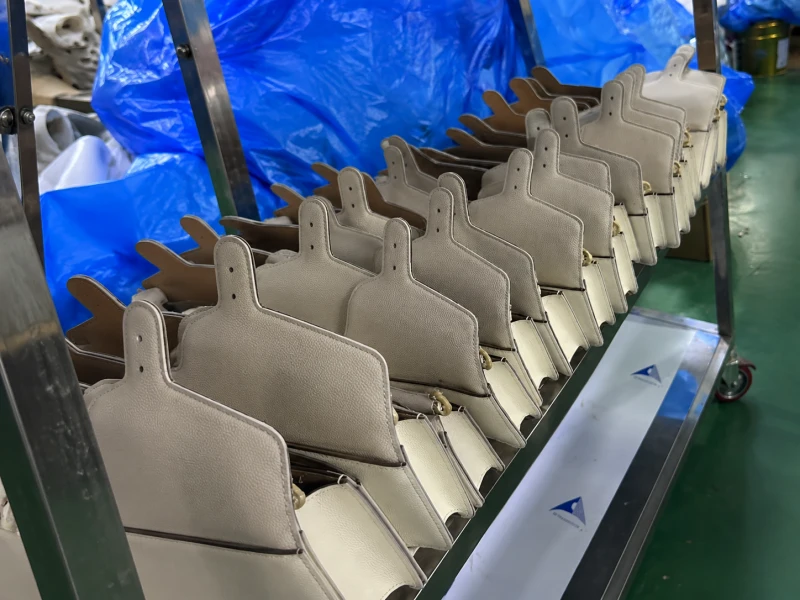
Factory Cost vs. Total Handbag Launch Cost
A handbag quotation normally represents only part of the total investment required to launch a product.
| Cost Stage | Typical Cost Items |
|---|---|
| Product Development | Pattern making, technical review, sample making and revisions |
| Production | Materials, labor, hardware, lining and assembly |
| Brand Preparation | Logos, labels, dust bags, boxes, hangtags and packaging |
| Delivery | Inspection, cartons, freight, customs duties and local delivery |
For example, a handbag may have a factory production price of $39 per unit, but the brand may also need to pay for a prototype sample, sample revisions, a custom logo mold, branded packaging, freight and customs.
Brands should not calculate their launch budget only by multiplying the factory price by the order quantity.
What Factors Affect Handbag Manufacturing Cost?
Material Selection
Materials are usually one of the largest parts of handbag manufacturing cost.
- PU leather
- Genuine leather
- Full-grain leather
- Top-grain leather
- Vegan leather
- Microfiber leather
- Canvas
- Nylon
- Suede
For many handbags, material costs represent approximately 30% to 50% of the total factory cost.
As a general reference, PU material may cost approximately $3–$8 per bag, while genuine leather may cost approximately $15–$40 per bag. Premium full-grain or vegetable-tanned leather may increase the material cost further.
Material pricing depends on leather grade, thickness, surface finish, color, hide utilization, order quantity, material availability and special treatment or certification requirements.
Brands should approve material swatches before bulk production to reduce unexpected color or texture differences.
Hardware and Accessories
Hardware can significantly affect the price of a handbag.
- Zippers
- Buckles
- Chains
- Magnetic closures
- Logo plates
- Turn locks
- Decorative metal parts
- Strap adjusters
- Protective feet
Standard hardware may cost approximately $1–$5 per bag, depending on the design and finish.
Custom hardware usually creates additional costs, including mold development, engineering adjustments, plating, color matching and testing. Custom metal molds may cost approximately $200–$1,000 or more, depending on the shape, size and production requirements.
A highly customized metal component should be planned together with the expected order quantity. It may not be commercially efficient for a very small first order.
Labor and Craftsmanship
Labor costs depend on the country, production system, design complexity and required finishing quality.
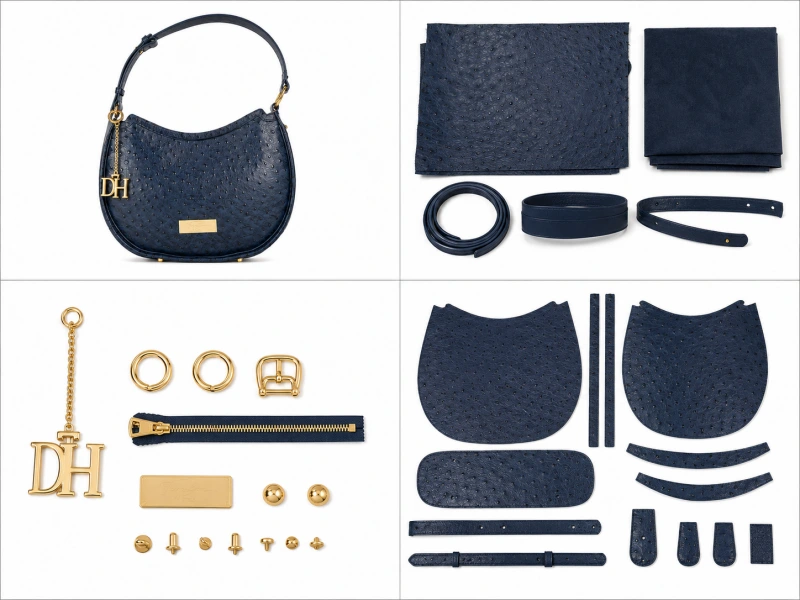
A structured handbag may require material cutting, skiving, reinforcement, edge preparation, edge painting, lining assembly, pocket construction, hardware installation, precision stitching, final shaping and quality inspection.
Handbags produced in traditional leather manufacturing regions such as Italy may involve higher labor costs. Manufacturing hubs such as China can combine skilled production teams with larger supply chains and scalable production systems.
Bag Structure and Construction
The shape of a handbag has a direct effect on its production cost.
A soft flat pouch usually requires fewer components than a structured handbag with internal reinforcement, foam padding, multiple compartments, structured base panels, metal frames or special closures.
Large bags may also require stronger handles and reinforced attachment points because they are designed to carry heavier items.
Order Quantity and MOQ
Production quantity has a major impact on unit cost. A factory must prepare patterns, materials, production lines, hardware and packaging even when the order quantity is small.
| Order Quantity | Typical Cost Effect |
|---|---|
| 50 bags | Higher cost per unit |
| 100 bags | More balanced for initial validation |
| 300 bags | Better production efficiency |
| 500+ bags | More favorable unit-cost distribution |
A lower MOQ can reduce inventory risk, but it may increase the price per unit because development and setup expenses are distributed across fewer products.
Does Manufacturing Location Change the Cost?
Italy
Italy is known for luxury craftsmanship and traditional leather production. Factory prices are generally higher, particularly for highly manual or small-batch production.
Portugal and Spain
Portugal and Spain offer premium European manufacturing and may provide different cost levels depending on the product type, material and production scale.
China
China is one of the largest handbag manufacturing hubs. It offers extensive material and hardware supply chains, flexible production options and scalable OEM and private label manufacturing.
Turkey
Turkey is widely used for leather goods and can be attractive for brands that prioritize access to European markets and regional production.
The best manufacturing location depends on the target price, required quantity, quality positioning, delivery market, compliance requirements and expected production scale.
Typical Handbag Manufacturing Cost Breakdown
| Cost Component | Estimated Share | Included Items |
|---|---|---|
| Materials | 30%–50% | Leather, fabric, lining and reinforcement |
| Labor | 20%–30% | Cutting, sewing, assembly and finishing |
| Hardware | 10%–20% | Zippers, buckles, chains and metal logos |
| Packaging | 5%–10% | Dust bags, boxes, labels and tissue paper |
| Factory Overhead and QC | 5%–10% | Equipment, management and inspections |
The exact percentage changes according to the bag’s structure, material and production quantity.
Example: Cost Breakdown of a Leather Handbag
| Component | Estimated Cost |
|---|---|
| Leather Material | $18 |
| Hardware | $6 |
| Labor and Assembly | $10 |
| Packaging | $3 |
| Quality Control | $2 |
| Estimated Factory Cost | $39 |
This is an illustrative factory-level example. The final quotation may change according to leather grade, bag dimensions, order quantity, hardware finish, packaging requirements and production location.
Additional Costs Brands Should Include
Many first-time brands focus only on the production price and overlook development or delivery expenses.
- Prototype samples
- Sample revisions
- Pattern development
- Custom hardware molds
- Logo stamping plates
- Packaging design
- Quality inspection
- Product testing
- International shipping
- Import duties
- Local transportation
Prototype samples may cost approximately $100–$300 or more, depending on the complexity of the design.
Before approving development, brands should confirm tooling cost, ownership, mold storage, reuse terms and reorder requirements.
How Can Brands Reduce Handbag Manufacturing Costs?
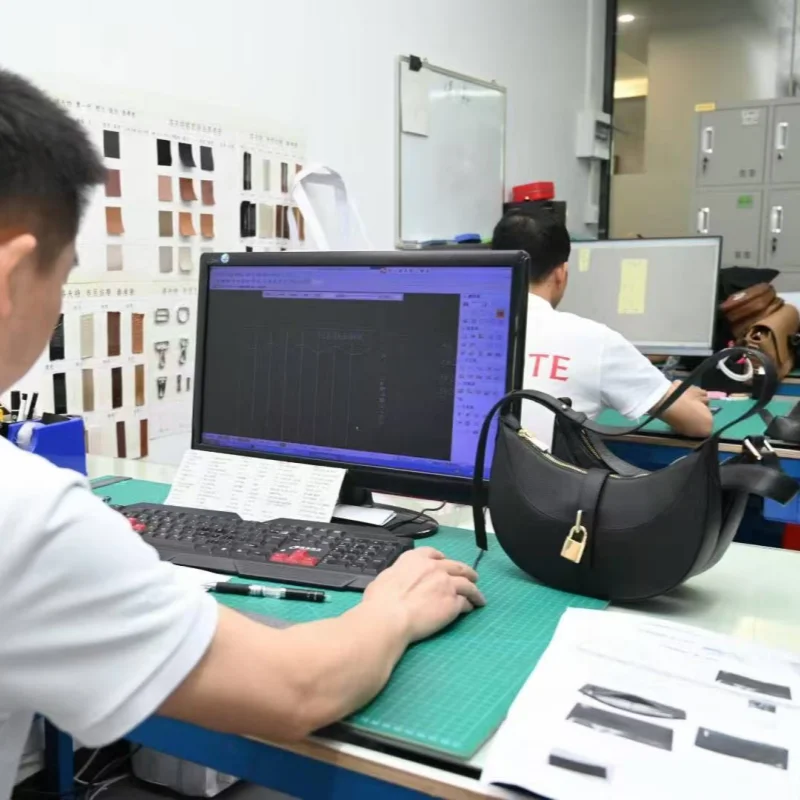
Reducing cost does not always mean choosing cheaper materials. Better product planning can reduce unnecessary expenses without damaging the product’s appearance.
- Simplify unnecessary hardware: Reduce decorative components that add tooling and assembly costs.
- Optimize the structure: Review reinforcement, construction methods and pocket layouts.
- Select scalable materials: Choose materials with stable availability and consistent quality.
- Plan the MOQ carefully: Balance unit cost with inventory risk.
- Confirm packaging early: Avoid late packaging changes and extra sampling.
- Finalize specifications before bulk production: Late changes can cause delays and rework.
How to Compare Handbag Manufacturer Quotations
Two quotations may look very different even when they appear to describe the same handbag.
Before comparing prices, confirm whether each quotation includes the same:
- Material grade and thickness
- Lining
- Hardware finish
- Logo method
- Packaging
- Order quantity
- Sample standard
- Delivery terms
- Inspection requirements
A lower quotation may exclude important components or use a different material specification. The most useful comparison is not simply which factory offers the lowest price, but which quotation provides the clearest product specification and the most reliable total cost.
Learn more about BagsRain custom bag manufacturing services.
How Do Brands Work With a Handbag Manufacturer?
- Design review: The brand provides sketches, images, a Tech Pack or physical reference sample.
- Material and hardware selection: Leather, fabric, lining, zippers, closures, logos and packaging are confirmed.
- Pattern and sample development: The manufacturer develops patterns and produces a prototype.
- Sample revisions: The brand checks dimensions, structure, comfort, color, stitching, hardware and logo placement.
- Final sample approval: The approved sample becomes the physical reference for bulk production.
- Bulk production: The factory orders materials, cuts components, assembles the bags and performs inspections.
- Final inspection and shipment: Finished bags are checked against the approved sample before packing and shipping.
BagsRain supports brands through custom bag development, material sourcing, sampling, private label packaging, quality control and bulk production. Learn more about private label bag manufacturing.
Frequently Asked Questions
What is the cheapest material for manufacturing handbags?
PU leather and canvas are generally among the more affordable materials. Nylon may also be suitable for selected lightweight designs.
Why are genuine leather handbags more expensive?
Genuine leather usually costs more because of material grading, hide selection, processing, cutting requirements and quality inspection.
How much does a basic handbag cost to manufacture?
A basic fashion handbag may cost approximately $8–$20 at the factory level, depending on materials, size, construction and order quantity.
How much does a leather handbag cost to manufacture?
A mid-range leather handbag may cost approximately $25–$80. Structured or luxury handbags may cost significantly more because of leather quality, hardware and finishing requirements.
Does MOQ affect handbag pricing?
Yes. Lower MOQs usually result in higher per-unit pricing because development, setup, material preparation and quality control expenses are distributed across fewer units.
What is included in handbag sample costs?
Sample costs may include pattern making, material sourcing, labor, construction testing, revisions and development adjustments. Prototype samples may cost approximately $100–$300 or more.
How long does it take to manufacture a handbag?
Sampling may require approximately 20–30 days, while bulk production may take approximately 30–45 days after sample approval. Complex structures, custom hardware and material availability can affect the schedule.
How can brands reduce handbag manufacturing costs?
Brands can control costs through material planning, simpler structures, efficient hardware selection, balanced MOQs, approved packaging and clear specifications before bulk production.
Conclusion
The cost to manufacture a handbag depends on much more than the visible appearance of the product.
The main cost variables include materials, hardware, bag structure, labor, MOQ, branding, packaging, sampling, shipping and production location.
Basic fashion handbags may cost less than $20 at the factory level, while premium leather handbags can cost more than $100 or significantly more depending on their construction.
The most reliable way to receive an accurate quotation is to provide clear product information, including reference images, dimensions, material preferences, order quantity, logo requirements and packaging expectations.
BagsRain helps fashion brands develop custom and private label handbags through material sourcing, product development, sampling, packaging, quality control and scalable production.
Ready to estimate your handbag project?
Share your design, target quantity and material direction with the BagsRain development team.