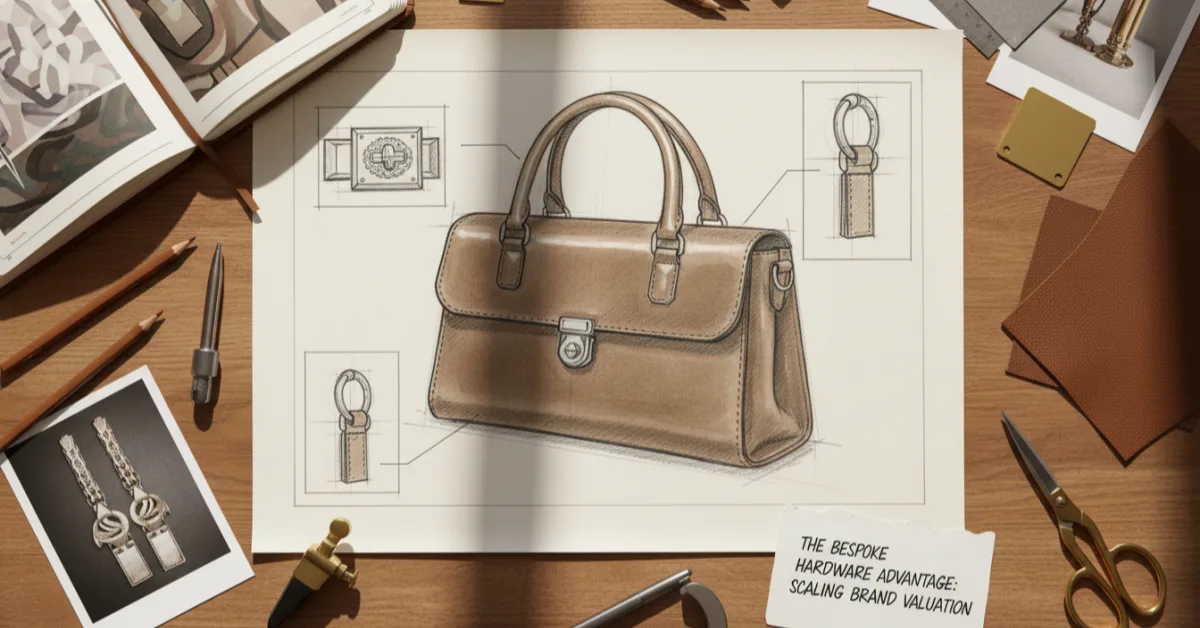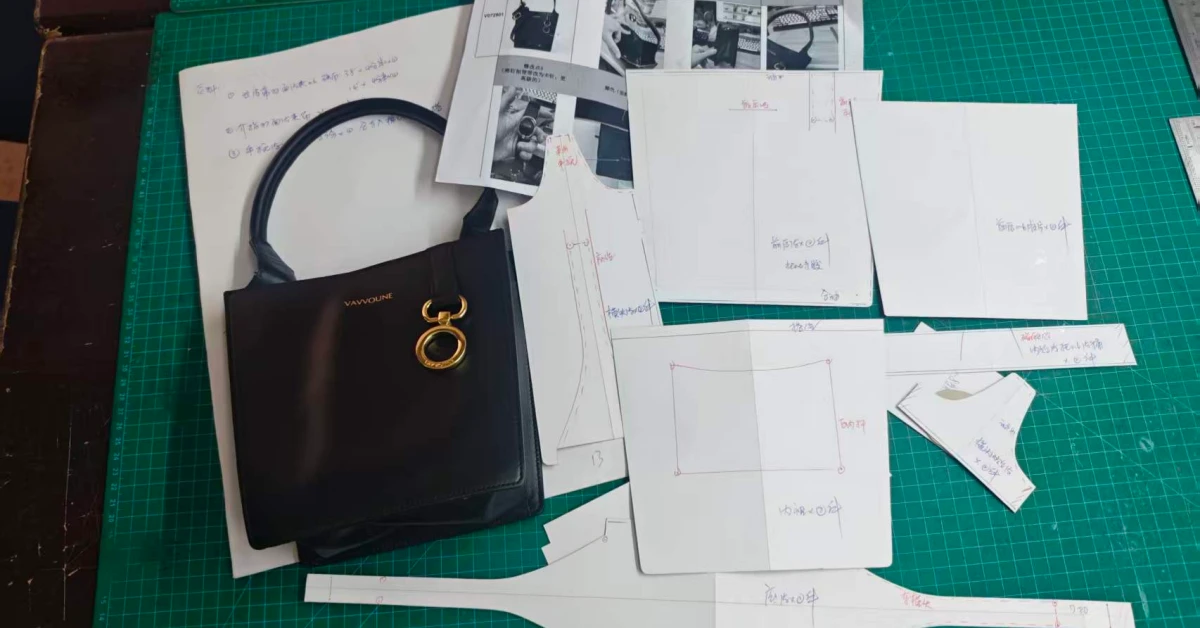

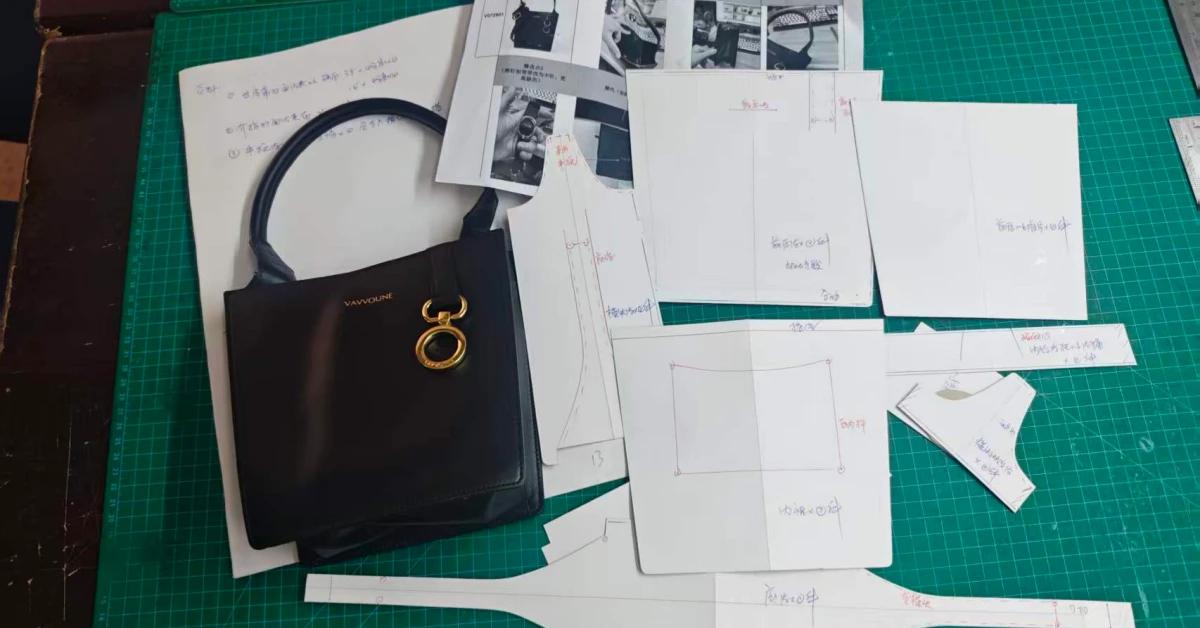
When brands compare a handbag factory vs trading company in China, the most important question is not simply “Which one is better?” The better question is: which sourcing model gives your project the level of control, technical support, transparency, and scalability it actually needs?
China’s bag supply chain includes direct manufacturers, trading companies, sourcing agents, design studios, and hybrid businesses that combine manufacturing with external supplier networks. Each model can work. Problems usually appear when the buyer assumes one model but is actually working with another.
For a fashion brand developing custom leather handbags, totes, travel bags, wallets, or small leather goods, knowing who controls the sample room, production line, material purchasing, quality inspection, and final shipment is essential before a deposit is paid.
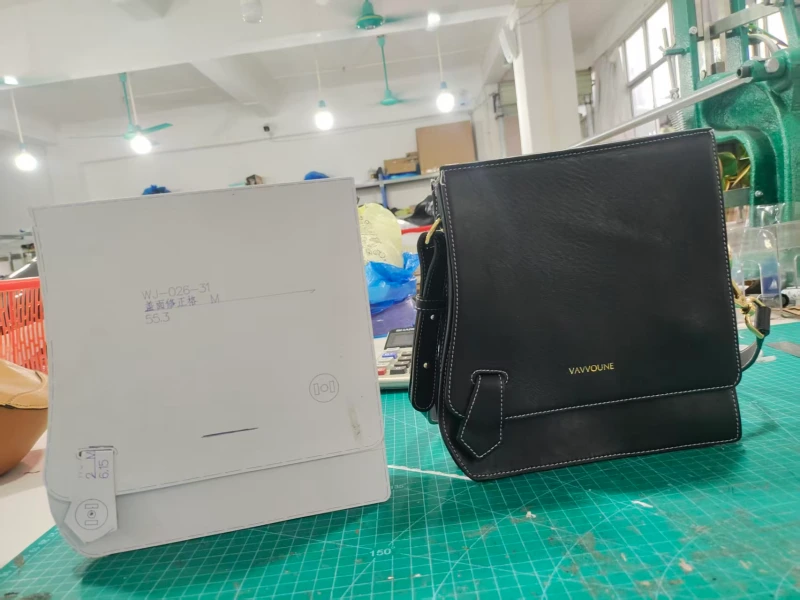
Handbag Factory vs Trading Company in China: The Core Difference
A direct handbag factory normally owns or directly manages core production resources such as pattern development, cutting, stitching, edge painting, assembly, finishing, and quality control. A trading company typically manages orders and communication while production is completed by one or more partner factories.
The distinction becomes less obvious with hybrid suppliers. Some companies operate an in-house development team and sample room but outsource part of bulk production. Others own one facility but use specialist partners for metal hardware, printing, embroidery, plating, packaging, or specific bag categories.
Outsourcing itself is not automatically a problem. The real SEO and procurement question is whether the supplier clearly discloses what it controls, what it subcontracts, and how it maintains quality across those steps.
When Working Directly with a Handbag Factory Can Be an Advantage
A direct bag manufacturer is often more suitable when your project requires original construction, repeated sample revisions, custom hardware, specialty leather, tight color control, or a long-term production program. Direct access to technical staff can shorten the feedback loop between design and manufacturing.
- Faster technical feedback on pattern structure, reinforcement, stitching, and material behavior.
- Clearer visibility into line capacity, production scheduling, and quality-control responsibility.
- Better continuity between sample approval and bulk production when the same technical team manages both stages.
- More direct discussion of tooling, material minimums, hardware development, and process limitations.
- Easier factory audits and production inspections when core operations are concentrated in one facility.
When a Trading Company Can Still Be the Right Choice
A trading company can add value when a collection spans multiple product categories or production technologies that one factory cannot efficiently handle. An experienced trading partner may coordinate several specialist factories, consolidate shipments, manage bilingual communication, and reduce the buyer’s sourcing workload.
This can be useful for buyers who prioritize assortment breadth and procurement coordination over direct factory control. The risk appears when the trading company presents itself as the manufacturer but cannot explain where production happens, how quality is controlled, or who owns responsibility when something goes wrong.
How to Verify Whether a Supplier Is a Real Handbag Factory
Ask who owns the sample room
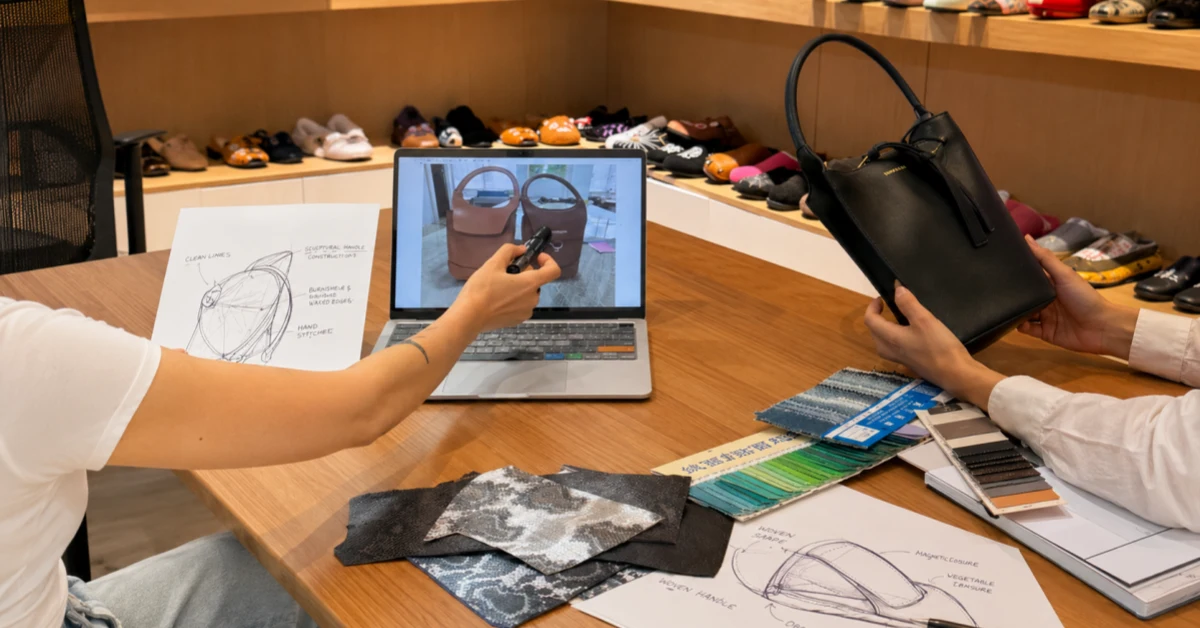
Custom bag development is one of the fastest ways to understand a supplier’s real capability. Ask where patterns are made, who constructs the first sample, and whether you can speak with the technical team responsible for revisions. A supplier that cannot explain the development workflow may be acting mainly as an intermediary.
Request a live factory video walkthrough
A prepared promotional video is useful for branding, but it does not prove current production capability. Ask for a real-time video showing the sample room, cutting area, sewing lines, edge-painting stations, assembly, finishing, quality inspection, warehouse, and current production floor.
Check whether quotations explain the production logic
A direct manufacturer should be able to discuss why a certain leather, lining, hardware specification, construction detail, or packaging requirement changes the cost. A quote that contains only a unit price with no technical explanation gives the buyer little visibility into how that price was built.
Ask what is subcontracted
Most handbag factories purchase some components externally. Metal casting, electroplating, zippers, branded dust bags, boxes, printed fabrics, and specialist treatments are commonly sourced from dedicated suppliers. Ask which processes are in-house and which are outsourced, then ask how external suppliers are approved and inspected.
Verify production capacity with evidence
Do not rely only on a claimed monthly capacity figure. Ask which bag categories the factory produces most often, how many sewing lines are available, how peak seasons affect lead time, and whether your order will remain in the same facility from pilot production through bulk.
Questions Buyers Should Ask Before Choosing a Handbag Supplier in China
- Who owns the production facility and sample room?
- Which processes are completed in-house?
- Which processes or components are subcontracted?
- Who purchases leather, lining, hardware, and packaging materials?
- Who approves the pre-production sample?
- Who performs inline and final quality inspections?
- Can the buyer or a third party inspect production?
- How are defects, rework, delays, and material shortages handled?
- Will the same factory produce repeat orders?
- Can the supplier sign an NDA or product-development agreement when required?
Do Not Choose Based on “Factory” or “Trading Company” Alone
The best sourcing decision depends on the product. A simple stock-shape tote with standard materials may not require the same manufacturing infrastructure as a structured leather handbag with custom molded hardware, multiple edge-paint layers, reinforced panels, and strict sample-to-bulk consistency.
For high-development projects, buyers usually benefit from stronger technical access and greater production transparency. For broad multi-category sourcing, a well-managed trading company may provide efficient coordination. The important point is to understand the real operating model before comparing price, MOQ, lead time, and quality claims.
A Practical Decision Framework for Fashion Brands
Before selecting a handbag supplier China buyers should evaluate five areas together: development capability, production ownership, quality-control system, supply-chain transparency, and commercial fit. If a supplier performs strongly in all five areas, the legal label attached to the business matters less than the operational evidence.
Use this article as a verification layer before moving to a broader manufacturer-selection process. For a complete evaluation framework covering sampling, MOQ, materials, hardware, compliance, quality control, and bulk production, continue with the Bagsrain guide to choosing a premium handbag manufacturer in China.
Review the full China manufacturer selection guide, then send Bagsrain your sketches, reference images, tech pack, target materials, expected order quantity, and launch timeline for a technical project review.