
In the global fashion accessories market, bags are far more than functional items. For brands, retailers, and sourcing professionals, a bag represents a combination of brand positioning, consumer lifestyle insight, manufacturing capability, and cost strategy. The right bag category can strengthen brand identity, while the wrong one can limit scalability or market reach.
Among all bag types, clutch bags and handbags remain two of the most strategically important—and fundamentally different—categories. Although they are often grouped together at the retail level, they follow very different design logics, usage patterns, production requirements, and commercial roles within a brand’s product line.
Clutch bags emphasize elegance, minimalism, and occasion-driven consumption. Handbags, by contrast, focus on practicality, durability, and everyday usability. Understanding the difference between these two categories is essential not only for end consumers but also for brands, designers, and sourcing professionals planning a balanced and profitable collection.
In this article, XINZIRAIN breaks down the key differences between clutch bags and handbags from a manufacturer’s perspective. We explore their history, use cases, sizing logic, production processes, and commercial value—helping you make informed decisions when developing or sourcing your next bag line.
What Is a Clutch Bag?
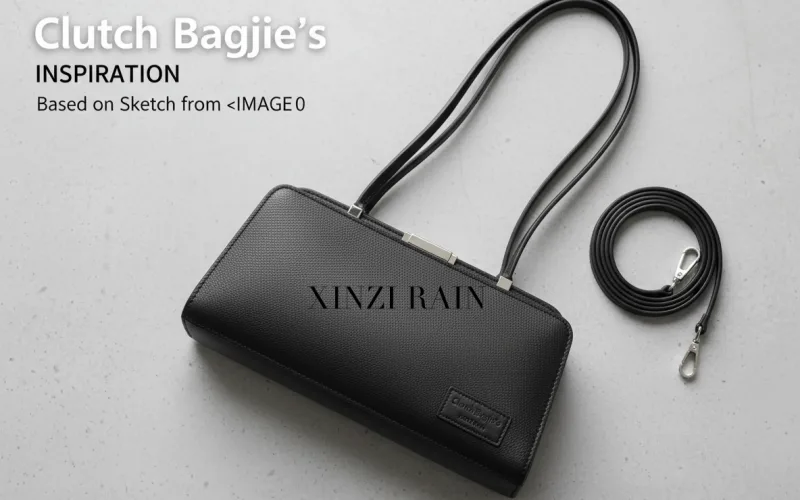
The clutch bag is one of the earliest forms of personal carry accessories. Historically, early clutches were small pouches used to hold coins or valuables. The modern clutch emerged during the 1920s Art Deco movement, when women embraced independence, social mobility, and refined evening fashion.
From that point on, the clutch became a symbol of elegance, restraint, and occasion dressing—a product designed to complement an outfit rather than replace functionality-driven bags.
Uses and Occasions
Clutch bags are designed for minimal carry. They typically hold only essential items such as a phone, cards, keys, or cosmetics. As a result, they are most commonly associated with formal or semi-formal occasions, including:
• Evening events and galas
• Weddings and cocktail parties
• Luxury brand activations
• High-end retail or hospitality environments
For fashion brands, clutches often serve as image-building products. They help elevate brand perception, communicate design sophistication, and reinforce a premium positioning—especially in seasonal or limited collections.
Typical Sizes
Most clutch bags range between 15–30 cm in width and feature a slim profile. They are intended to be handheld or tucked under the arm, prioritizing clean lines, symmetry, and surface detailing over internal capacity.
Historical Evolution
Clutch bag design has evolved alongside fashion culture. In the 1950s, structured satin and leather clutches became icons of Hollywood glamour. In the 1980s, oversized statement clutches reflected bolder aesthetics. Today, modern clutches balance classic silhouettes with contemporary materials, hardware, and craftsmanship, making them relevant for both heritage and emerging brands.
What Is a Handbag?
Handbags are rooted in utility. In medieval Europe, both men and women carried small pouches, but the modern handbag took shape in the 19th century, driven by urbanization, railway travel, and the growing need to carry personal belongings securely.
As lifestyles became more complex, handbags evolved into multi-functional daily tools. Over time, they became indispensable fashion products that merge practicality with design.
Uses and Occasions
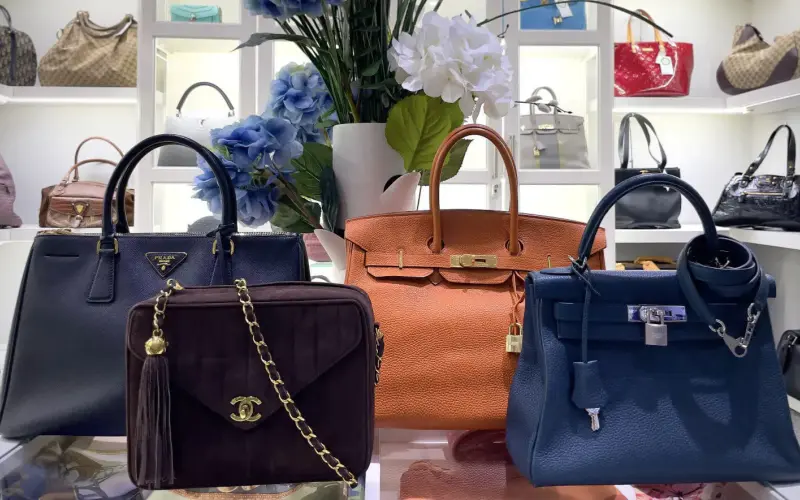
Unlike clutches, handbags are designed for everyday use. They accommodate a wide range of personal and professional items, such as:
• Wallets and cosmetics
• Documents and notebooks
• Tablets or small laptops
• Daily essentials for work or travel
Handbags are suitable for work environments, commuting, shopping, travel, and casual settings, making them the backbone of most accessories collections.
Handbag Size Guide
| Size Category | Approx. Dimensions | Common Use |
|---|---|---|
| Small Handbags | 20–25 cm | Casual use, light carry |
| Medium Handbags | 25–35 cm | Daily work and lifestyle |
| Large Handbags / Totes | 35–45 cm+ | Laptops, documents, long days |
Historical Evolution
Throughout the 20th century, handbags reflected social and economic change. Wartime periods emphasized function and durability, while later decades saw handbags become symbols of professional identity and independence. Today, successful handbag designs prioritize structure, comfort, organization, and durability—without sacrificing aesthetics.
How Are Clutch Bags and Handbags Manufactured?
Although both are bags, clutch bags and handbags require very different development and production approaches.
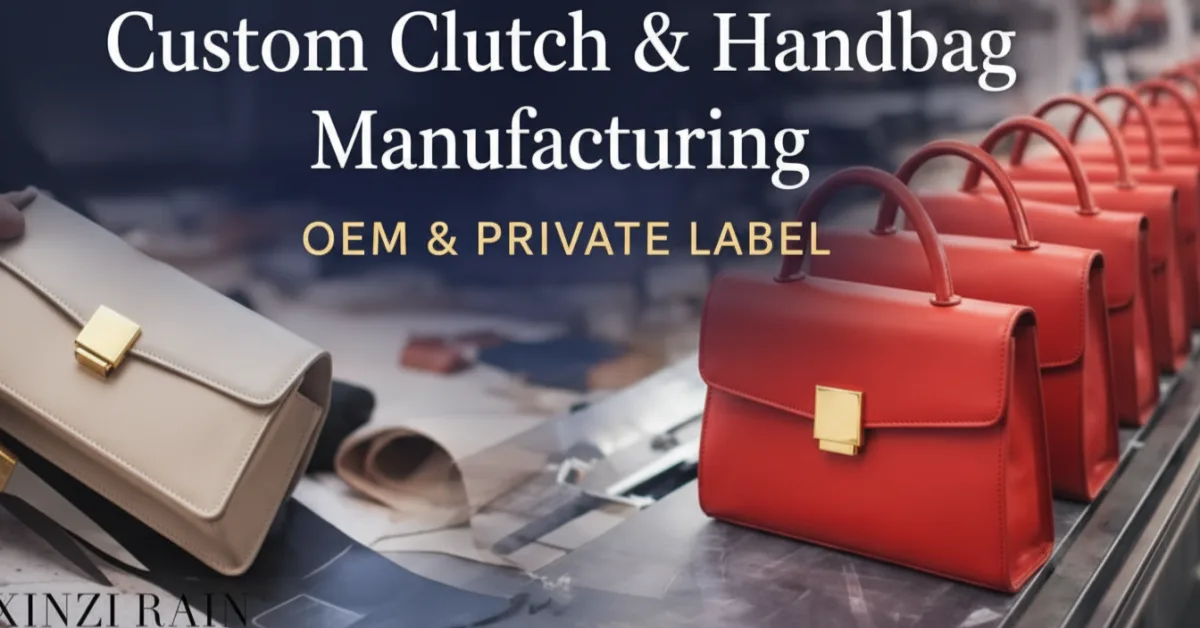
Clutch Bag Manufacturing
Clutch development begins with a strong emphasis on form and visual impact.
• Design focuses on silhouette, proportion, and surface detailing
• Materials often include calfskin, satin, vegan leather, or metallic finishes
• Stitching, edge painting, and symmetry require high precision
• Decorative elements such as embroidery, beads, or metal accents are common
• A higher level of hand-finishing is typically required
Clutches are often produced in smaller runs, making craftsmanship consistency and quality control especially important.
Handbag Manufacturing
Handbags prioritize durability and long-term performance.
• Material selection focuses on strength, flexibility, and wear resistance
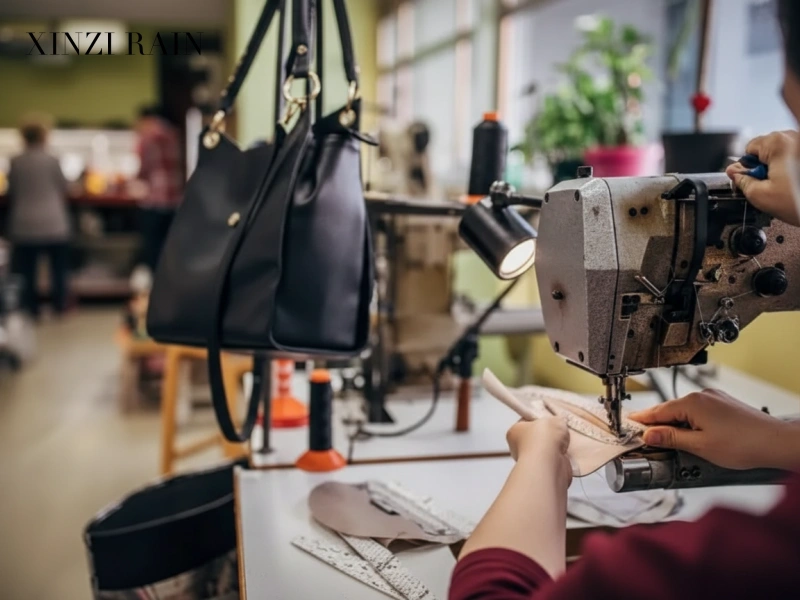
• Production includes cutting, skiving, assembly, lining, reinforcement, and hardware installation
• Handles, straps, and closures undergo stress testing
• Ergonomics and weight balance are critical for user comfort
From an OEM/ODM perspective, handbags require more extensive sampling, testing, and quality assurance to ensure consistent performance in daily use.
Key Differences Between Clutch Bags and Handbags
| Dimension | Clutch Bag | Handbag |
|---|---|---|
| Size | Compact (15–30 cm) | Small to large (20–45 cm+) |
| Capacity | Essentials only | Daily and professional items |
| Structure | Slim, usually strapless | Handles, straps, compartments |
| Primary Role | Style and statement | Function and daily utility |
| Usage Frequency | Occasional | Daily or regular |
| Design Priority | Elegance and detail | Durability and comfort |
Why Brands Should Invest in Both Categories
For fashion brands and buyers, investing in both clutch bags and handbags is a strategic portfolio decision.
Commercial Value
Handbags generate stable, repeat demand due to daily use and replacement cycles. They are core revenue drivers for most brands.
Clutch bags, while used less frequently, often carry higher margins—especially in limited editions, evening collections, or seasonal launches.
Brand Positioning
Handbags establish reliability, functionality, and lifestyle relevance.
Clutches enhance brand image, fashion credibility, and emotional appeal.
Consumer Behavior
A handbag becomes a daily companion.
A clutch becomes part of memorable moments.
Together, they address both practical needs and emotional purchasing triggers, strengthening brand loyalty across use scenarios.
Care & Longevity Considerations
Proper care extends product lifespan and preserves brand value.
• Store bags in dust covers and away from direct sunlight
• Maintain shape by filling bags when not in use
• Clean gently with soft cloths and material-appropriate cleaners
• Rotate usage to reduce wear and tear
• Regularly maintain hardware such as zippers and buckles
Conclusion
Clutch bags and handbags serve different purposes—but both are essential in a well-rounded accessories collection. Clutches elevate style and occasion dressing, while handbags deliver everyday reliability and function.
For brands, designers, and sourcing professionals, understanding these differences is critical to product planning, cost control, and market positioning. When designed and manufactured correctly, both categories offer long-term commercial, emotional, and brand value.
XINZIRAIN is an OEM/ODM bag and footwear manufacturer based in China, offering in-house production, flexible MOQs, and 30–45 day lead times for both sampling and bulk orders. We support brands with design consultation, material sourcing, compliance standards, and global logistics—helping you build collections that perform in real markets.
If you’re planning your next clutch or handbag line,
Send us your tech pack or design idea, and let’s build it together.