

01 · DESIGN GAP
Design Intent Can Get Lost in Translation
A sketch shows the concept, but the sample still depends on decisions about proportion, reinforcement, lining, closures, edge finishing, and hardware attachment.
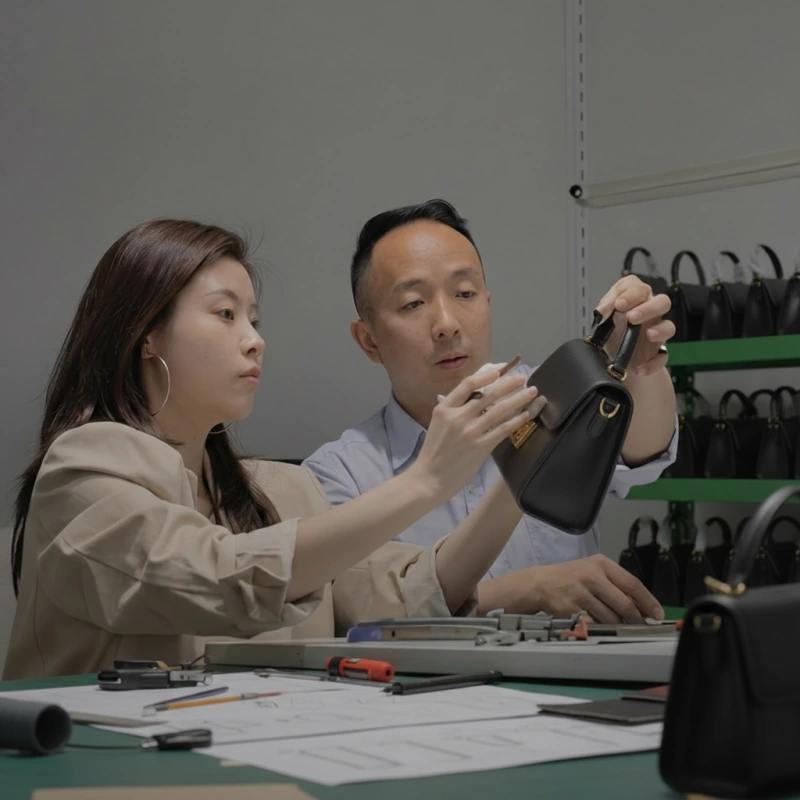
Turn a sketch, reference bag, or early tech pack into a production-ready handbag sample with visible decisions at every step. Bagsrain documents materials, construction, hardware, branding, revisions, approvals, and production risks before bulk manufacturing.
A first sample can look right and still leave critical questions open: Which material specification is final? Which reinforcement was approved? Is the hardware finish locked? Did the logo position change? Which dimensions are fixed, and which are still under review?
Bagsrain treats sample development as a decision-control stage. We turn scattered messages, sketches, references, and preferences into one clear development standard that both your brand team and our technical team can follow.
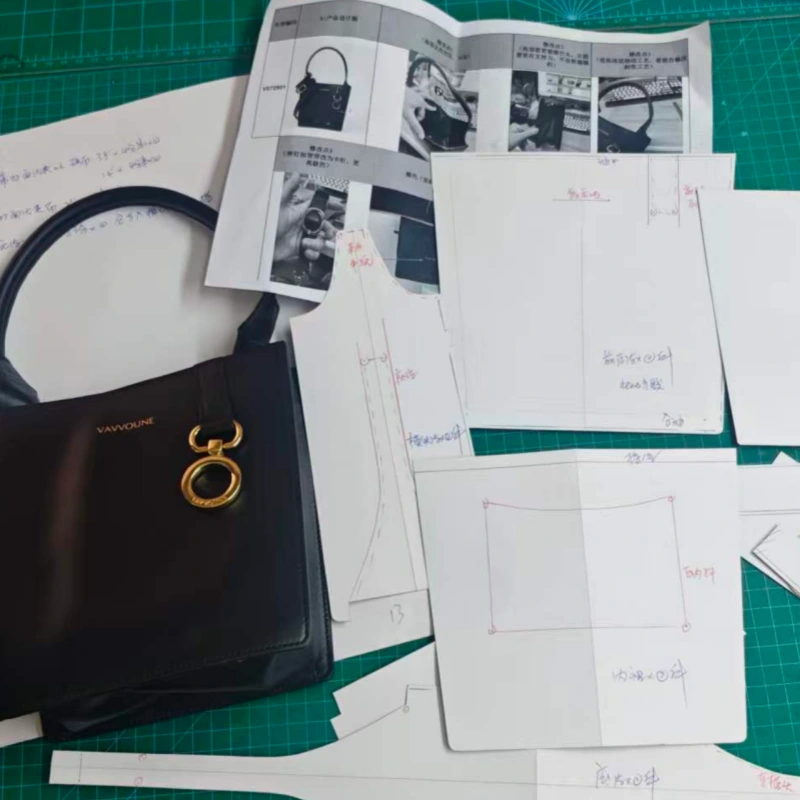
A sketch shows the concept, but the sample still depends on decisions about proportion, reinforcement, lining, closures, edge finishing, and hardware attachment.
When feedback is spread across chats, calls, and images, it becomes easy to lose the latest decision and repeat the same correction twice.
The approved sample also needs to be repeatable. Materials, measurements, hardware, construction, and workmanship standards must be clear enough for bulk production and future reorders.
At this stage, the real question is no longer simply “Can you make this bag?” You need to know whether the sample matches the design, whether the materials behave as expected, whether feedback is controlled, and whether the approved sample can become a reliable commercial product.
We compare silhouette, proportions, handle drop, structure, hardware scale, logo placement, interior layout, and finishing against the approved design direction—not just whether the bag looks similar.
A swatch cannot show how a material will behave after folding, stitching, reinforcement, edge painting, and hardware installation. We evaluate the material on the finished sample and flag mismatches early.
Each important change should be traceable. We separate approved items, pending decisions, and revision requests so the next sample is built from one controlled standard rather than scattered chat history.
A strong sample is not one that looks good only after heavy manual correction. It should use materials, construction, hardware, and workmanship that can be repeated consistently in commercial production.
Our goal is high design fidelity within manufacturable tolerances—not a promise of pixel-perfect duplication. If a reference image, AI rendering, or concept includes proportions, hardware, or structures that cannot be reproduced reliably, we identify the issue early and propose a practical alternative for approval.
Transparent sample development means the project is not managed by memory. We separate what is approved, what still needs your confirmation, and what requires a technical solution.
Dimensions, chosen materials, lining direction, hardware finish, branding placement, construction details and packaging items that are already locked.
Color swatches, hardware dimensions, logo execution, strap length, interior layout, packaging or other variables that should not be guessed by the factory.
Potential deformation, stress points, material behavior, hardware fit, reinforcement, balance or repeatability issues identified before approval.
Each step is designed to reduce ambiguity, control revisions, and move the project toward an approved sample that can support bulk production.
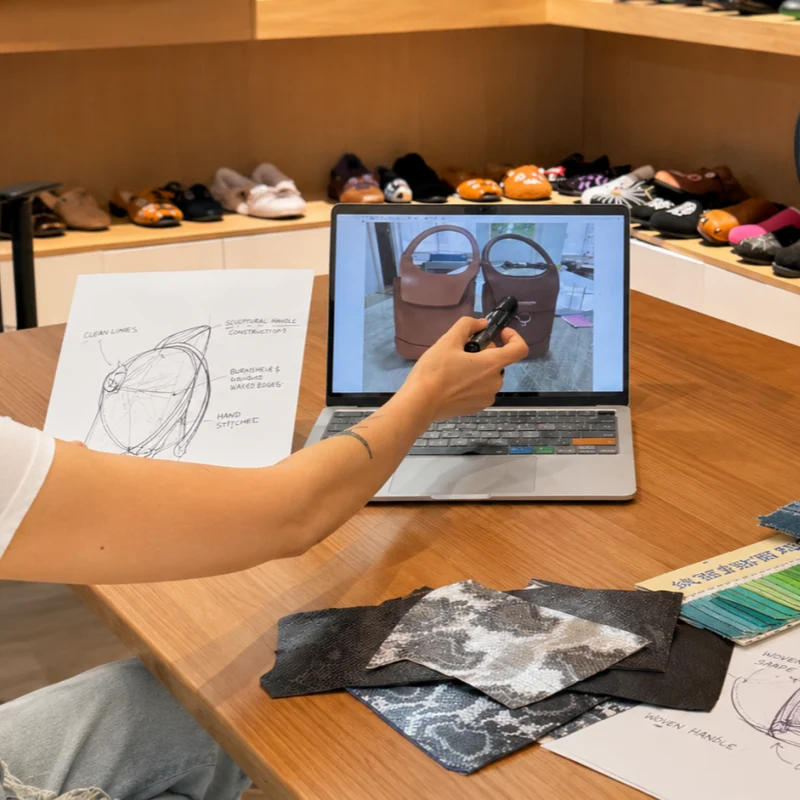
We organize your references, requirements, and open questions into one development brief before sample making begins.
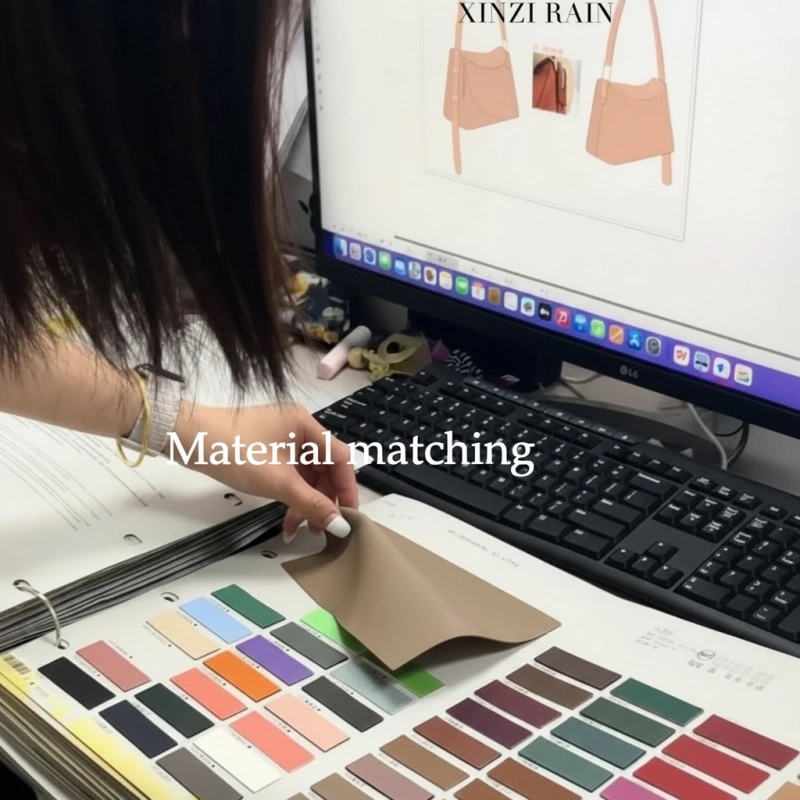
We review materials, hardware, branded components, and packaging together so the sample reflects both the design intent and the expected product quality.
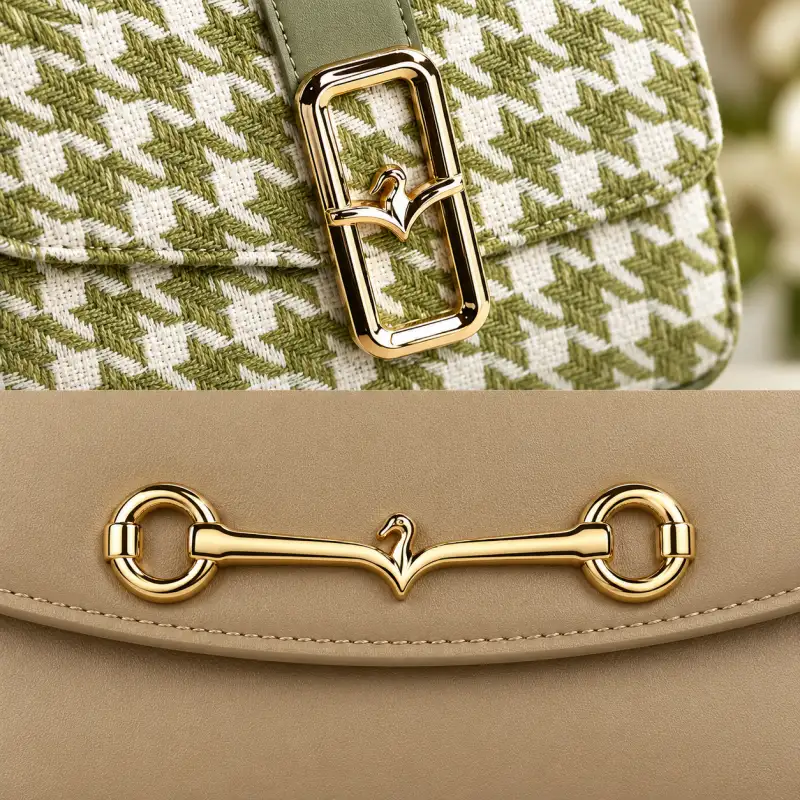
We compare the prototype with the approved direction and focus on details that may affect appearance, function, durability, and production consistency.
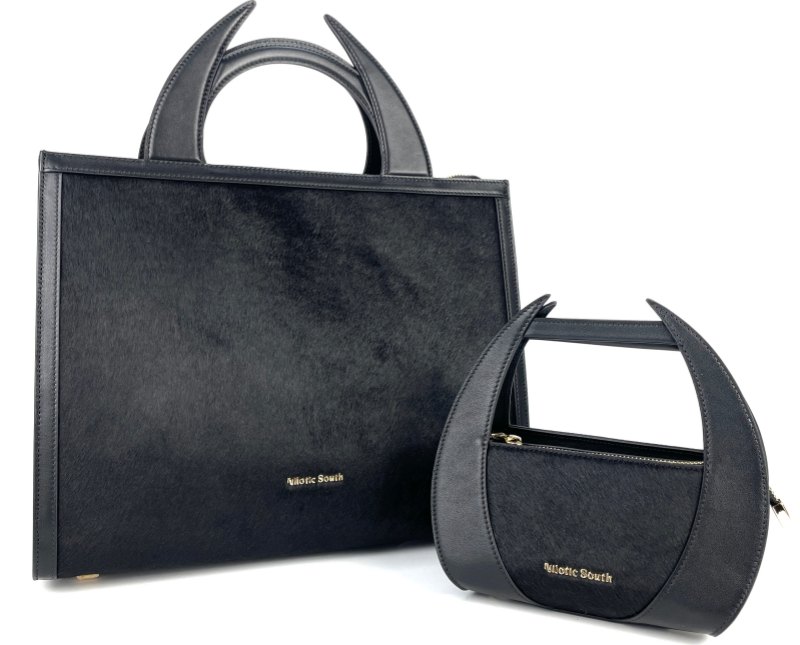
We close the revision loop, confirm the final specifications, and check whether the approved sample can be reproduced consistently in bulk production.
Body shape, gussets, base, openings, handle drop, strap length and overall balance.
Leather or fabric behavior, lining, backing, reinforcement and edge construction.
Locks, zippers, hooks, rings, buckles, plating, placement and usability.
Logo placement, embossing, metal branding, labels, branded components and packaging.
Areas requiring special handling, tolerance control, reinforcement or process adjustments.
Whether the sample relies on excessive manual correction or can become a stable production standard.
An approved reference sample plus a documented development standard—clear enough to support first-order planning, quality control and future repeat production.
The real value of transparent sample development is that the product knowledge remains documented and usable after the physical sample leaves the workshop.
A clear record of design direction, structure, dimensions, materials, branding requirements and project assumptions.
References for approved outer materials, lining, reinforcement, hardware, finishes and packaging direction.
Key technical concerns identified during development, together with the proposed development solution or confirmation requirement.
A visible record of what changed, what was approved and which items remained pending during sample development.
The physical benchmark used to align later production with the confirmed appearance, function and workmanship standard.
A practical handoff showing whether the product is ready to move into first-order planning or still requires development work.
Sample development should reduce uncertainty before you commit to inventory. Once the product standard is clear, you can evaluate cost, quality expectations, production risk, packaging, and launch requirements with far more confidence.
That is the bridge from Stage 02 to Stage 03: the approved sample becomes the basis for first-order quantity, landed-cost planning, quality control, launch content, and market validation—not just an object to photograph.
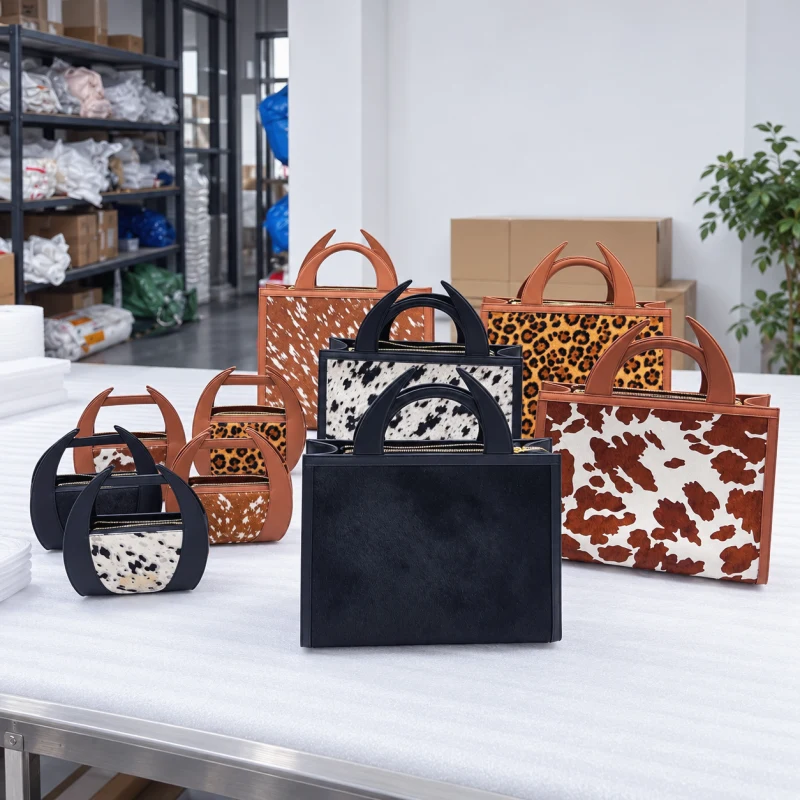
Transparent sample development creates more value when it helps the founder make the next decision. In one emerging-brand project, our support extended beyond the physical sample into product presentation, social content planning, and the digital foundation needed to bring the brand to market.
The client began with a product idea and a very small social audience. During the development journey, we supported more than sample execution: we helped organize product storytelling, content direction, launch assets and the structure of a fashion-brand website.
The goal was not to leave the founder with only one finished bag. The goal was to leave them with a clearer product standard, stronger brand presentation, and a practical path toward launch, pre-sale, and first-order decisions.
Clarify design, materials, sample standard and what can be repeated.
Turn development details into usable product stories and social content.
Build the brand website and product presentation from 0 to 1.
Prepare content and product information for pre-sale and market testing.
Yes. A complete tech pack is helpful but not always required at the beginning. We can first organize the available design information, identify missing decisions and build a clearer development brief before sampling.
It means important development decisions are visible: what is confirmed, what is pending, what changed, what technical risks were identified and what standard the next sample should follow.
There is no fixed number. It depends on design complexity, custom hardware, material behavior and how clearly the product is defined before the first sample.
Yes. An existing sample can be reviewed as a development reference. We can identify which details should remain, which need improvement and which specifications need to be clarified before redevelopment.
Materials, hardware finishes and branded components should be confirmed against references, swatches or actual samples where needed. Unconfirmed specifications should remain clearly marked rather than being treated as final.
Review proportion, dimensions, material behavior, hardware function, structure, straps, closures, interior organization, stitching, edge finishing, branding and realistic use. Approval should also consider production repeatability.
Not always. A visually approved sample still needs final specifications, material references, workmanship standards, packaging requirements and critical quality points to be clear enough for controlled production.
The project can move into first-order planning. That stage focuses on order quantity, cost and margin structure, production timing, quality control, packaging, logistics and launch preparation using the approved sample as the product standard.
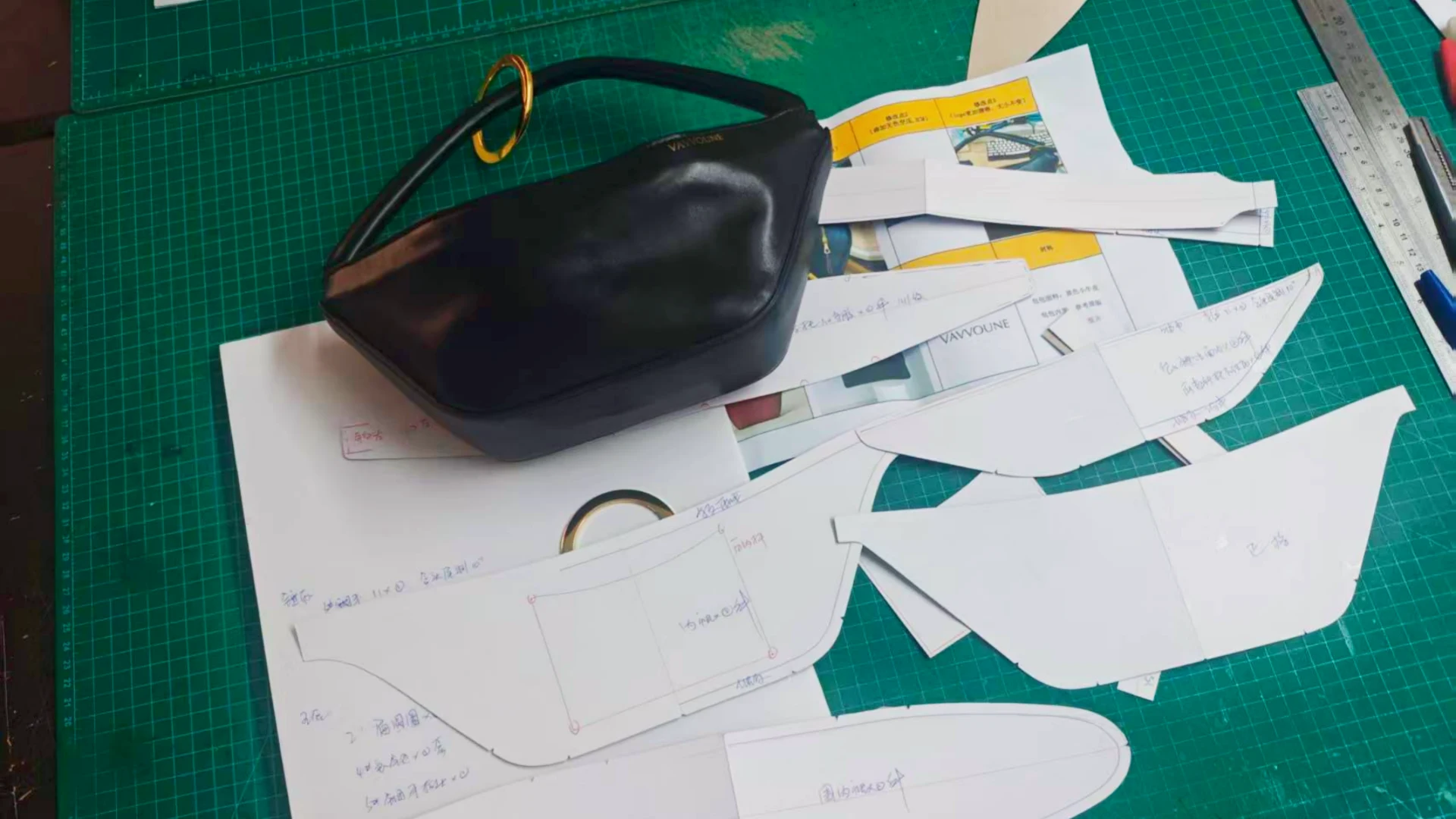
Share your sketch, reference product, existing sample or tech pack. We will review the development direction and identify what needs to be confirmed before the next sample is made.