
(With sourcing and production tips from XINZIRAIN, handbag manufacturers in China)
If you write “genuine leather” or “vegan leather” in your product copy, buyers assume you’ve done the homework. In 2026, that homework matters more than ever—because customers ask tougher questions, retailers demand clearer compliance, and “sustainable” claims are under heavier scrutiny across the EU and the US.
This guide is written for fashion brands, private label teams, and product developers building handbags, totes, wallets, and small leather goods. It breaks down what you’re actually comparing, how each material performs in real-world use, and how to choose a material strategy you can defend with confidence—without greenwashing.
As one of the handbag manufacturers in China supporting OEM/ODM and private label projects, XINZIRAIN sees the same pattern repeatedly: material choices are rarely “right vs wrong.” They’re about matching your brand promise to performance, price point, market climate, and supply chain reality.
Material Breakdown — What Are We Really Comparing?
Real Leather (Animal Hide) — The Grades That Change Everything
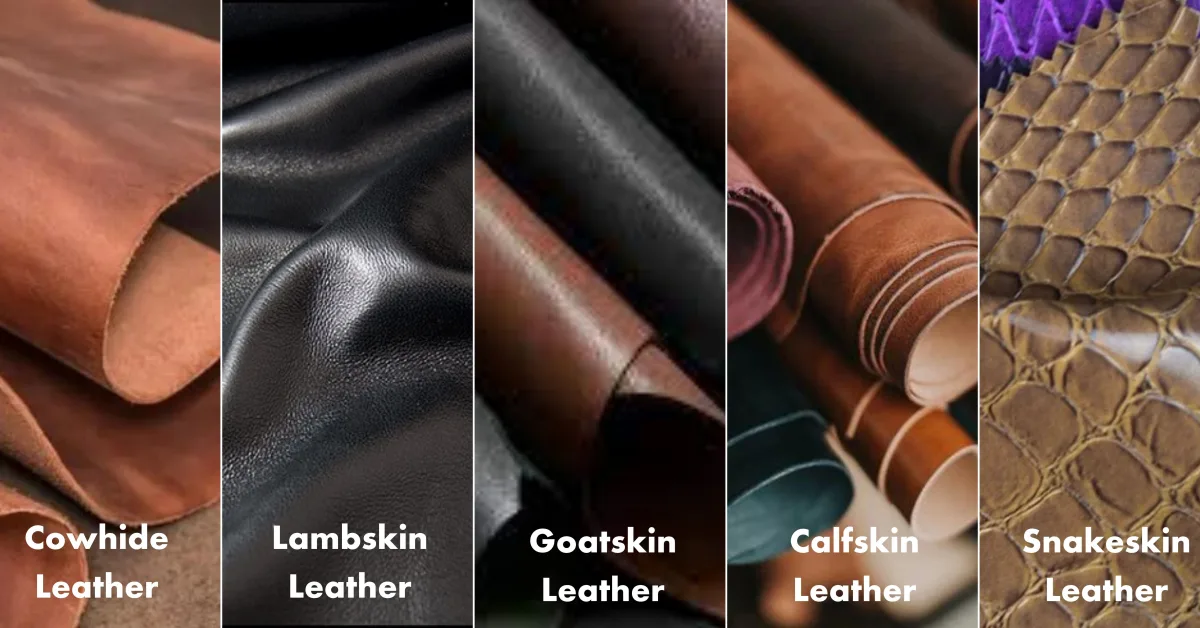
Real leather is animal hide (most commonly cow) tanned and finished for use in bags, shoes, jackets, and small goods. “Real leather” is not one quality level. The grade you source determines durability, aging, and how your product will look after 12–36 months of real customer use.
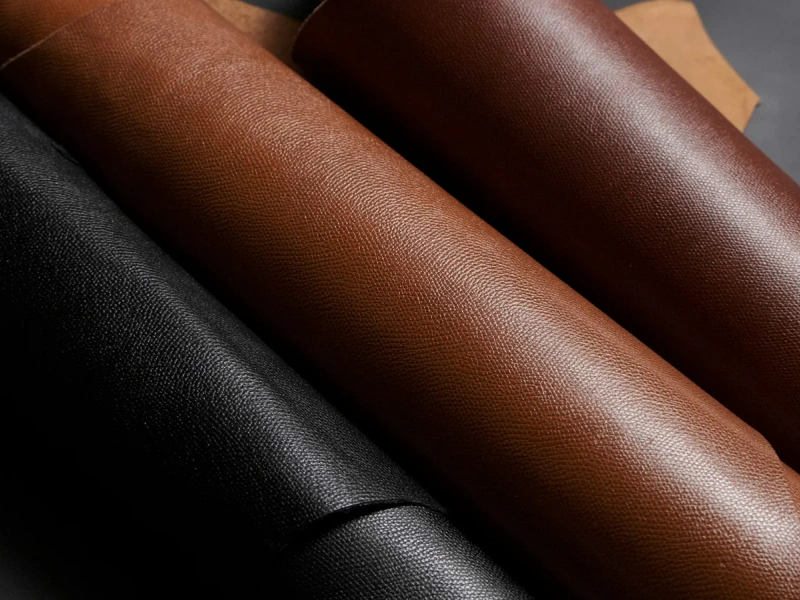
Full-grain leather
Top layer of the hide, natural grain intact (not sanded).
Highest durability and the best patina over time.
Ideal for premium handbags, heritage pieces, and long-warranty products.
Top-grain leather
Lightly sanded/corrected for a more uniform surface.
Durable, more consistent, slightly thinner, and more flexible than full-grain.
Common for mid-to-high-end bags and structured styles.
Corrected-grain leather
Heavily sanded and embossed with artificial grain.
Looks “perfect” on day one, but loses natural character and some durability.
Often used for mass-market products chasing the “leather” label.
Bonded leather
Leather scraps and fibers mixed with PU and pressed into sheets.
Lowest durability and high risk of peeling/cracking.
Not recommended if your brand relies on reviews, repeat customers, or warranties.
Practical sourcing rule (B2B): If a supplier quotes “genuine leather” without specifying full-grain/top-grain/corrected/bonded, you’re not getting enough information to protect your brand reputation.
What “Vegan Leather” Usually Means in 2026
In most manufacturing conversations, “vegan leather” still commonly refers to synthetic, plastic-based materials—not plants and not fully biodegradable. The main categories you’ll see in production quotes are:
PU leather (polyurethane)
PVC leather (polyvinyl chloride)
Microfiber + PU blends (a higher-performance synthetic option)
PU leather
Softer, more flexible, often lighter than real leather.
Great for consistent colors and modern finishes.
Weakness: high-flex areas (straps, corners, wallet folds) may crack or peel over time if the formulation is mid/low grade.
PVC leather
Cheaper and stiffer with a more plastic feel.
Higher environmental and health concerns (also a tougher story for sustainability positioning).
When it fails, it often peels severely and is not repair-friendly.
Microfiber vegan leather
Typically, a dense microfiber base + PU coating.
Better tear strength and abrasion resistance than basic PU.
A strong option for brands positioning “premium vegan” at higher price points.
B2B red flag: if a supplier can’t clearly confirm whether a synthetic is PU or PVC (and can’t provide basic spec sheets), it’s a risk—especially for EU/US markets.
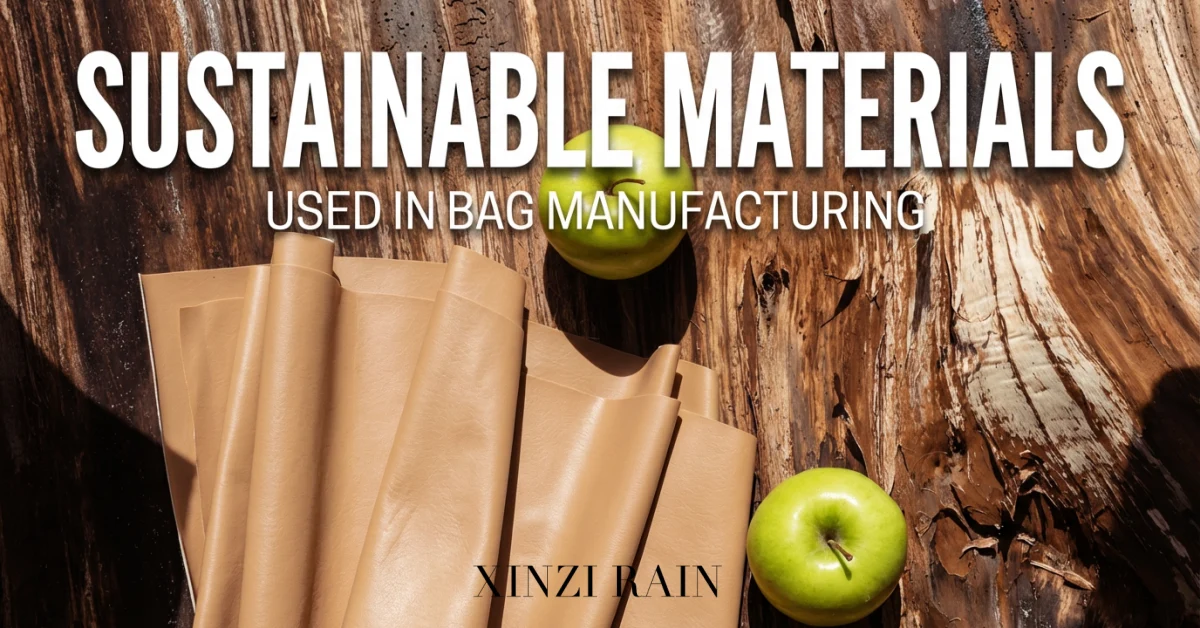
Plant-Based Vegan Leather (Apple, Cactus, Pineapple, Grape, Mushroom)
Plant-based alternatives continue to grow in brand demand, but the most important reality remains the same in 2026:
Most plant-based “vegan leathers” are hybrid materials—plant content plus synthetic binders (often PU). Eco benefit varies widely by formulation.
Apple and grape “leathers.”
Often use fruit-industry waste.
Typically smooth, minimal surface, good for structured handbags and small goods.
Bio-based percentage varies—brands should verify rather than assume.
Cactus leather (e.g., common industry references)
Usually matte, soft touch, good balance of drape and structure.
Often has a stronger brand story than standard PU, but still typically includes binders.
Piñatex (pineapple fiber)
More textured and visibly fibrous.
Works well when you want a distinctive surface.
Not always ideal for very slouchy silhouettes, depending on the backing.
Mushroom/mycelium materials
Highly promising and increasingly visible in capsule collections.
Still requires careful supply planning and testing for durability consistency.
Reality check for brand copy: “plant-based” does not automatically mean biodegradable. If biodegradability is part of your promise, you need credible testing data and clear wording.
Real-World Performance — Durability, Aging, and Customer Satisfaction
Patina vs Peeling — How Materials Age in Public
A brand’s reputation is built in year two, not day one.
High-quality real leather (full-grain/top-grain)
Ages into patina: soft shine, subtle color depth, character.
Scuffs can blend in rather than “fail.”
Repairable and more forgiving at stress points when construction is strong.
Mid/low-grade PU or PVC
Does not patina; it wears as a surface film.
When it fails, it typically peels, cracks, or flakes—especially at edges, corners, strap attachment points, and wallet folds.
Once the top layer fails, visual perception drops fast.
Plant-based hybrids
It often sits between standard PU and real leather in performance.
Some formulations can be more scratch-prone or sensitive to heat/moisture.
Performance varies widely—testing matters before scaling.
If your brand wants “heirloom” positioning and long warranties, real leather (with solid sourcing and QC) still has structural advantages. If your brand is vegan-first or trend-driven, you can win with premium vegan materials—but you must choose the right grade and set honest expectations.
Water, Heat, and UV — The Climate Test (Often Ignored)
This is where warranty claims and returns appear.
Real leather
Not waterproof, but good leather handles light rain and can be treated.
Heat is a danger: prolonged hot cars or heaters can dry leather and cause cracking.
UV can fade darker colors over the years, but overall stability is strong with good finishing.
PU/PVC
Often easier to wipe clean initially, and can appear more water-resistant on day one.
Heat is the biggest weakness: hot dashboards, radiators, and extreme climates accelerate cracking and peeling.
UV exposure can degrade surface coatings, especially for lower grades.
For brands selling in hot climates (US South, Middle East, Southeast Asia, Australia), heat resistance and coating stability should be a core test item—not a footnote.
Cost and MOQ Reality — What Brands Should Calculate
Material cost is not just “price per meter.” In production, your true cost is the cost per sellable, long-lasting unit.
What Typically Changes Your True Cost
Yield and wastage
Real leather is natural; defects and variations reduce usable area. Complex panel layouts increase wastage.
Synthetic rolls are consistent rectangles; cutting yield is more predictable.
Returns and reviews
Cheaper PU/PVC may look great at launch, but can create negative reviews after 12–36 months if peeling appears.
That long-term reputation cost often outweighs short-term savings.
Testing and validation
Plant-based and premium vegan materials should be tested for flex, abrasion, colorfastness, and heat/UV resistance before scaling.
Skipping testing is the fastest path to “it looked great in the sample, but failed in customer hands.”
MOQ and cash flow
Real leather is often quoted per hide or minimum square footage per color.
Synthetic and many plant-based options are often roll-based with color MOQs.
If you offer too many colors early, you can trap cash in slow-moving material inventory.
Sustainability and Compliance — How to Avoid Greenwashing in 2026
Sustainability messaging is under sharper scrutiny, and “vague eco language” is a trust risk.
Lifecycle Thinking (A Practical Brand Standard)
To speak credibly about sustainability, you need clarity across:
Raw material origin
Production chemistry and wastewater control
Product lifespan (replacement frequency)
End-of-life reality (repair, recycle, landfill)
Real leather
High footprint linked to cattle farming plus tanning impacts.
Better options exist when you use audited tanneries, responsible chemical management, and build products designed to last and be repaired.
PU/PVC
Fossil-fuel-based and linked to microplastic concerns at the end of life.
PVC is especially hard to defend for sustainability-led brands.
Plant-based hybrids
Can offer stronger storytelling and potentially lower impact, but it depends on bio-based percentage and binders.
Brands should be specific: what it is, what it is not, and what you’re improving.
Compliance Still Matters More Than Trends
For EU and US markets, material decisions must align with chemical compliance and product safety expectations. Your manufacturer should be able to support documentation and testing coordination, especially for products entering regulated retail channels.
Decision Framework — Which Material Fits Your Brand?
Use this framework to decide quickly and defensibly:
-
Audience values and expectations
Vegan-first, cruelty-free communities expect clear labeling and transparency.
Heritage/luxury customers expect longevity, patina, and repairability. -
Price point
Entry to mid price: premium PU or microfiber can be practical if you engineer construction well.
Premium/luxury: Upgrading to strong leather grades often supports better brand equity and pricing power. -
Climate and use case
Daily commuter bags and men’s crossbody styles have high load-bearing needs.
Heat-exposed markets require stronger surface stability and testing. -
Channel strategy
Wholesale and retail buyers often demand consistent specs and stable reorders.
DTC brands need fewer returns and stronger reviews.
Best-fit patterns we see in 2026:
Luxury/heritage positioning: full-grain or strong top-grain + strong construction + repair mindset.
Vegan-first positioning: microfiber or high-grade PU + selective plant-based hero drops + clear care guidance.
Mixed global audience: two clear lines (Heritage Leather vs Next-Gen Vegan) with transparent labels.
XINZIRAIN Practical Manufacturing Advice — Turning Material Choice Into Market-Ready Products
As handbag manufacturers in China supporting private label brands, XINZIRAIN’s role is not just producing samples—it’s helping brands avoid the typical “material promise gap” that causes returns and weak reviews.
Ask for Performance Specs, Not Just Material Names
Instead of “vegan leather,” request:
PU or PVC confirmation
Microfiber base details (if applicable)
Thickness range, backing type, and abrasion resistance targets
Flex test expectations for straps, corners, and folds
Colorfastness expectations (especially dark dyes and rub resistance)
Engineer the Bag for the Material You Choose
A “luxury feel” is built by structure, not marketing:
Reinforcement strategy for strap attachment points
Edge finishing (especially for vegan and plant-based materials)
Lining and internal support to maintain shape over time
Hardware plating selection aligned with your material story
Test the Failure Points Before You Scale
For daily-use bags, the most common failure points are:
Strap roots and buckle holes
Corners and base edges
Wallet folds and card slots
Heat exposure areas (if your customers store bags in cars)
We recommend brands run practical checks during sampling: flex, abrasion, and basic heat/UV stress checks before confirming bulk.
Plan Your Color Strategy Around MOQ and Reorders
Material MOQ is often the silent killer of cash flow.
Start with a focused color palette (2–4 core colors), then add seasonal colors once you confirm reorder velocity.
Build Your Material Story with Honest Labels
In 2026, customers respect specificity:
“Microfiber vegan leather with PU coating (no PVC)”
“Plant-based material with verified bio-based content, backed for durability.”
“Full-grain leather sourced from audited tanneries, designed to age and be repaired.”
Honest copy reduces returns and builds trust.
Development and Production Timelines
For most bag projects, XINZIRAIN’s sampling and bulk production can typically be planned within 30–45 days once materials, hardware, and specifications are confirmed (complexity and custom hardware may extend timelines). MOQs can be structured to support both emerging and scaling brands, depending on product and material strategy.
Conclusion — Choose the Material You Can Stand Behind in Year Two
There is no universal winner in vegan leather vs real leather. The best choice is the one that matches:
Your customer values
Your price point
Your performance promise
Your climate reality
Your supply chain capability
When brands align material, construction, and messaging, they reduce returns, improve reviews, and build products that feel consistent across seasons.
If you’re building a private label bag line and need help translating material decisions into production-ready specs, XINZIRAIN can support your development process—from material selection and sampling to scalable bulk production.
Contact XINZIRAIN (Bag Manufacturing)
WhatsApp: +8615530191496