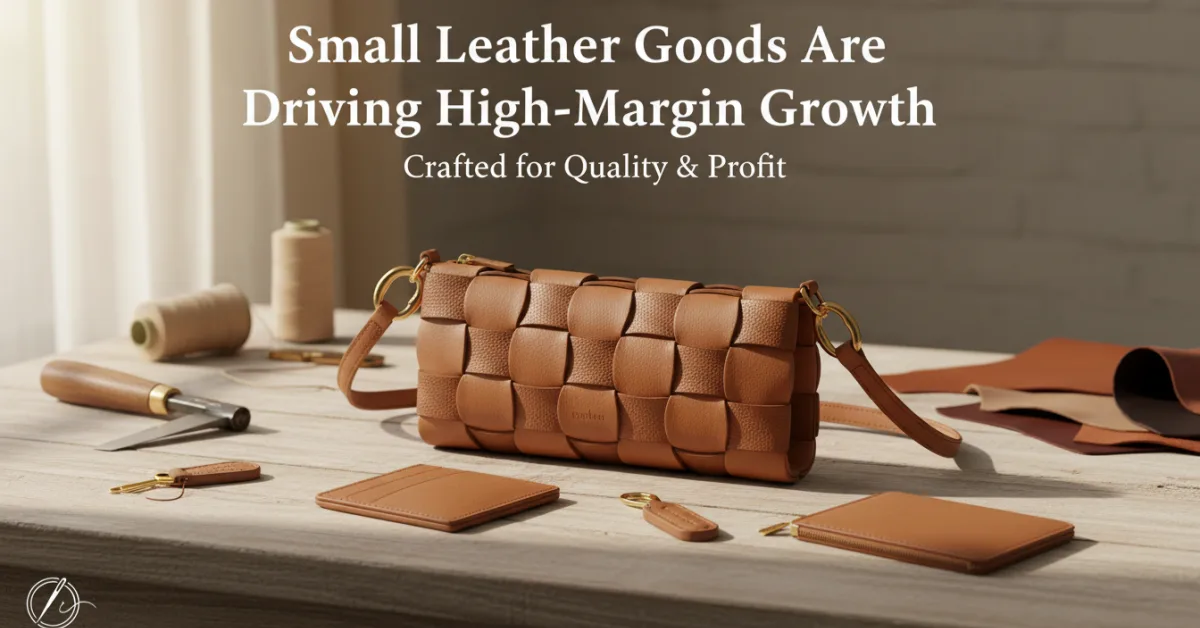

In recent years, small leather goods have quietly become one of the most profitable categories in the global accessories market. From card holders and wallets to compact clutches and mini pouches, small leather goods (SLG) are now a strategic growth driver for both emerging and established brands.
For fashion brands and private label businesses, understanding why small leather goods deliver higher margins—and how small leather goods manufacturing supports scalable growth—is essential before planning the next collection.
This article explains why custom small leather goods are reshaping the accessories market and how brands can leverage them for sustainable, high-margin growth.
Small Leather Goods: A High-Margin Category by Design
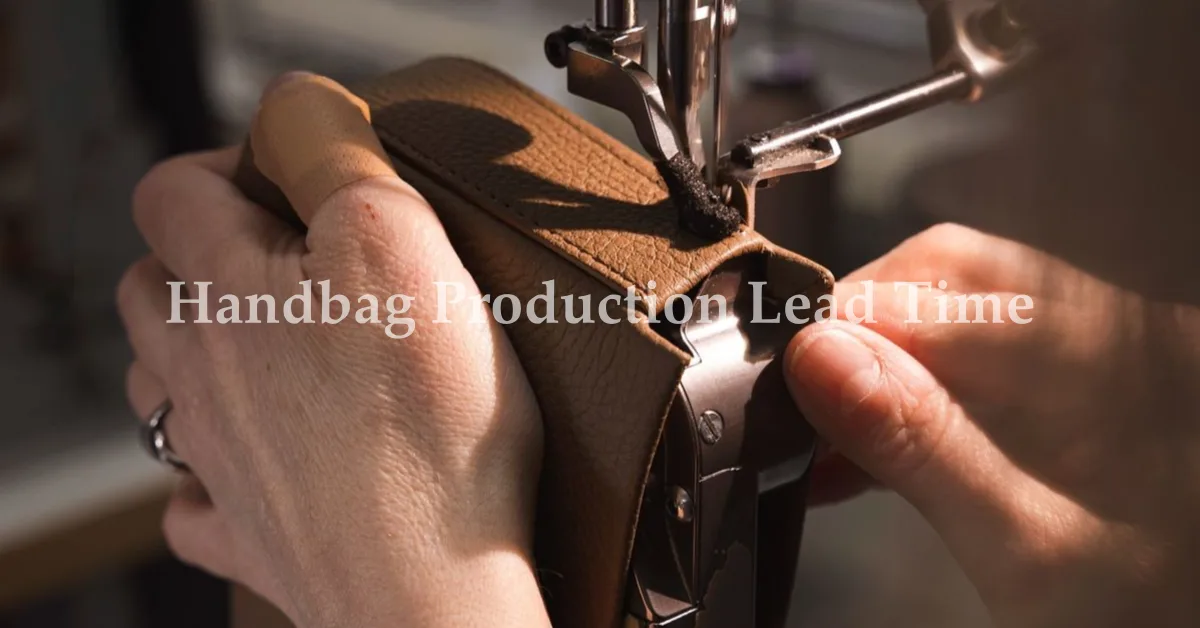
Unlike large handbags or complex functional bags, small leather goods offer a simpler structure, more efficient material usage, and faster production cycles. These inherent advantages make small leather goods manufacturing naturally more cost-effective.
Key margin advantages include:
-
Lower material consumption per unit
-
Reduced pattern complexity
-
Shorter sampling and production lead times
-
Easier quality control
-
Higher retail price-to-cost ratio
As a result, small leather goods often achieve stronger margins than full-size handbags, even at lower retail prices.
Why Consumer Demand Favors Small Leather Goods
Modern consumers increasingly prioritize versatility, portability, and everyday usability. This shift directly benefits small leather goods, which fit seamlessly into daily routines.
From a market perspective, small leather goods appeal to:
-
Entry-level luxury buyers
-
Gift-driven purchases
-
Seasonal trend shoppers
-
Brand-loyal repeat customers
Because of their accessible price point, custom small leather goods often convert faster at retail, creating consistent sell-through and lower inventory risk.
Faster Product Cycles Mean Faster Cash Flow
One of the most overlooked advantages of small leather goods manufacturing is speed. Compared to large bags, SLG production typically involves:
-
Faster prototype development
-
Fewer sample revisions
-
Shorter bulk production timelines
For brands, this means faster market testing and quicker cash flow recovery. Launching multiple small leather goods styles per season becomes realistic without overextending budgets or production capacity.
Private Label Small Leather Goods Reduce Brand Risk
For brands entering new markets or testing new ideas, private-label small leather goods provide a lower-risk path to expansion.
Instead of committing to large volumes of complex products, brands can:
-
Test branding concepts with custom wallets or pouches
-
Experiment with materials and finishes
-
Introduce limited-edition SLG collections
This flexibility makes private-label small leather goods an ideal starting point for emerging brands and a reliable add-on category for established ones.
Customization Drives Perceived Value
Despite their size, small leather goods offer extensive customization opportunities. Logos, hardware, stitching, lining, and edge finishing can all be tailored without significant cost increases.
In custom small leather goods manufacturing, small design details often have an outsized impact on perceived value. This allows brands to:
-
Maintain strong gross margins
-
Differentiate products visually
-
Reinforce brand identity through detail
As a result, small leather goods frequently outperform larger products in perceived value versus production cost.
Efficient Manufacturing Improves Scalability
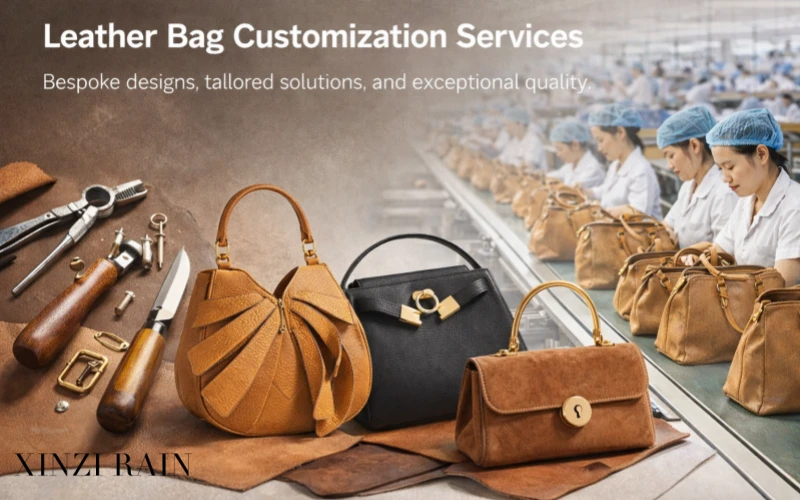
From a manufacturing standpoint, small leather goods are easier to scale. Production lines can handle larger quantities with more consistent quality control.
Benefits of scalable small leather goods manufacturing include:
-
Stable quality across bulk orders
-
Easier training for production teams
-
Lower defect rates
-
Predictable lead times
This operational stability is why many OEM and private label partners recommend small leather goods as a core category for long-term growth.
Small Leather Goods as a Brand Entry Strategy
Many successful global brands began their journey with small leather goods before expanding into full handbag collections.
Starting with custom small leather goods allows brands to:
-
Establish supply chain reliability
-
Build customer trust at a lower price point
-
Collect real market feedback
-
Gradually scale into higher-complexity products
This step-by-step approach reduces financial pressure while laying a solid foundation for future expansion.
Why Manufacturers Recommend Small Leather Goods First
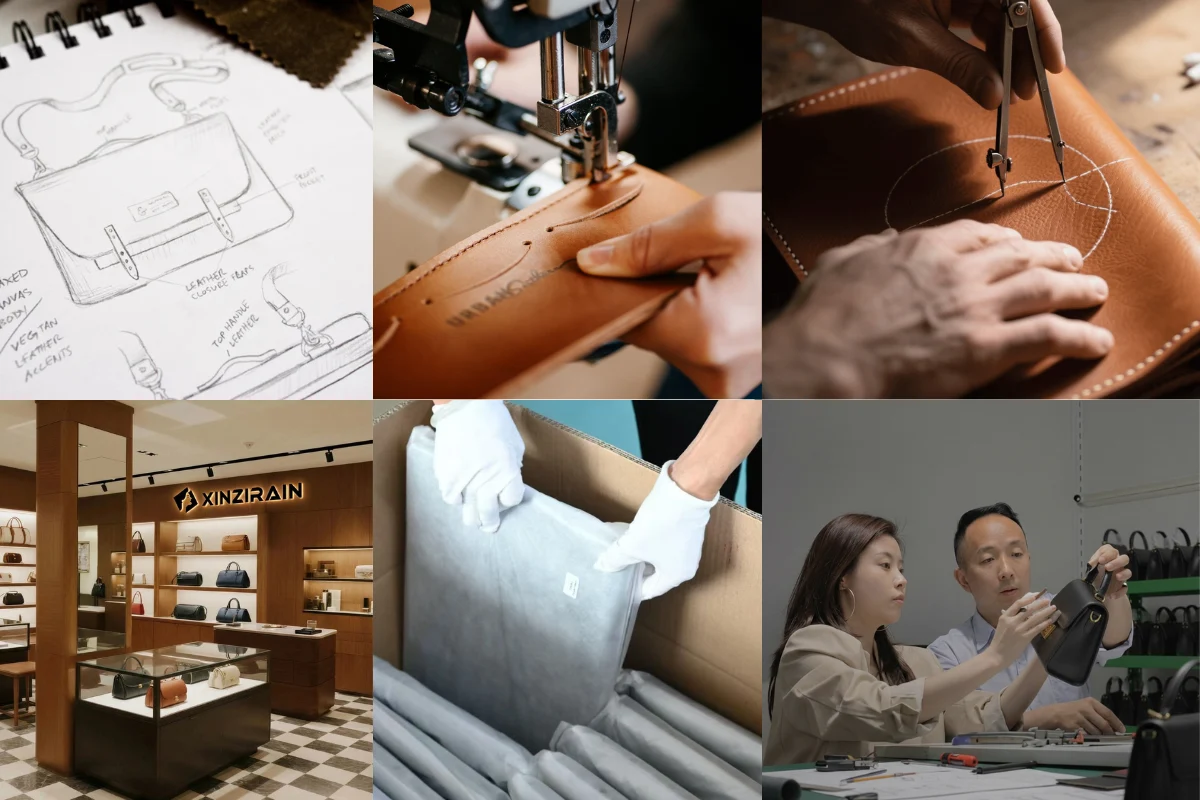
Experienced manufacturers often guide new clients toward small leather goods manufacturing for good reason. The category offers the ideal balance between design flexibility, manageable cost, and market demand.
From a factory perspective, small leather goods allow for:
-
Faster project onboarding
-
Clear technical communication
-
Lower development risk
-
Long-term production continuity
This alignment benefits both brands and manufacturers, making small leather goods a strategic starting point rather than a secondary category.
Conclusion: Small Leather Goods Are a Smart Growth Engine
In today’s competitive accessories market, small leather goods are no longer an afterthought. They are a proven engine for high-margin growth, efficient production, and brand scalability.
By leveraging custom small leather goods, brands can enter the market faster, reduce risk, and improve profitability without sacrificing design or quality. With the right small leather goods manufacturing partner, this category becomes a long-term asset—not just a seasonal trend.
For brands focused on sustainable growth and commercial success, small leather goods are not optional. They are strategic.