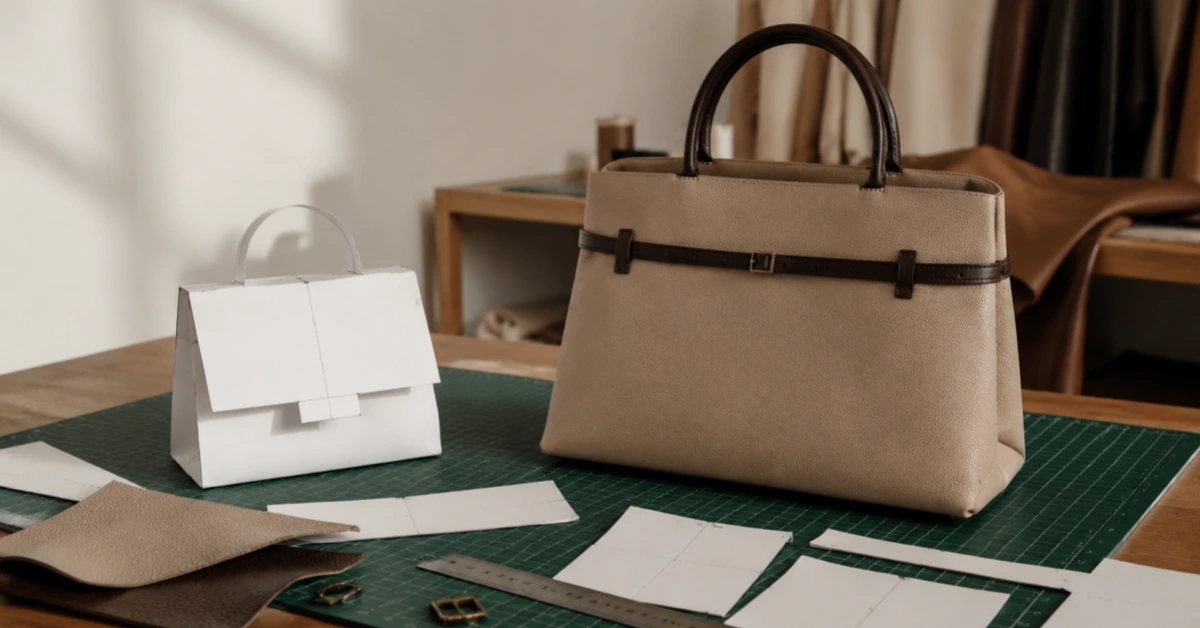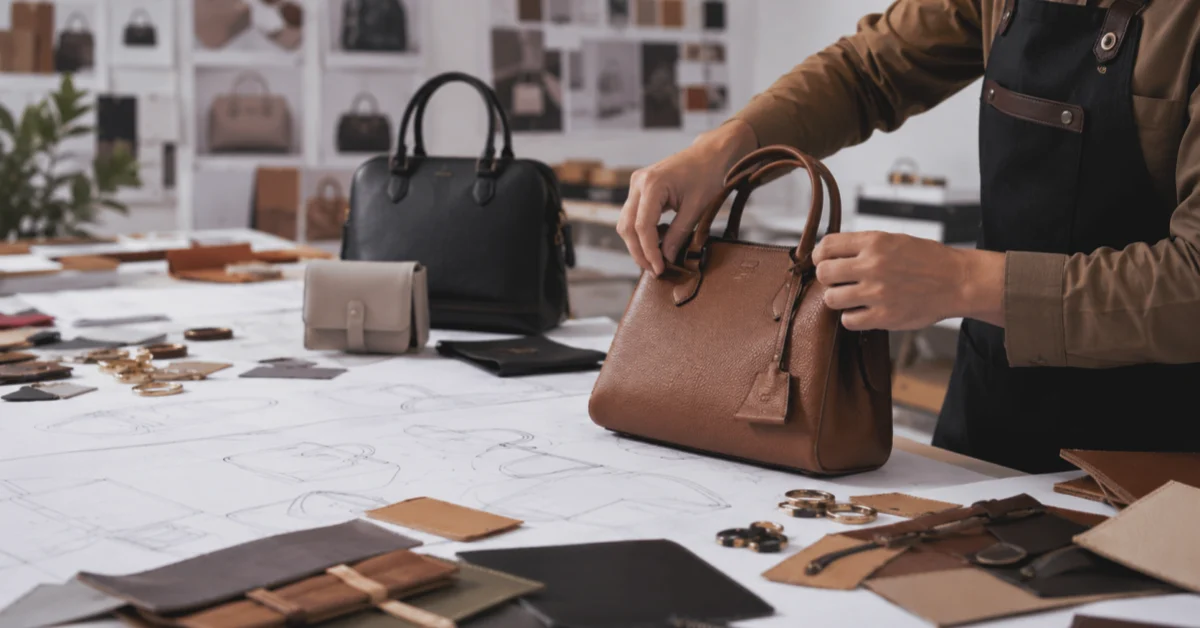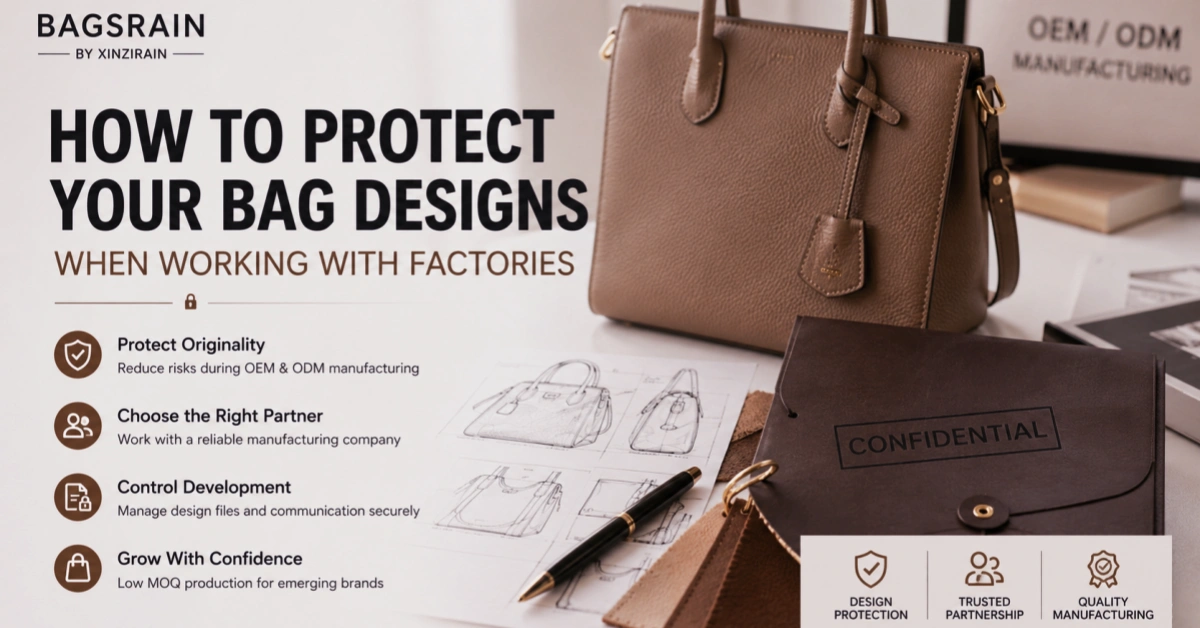

For many fashion brands, a bag design is more than a product idea.
It represents brand identity, market positioning, creative direction, and future commercial value.
This is especially true for:
Independent designers
Boutique fashion brands
Luxury-inspired startups
Influencer labels
Private label collections
Family-owned fashion businesses
But one concern appears repeatedly during the manufacturing process:
“How can I protect my bag designs when working with factories?”
This fear is understandable.
Many emerging brands worry about:
Factories copying designs
Unauthorized production
Shared supplier networks
Sample leaks
Uncontrolled outsourcing
Design concepts appearing elsewhere online
As global manufacturing becomes more connected, protecting intellectual property and maintaining product originality has become a major priority for fashion brands.
At BAGSRAIN, the dedicated bag manufacturing division under XINZIRAIN, we work with brands worldwide developing custom handbags, leather tote bags, backpacks, wallets, and private label collections through professional OEM and ODM manufacturing solutions.
In this guide, we explain practical ways brands can better protect their bag designs when working with a manufacturing company — and what buyers should look for before starting production.
Why Design Protection Matters More Than Ever
Modern fashion markets move quickly.
A successful handbag concept can spread across social media platforms within weeks.
For smaller brands, originality is often their biggest competitive advantage.
Unlike large luxury houses with massive advertising budgets, emerging brands usually rely on:
Unique aesthetics
Distinct silhouettes
Niche customer communities
Original details
Strong visual identity
This means even small design leaks can affect:
Product launches
Retail exclusivity
Brand perception
Customer trust
Competitive advantage
For many fashion startups, protecting designs is part of protecting the business itself.
The Reality: Most Design Problems Come from Poor Processes
Many brands assume design theft only happens because factories are dishonest.
In reality, many problems happen because development systems are poorly managed.
Common issues include:
Sending incomplete files to too many suppliers
Working with unverified trading companies
Using uncontrolled freelance sourcing agents
Sharing sensitive tech packs without organization
Communicating through fragmented channels
Lack of clear project ownership
A professional bag manufacturing company should have structured development systems that reduce unnecessary exposure during production.
Design protection is not only about legal contracts.
It is also about workflow control.
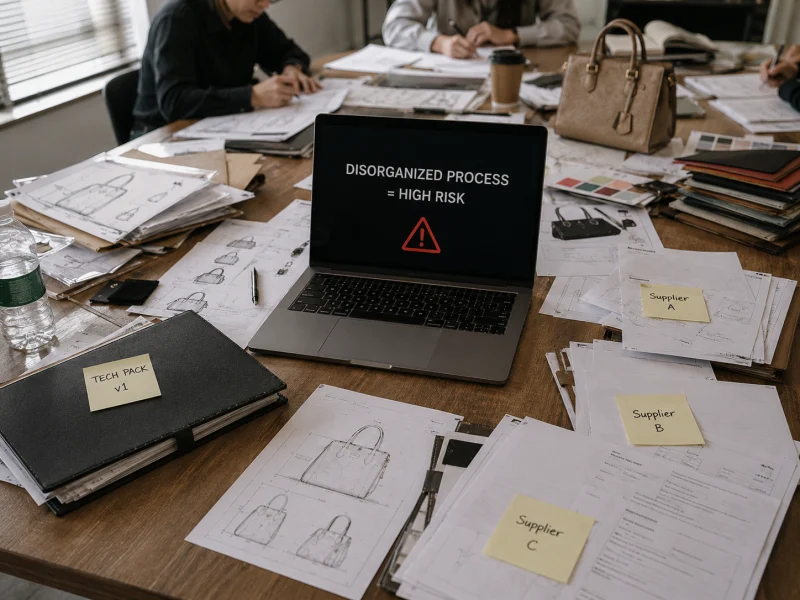
Work with a Real Manufacturing Company — Not Unknown Middlemen
One of the biggest risks in bag manufacturing is not knowing who is actually producing the product.
Many buyers unknowingly work with:
Trading companies
Sourcing agents
Freelance intermediaries
Factories outsourcing to third parties
This creates multiple risks:
Uncontrolled design sharing
Multiple factories accessing the same files
Communication confusion
No accountability during production
Professional buyers increasingly prefer working directly with established OEM and ODM manufacturing companies that provide transparent development processes.
Before sharing detailed bag designs, buyers should evaluate:
Factory specialization
Production capability
Website consistency
Communication professionalism
Factory verification
Long-term industry experience
At BAGSRAIN, we operate as the dedicated bag manufacturing division under XINZIRAIN, providing structured development support for global brands through controlled OEM and private label manufacturing systems.
Avoid Sending Full Design Packages Too Early
Many new brands make the mistake of immediately sending complete tech packs to multiple factories.
This often includes:
Measurements
Hardware details
Material lists
Construction methods
Logo placement
Packaging specifications
Instead, experienced buyers usually begin with limited information sharing during early communication.
For example:
Reference images
General product direction
Basic quantity expectations
Material preferences
Target market positioning
Once factory credibility is confirmed, more detailed development files can gradually be shared.
This reduces unnecessary exposure during supplier selection.
Professional Communication Is a Major Trust Indicator
Communication quality often reveals how organized a manufacturing company truly is.
Poor communication can indicate:
Weak internal management
Disorganized production systems
Outsourced coordination
Lack of accountability
Professional manufacturers usually provide:
Clear development workflows
Organized project communication
Structured sample revisions
Timeline transparency
Dedicated account management
Buyers should pay attention to:
How quickly questions are answered
Whether specifications are confirmed clearly
How revisions are documented
Whether communication remains consistent
At BAGSRAIN, project communication is handled through structured development management designed to simplify international OEM and ODM collaboration.
Good communication reduces misunderstandings and helps protect project consistency.
Use Gradual Development Instead of Sharing Everything at Once
Experienced fashion brands often divide development into stages.
This approach helps reduce unnecessary risk.
Typical development stages include:
Initial concept discussion
Material direction confirmation
Prototype development
Construction refinement
Hardware adjustments
Final production approval
By gradually sharing information, brands maintain better control over sensitive development details.
This also allows buyers to evaluate whether the manufacturing company is capable of handling more advanced development requirements before full production preparation begins.
Protect Original Hardware and Signature Details
In many handbag collections, the most valuable design elements are often small details rather than the entire silhouette.
These may include:
Custom metal hardware
Unique closures
Decorative structures
Logo plates
Handle construction
Signature stitching patterns
Professional buyers often focus heavily on protecting these elements because they define brand identity.
At BAGSRAIN, many custom projects involve:
Private label hardware development
Custom logo accessories
Exclusive packaging details
Brand-specific construction features
For emerging brands, protecting signature details is often more important than protecting basic product shapes.
Understand the Difference Between Inspiration and Direct Copying
Fashion manufacturing naturally involves trend references.
Most factories regularly produce products inspired by:
Seasonal runway trends
Retail market movements
Consumer demand changes
However, professional manufacturing companies understand the difference between:
Trend-inspired development
Direct product duplication
Brands should avoid requesting direct counterfeit reproduction of existing luxury products.
Instead, the focus should remain on developing commercially inspired but original collections that align with brand identity.
This creates healthier long-term product development and reduces legal risk.
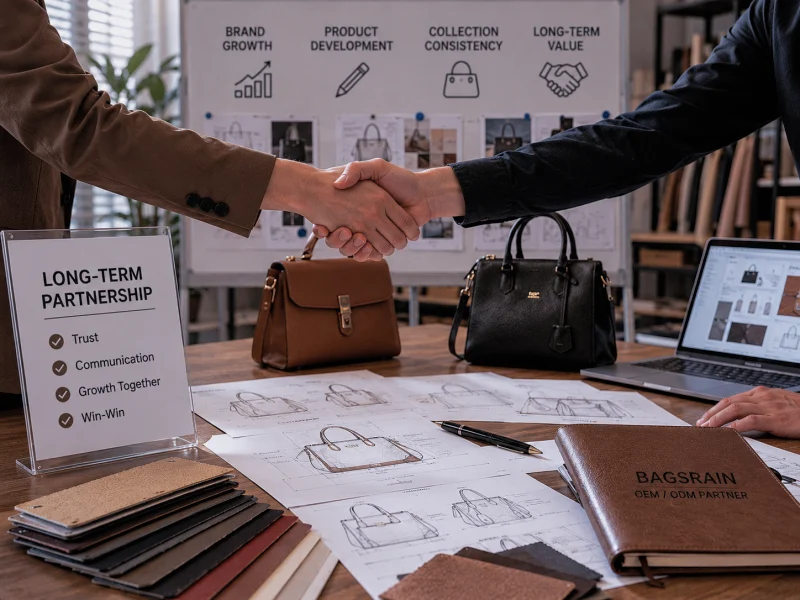
Choose Manufacturers That Value Long-Term Partnerships
Factories focused only on short-term production often prioritize volume over relationships.
Professional buyers increasingly prefer manufacturers that understand:
Brand growth cycles
Product development continuity
Collection consistency
Long-term collaboration value
Reliable manufacturing partners understand that protecting client relationships is more valuable than copying individual products.
At BAGSRAIN, many projects evolve into long-term OEM and private label partnerships because both sides benefit from stable cooperation, consistent communication, and structured development support.
Quality Control Also Helps Protect Brand Identity
Many brands associate design protection only with intellectual property.
But product inconsistency can also damage brand uniqueness.
Poor manufacturing quality may lead to:
Shape inconsistency
Hardware instability
Color mismatch
Weak structure
Poor edge painting
Incorrect proportions
Even when designs are not copied, inconsistent production quality can weaken the original design concept.
This is why experienced buyers evaluate not only confidentiality, but also production consistency.
At BAGSRAIN, quality control systems cover:
Material inspection
Cutting inspection
Assembly checks
Hardware installation review
Final packaging inspection
Protecting a design also means protecting how the final product is experienced by customers.
Low MOQ Development Helps Reduce Risk
Many emerging brands now launch products in smaller batches.
This strategy reduces:
Inventory pressure
Financial risk
Overproduction
Unnecessary exposure before market validation
Low MOQ manufacturing also allows brands to test product performance before scaling larger collections.
Professional buyers increasingly search for:
Low MOQ bag manufacturer
Private label bag manufacturer
Custom leather bag manufacturer
OEM handbag manufacturing company
At BAGSRAIN, flexible production support helps brands validate products more safely while maintaining better control over development timelines and inventory management.
One-Stop Development Reduces Supply Chain Exposure
Managing multiple suppliers increases operational complexity.
Separate vendors for:
Materials
Hardware
Packaging
Sampling
Production
can create communication gaps and increase design exposure.
One-stop manufacturing systems simplify project coordination and reduce the number of external parties involved.
At BAGSRAIN, our integrated OEM and ODM bag manufacturing solutions support:
Custom handbags
Leather tote bags
Crossbody bags
Backpacks
Wallets
Travel bags
Private label collections
From concept development to global delivery, centralized project management helps improve efficiency and reduce unnecessary supplier fragmentation.
Why Brands Work with BAGSRAIN
BAGSRAIN is the dedicated bag manufacturing division under XINZIRAIN, focused on helping fashion brands develop scalable leather bag collections through professional OEM and ODM manufacturing support.
We work with:
Fashion startups
Independent designers
Boutique brands
Retail chains
Private label companies
Luxury-inspired collections
Our services include:
Product development
Material sourcing
Prototype sampling
Custom hardware development
Private label branding
Flexible MOQ production
Quality control management
Global logistics support
We understand that successful bag manufacturing is not only about production capacity.
It is about helping brands reduce risk, protect originality, and build commercially sustainable collections.
Final Thoughts
Protecting bag designs when working with factories is not about secrecy alone.
It is about choosing the right manufacturing company, managing development professionally, and building structured long-term partnerships.
The best manufacturing relationships are built on:
Trust
Communication
Organization
Consistency
Professional workflow management
At BAGSRAIN, we help brands simplify product development while supporting design confidentiality, production consistency, and scalable OEM manufacturing for global markets.
Whether you are launching a boutique handbag line or expanding a private label leather goods collection, choosing the right manufacturing partner can significantly reduce risk and strengthen long-term brand value.
Author Bio
Author: BAGSRAIN Editorial Team
The BAGSRAIN Editorial Team specializes in OEM & ODM leather bag manufacturing, product development, and global fashion supply chain insights. As the dedicated bag manufacturing division under XINZIRAIN, BAGSRAIN works with fashion startups, boutique brands, retailers, and private label companies across Europe, North America, and the Middle East.
With extensive experience in custom handbag development, material sourcing, prototype sampling, low MOQ production, and quality control management, the team shares practical manufacturing knowledge designed to help brands reduce production risks, improve product consistency, and build commercially scalable bag collections.