
Introduction: How Custom Handbag Manufacturing Works
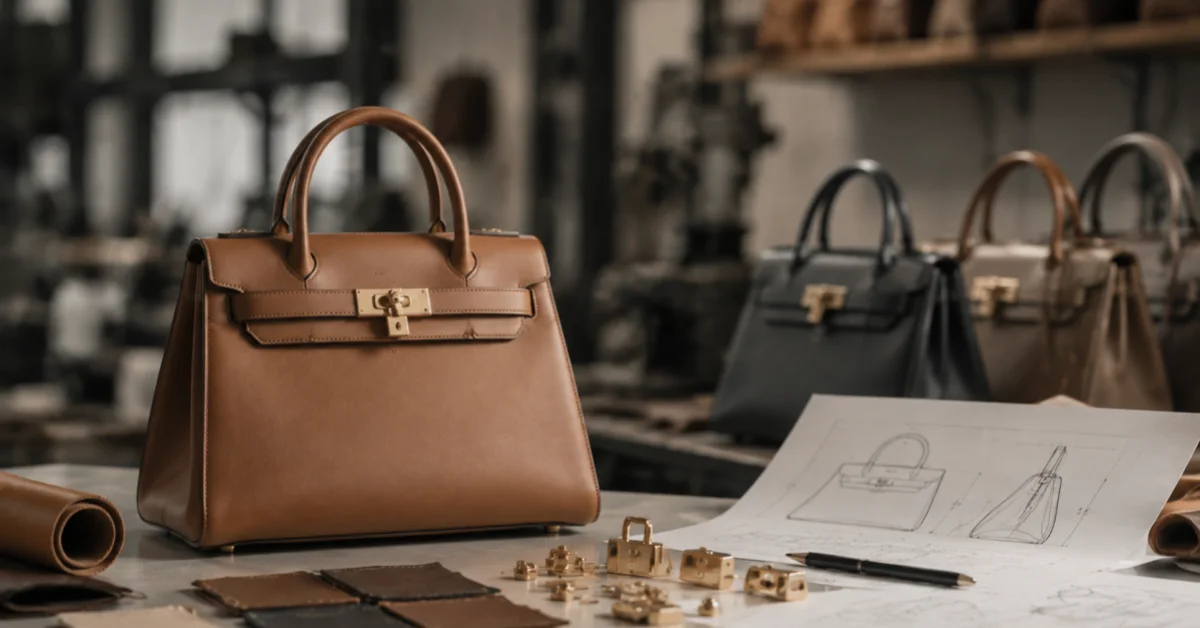
Custom handbag manufacturing is a structured process that transforms a design idea into a finished product ready for the market. For fashion brands, understanding this process is essential to reduce risks, control costs, and ensure product quality.
Whether you are launching a new brand or expanding your collection, working with a professional OEM handbag manufacturer allows you to move from concept to production efficiently.
This guide explains each step of the custom handbag manufacturing process, helping brands understand how to collaborate with factories and develop high-quality products.
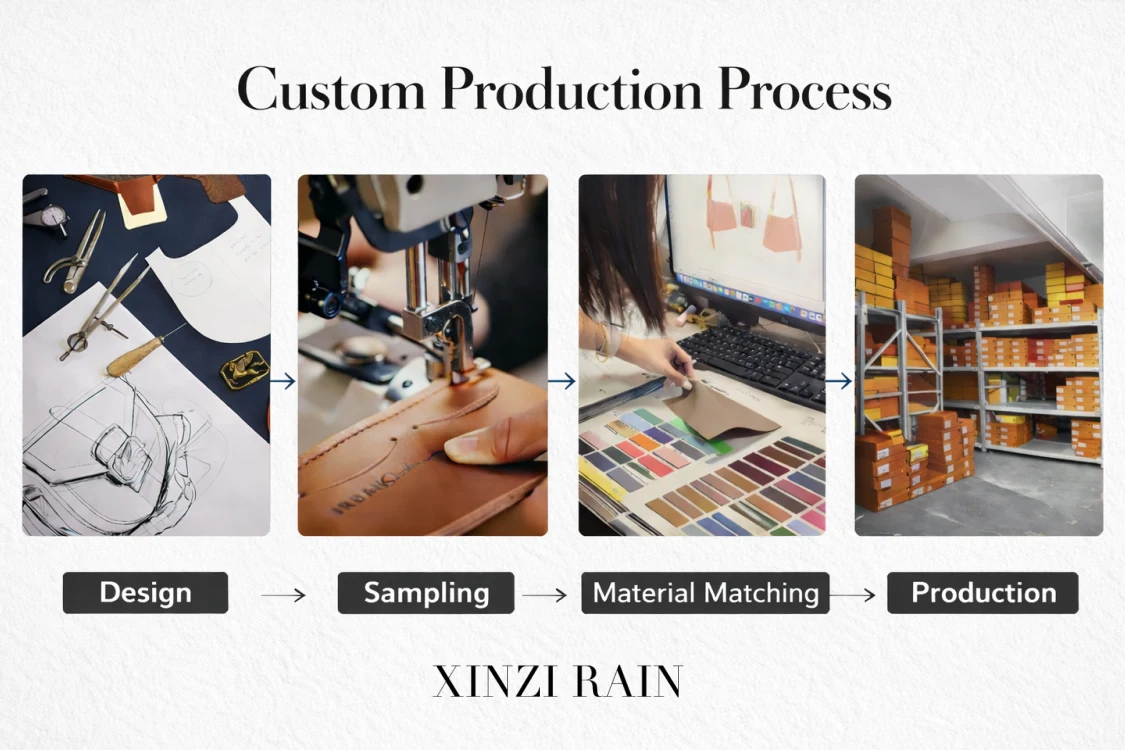
Step-by-Step Overview of Custom Handbag Manufacturing
Before diving into details, here is a quick overview of the process:
1 Define concept
2 Design and tech pack
3 Material selection
4 Sample development
5 Costing and quotation
6 Sample approval
7 Mass production
8 Quality control
9 Packaging and shipment
This structured approach ensures consistency and scalability.
Step 1: Define Your Handbag Concept
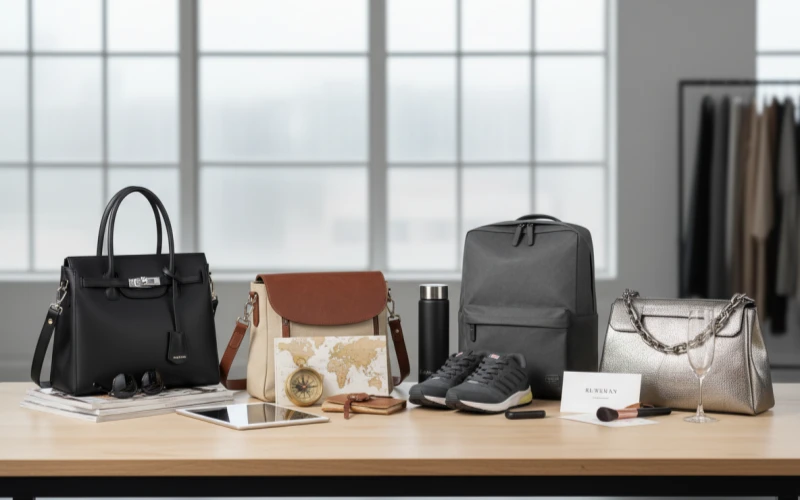
The first step in custom handbag manufacturing is defining your product concept.
Key factors to consider:
• bag type (tote, crossbody, backpack, shoulder bag)
• target market (luxury, mid-range, entry-level)
• usage scenario (daily, travel, business, fashion)
A clear concept helps manufacturers understand your expectations and provide accurate recommendations.
Step 2: Design Development and Tech Pack Creation
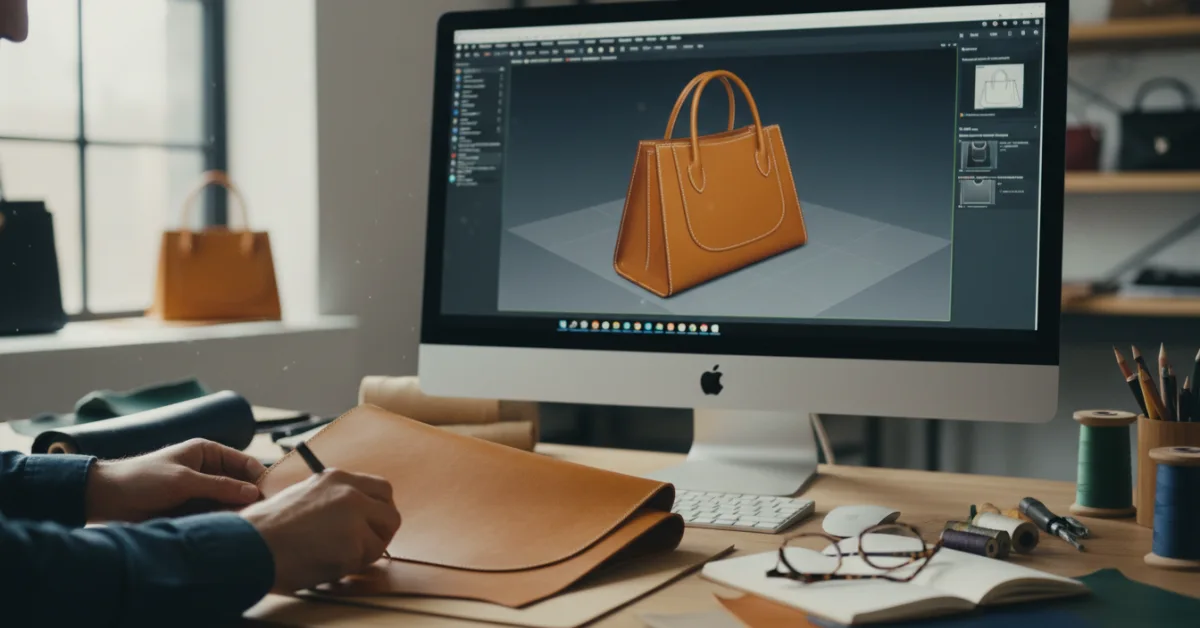
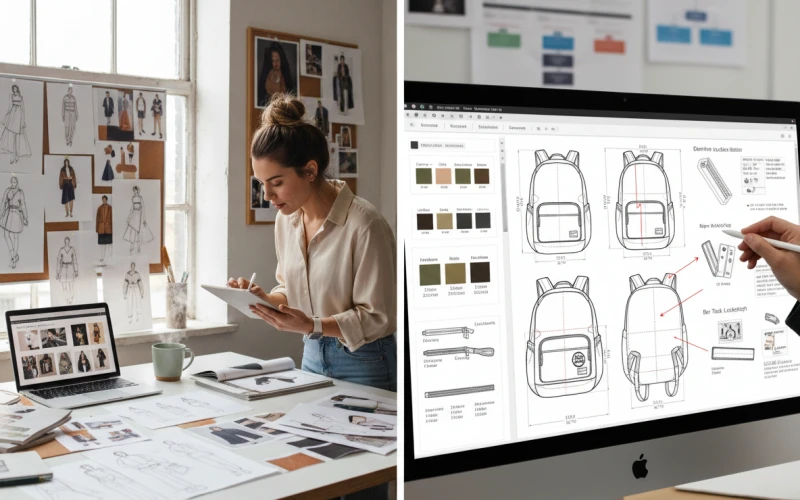
After defining your concept, the next step is turning your idea into a production-ready design.
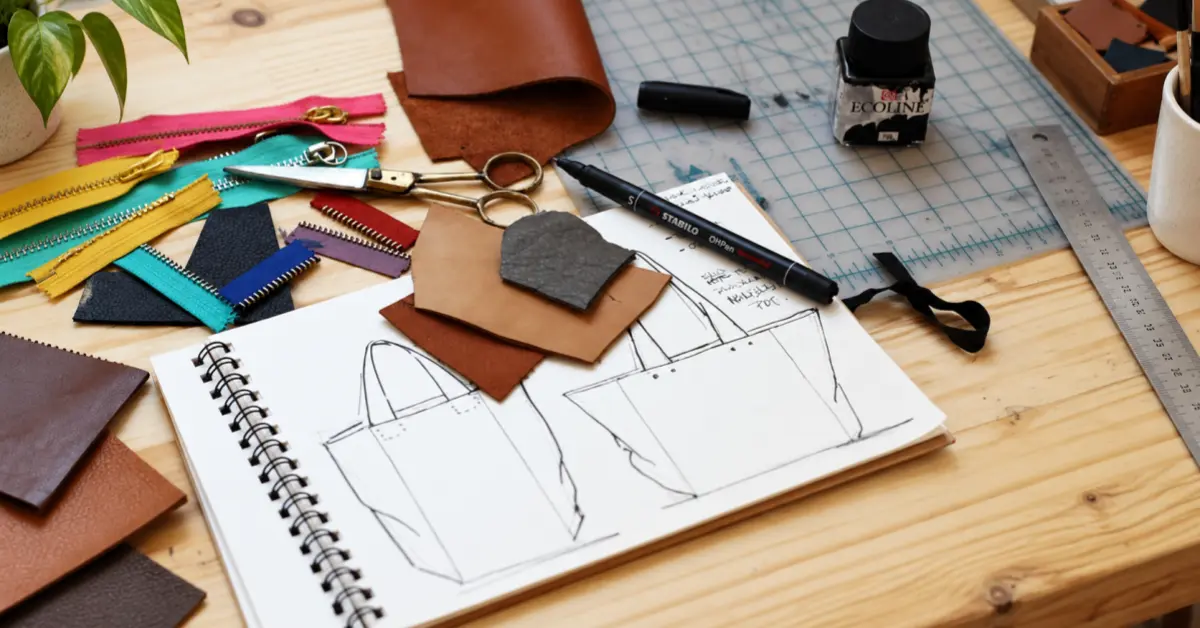
Create Design References
You can provide:
• sketches
• reference images
• competitor inspiration
Build a Tech Pack
A tech pack is a detailed document used by manufacturers.
It includes:
• dimensions
• materials
• hardware
• stitching details
• logo placement
A clear tech pack reduces errors during production and speeds up development.
Step 3: Material Selection
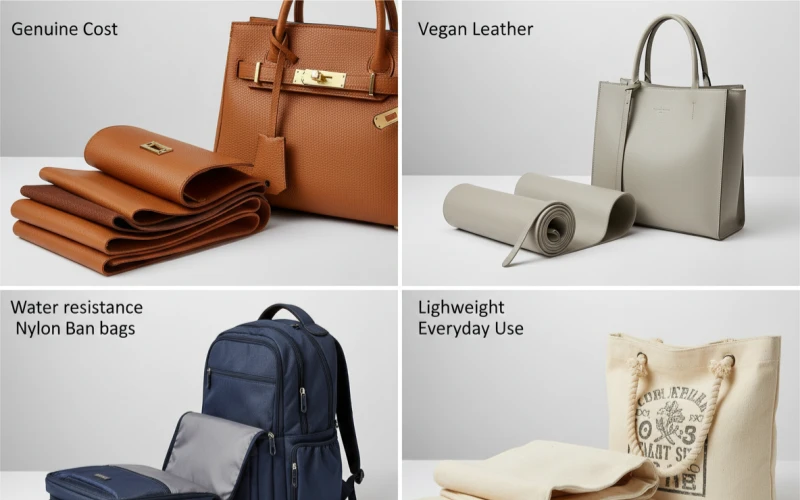
Material selection is one of the most important stages in handbag manufacturing.
Common materials include:
| Material | Characteristics | Typical Use |
|---|---|---|
| Genuine Leather | Durable, premium | Luxury handbags |
| Vegan Leather | Lightweight, cost-effective | Fashion brands |
| Nylon | Water-resistant | Travel bags |
| Canvas | Casual, durable | Everyday use |
Material choice affects:
• cost
• durability
• product positioning
Step 4: Sampling and Prototype Development
Sampling is where your design becomes a physical product.
The process includes:
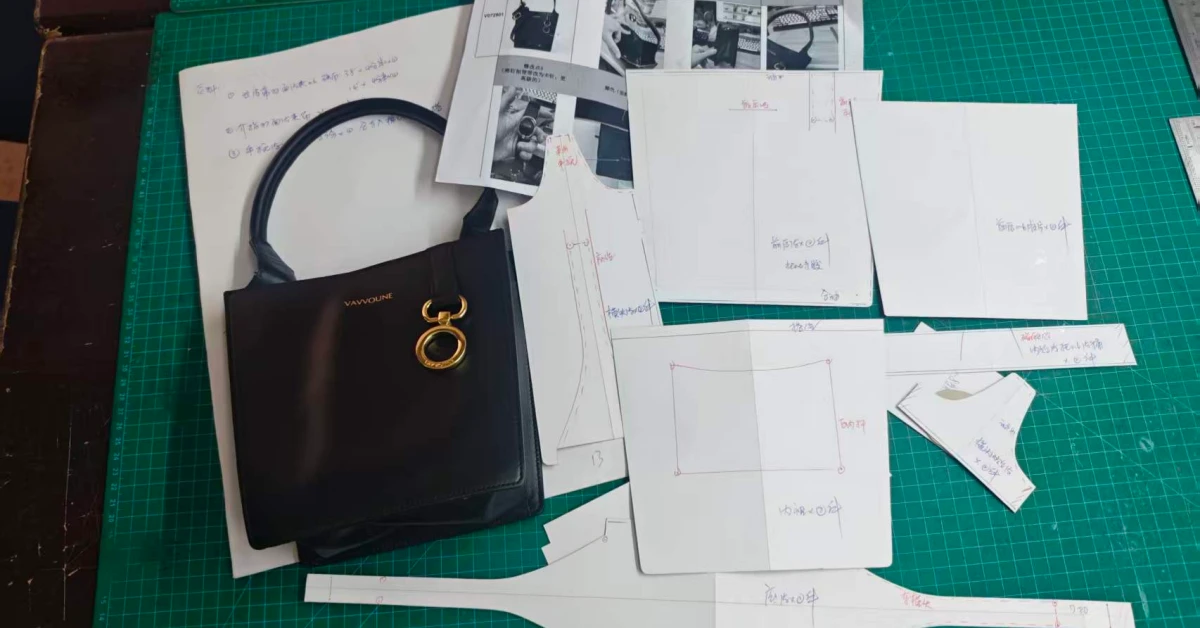
• pattern making
• material cutting
• initial assembly
• testing and adjustments
Most manufacturers provide:
• 1–3 sample revisions
• structural optimization
• material recommendations
Sampling helps identify design issues before mass production.
Step 5: Costing and Quotation
After sample development, manufacturers provide a quotation.
Cost depends on:
• materials
• hardware
• labor
• order quantity (MOQ)
Typical Cost Structure
| Cost Factor | Impact |
|---|---|
| Material | Highest cost component |
| Labor | Depends on complexity |
| Hardware | Affects final pricing |
| MOQ | Lower MOQ = higher unit cost |
Understanding cost structure helps brands optimize pricing strategies.
Step 6: Sample Approval
Before production, the sample must be approved.
This stage includes:
• design confirmation
• material validation
• size and structure adjustment
Once approved, the sample becomes the production standard.
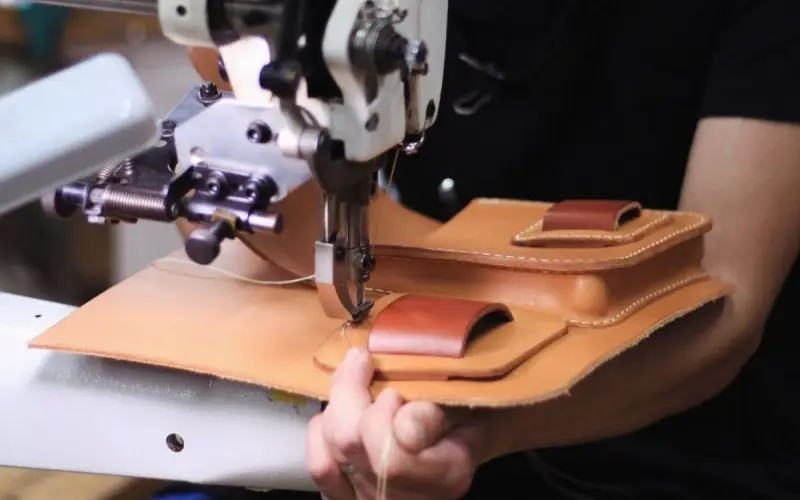
Step 7: Mass Production
Mass production begins after sample approval.
Typical steps include:
• material preparation
• cutting
• stitching
• assembly
• finishing
Production timelines usually range from 30 to 45 days.
Step 8: Quality Control and Inspection
Quality control ensures product consistency.
Professional manufacturers follow a multi-stage QC system:
• raw material inspection
• in-line production checks
• final inspection
Key Inspection Points
✔ stitching strength
✔ handle reinforcement
✔ zipper function
✔ edge finishing
✔ structural stability
Step 9: Packaging and Logistics
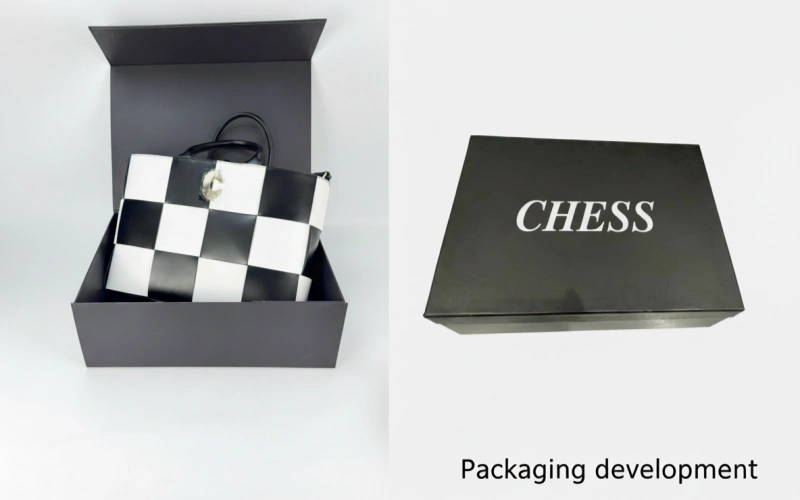
After production, products are prepared for shipment.
This includes:
• custom packaging
• labeling
• export documentation
• shipping arrangement
Packaging options may include:
• branded boxes
• dust bags
• hang tags
Typical Timeline of Custom Handbag Manufacturing
| Production Stage | Timeline |
|---|---|
| Design & tech pack | 3–7 days |
| Sample development | 10–15 days |
| Sample revisions | 7–10 days |
| Mass production | 30–45 days |
| Quality inspection | 2–5 days |
Timelines vary based on product complexity and order size.
Common Mistakes to Avoid
Many brands make avoidable mistakes during production:
• unclear design specifications
• skipping sample revisions
• choosing materials based only on price
• working with inexperienced manufacturers
Avoiding these mistakes can significantly improve product quality.
Handbag Manufacturing Checklist
Before starting production, confirm the following:
✔ tech pack completed
✔ materials confirmed
✔ sample approved
✔ MOQ agreed
✔ production timeline defined
✔ quality standards clarified
This checklist helps reduce production risks.
Work with a Professional Handbag Manufacturer – XINZIRAIN
XINZIRAIN is the core brand of our manufacturing group, with over a decade of experience in footwear and handbag production for global fashion brands. As a full-service OEM and ODM partner, we support brands from concept development to large-scale manufacturing.
To better serve handbag-focused clients, we operate BAGSRAIN as our dedicated sub-brand for bag manufacturing. BAGSRain specializes in the development and production of handbags, tote bags, crossbody bags, backpacks, and small leather goods, offering a more focused and professional approach to bag production.
Through our integrated supply chain, we provide:
• custom handbag design and development
• leather and material sourcing
• sample development and refinement
• mass production (30–45 days)
• strict quality control and global logistics
Whether you are launching a new brand or expanding an existing collection, our team ensures a smooth and reliable manufacturing process.
If you are looking to create handbags for your own brand, XINZIRAIN is your trusted manufacturing partner, and BAGSRAIN is your dedicated bag production solution.
Send your tech pack or design concept to get started with our team.
Conclusion
Custom handbag manufacturing is a structured process that requires coordination between design, materials, and production.
Understanding each step allows brands to:
• reduce risks
• improve product quality
• optimize production efficiency
Choosing the right manufacturer is key to building a successful handbag brand.
FAQ
How long does custom handbag manufacturing take?
Typically, 30–45 days after sample approval.
What is the MOQ for custom handbags?
Usually 50–300 pieces, depending on the manufacturer.
Can I customize materials and logo?
Yes, most OEM manufacturers support full customization.
How much does it cost to manufacture a handbag?
Costs vary depending on materials, complexity, and order size.