
In recent seasons, a noticeable shift has taken place in the global handbag market.
While mainstream consumers still gravitate toward iconic logos and seasonal bestsellers, a growing segment of fashion-aware buyers is moving in the opposite direction—toward niche, design-led luxury bags that prioritize silhouette, material, and proportion over instant recognizability.
This is not about rejecting luxury.
It’s about redefining what luxury looks like in 2026.
From “It Bags” to Intelligent Design
For years, the success formula for luxury handbags was clear:
strong branding, recognizable hardware, and wide social visibility.
Today, however, many style leaders are deliberately choosing bags that:
-
Do not rely on oversized logos
-
Are not instantly recognizable from a distance
-
Reveal their value through construction, detail, and wearability
This shift reflects a more mature stage of consumer taste—one where design intelligence replaces visual noise.
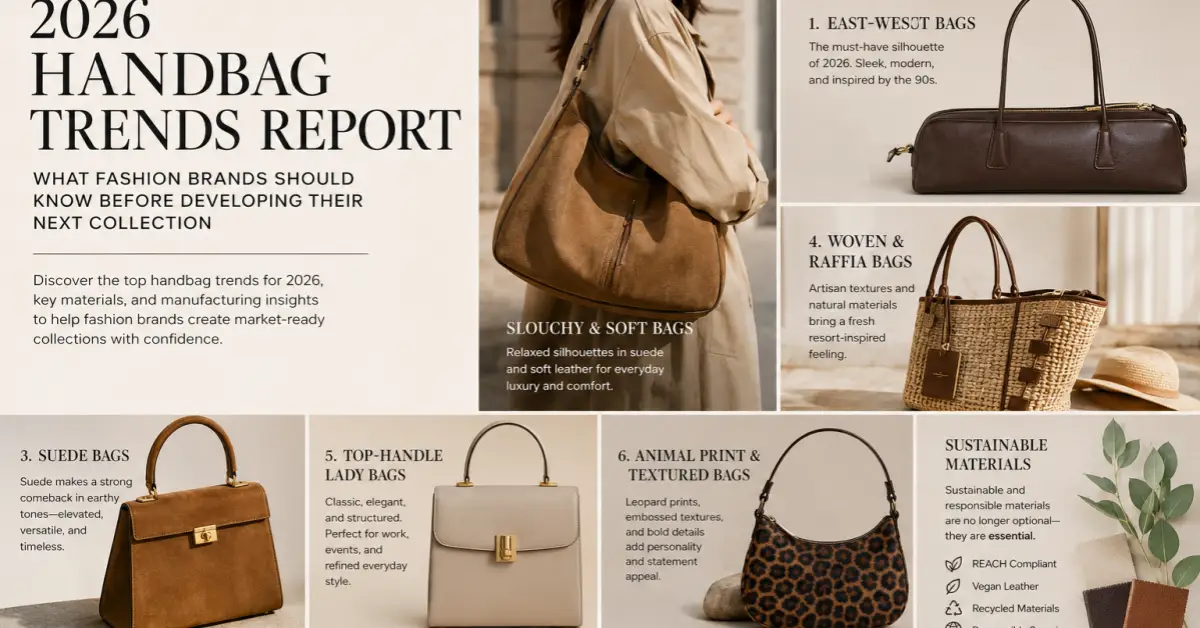
Key Design Trend #1: The Return of the Hobo—Refined, Not Casual
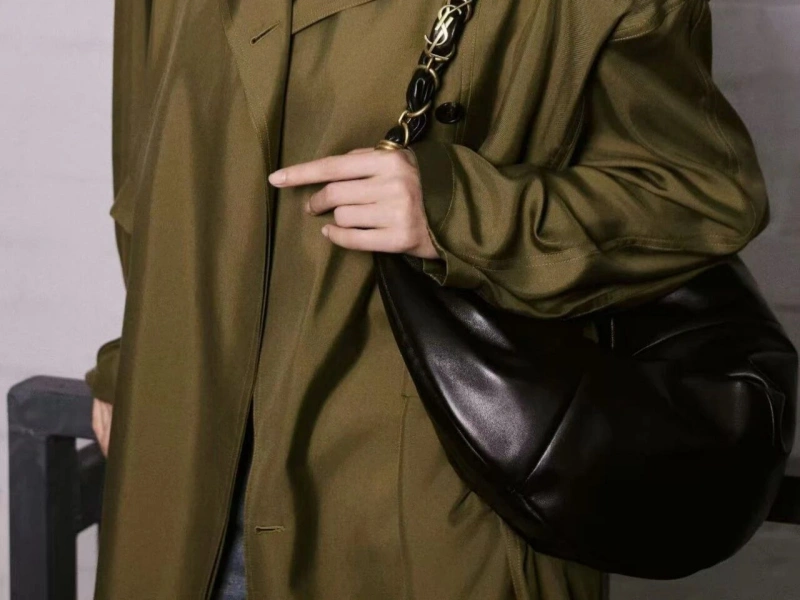
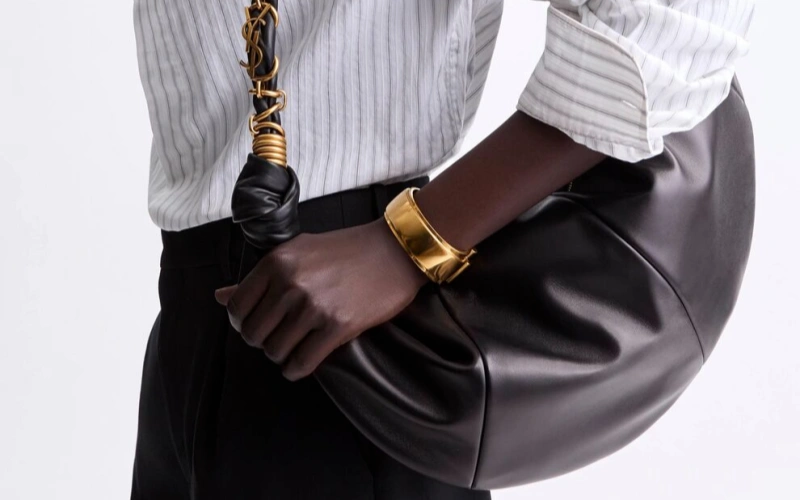
One of the most consistent silhouettes across niche luxury releases is the hobo bag.
Soft, curved, and naturally slouching, the hobo shape has re-emerged as a symbol of relaxed confidence. Unlike earlier casual interpretations, today’s hobo bags are defined by controlled softness—bags that drape beautifully without losing structure.
Examples from brands such as Saint Laurent and Phoebe Philo demonstrate a shared logic:
-
Minimal exterior branding
-
Emphasis on leather quality and strap construction
-
Hardware is integrated into the structure rather than the decoration
For brands, this silhouette offers long-term value: it adapts easily across seasons and styling contexts while aging gracefully through wear.
Key Design Trend #2: Hidden Branding and Structural Signatures
Rather than removing branding entirely, many designers are embedding identity into construction.
This can be seen in:
-
Logos integrated into chain links or closures
-
Signature handles or frame shapes
-
Distinctive side profiles recognizable only to informed eyes
Designs from Celine illustrate how subtle framing, proportion, and closure mechanisms can communicate brand heritage without visual excess.
For the end user, this creates a sense of quiet recognition—bags that feel personal rather than performative.
Key Design Trend #3: Soft Structure as a Technical Challenge
Soft-looking bags are often perceived as “simple.”
In reality, they are among the most technically demanding to execute.
A successful relaxed bag requires:
-
Precisely selected leather thickness
-
Strategic internal reinforcement
-
Lightweight yet durable hardware
-
Construction that allows movement without collapse
Brands like Loro Piana excel here, demonstrating how softness can coexist with longevity and form stability.
This trend places manufacturing expertise at the center of design success.
Key Design Trend #4: Distinctive Silhouettes Without Excess Decoration
Another defining feature of niche luxury bags in 2026 is silhouette-driven identity.
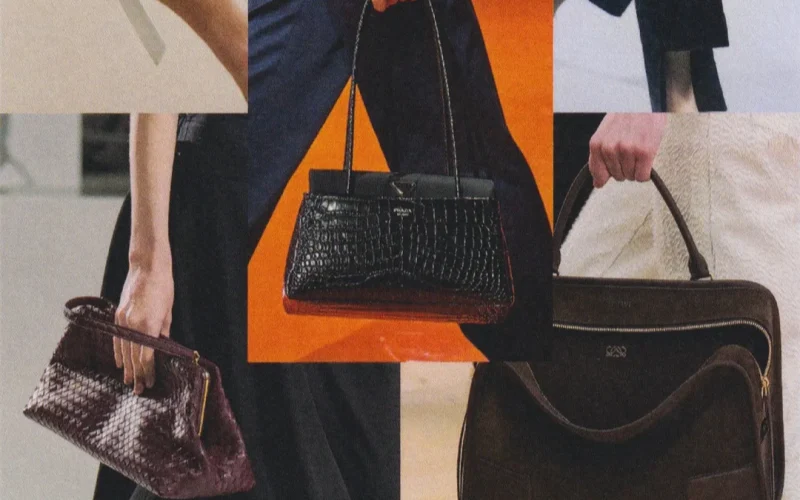
Designs such as sculptural totes, folded forms, or frame-based structures—seen at houses like Alexander McQueen and Bottega Veneta—stand out not because of ornamentation, but because of shape.
This approach allows bags to remain visually strong while staying timeless.
What This Means for Emerging and Private Label Brands
For brand founders, retailers, and designers, these trends point to a clear opportunity:
-
Move away from logo dependency
-
Invest in silhouette, material, and construction
-
Build collections that age well rather than peak quickly
However, executing this strategy depends heavily on choosing the right manufacturing partner.
Translating Design Logic into Market-Ready Products with XINZIRAIN
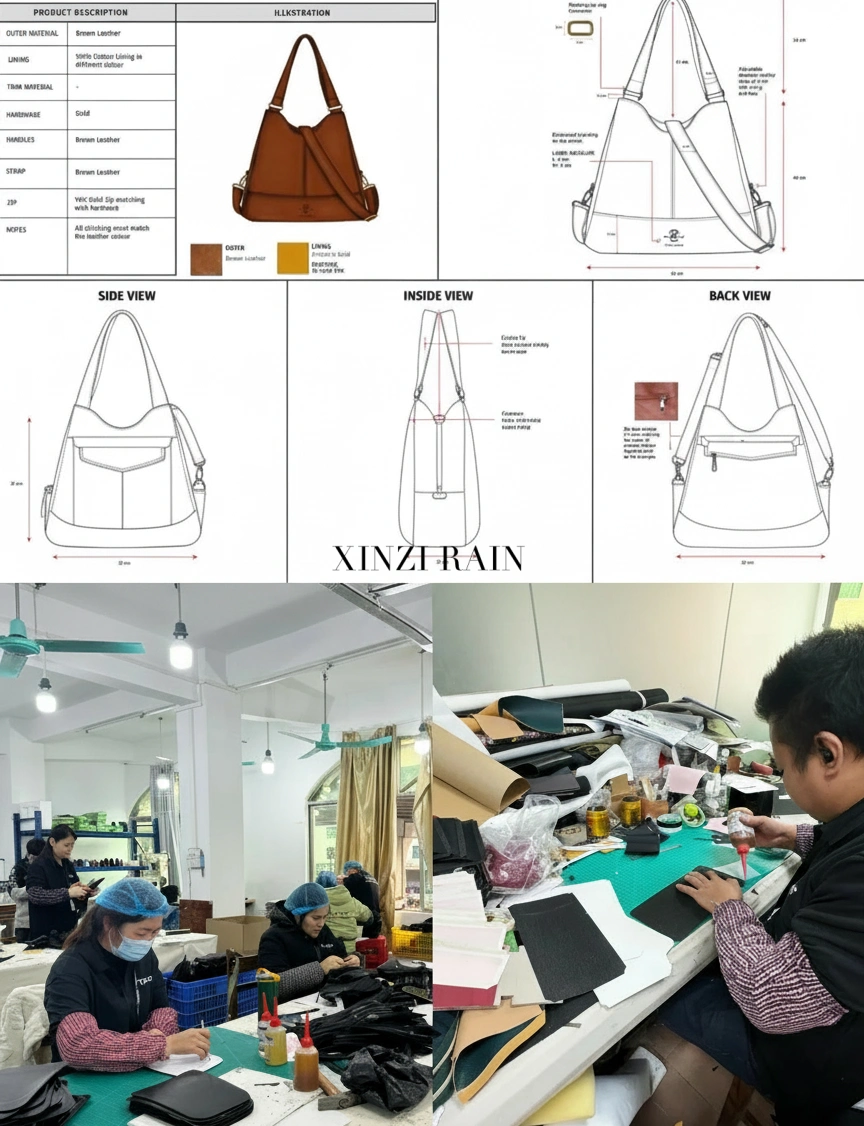
At XINZIRAIN, we work with brands that want to develop bags aligned with this new generation of luxury thinking.
As a China-based bag manufacturer with Italian-inspired craftsmanship standards, we support:
-
Slouchy hobo bags and soft leather totes
-
Minimalist shoulder and top-handle designs
-
Structure-driven silhouettes with subtle brand identity
Our approach focuses on:
-
Leather selection and temper control
-
Construction techniques for soft-structured bags
-
Functional internal layouts for real daily use
-
Flexible MOQs for both emerging and established brands
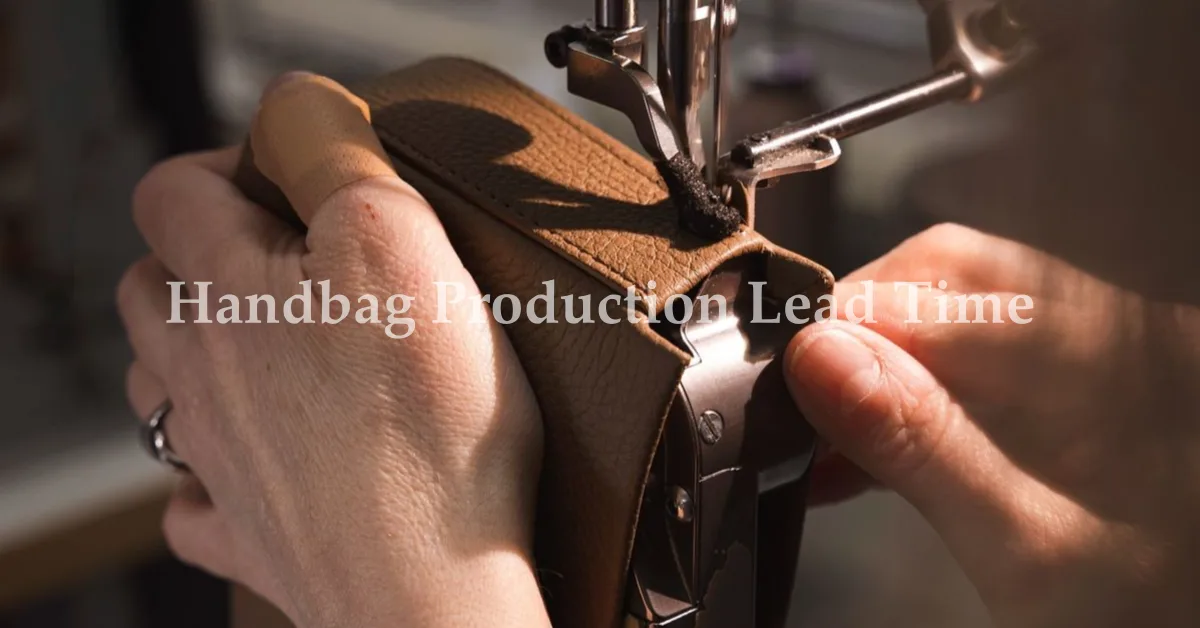
From sampling to bulk production, timelines typically range from 30–45 days, depending on design complexity and material confirmation.
Rather than producing trend-driven replicas, we help brands translate design logic into commercially viable collections.
Conclusion: Quiet Design Is the New Statement
The growing appeal of niche luxury bags is not accidental.
It reflects a deeper shift toward intention, restraint, and confidence in design.
In 2026, the most compelling bags are not the loudest ones—but the most considered.
For brands looking to build long-term value, focusing on silhouette, material, and construction—supported by the right manufacturing partner—will define success far more than chasing short-lived hype.
If you’re developing a bag collection that prioritizes design logic over logos, we’re ready to support your next step.
Share your concept, reference images, or technical requirements, and let XINZIRAIN help you turn refined ideas into market-ready products.
Frequently Asked Questions
What defines quiet luxury handbags in 2026?
Quiet luxury handbags in 2026 are defined by refined silhouettes, minimal or hidden branding, and a strong focus on material quality and construction. Instead of relying on visible logos, these bags communicate value through proportion, texture, and long-term wearability.
Why are slouchy and hobo bags trending again?
Slouchy and hobo bags are returning because they align with modern lifestyles that prioritize comfort and everyday functionality. Their soft structure allows natural movement, while controlled construction ensures they remain polished rather than shapeless.
Are logo-free or low-logo bags harder to sell?
For design-conscious consumers, logo-free or low-logo bags are often easier to sell. These customers value craftsmanship and individuality, and they tend to view subtle branding as a sign of confidence and long-term style rather than trend chasing.
What makes soft-structured bags technically challenging to manufacture?
Soft-structured bags require precise leather selection, careful control of leather temper, and strategic internal reinforcement. The challenge is achieving a natural drape while maintaining durability, shape retention, and daily usability.
How can private label brands adopt quiet luxury bag trends?
Private label brands can adopt quiet luxury trends by focusing on timeless silhouettes, high-quality materials, and subtle design details. Working with a manufacturer experienced in refined construction helps ensure the final product feels intentional and market-ready.
What types of bags work best for this trend?
Hobo bags, soft leather totes, minimalist shoulder bags, and sculptural but functional silhouettes perform best. These styles balance visual softness with practical capacity, making them suitable for everyday use across multiple markets.
What should brands look for in a bag manufacturer for quiet luxury collections?
Brands should look for manufacturers with strong material sourcing capabilities, experience in soft-structured construction, consistent quality control, and the ability to support both sampling and scalable production.
How does XINZIRAIN support brands developing quiet luxury handbags?
XINZIRAIN supports brands by offering Italian-inspired craftsmanship standards, carefully selected leathers, flexible MOQs, and end-to-end OEM/ODM and private label services. From sampling to bulk production, we help transform design concepts into commercially viable handbags.