

Introduction: Why Bag Materials Matter More Than Ever
In today’s global accessories market, bag materials are no longer just a cost or aesthetic decision — they directly impact brand positioning, sustainability credibility, product lifespan, and customer satisfaction.
As consumer expectations evolve across Europe, North America, and the Middle East, brands are increasingly demanding materials that balance durability, tactile quality, environmental responsibility, and functional performance.
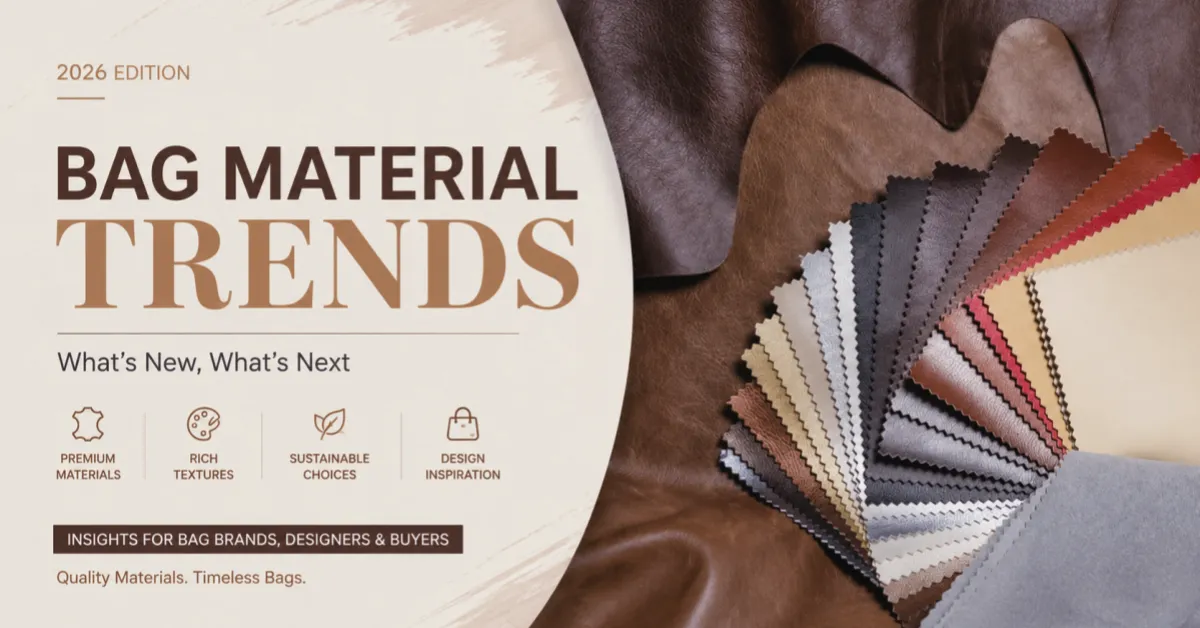
Based on recent product development projects and material sourcing trends, this article explores the key bag material directions for 2026–2027, and how brands can make smarter material choices when developing handbags, totes, backpacks, and wallets.
Light Wool: Redefining Soft Structure in Bags
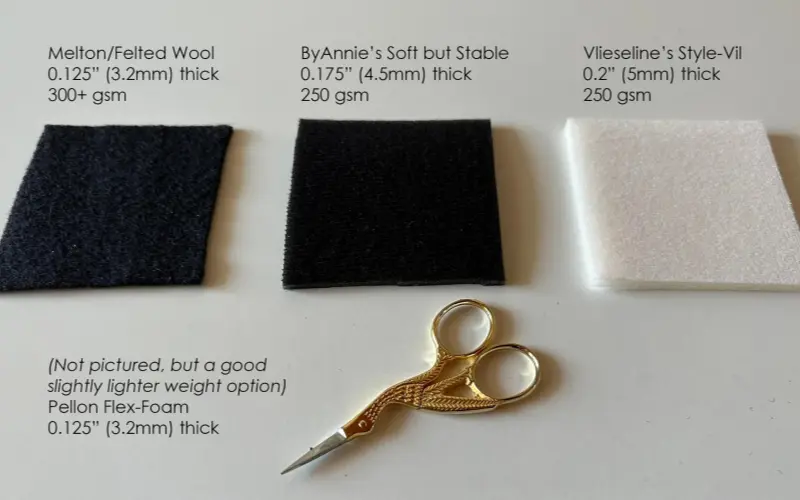
Light wool is emerging beyond apparel and entering structured accessories — particularly in urban totes, work bags, and seasonal lifestyle collections.
Why brands are choosing light wool:
-
Naturally breathable and temperature-adaptive
-
Soft structure without excessive padding
-
Elevated, minimalist appearance suited to premium positioning
Light wool is often laminated or backed with reinforcement layers to improve shape retention and abrasion resistance, making it viable for everyday bags rather than purely fashion items.
Best use cases:
City totes, winter collections, soft briefcases, lifestyle shoulder bags
Fine Canvas: A Functional Classic Re-engineered
Fine canvas continues to dominate utility-driven and heritage-inspired bags, but the material itself has evolved significantly.
Modern fine canvas now features:
-
Tighter weave density for improved tear resistance
-
Surface treatments for stain resistance
-
Compatibility with leather or recycled PU trims
For brands targeting longevity and understated design, canvas offers a durable, brand-neutral base material that scales well across different price tiers.
Best use cases:
Travel bags, everyday backpacks, crossbody bags, private-label basics
Waterproof Nylon: Performance Meets Urban Design
Waterproof nylon has shifted from outdoor gear into mainstream urban bags, driven by commuter lifestyles and weather-resilient design expectations.
Key advantages:
-
Lightweight yet abrasion-resistant
-
Water repellency without bulky coatings
-
Easy maintenance for daily use
High-quality waterproof nylon allows brands to maintain a clean silhouette while delivering real functional benefits — especially important for backpacks and tech-friendly designs.
Best use cases:
Backpacks, commuter bags, functional totes, travel accessories
Glossy Leather: Visual Impact with Controlled Application
Glossy leather is returning as a statement material, used selectively rather than across entire collections.
When executed correctly, glossy leather:
-
Enhances perceived value and shelf appeal
-
Works well for small bags and accents
-
Signals fashion-forward intent without sacrificing durability
Modern finishing techniques improve scratch resistance compared to earlier generations, making glossy leather more practical for real-world use.
Best use cases:
Mini bags, evening bags, accent panels, seasonal highlights
Soft Deerskin: Tactile Luxury for Premium Lines
Soft deerskin represents a shift toward touch-driven luxury, appealing to consumers who value comfort and sensory experience.
Why brands invest in soft deerskin:
-
Exceptional softness and flexibility
-
Natural grain character
-
High comfort for shoulder-carried bags
Because deerskin requires careful cutting and stitching, it is typically reserved for premium or limited-run collections rather than mass production.
Best use cases:
Shoulder bags, hobo bags, premium wallets, soft carry bags
Pure Pigmented Leather: Consistency, Durability, Scalability
Pure pigmented leather remains a cornerstone for brands that prioritize color consistency, durability, and repeatability.
Key strengths:
-
Uniform color across batches
-
Excellent resistance to fading and abrasion
-
Stable performance in large-scale production
This material is especially valuable for private-label and retail programs where long-term color consistency matters as much as aesthetics.
Best use cases:
Core handbag lines, retail programs, and large-volume production styles
Sustainability and Compliance: No Longer Optional
Across all material categories, compliance and sustainability expectations continue to rise.
Brands targeting EU and US markets now routinely require:
-
REACH compliance
-
Prop 65 alignment
-
Clear material traceability
Material choice is increasingly evaluated not just by design teams, but by compliance managers and sourcing directors — making early material decisions critical.
How Manufacturers Influence Material Success
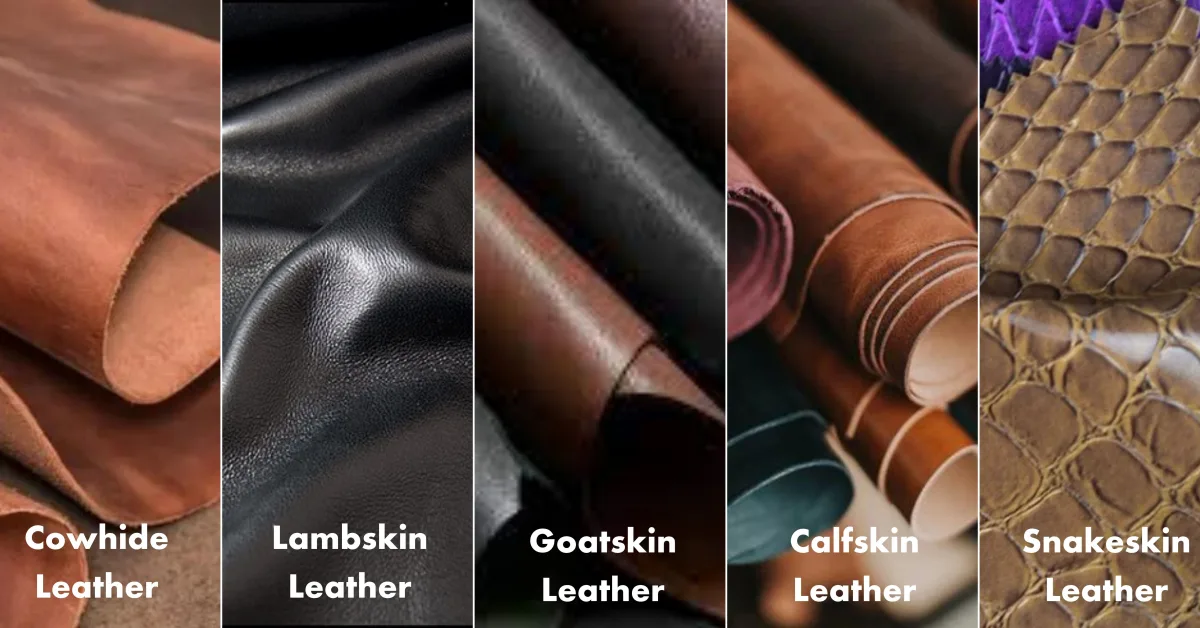
While materials define potential, manufacturing expertise determines execution.
An experienced bag manufacturer helps brands:
-
Match materials to functional requirements
-
Adjust construction techniques per material behavior
-
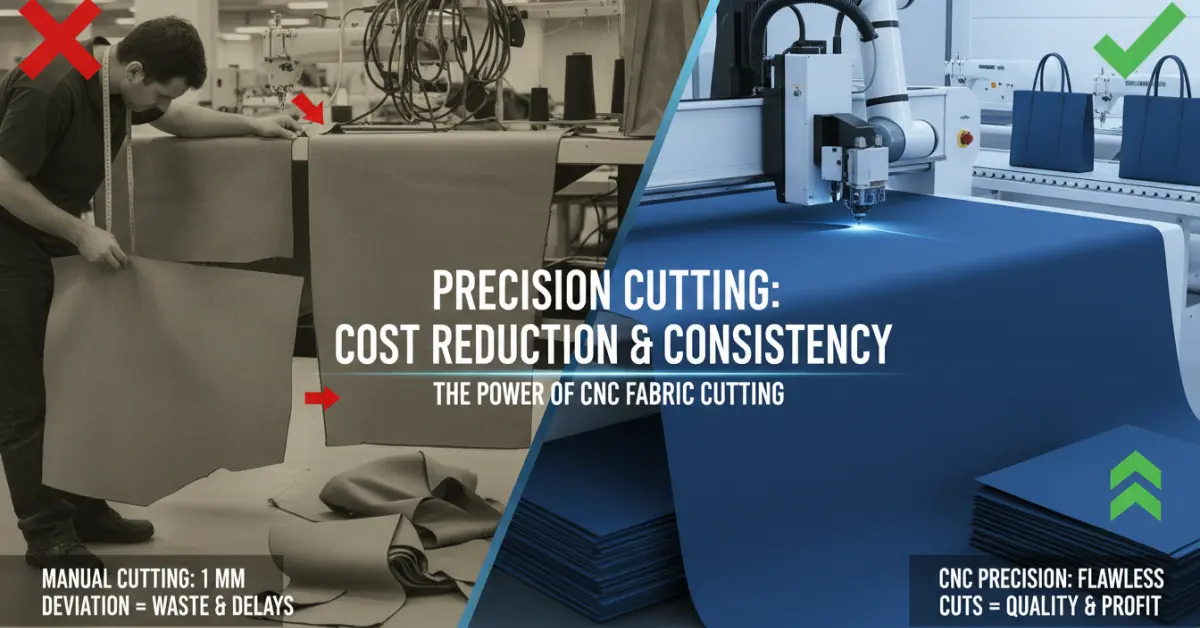
Control waste and improve yield rates
-
Ensure consistency from sampling to bulk production
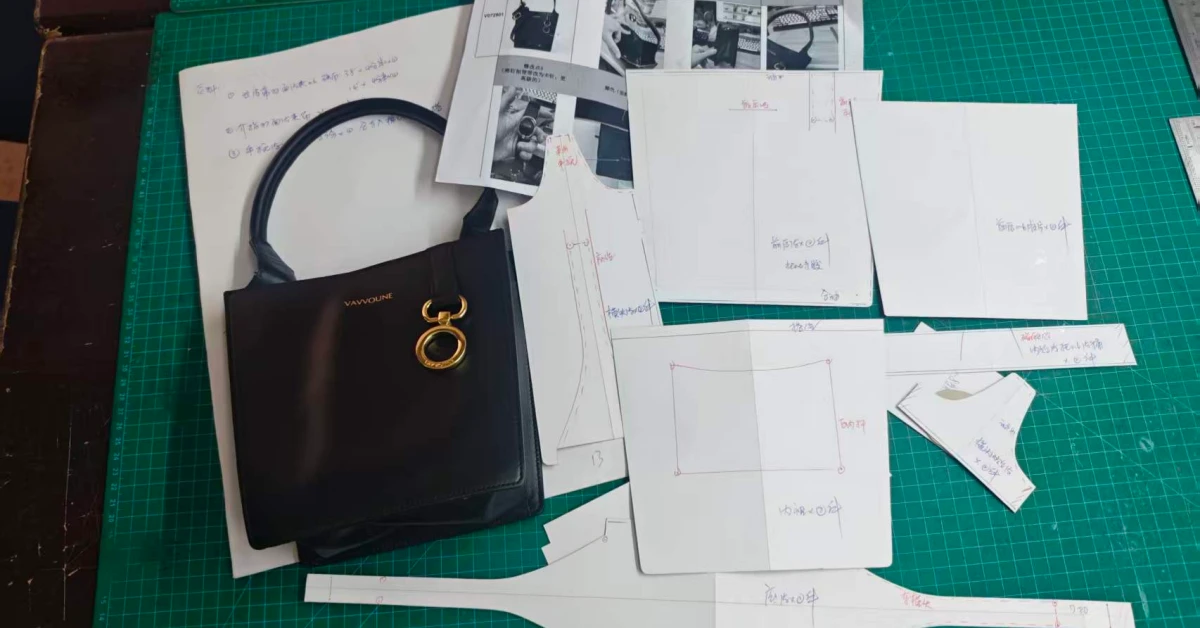
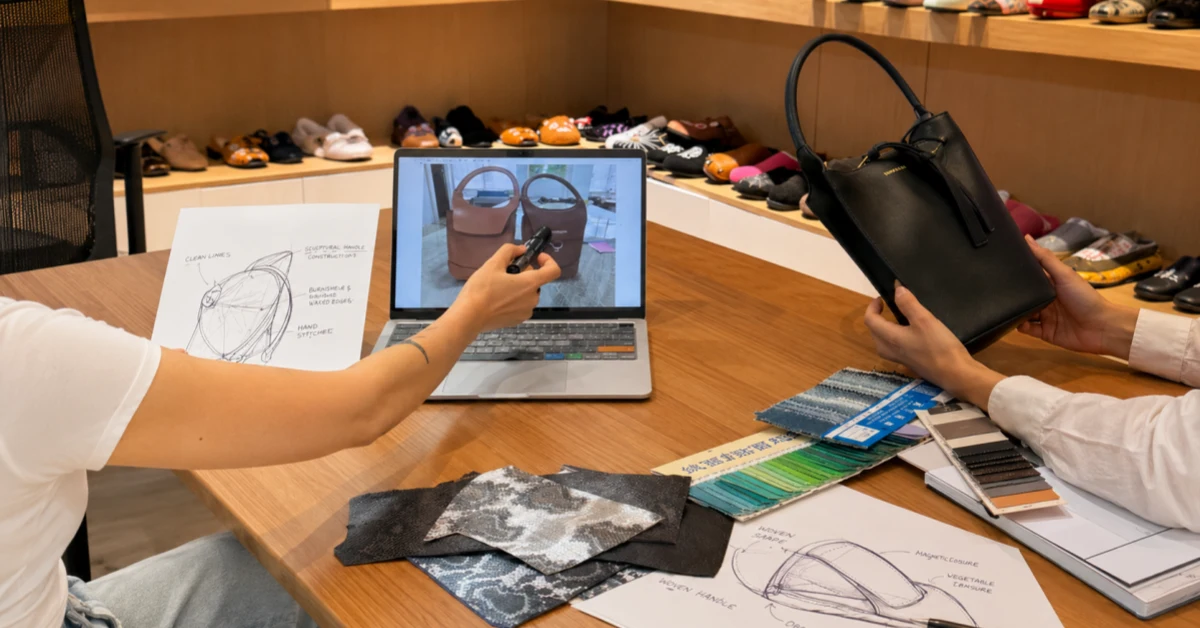
At XINZIRAIN, material selection is integrated into the product development process — from early design consultation through sampling and final production — ensuring materials perform as intended in real-world use.
Final Thoughts: Materials as a Strategic Advantage
The most successful bag collections of 2026–2027 will not rely on trends alone, but on informed material strategy.
By combining:
-
Purpose-driven material selection
-
Market-appropriate design
-
Reliable manufacturing execution
brands can build collections that are not only visually compelling, but commercially sustainable.
If you are developing a new bag line or refining an existing collection, choosing the right materials — and the right manufacturing partner — will define your long-term success.
Planning your next bag collection?
Send your tech pack or material requirements to XINZIRAIN and explore material options tailored to your target market, compliance needs, and production scale.