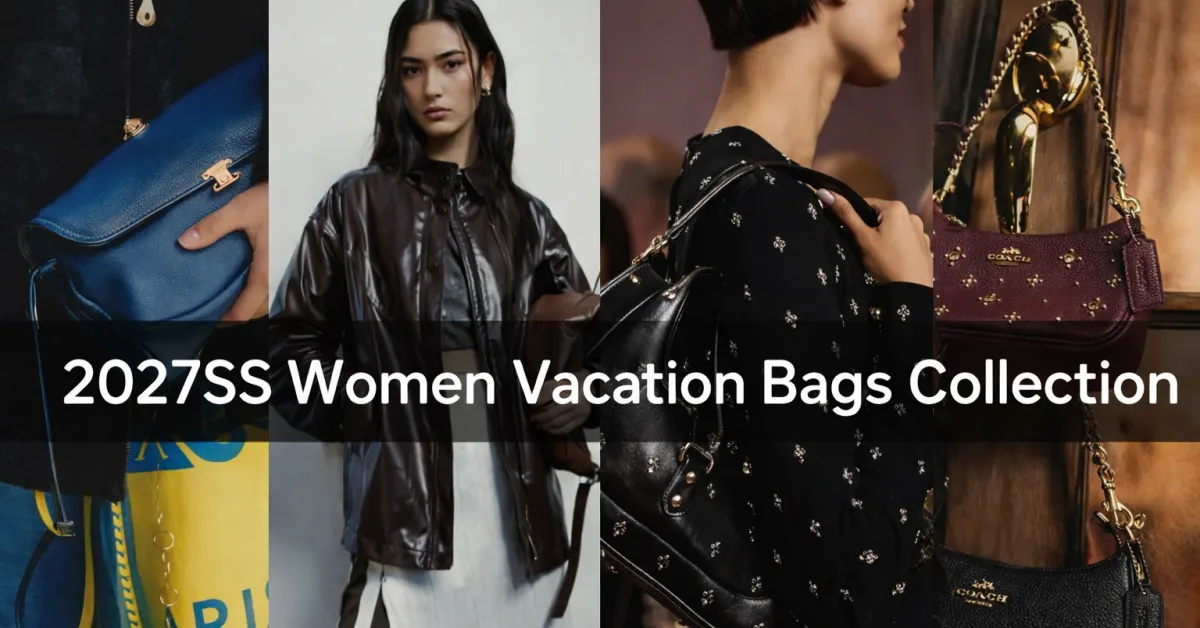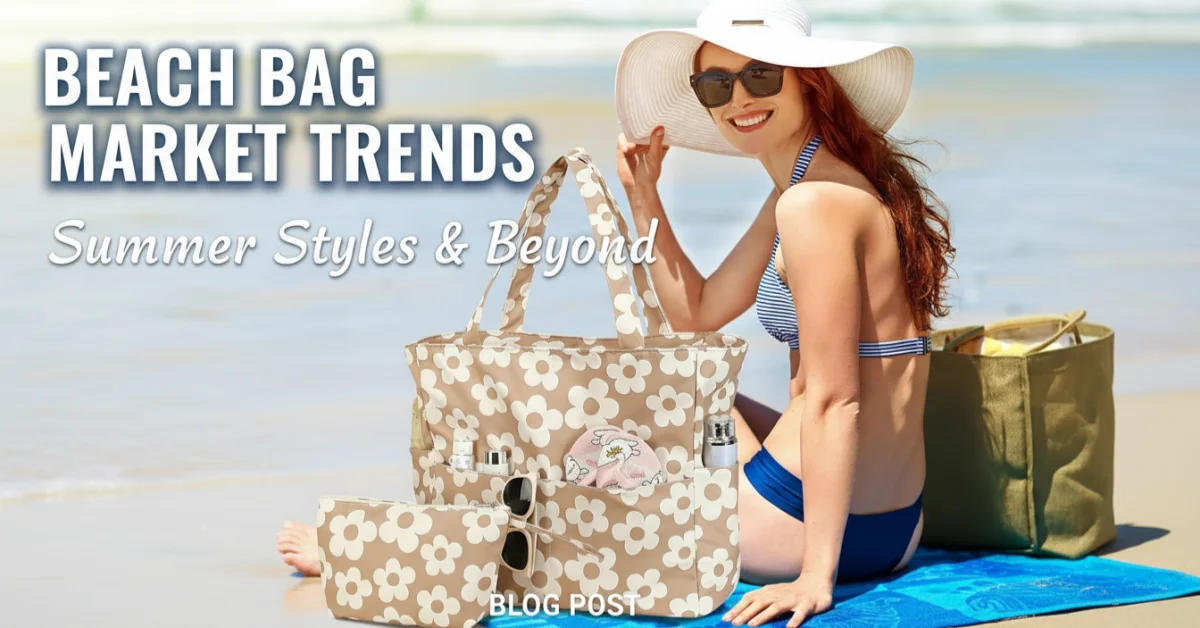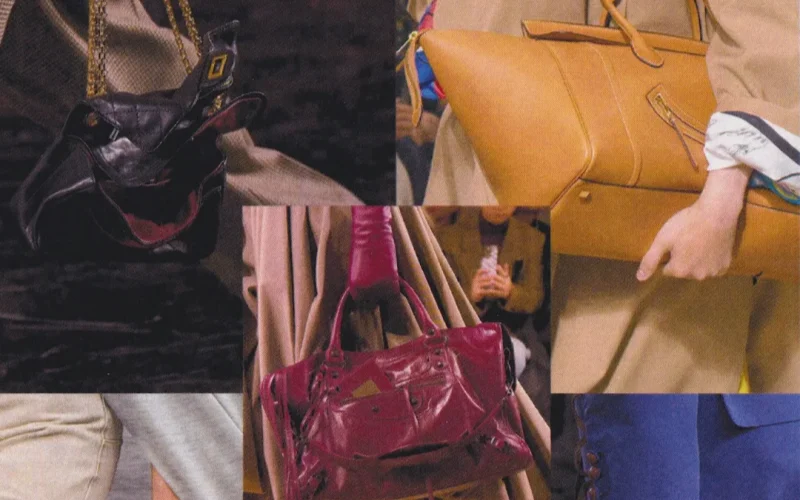

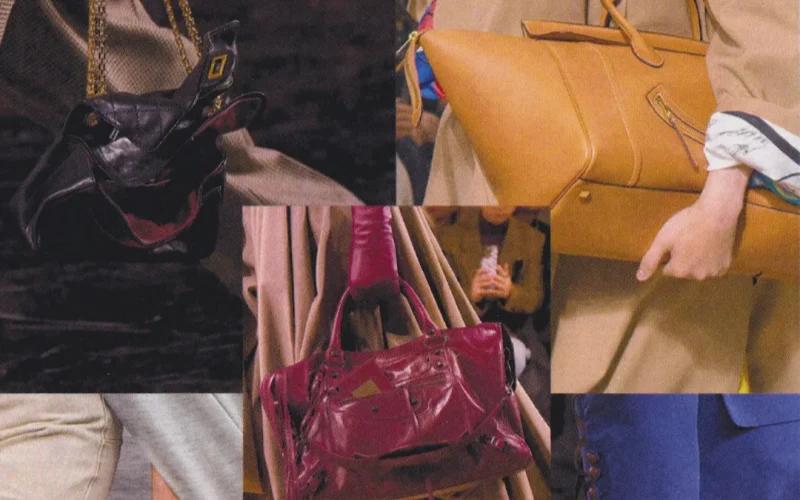
As we move into 2027, handbags are no longer just accessories — they are strategic pieces. From runway previews to TikTok styling culture and retail buyer reports, bag trends are clearly shifting toward emotional storytelling, functionality, and material intelligence.
For fashion brands, understanding 2027 handbag trends is not about chasing aesthetics. It’s about aligning product development with consumer behavior, climate reality, sustainability pressure, and pricing strategy.
Here is what is actually gaining traction across major platforms and global markets.
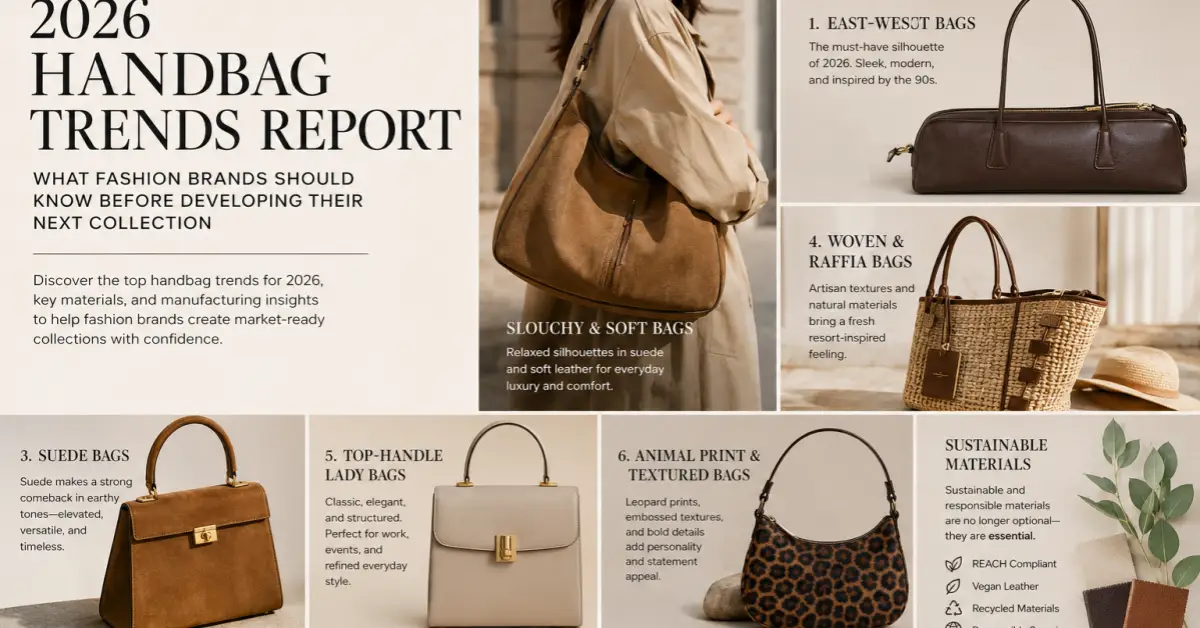
Soft Structure & Relaxed Luxury (The Rise of Slouch)
Across recent runway seasons and influencer styling feeds, one silhouette dominates: soft, relaxed, body-adaptive bags.
Search growth and visual trend indicators show increased interest in:
-
Slouchy shoulder bags
-
Soft leather totes
-
Hobo silhouettes
-
Oversized, unstructured carryalls
Consumers are moving away from rigid, logo-heavy statement pieces toward tactile, understated shapes that signal quiet luxury.
Why this matters:
-
Soft construction photographs well on social media.
-
It aligns with work-from-anywhere lifestyles.
-
It supports a larger interior capacity without appearing bulky.
For brands, this means material selection and internal structure engineering become more important than hardware branding.
Oversized Functional Totes & Daily Utility Bags
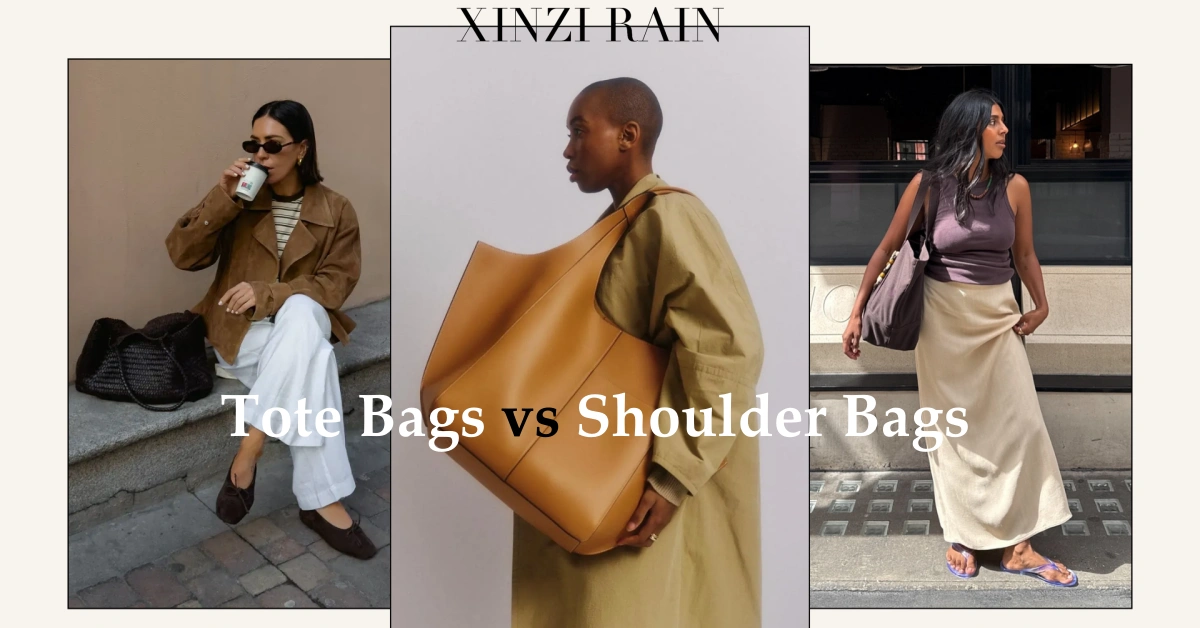
Post-pandemic lifestyle shifts continue influencing design. Women’s bags in 2027 are expected to balance:
-
Laptop compatibility
-
Travel flexibility
-
Everyday carry practicality
-
Lightweight comfort
Large totes, bowling-style bags, and refined work bags are consistently appearing in pre-collections and retail forecasting reports.
This is not a “trend moment” — it’s a structural lifestyle shift.
High-intent searches around:
-
Work tote bags
-
Travel shoulder bags
-
Functional women’s handbags
continue rising across search engines and marketplace platforms.
Brands that engineer weight distribution, reinforced strap roots, and durable base panels will win long-term customer loyalty.
Elevated Craft & Texture Storytelling
Minimalism is evolving — not disappearing.
In 2027, texture replaces loud logos.
Observed growth areas:
-
Woven leather panels
-
Subtle embossing
-
Artisanal edge finishing
-
Decorative stitching
-
Natural-grain leather storytelling
Luxury buyers increasingly respond to visible craftsmanship rather than overt branding.
On platforms like Instagram and Pinterest, close-up detail shots outperform flat product images.
For emerging brands, investing in material depth and finishing consistency delivers stronger perceived value than adding more hardware.
Personalization & Charm Culture (Maturing, Not Disappearing)
Bag charms and personalization remain visible, but the tone has shifted.
Instead of playful novelty, 2027 shows:
-
Minimal metallic charms
-
Initial tags
-
Literary or symbolic pendants
-
Custom strap swaps
Personalization is evolving into identity signaling rather than decoration.
Brands that design modular add-ons or interchangeable components can extend product lifecycle and average order value.
Emotional Color Palettes Over Trend Colors
Color forecasting for 2027 shows a move toward emotionally grounded tones rather than seasonal shock colors.
Strong commercial palettes include:
-
Deep navy and inky blues
-
Earth browns and spice tones
-
Soft greys
-
Muted reds
-
Forest greens
Brights still appear in niche drops, but long-term sellers are grounded in wearable, cross-season colors.
For B2B brands and private label development, limiting early color SKU expansion and focusing on 3–4 core emotional tones improves reorder velocity.
Material Transparency & Sustainability Pressure
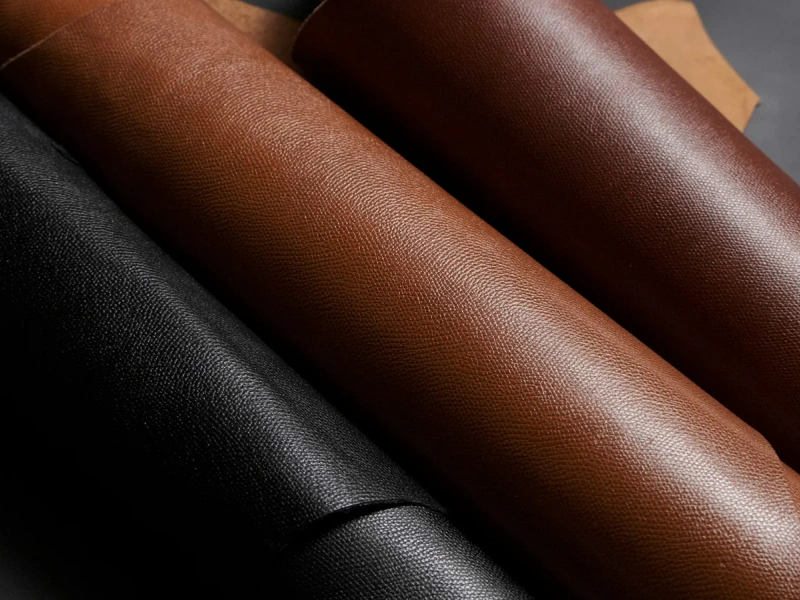
In 2027, material transparency is no longer optional.
Consumers and retailers increasingly ask:
-
Is this PU or PVC?
-
What type of leather is this?
-
Is it plant-based or hybrid?
-
How long will it last?
The real conversation is shifting from “vegan vs leather” to:
Durability vs disposability.
Luxury brands lean into:
-
Full-grain leather
-
Vegetable tanning
-
Repair programs
Vegan-first brands lean into:
-
Microfiber vegan leather
-
Plant-based alternatives
-
PVC-free claims
But across both segments, the demand is the same: clarity.
Brands that clearly explain material composition outperform vague “eco” language.
Engineering Matters More Than Marketing
From a manufacturing perspective, the 2027 handbag market is less forgiving.
Common failure points we continue to see globally:
-
Strap base tearing
-
Edge cracking
-
Corner abrasion
-
Heat exposure damage
Whether using real leather or vegan materials, internal reinforcement, lining structure, and stress-point construction determine review performance.
This is where partnering with experienced handbag manufacturers in China becomes strategically important.
What This Means for Private Label & Emerging Brands
If you are developing a 2027 bag collection, focus on:
-
Silhouette stability — soft but engineered
-
Durable materials aligned with brand promise
-
Emotional core colors
-
Modular personalization potential
-
Climate-tested construction
Trend-driven design without engineering discipline leads to short product life and return issues.
Trend-aligned design with manufacturing intelligence builds long-term brand equity.
Developing Your 2027 Collection with XINZIRAIN
As one of the experienced handbag manufacturers in China, XINZIRAIN works with global fashion brands on:
-
Private label bag development
-
Custom bag manufacturing
-
Material sourcing (leather, microfiber, plant-based options)
-
Structural reinforcement engineering
-
Low-MOQ scalable production
-
Sampling and bulk production coordination
For 2027 trend-driven collections, we recommend:
-
Early stress testing for strap roots and corners
-
Clear material spec sheets (PU vs PVC, leather grade, bio-based percentage)
-
Focused initial color selection
-
Production timelines aligned with seasonal retail drops
Trend relevance brings attention.
Durability and clarity bring repeat customers.
If you are planning your 2027 handbag line and need a manufacturing partner that understands both trend direction and structural execution, contact:
XINZIRAIN – China Bag Manufacturer
WhatsApp: +8615530191496
Let’s turn trend insight into scalable production.
FAQ – 2027 Handbag Trends & Manufacturing
What are the biggest handbag trends for 2027?
In 2027, soft-structured silhouettes, oversized utility totes, emotionally neutral color palettes, and material transparency are leading global handbag trends. Functional design and durability are becoming more important than logo-heavy styles.
How do I choose the right handbag manufacturer in China?
Look for handbag manufacturers in China with:
-
Clear material sourcing transparency
-
Experience in leather and vegan production
-
Low MOQ options
-
Sampling and stress-testing capability
-
Strong quality control systems
Manufacturing structure matters more than price alone.
What is the MOQ for private label handbag production?
MOQ depends on the material and construction complexity. Many custom bag manufacturers offer flexible MOQs starting from 50–300 pieces per style for structured leather or vegan handbags.
Is leather or vegan leather better for 2027 handbag collections?
It depends on your brand positioning.
-
Real leather supports long-term durability and premium positioning.
-
Vegan leather supports sustainability messaging and trend responsiveness.
Clear material communication is critical in 2027.
How long does handbag sample development take?
Typically 15–30 days, depending on:
-
Material availability
-
Custom hardware development
-
Construction complexity
-
Logo customization
OEM handbag suppliers with in-house sampling reduce development risks.
How can I reduce return rates in handbag production?
Return rates are usually caused by:
-
Weak strap reinforcement
-
Poor edge finishing
-
Low-grade PU cracking
-
Structural collapse
Working with experienced leather handbag manufacturing teams ensures internal reinforcement and durability testing before mass production.
Can Chinese handbag manufacturers produce sustainable collections?
Yes. Many sustainable handbag manufacturing factories now offer:
-
Vegetable-tanned leather
-
Microfiber vegan leather
-
PVC-free materials
-
Plant-based leather alternatives
-
REACH-compliant production
Always request material certification documentation.
How early should I plan for 2027 handbag production?
Brands should begin development 6–9 months before launch to allow:
-
Trend adaptation
-
Sampling revisions
-
Production scheduling
-
International shipping
Early planning ensures smoother scaling and better cost control.