
Quick Answer
Before hiring a handbag manufacturer, brands should evaluate far more than pricing. The most important questions involve MOQ, sample development capabilities, production lead times, material sourcing, quality control systems, compliance standards, OEM/ODM services, and communication processes. Asking the right questions early helps reduce production risks, avoid costly delays, and ensure your manufacturer can support your brand's long-term growth.
Key Takeaways
- MOQ and production flexibility directly impact startup brands.
- Sampling capabilities reveal a manufacturer's true development strength.
- Quality control processes are often more important than pricing.
- Compliance requirements vary by target market.
- Communication efficiency can determine project success.
- A reliable handbag manufacturer should support both product development and scaling.
Introduction
Finding a handbag manufacturer is easier than ever. Finding the right handbag manufacturer is much harder.
Thousands of factories around the world offer OEM, ODM, and private label bag production services. Yet many fashion brands still experience delayed shipments, inconsistent quality, communication issues, or samples that never match the original design concept.
The reality is that choosing a manufacturing partner is one of the most important decisions for any handbag brand. Whether you are launching a new collection, expanding into new markets, or building a private label business, the questions you ask before placing an order can significantly reduce risk and improve long-term profitability.
This guide outlines the most important questions every brand should ask before hiring a handbag manufacturer.
Why Choosing the Right Handbag Manufacturer Matters
A handbag manufacturer is more than a supplier.
They directly influence:
- Product quality
- Brand reputation
- Delivery timelines
- Cost control
- Product consistency
- Future scalability
A poor manufacturing decision can result in:
- Failed product launches
- Excess inventory
- Customer complaints
- Expensive rework
- Damaged brand reputation
That is why professional buyers spend significant time evaluating manufacturing partners before committing to production.
Question 1: What Is Your Minimum Order Quantity (MOQ)?
MOQ is often the first question brands ask.
However, many buyers only focus on finding the lowest MOQ instead of understanding how MOQ affects pricing and production efficiency.
Typical MOQ Ranges
| Production Type | Typical MOQ |
|---|---|
| Private Label Bags | 50-100 pcs |
| Custom Handbags | 100-300 pcs |
| Complex Luxury Bags | 200-500 pcs |
| Fully Customized Hardware Projects | 300+ pcs |
For startups, flexible MOQ options allow market testing without excessive inventory risk.
Expert Insight
A manufacturer willing to support lower MOQ projects often has stronger development capabilities and more flexible production systems.
Question 2: Can You Develop Fully Custom Designs?
Not all manufacturers offer true OEM services.
Some only provide existing catalog styles with logo customization.
Ask:
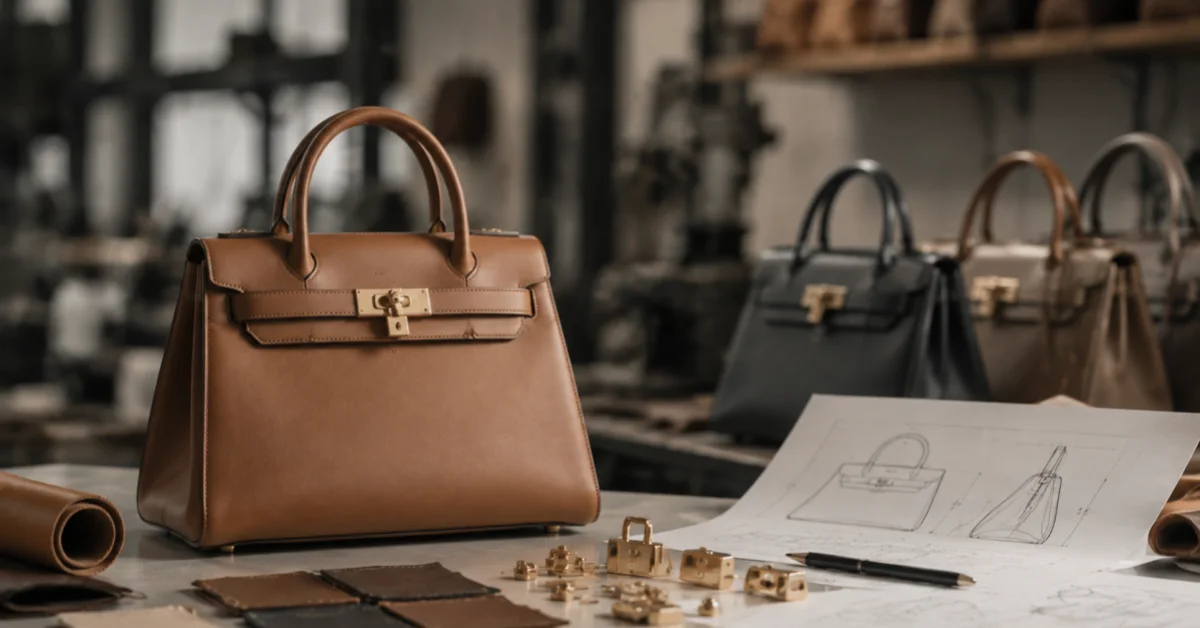
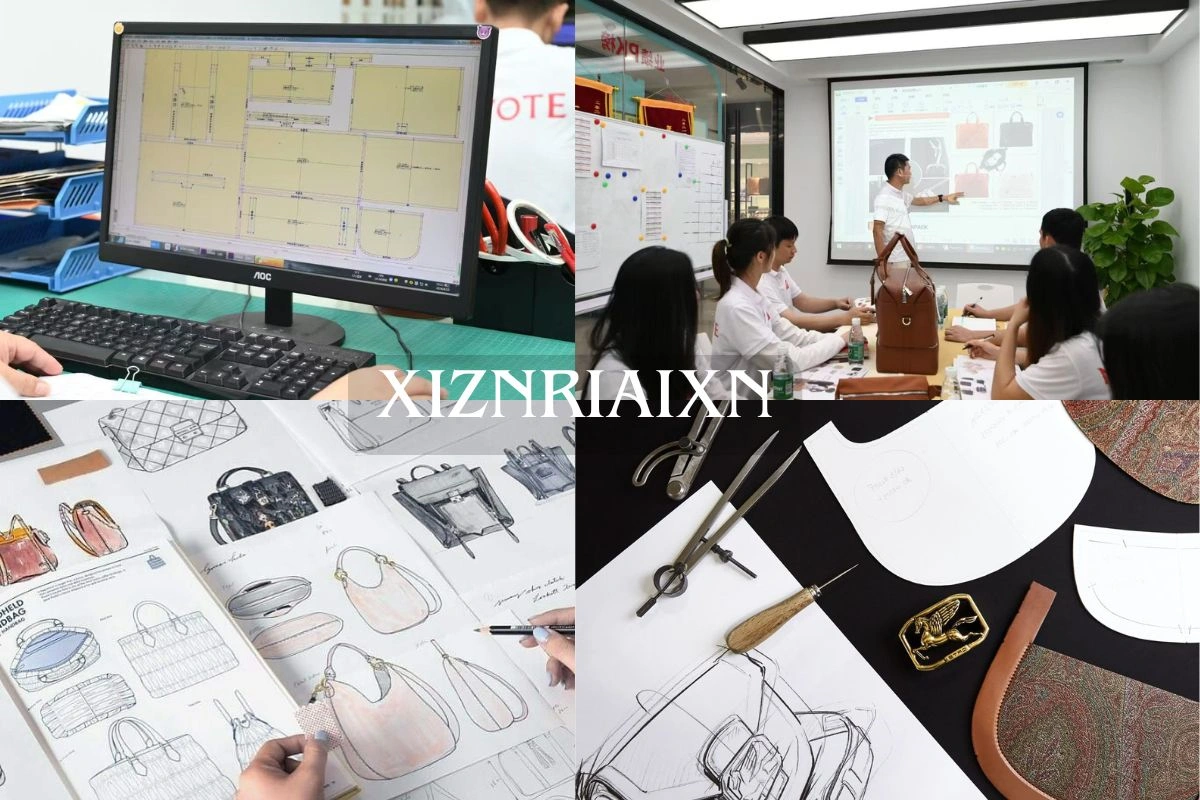
- Can you work from tech packs?
- Can you develop bags from sketches?
- Can you create products from reference photos?
- Do you support custom hardware development?
- Can you produce unique structures and dimensions?
The answers reveal whether the factory is a true OEM handbag manufacturer or primarily a private label supplier.
Question 3: What Materials Do You Offer?
Material selection affects:
- Product positioning
- Durability
- Retail pricing
- Sustainability claims
Common material options include:
Genuine Leather
- Full-grain leather
- Top-grain leather
- Suede
- Nubuck
Vegan Materials
- Microfiber leather
- Premium PU
- Apple leather
- Cactus leather
- Recycled materials
Fabric Options
- Canvas
- Nylon
- Polyester
- Denim
Ask manufacturers about sourcing capabilities and whether alternative materials can be developed for future collections.
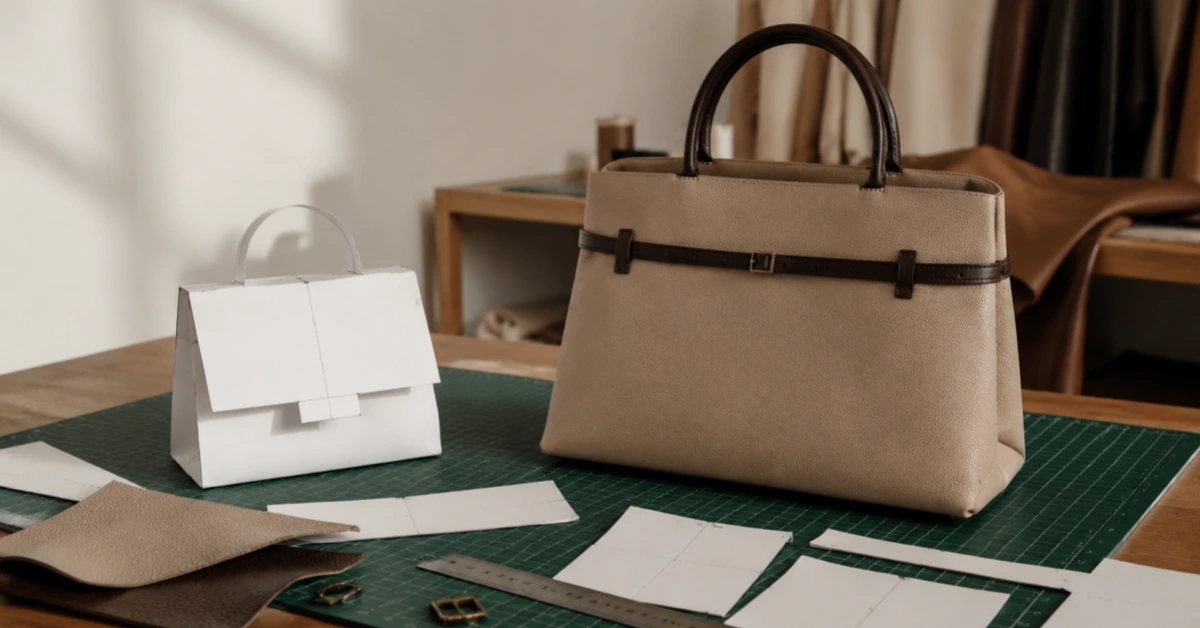
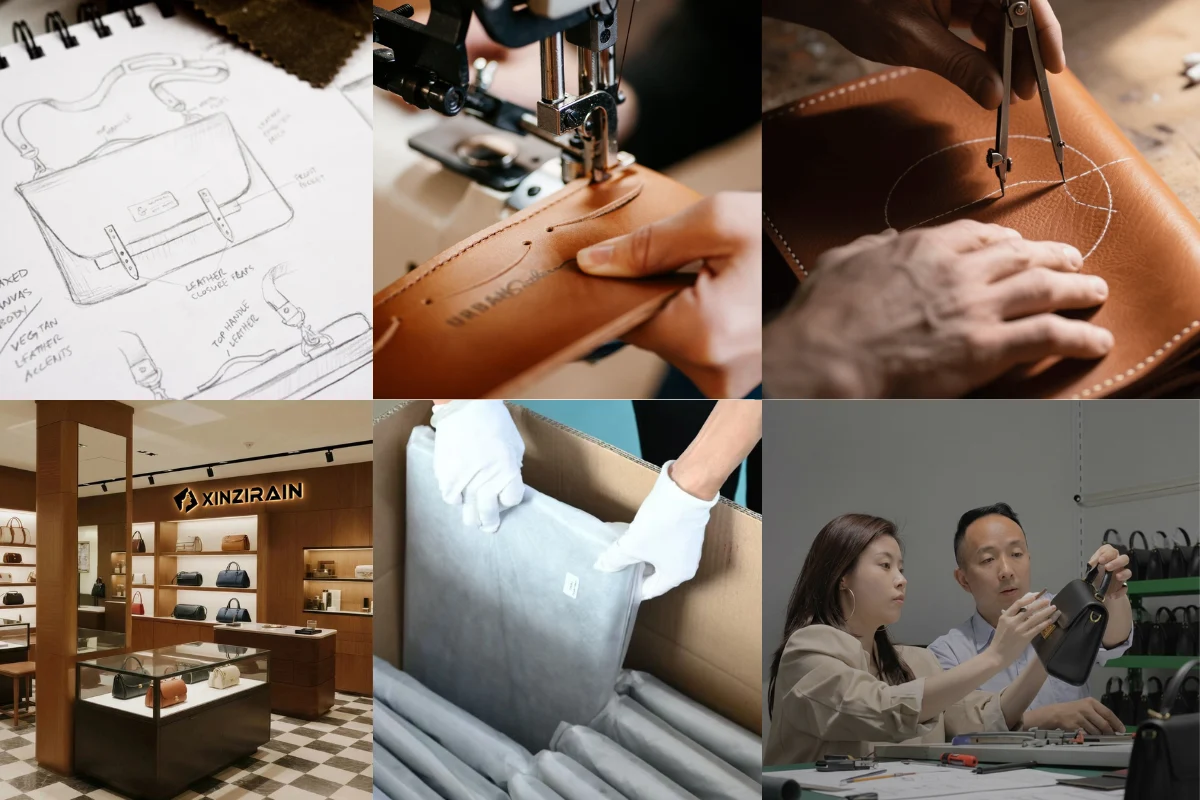
Question 4: What Is Your Sample Development Process?
A factory's sampling process often reveals its true capabilities.
Ask:
- How long does sample development take?
- How many revisions are included?
- Can you source materials during sampling?
- Do you provide prototype photos before shipment?
- Can you adjust fit, dimensions, and construction after testing?
Sample Development Timeline Example
| Stage | Timeline |
| Material Sourcing | 3-7 Days |
| Pattern Development | 3-5 Days |
| Sample Production | 10-15 Days |
| Quality Review | 2-3 Days |
| Shipping | 3-7 Days |
Efficient sample development helps brands launch collections faster.
Question 5: How Do You Control Product Quality?
Quality control should never be an afterthought.
Ask manufacturers to explain:
- Incoming material inspection
- In-line production inspection
- Final inspection procedures
- Defect handling process
- Quality reporting methods
Signs of Strong Quality Control
- Dedicated QC team
- Production checkpoints
- Material verification
- Final random inspections
- Shipment approval procedures
Quality issues become significantly more expensive after products reach customers.
Question 6: What Certifications and Compliance Standards Do You Support?
Compliance requirements vary by market.
Common Requirements
| Market | Common Standards |
| European Union | REACH |
| United States | Prop 65 |
| Global Retailers | Social Compliance Audits |
| Sustainable Brands | Recycled Material Certifications |
If you sell internationally, your manufacturer should understand the compliance requirements relevant to your market.
Question 7: What Are Your Production Lead Times?
Production speed affects inventory planning and seasonal launches.
Ask:
- Standard production lead time?
- Peak season lead time?
- Material sourcing lead time?
- Expedited production options?
- Shipping recommendations?
Typical Lead Time Reference
| Process | Timeline |
| Sampling | 20-30 Days |
| Bulk Production | 30-45 Days |
| Quality Inspection | 2-5 Days |
| Shipping | Varies by Destination |
Always confirm timelines before finalizing launch schedules.
Question 8: Do You Offer Custom Branding?
Branding is essential for private label growth.
Ask about:
- Metal logos
- Embossing
- Debossing
- Woven labels
- Printed linings
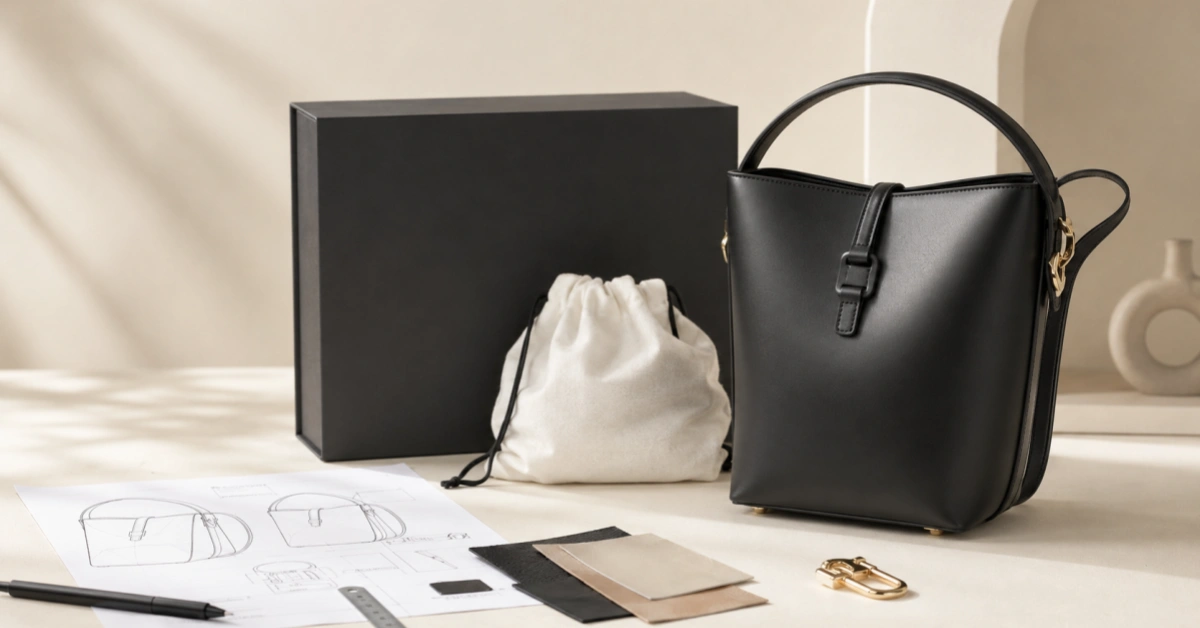
- Dust bags
- Packaging customization
A strong branding system helps create a consistent customer experience.
Question 9: Can You Develop Custom Hardware?
Hardware often determines whether a bag feels premium.
Ask if the factory can develop:
- Logo plates
- Buckles
- Chains
- Zippers
- Locks
- Custom molds
Manufacturers with hardware development capabilities usually offer greater design flexibility.
Question 10: Have You Produced Similar Products Before?
Past experience reduces development risk.
Ask for examples related to:
- Tote bags
- Handbags
- Backpacks
- Wallets
- Travel bags
- Premium leather goods
Experienced manufacturers can often identify potential production challenges before they become costly problems.
Question 11: How Do You Handle Communication?
Communication problems are among the most common causes of manufacturing delays.
Ask:
- Who manages the project?
- How often are updates provided?
- Do you use WhatsApp, WeChat, or email?
- How quickly do you respond to technical questions?
Clear communication often matters more than minor pricing differences.
Question 12: Do You Sign NDAs?
For original designs, confidentiality matters.
Ask:
- Do you provide NDAs?
- How are design files stored?
- Who has access to customer files?
- What measures protect intellectual property?
Professional manufacturers understand the importance of protecting client designs.
Red Flags to Watch For
Avoid manufacturers that:
- Cannot explain quality procedures
- Refuse sample revisions
- Offer unrealistic lead times
- Lack export experience
- Provide vague answers about materials
- Have no previous project examples
- Communicate inconsistently
These issues often create larger problems during production.
Why Many Brands Choose Long-Term Manufacturing Partners
Successful brands rarely switch manufacturers frequently.
Long-term partnerships provide:
- Faster product development
- Better pricing stability
- Consistent quality
- Improved communication
- More efficient collection expansion
The best manufacturing relationships evolve from supplier transactions into strategic partnerships.
Why BAGSRAIN Supports Growing Fashion Brands
At BAGSRAIN, we help fashion brands, retailers, distributors, and startup founders develop custom handbags through complete OEM and private label manufacturing services.
Our capabilities include:
- Low MOQ development
- Custom handbag manufacturing
- Genuine leather and vegan materials
- Custom hardware development
- Sample development support
- Quality control systems
- REACH-compliant material options
- Global shipping support
From initial concepts to bulk production, our team helps brands reduce development risks while maintaining product quality and consistency.

Conclusion
The cheapest handbag manufacturer is not always the most cost-effective choice.
The right manufacturing partner should offer transparency, reliable communication, strong development capabilities, quality control systems, and the flexibility to support your brand as it grows.
By asking the questions outlined in this guide, brands can make more informed decisions and avoid many of the common risks associated with handbag production.
If you are currently evaluating handbag manufacturers, taking the time to ask the right questions today can save significant time, cost, and frustration later.
FAQ
What is a good MOQ for a startup handbag brand?
Most startup brands begin with 50-300 pieces per style depending on complexity and materials.
How long does handbag sample development take?
Typically between 20 and 30 days.
Can manufacturers work from sketches?
Professional OEM manufacturers can develop products from sketches, tech packs, CAD files, or reference images.
Do handbag manufacturers offer vegan leather?
Many factories now provide microfiber leather, apple leather, cactus leather, and recycled alternatives.
What certifications should I ask about?
REACH, Prop 65, and social compliance standards are common requirements.
How many sample revisions are normal?
One to three revision rounds are common during development.
Can manufacturers create custom hardware?
Yes, many OEM manufacturers support custom logo hardware and mold development.
Should I sign an NDA before sharing designs?
Yes. NDAs help protect intellectual property and confidential product information.
What affects handbag manufacturing costs most?
Materials, hardware, construction complexity, branding, and order quantity.
What is the biggest mistake when choosing a manufacturer?
Focusing only on price while ignoring quality control, communication, and production capabilities.
How to choose a supplier? Please read this article:How to Choose a Reliable OEM Bag Manufacturer for Your Brand