
Market Trends, Material Insights, and Why Fashion Brands Are Investing in Vegan Leather Bags
As sustainability becomes one of the biggest shifts in global fashion, vegan leather bags are rapidly moving from a niche category into the mainstream accessories market.
From luxury fashion brands to startup handbag labels, more companies are exploring vegan leather handbags, vegan leather tote bags, and other animal-free alternatives to traditional leather products.
According to recent keyword trend analysis, searches for terms like:
- vegan leather bags
- vegan leather handbag
- vegan leather tote bag
- vegan leather purse
- vegan leather crossbody bag
have increased significantly in global markets including the United States, Canada, Australia, and Singapore.
This growing demand is being driven by three major factors:
- Rising interest in sustainable fashion
- Increased awareness of animal welfare
- Demand for lightweight and affordable alternatives to genuine leather
For fashion brands, retailers, and handbag manufacturers, understanding the vegan leather market is no longer optional — it is becoming an important part of long-term product development strategy.
What Is Vegan Leather?
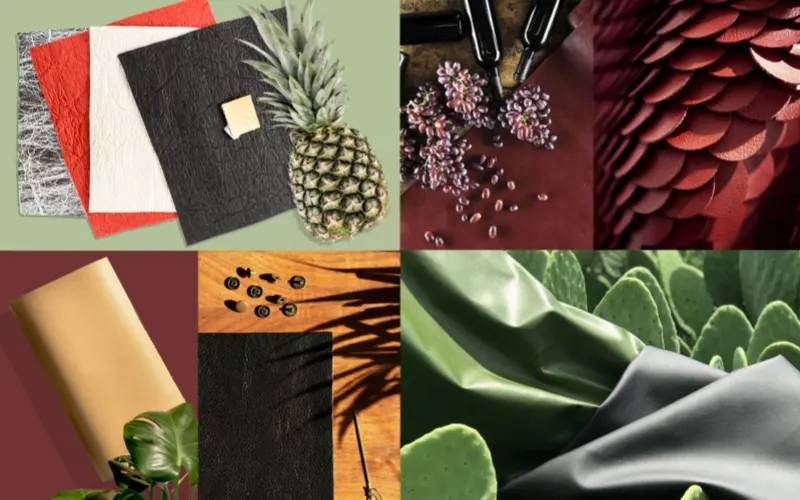
Vegan leather refers to any leather-like material that is made without using animal skin or animal-derived components.
Traditional leather is usually made from animal hides, primarily cowhide, but also sheep, pig, horse, snake, and other animal skins. Vegan leather imitates the appearance and texture of genuine leather while avoiding animal-based materials entirely.
Modern vegan leather can be produced using:
- PU (polyurethane)
- PVC (polyvinyl chloride)
- Microfiber synthetic leather
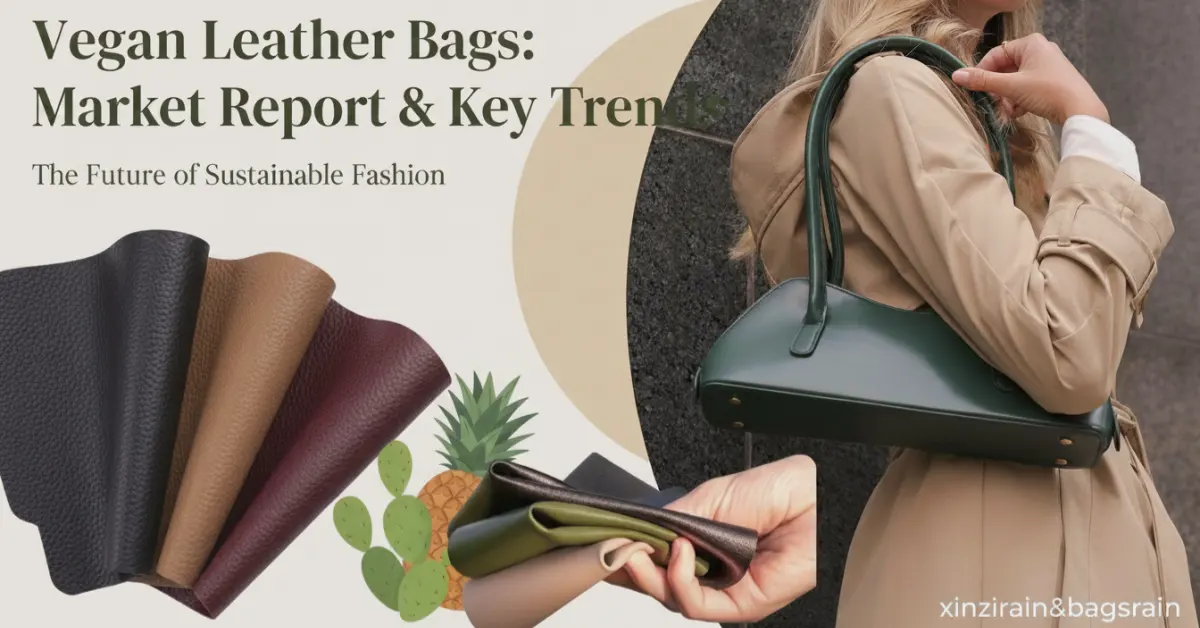
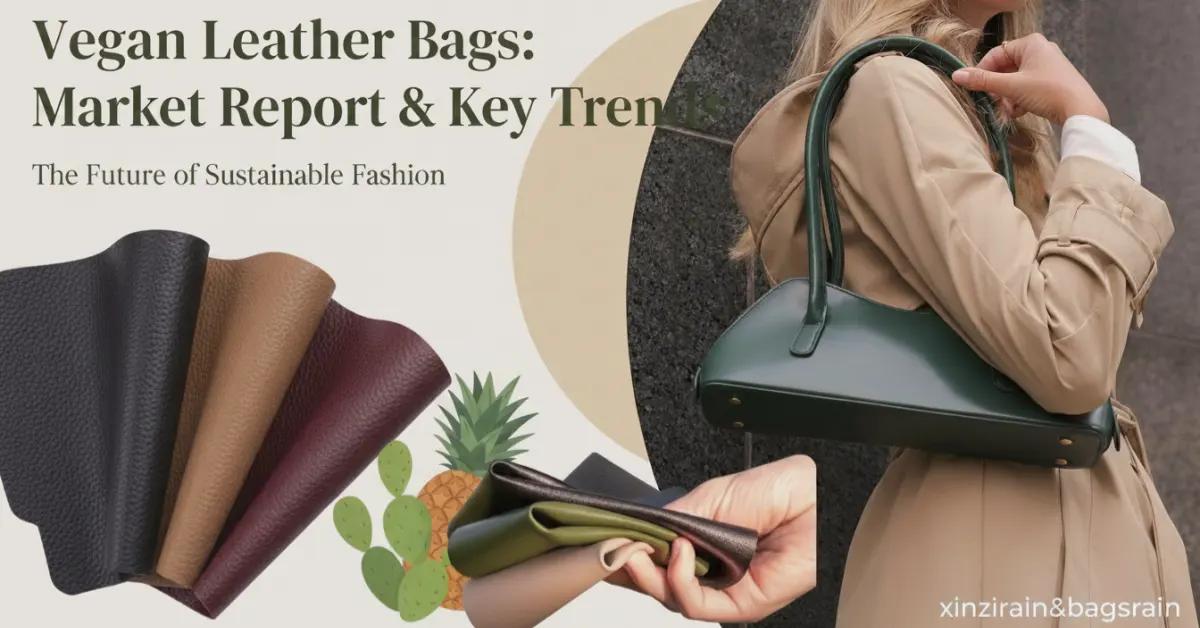
- Mushroom leather
- Pineapple leather
- Apple leather
- Cactus leather
- Cork leather
- Recycled bio-based materials
Today, most commercial vegan leather bags are still made primarily from PU leather because of its flexibility, affordability, and scalability in mass production.
However, plant-based leather alternatives are receiving growing attention from premium and sustainable fashion brands.
Why Vegan Leather Bags Are Growing in Popularity
Consumers Want Animal-Free Fashion
One of the biggest drivers behind vegan leather bags is changing consumer behavior.
Modern consumers — especially Gen Z and Millennials — are paying closer attention to:
- cruelty-free products
- animal welfare
- ethical fashion
- sustainable sourcing
For many consumers, vegan leather handbags offer a way to enjoy the look of leather without purchasing animal-derived products.
This has led to increasing demand for:
- vegan leather tote bags
- vegan leather purses
- vegan leather crossbody bags
- vegan leather backpacks
- vegan leather wallets
Fashion brands are responding by expanding their vegan leather collections across both luxury and affordable markets.
Vegan Leather Bags Are More Accessible
Compared to genuine leather, vegan leather bags are generally:
- lighter in weight
- easier to maintain
- more affordable
- faster to produce
- easier to customize
For emerging fashion brands, this creates a lower barrier to entry.
A startup handbag brand can often develop a full vegan leather handbag collection without the higher raw material costs associated with premium genuine leather.
This is especially important for:
- DTC brands
- influencer brands
- startup fashion labels
- private label handbag businesses
Sustainable Fashion Is Influencing Buying Decisions
Sustainability is becoming one of the strongest themes in fashion marketing.
Consumers increasingly search for:
- sustainable handbags
- eco-friendly bags
- vegan leather bags
- recycled leather alternatives
However, the sustainability conversation around vegan leather is more complicated than many people realize.
While vegan leather avoids animal products, many synthetic vegan leather materials are still petroleum-based plastics such as PU and PVC.
This means brands must be careful not to overstate environmental claims.
The most successful handbag brands position vegan leather bags as:
- animal-free
- fashion-forward
- lightweight
- practical
- modern alternatives to traditional leather
rather than claiming they are completely eco-friendly.
Types of Vegan Leather Used in Bags
PU Leather
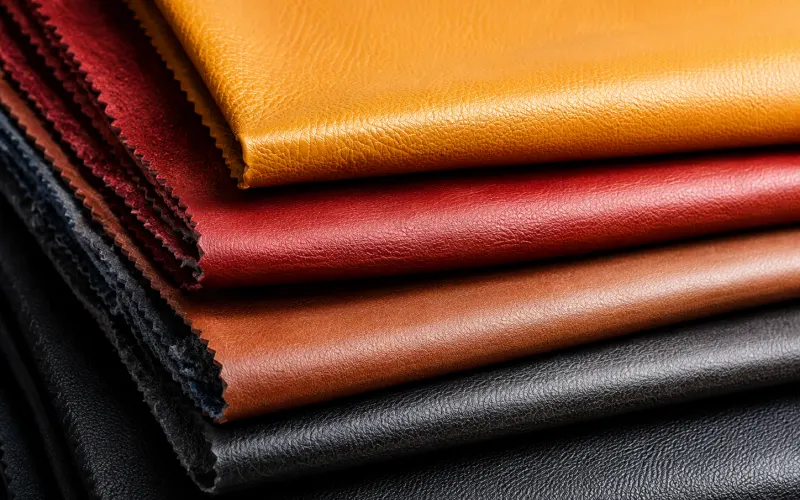
PU leather is currently the most common material used in vegan leather bags.
Advantages include:
- soft hand feel
- smooth texture
- lower production cost
- wide color availability
- easy mass production
PU leather is widely used for:
- vegan leather handbags
- vegan leather tote bags
- fashion purses
- backpacks
- small accessories
For most commercial handbag production, PU leather offers the best balance between appearance, cost, and scalability.
PVC Leather
PVC leather is another synthetic leather alternative.
It provides:
- stronger water resistance
- lower cost
- glossy surface effects
However, PVC is increasingly viewed negatively due to environmental concerns and lower material flexibility. Many premium handbag brands now prefer PU leather instead.
Plant-Based Vegan Leather
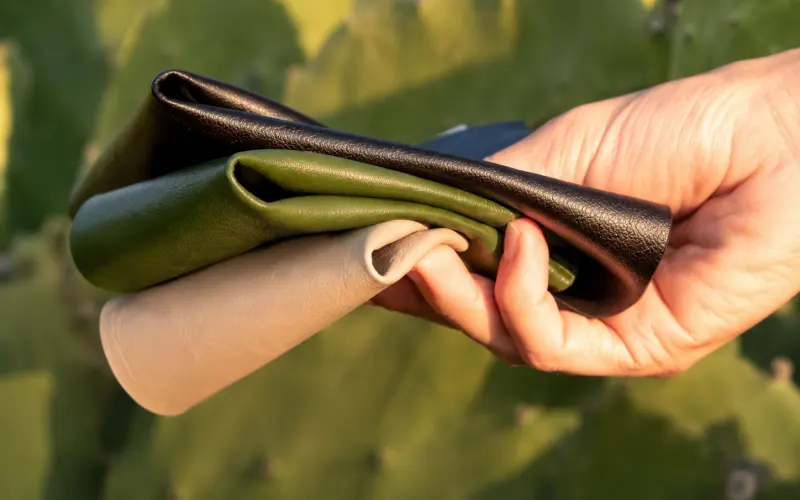
Plant-based materials are becoming one of the fastest-growing innovation areas in fashion.
Examples include:
- mushroom leather
- cactus leather
- pineapple leather
- apple leather
- cork leather
These materials are often used by premium sustainable brands looking for differentiation and stronger storytelling.
However, plant-based vegan leather still faces challenges including:
- limited supply chain scalability
- higher costs
- durability testing
- production consistency
As a result, most large-scale handbag production still relies on PU-based vegan leather.
Vegan Leather vs Real Leather Bags
One of the most searched topics online is:
“Vegan leather vs real leather”
Consumers want to understand:
- Which lasts longer?
- Which is more sustainable?
- Which feels better?
- Which is easier to maintain?
The answer depends heavily on product positioning and material quality.
Genuine Leather Advantages
Real leather offers:
- long-term durability
- natural aging characteristics
- premium texture
- strong luxury positioning
High-quality leather bags can last for decades when properly maintained.
However, genuine leather production also involves:
- animal farming
- tanning chemicals
- higher carbon emissions
- more expensive manufacturing processes
Vegan Leather Advantages
Vegan leather bags offer:
- animal-free production
- lower entry cost
- lightweight construction
- easier cleaning
- broader design flexibility
For fashion-focused and trend-driven products, vegan leather often provides faster production and easier scalability.
This is one reason many fast-growing fashion brands are investing heavily in vegan leather handbags.
Is Vegan Leather Durable?
Another major consumer question is:
“Is vegan leather durable?”
The answer depends on:
- material quality
- backing structure
- coating technology
- usage frequency
- manufacturing quality
High-quality vegan leather bags can perform very well in everyday fashion applications.
Premium PU leather can offer:
- scratch resistance
- decent water resistance
- stable structure
- soft touch
- good color consistency
However, lower-grade synthetic leather may crack or peel faster over time.
This is why choosing the right handbag manufacturer is extremely important.
A professional vegan leather bag manufacturer should focus on:
- material selection
- reinforcement structure
- stitching quality
- edge painting
- hardware durability
- lining stability
rather than simply using the cheapest synthetic material available.

What Buyers Look for in Vegan Leather Bags
Today’s handbag buyers care about far more than appearance alone.
Professional buyers evaluate vegan leather bags based on:
Material Feel
The bag should mimic the softness and texture of real leather without appearing overly plastic.
Construction Quality
Buyers pay close attention to:
- stitching consistency
- edge finishing
- zipper quality
- hardware durability
- logo placement
- shape retention
Weight
One major advantage of vegan leather handbags is lightweight construction.
Consumers increasingly prefer bags that are comfortable for daily use.
Brand Positioning
Many fashion brands now use vegan leather bags to communicate:
- modern lifestyle
- conscious consumption
- contemporary fashion identity
rather than simply “cheap leather alternatives.”
Vegan Leather Bags and Fashion Industry Trends
The global fashion industry is clearly moving toward diversified material sourcing.
Many luxury and designer brands have started experimenting with alternative leather materials. According to fashion industry reports, brands including Stella McCartney and other sustainable fashion labels have accelerated the use of vegan leather alternatives in recent years.
At the same time, social media platforms like Instagram and TikTok have accelerated the popularity of:
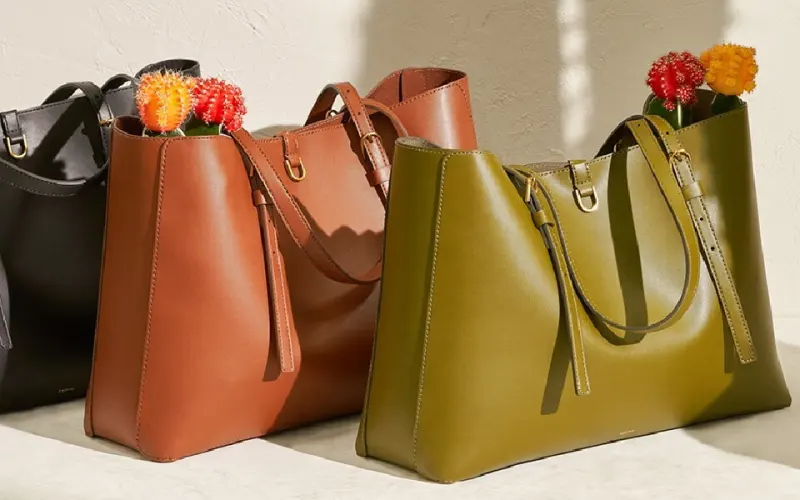
- vegan leather tote bags
- oversized vegan leather handbags
- minimalist crossbody bags
- soft-structured vegan leather bags
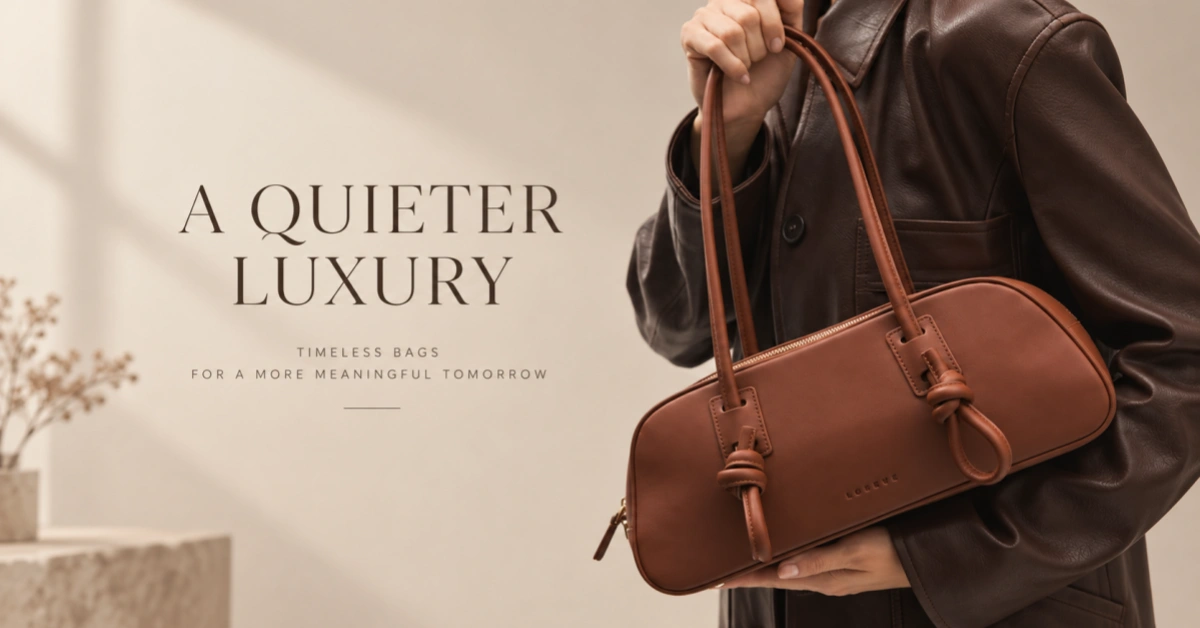
The rise of “quiet luxury” and minimalist fashion aesthetics has also benefited vegan leather accessories because clean silhouettes and soft textures work well with synthetic materials.
How Fashion Brands Should Position Vegan Leather Bags
The most successful vegan leather bag brands avoid extreme marketing claims.
Instead of claiming products are “perfectly sustainable,” they focus on:
- animal-free fashion
- practical design
- lightweight materials
- affordability
- modern aesthetics
- conscious consumer choices
Strong positioning examples include:
- “Modern vegan leather handbags designed for everyday style.”
- “Animal-free handbags for contemporary fashion brands.”
- “Lightweight vegan leather tote bags for modern lifestyles.”
This approach feels more authentic and aligns better with current consumer expectations.
The Future of Vegan Leather Bags
The vegan leather bag market is expected to continue growing over the next several years.
Key industry directions include:
Better Material Innovation
Plant-based leather technologies are improving rapidly.
Higher Quality Expectations
Consumers now expect vegan leather bags to look and feel premium.
Increased Brand Transparency
Fashion brands are under pressure to explain:
- material sourcing
- manufacturing processes
- sustainability claims
Final Thoughts
Vegan leather bags are no longer a temporary fashion trend.
They represent a growing category shaped by:
- changing consumer values
- evolving fashion trends
- material innovation
- digital shopping behavior
For fashion brands, retailers, and handbag manufacturers, understanding vegan leather is now essential for future product development and market positioning.
While both genuine leather and vegan leather still face sustainability challenges, informed material selection and responsible manufacturing practices will increasingly define which brands succeed in the next generation of fashion.
For companies entering the vegan leather handbag market, the biggest opportunities lie in balancing:
- style
- practicality
- material quality
- ethical positioning
- realistic sustainability communication
As consumer awareness continues to grow, vegan leather bags will likely remain one of the most important product categories in modern fashion accessories.
Here you can learn more about vegan leather bags:Custom & Private Label Leather Vegan Leather Bag ManufacturerManufacturer for Global Brands
Related Sustainable Development Blogs
About the Author
This article was written by the editorial team at BAGSRAIN, a professional custom handbag manufacturing division under the XINZIRAIN Group. With more than 25 years of experience in footwear and bag manufacturing, BAGSRAIN works with fashion brands, retailers, and private label businesses across Europe, North America, and the Middle East.
The team specializes in OEM and ODM handbag development, including vegan leather bags, leather handbags, tote bags, crossbody bags, backpacks, and small leather goods. Their expertise covers material sourcing, product engineering, sampling, bulk production, quality control, and global export logistics.
This article combines industry trend research, manufacturing insights, and real-world production experience from working with international fashion brands and emerging designers. The goal is to provide practical, transparent, and market-driven information for brands exploring vegan leather bag development and sustainable fashion opportunities