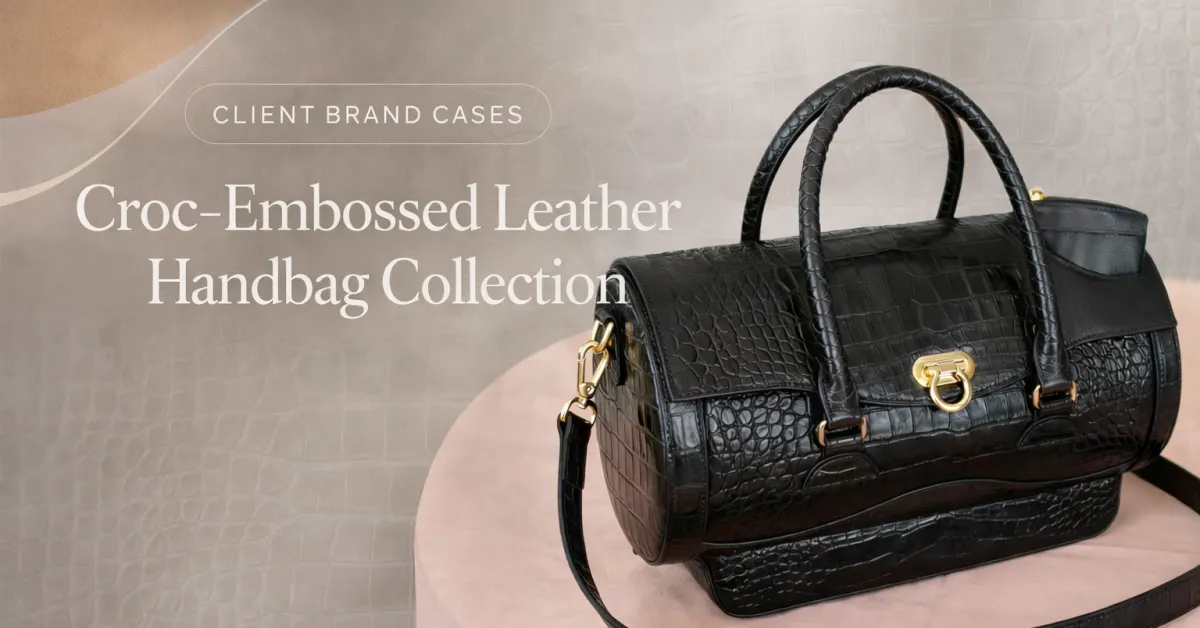


Customer profile: A US-based first-time bag brand with an offline-focused sales model.
Project focus: Product validation, sample development, first bulk order and collection expansion.
Partner: BagsRain, the handbag brand of XINZIRAIN Group and a Custom Bag Product Development & Growth Partner.
Case overview: The customer initially approached BagsRain with a design for an off-white tote bag. After reviewing the concept and completing the sample, the customer was highly satisfied with the result. Early pre-sale feedback was strong, so the customer moved quickly into bulk production and then expanded the line with additional bags, including a textured leather tote and a light-colored canvas travel-style bag.
This was not simply a case of producing one successful sample. It shows how a first product can become a practical starting point for a wider bag business when development, market feedback and product expansion are connected.
Have a Bag Concept to Validate?
BagsRain helps brands review product ideas, material choices, structure, cost and launch readiness before bulk production.
Explore Bag Development Services Contact BagsRainThe Starting Point: One Off-White Tote Bag
The customer was based in the United States and mainly sold through offline channels. This affected the development priorities from the beginning.
For an offline-focused brand, a bag must do more than look attractive in a product image. Customers need to see and touch the material, understand the size immediately and feel that the bag is practical enough for repeated use. The product also needs a clear visual identity so that it can be recognized on a retail shelf, at a pop-up event or through word-of-mouth recommendations.
The customer’s first design direction was an off-white tote bag. It was a practical choice for a first product because a light neutral color can work across different outfits and seasons. At the same time, a light-colored tote creates high production expectations: surface marks, uneven color, construction defects and poor edge finishing are easier to notice.
That meant the first development stage needed to focus on more than the outer silhouette. Material appearance, handle attachment, proportions, carrying comfort, internal capacity and finishing consistency all mattered to the product’s commercial potential.
Turning a Design Concept into a Product That Could Be Sold
As a first-time bag brand, the customer did not begin with a long product specification system or an established bag collection. The initial product had to serve two purposes:
- Represent the brand clearly in the market.
- Provide a realistic foundation for future products.
BagsRain’s role was therefore not limited to assembling a finished bag. The development process had to translate the concept into production decisions, including:
- How the bag should hold its shape.
- How the handles should be attached and reinforced.
- How the material should be cut and balanced across the panels.
- How the logo and decorative details should be positioned.
- How the bag should function in an offline retail environment.
- How the construction could be repeated consistently in bulk production.
For a first product, these decisions are important because the sample becomes the brand’s first physical reference. If the sample looks good but cannot be reproduced reliably, the development has not fully succeeded.
Sample Approval Created the First Commercial Confidence
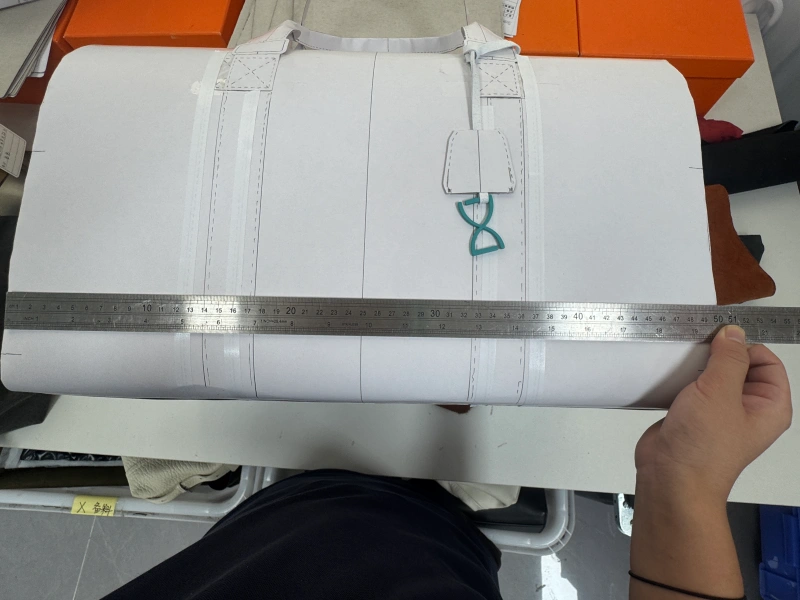
After the sample was completed, the customer was highly satisfied with the result. This approval was important because it connected the original design idea with a physical product that could be evaluated in real use.
The customer could review the bag’s appearance, proportions and construction before committing to bulk production. For an offline brand, this stage also creates an opportunity to show the product to selected customers, retail contacts or local buyers and collect early reactions.
In this case, the pre-sale response was strong. The market feedback gave the customer more confidence than a purely theoretical sales forecast. Instead of waiting through a long testing cycle, the customer moved quickly to place the bulk order.
This is an important distinction in product development:
A successful sample creates possibility. A positive pre-sale response creates evidence for the first production decision.
From Sample Approval to the First Bulk Order
The customer’s decision to place a bulk order soon after the pre-sale response showed that the first tote bag had passed three practical tests:
| Validation Area | What the Customer Learned |
|---|---|
| Product appeal | The design attracted enough interest to support pre-sale activity. |
| Customer confidence | The sample gave the customer a physical product that could be presented offline. |
| Production readiness | The approved sample provided a reference for bulk manufacturing. |
For a first-time brand, this sequence is valuable because it reduces the distance between design and business action. The customer did not need to develop a large collection before learning whether the product could generate demand.
The first product acted as a focused market test. Once the result was positive, the customer had a clearer basis for investing in inventory, planning retail activity and considering additional designs.
The Expansion Stage: Building Around What the Market Accepted
After the initial tote bag received a positive response, the customer quickly expanded the product line. The two additional products shown in this case study demonstrate two different directions.
Expansion Product One: Textured Leather Tote
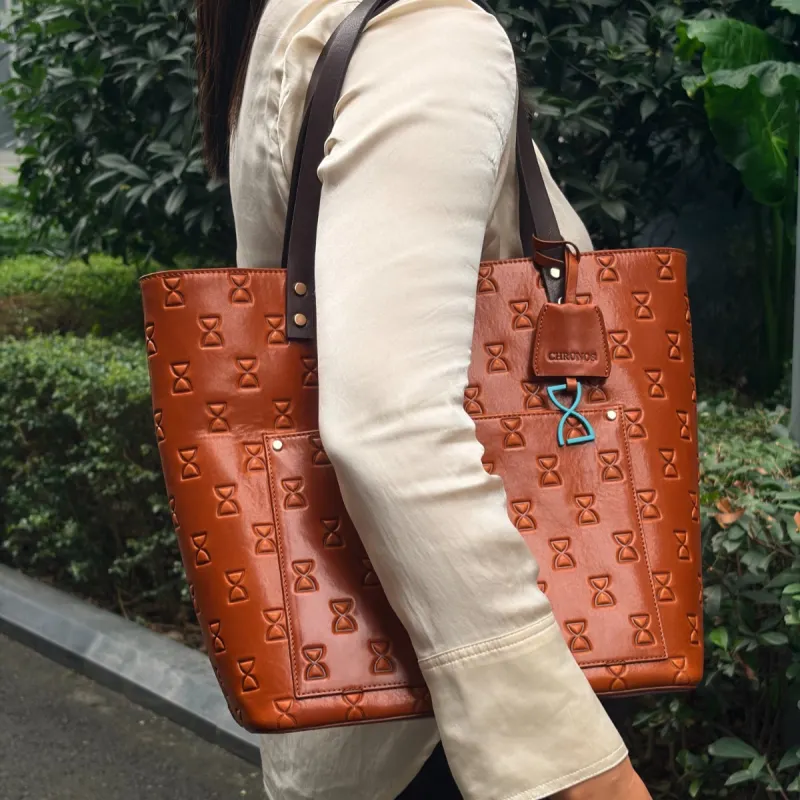
This tote uses a warm brown tone, a repeated embossed texture and contrasting darker handles. Compared with the original neutral tote concept, it has a stronger visual presence and a more recognizable surface language.
The development logic is not to copy the first product exactly. It is to preserve the elements customers may already recognize while introducing a new material expression and stronger visual differentiation.
For a growing collection, this type of extension can help the brand create a higher-impact product for customers who want a more noticeable design while maintaining the same overall brand identity.
Expansion Product Two: Light Canvas Travel-Style Bag
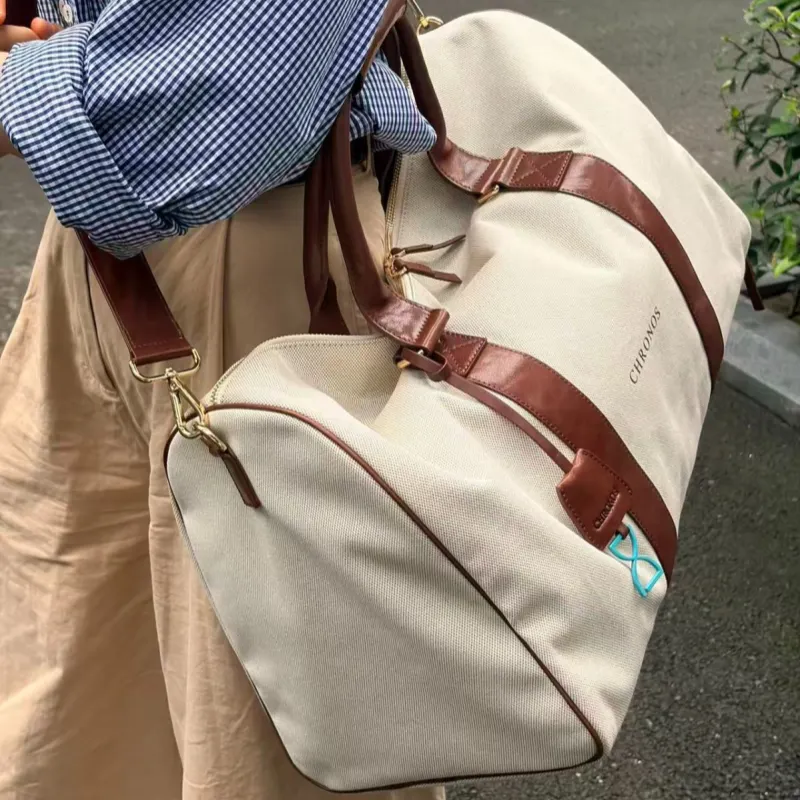
The second expansion product moves into a more relaxed and functional category. Its light canvas body, brown leather trim, top handles, zipper opening and detachable shoulder strap give it a different use scenario from a structured everyday tote.
This type of product can support offline retail because customers can understand its function quickly. It may work for short trips, daily carrying, weekend use or customers who need more capacity than a standard handbag provides.
The collection is therefore expanding not only by color, but also by usage occasion. This creates more opportunities for customers to buy different products for different needs.
Why This Expansion Was More Efficient Than Starting Again
The customer’s expansion was supported by an existing development foundation. The team could refer back to the first project when reviewing:
- Brand logo placement and treatment.
- Handle proportions and attachment logic.
- Preferred brown and neutral color relationships.
- Customer expectations for practical carrying.
- Packaging and presentation direction.
- Production communication and approval habits.
The materials and construction still needed to be reviewed for each new product. A canvas travel-style bag should not be treated exactly like a structured leather tote. However, the brand no longer had to begin with a blank page.
This is one of the commercial advantages of a successful first product: it creates a reusable product-development language. Future products can become more focused because the brand has already learned what its customers respond to and what its production partner can execute.
The Role of Materials in Product-Line Expansion
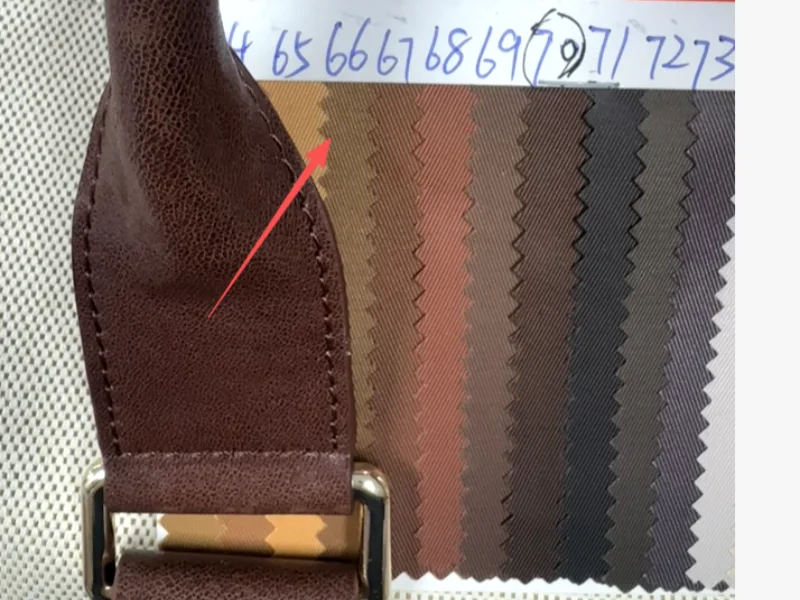
The customer’s expansion also shows why material selection should be treated as part of product strategy rather than as a late-stage purchasing decision.
The light canvas bag uses a material combination that changes the product’s feel and use case. The brown leather trim adds structure, contrast and a more premium touch, while the lighter body keeps the product visually relaxed and practical.
Before bulk production, brands should confirm:
- Material thickness and hand feel.
- Color consistency between different materials.
- Resistance to expected daily use.
- Compatibility between leather, fabric, lining and hardware.
- How the material combination affects the final unit cost.
- Whether the material can be sourced consistently for reorders.
For a growing brand, a material decision should work for both the first production run and possible future replenishment.
What This Case Teaches First-Time Bag Brands
Start with a focused product
A first collection does not need to contain many styles. One well-developed product can provide stronger learning than several unfinished designs.
Use pre-sale feedback as business evidence
Pre-sale performance can help a brand decide whether to move into bulk production. It does not remove every business risk, but it provides more useful information than relying only on personal preference.
Expand through related use cases
The customer did not simply create another version of the first tote. The expansion introduced a more expressive leather tote and a more functional travel-style bag. This gives customers additional reasons to engage with the brand.
Keep the product language consistent
Expansion works better when products share recognizable details such as logo treatment, color relationships, hardware direction or brand attitude.
Develop for reorders, not only for the first shipment
A product should be evaluated for repeatability, material availability, packaging and future color or size extensions. The first order should create a foundation for growth.
How BagsRain Supported the Customer’s Growth Path
This project reflects the BagsRain approach of connecting product development with brand growth.
| Stage | Customer Need | BagsRain Focus |
|---|---|---|
| Validate | Turn the first tote bag concept into a product that could be reviewed and pre-sold. | Review construction, materials, proportions, details and production feasibility. |
| Launch | Move from positive sample feedback to a confident first bulk order. | Use the approved sample as the production reference and coordinate bulk manufacturing. |
| Scale | Expand from one successful product into a broader bag collection. | Develop related products with different materials, functions and retail opportunities. |
As the handbag brand of XINZIRAIN Group, BagsRain works with brands as a Custom Bag Product Development & Growth Partner. The goal is not only to manufacture a bag, but to help the customer make better decisions at each stage of product and business development.
Frequently Asked Questions
Was this customer an experienced bag brand?
No. The customer was entering the bag business for the first time and mainly sold through offline channels.
What was the first product?
The first product was an off-white tote bag developed from the customer’s original design direction.
What happened after the sample was approved?
The customer received strong pre-sale feedback, quickly placed a bulk order and then expanded the product line.
What were the expansion products?
The expansion included a textured leather tote and a light-colored canvas travel-style bag with leather trim and a detachable shoulder strap.
Why is pre-sale validation useful?
Pre-sale feedback gives a first-time brand practical evidence about customer interest before committing to a larger production quantity.
Can BagsRain help with a first bag collection?
Yes. BagsRain can support product validation, material selection, sampling, private label details, packaging, bulk production and future product expansion.
Build Your First Bag Product with a Clearer Growth Path
Whether you have a finished Tech Pack, a sketch, a reference image or only an initial product idea, BagsRain can help you review the next practical step.
Start Product Development Request a Project Review