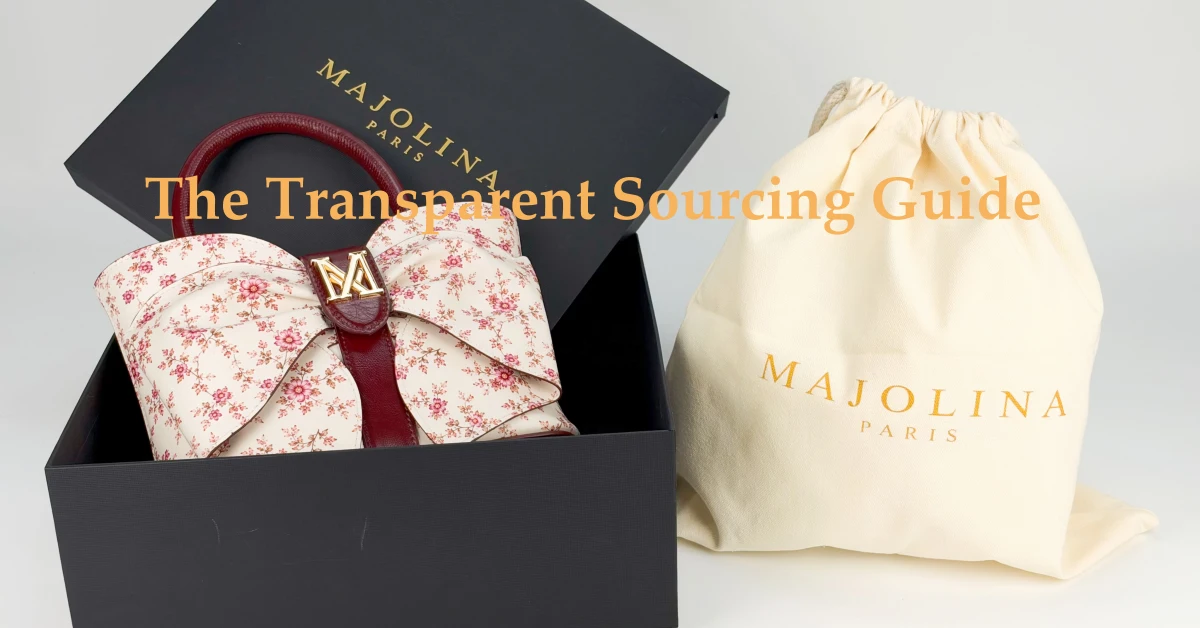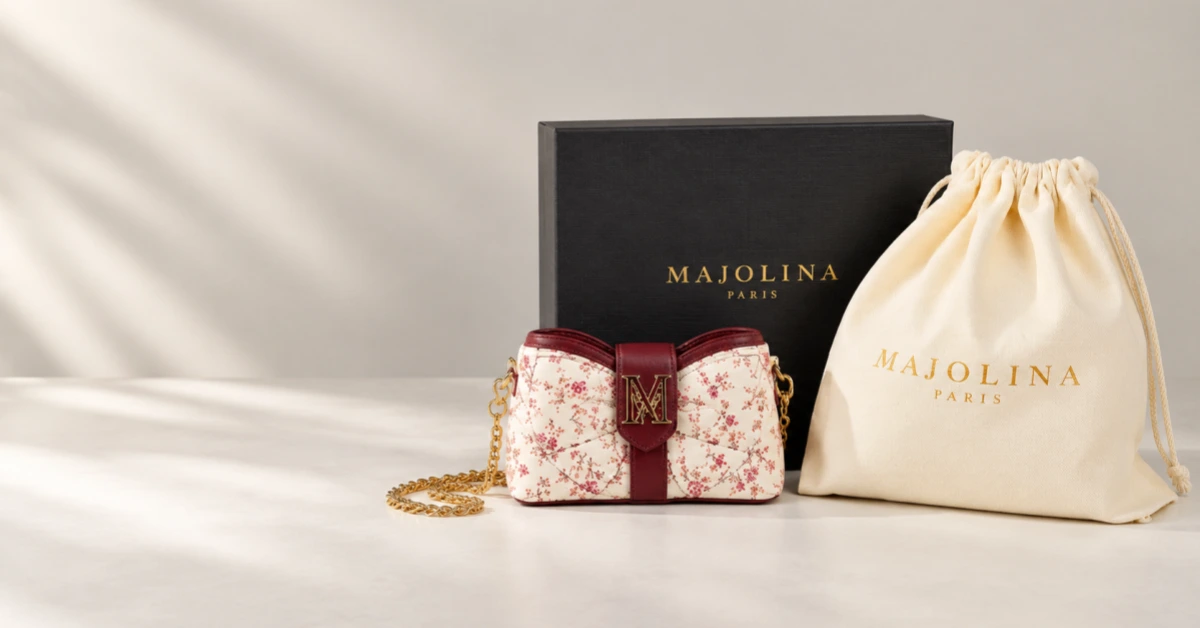
In the premium fashion landscape, the distance between a brilliant design concept and a commercially successful product is often underestimated. For emerging designers, established boutique owners, and apparel brand founders expanding into leather goods, the journey from a technical sketch to a physical handbag is fraught with structural uncertainty. Translating a creative vision into an elegant, durable, and production-ready handbag requires a rigorous process of handbag product validation.
BAGSRAIN is the dedicated luxury leather bag division of XINZIRAIN Group, a global manufacturing leader with over 25 years of premium leather engineering and export experience. Drawing on this deep group heritage, we understand that an elite handbag is not merely a stitched piece of leather; it is a structural container subjected to constant mechanical tension and environmental factors. We don't just "make samples" — we act as your product launch partner, helping you bridge the gap between creative drafts and scalable brand businesses.
Sourcing Traumas: The Structural and Material "Red Flags" of Skipped Validation
Many fashion brands partner with standard high-volume factories that rush directly from a rough sketch to bulk manufacturing. While this may seem like a faster route to market, it is a primary source of supply chain trauma. In our 25 years of industry experience, we have identified four devastating red flags that consistently ruin unvalidated handbag productions:
- Leather Batch Inconsistency: Raw hides naturally vary in fiber density, moisture content, and thickness. Without establishing master-sample standards and batch tolerance thresholds, a bulk production run can result in bags that feel stiff, look mismatched, or vary in grain texture across the same collection.
- Edge Paint Peeling: One of the most glaring indicators of low-end manufacturing is edge paint that cracks or peels. Edge-paint application is a multi-step thermodynamic process. Validating the adhesive bond between specific leather tanners and polymer-based edge coatings is vital to withstand repeating flexing and temperature variations.
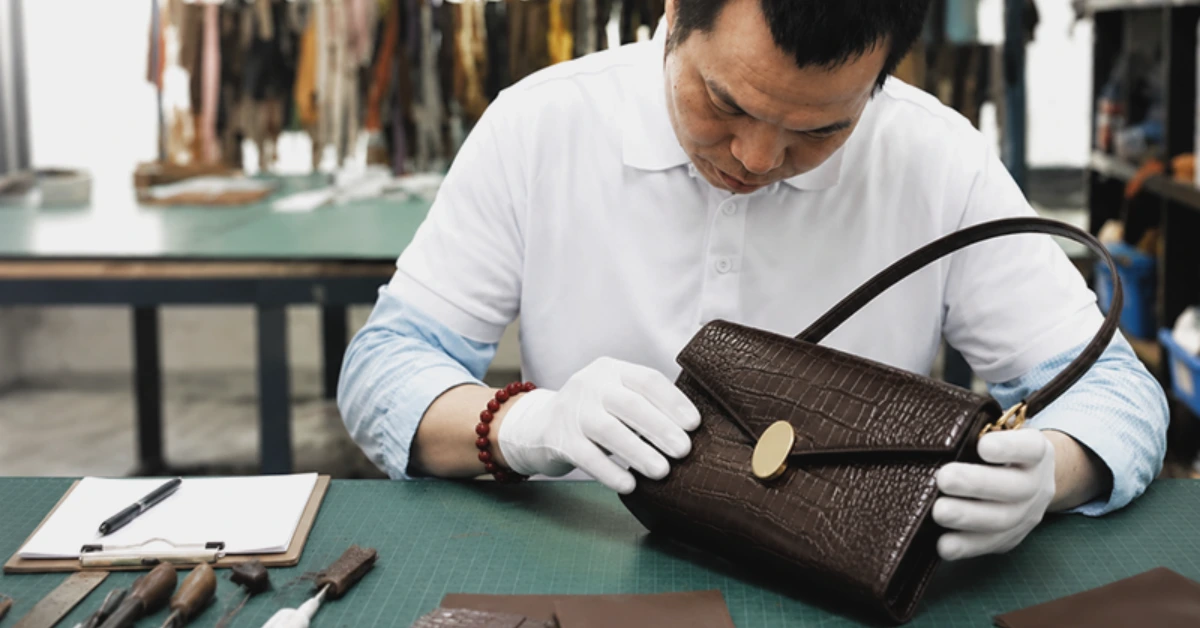
- Structural Sagging : A beautiful tote or satchel must retain its elegant silhouette when empty, yet remain pliable enough for daily use. When factories fail to perform structural load-bearing validation, the bag collapses, sags, or buckles under the weight of a consumer's daily essentials.
- Hardware Tarnishing and Friction Wear: High-end handbags rely on custom-developed hardware. If the hardware is not validated through salt-spray chamber testing and cyclic abrasion simulations, the gold, brass, or palladium finishes will oxidize or tarnish, making a premium product look cheap within months.
By implementing a strict handbag product validation protocol, BAGSRAIN eliminates these structural risks before a single square foot of leather is cut for bulk production.
The Five Moats of BAGSRAIN: Moving Beyond Traditional Factory Limitations
Standard factories operate on a purely transactional basis—they ask for a design, copy it, and ship the boxes. Our brand guardrails, backed by XINZIRAIN's global strategic infrastructure, are built on five key differences that elevate us from a "manufacturer" to a true "brand growth partner":
| Brand Moats | Standard Factories | BAGSRAIN / XINZIRAIN Group |
|---|---|---|
| 1. From Product to Product Launch | Focus only on whether the physical bag can be stitched. | Care about how the client launches, markets, tests, and scales the product into bulk production. |
| 2. From Sketch to Brand Intent | Review only basic styles, materials, and quantities. | Analyze client websites, social media, target sales channels, pre-order goals, and reorder potentials. |
| 3. From Samples to Launch Materials | Deliver a "finished sample" only and stop there. | Deliver "Launch-Ready Products" (curating custom packaging, white-background photos, model wear videos, and social copy). |
| 4. From Passive Quoting to Diagnostics | Provide a flat sample fee quote immediately without context. | Diagnose whether the client is verifying factory capabilities, testing a Hero product, or launching a new brand category. |
| 5. From One-off Orders to Category Growth | Care only about closing the current transaction. | Partner with the client to scale from sample to first bulk run, from bulk to consistent reorders, and from single styles to full seasonal collections. |
The Four Risk-Reduction Launch Paths: Aligning Service to Your Business Stage
We believe that capital efficiency is key to brand survival. That is why we have structured our handbag validation services into four distinct, risk-reducing packages, allowing you to choose the exact level of support your business needs to launch without friction:
Basic Sample Only ($350)
Built for highly mature designers with locked-in Tech Packs and confirmed material specs. A low-cost execution path to confirm craftsmanship and tolerances.
Hero Sample Start ($650)
Designed for emerging brands launching their first flagship "Hero" product. Includes the sample, custom box/dust bag design, thank-you cards, and basic listing photos.
Launch Content Builder ($2,000)
Engineered for DTC brands requiring professional visuals for pre-orders. Complete visual asset package: on-model lifestyle images, detail shots, and social clips.
Category Launch System ($3,000+)
Specifically designed for established apparel, bridal, or showroom brands expanding into bags. We provide capsule planning, bulk sizing structures, and diagnostics.
Visual Evidence: Macro Craftsmanship in Our Validation Lab
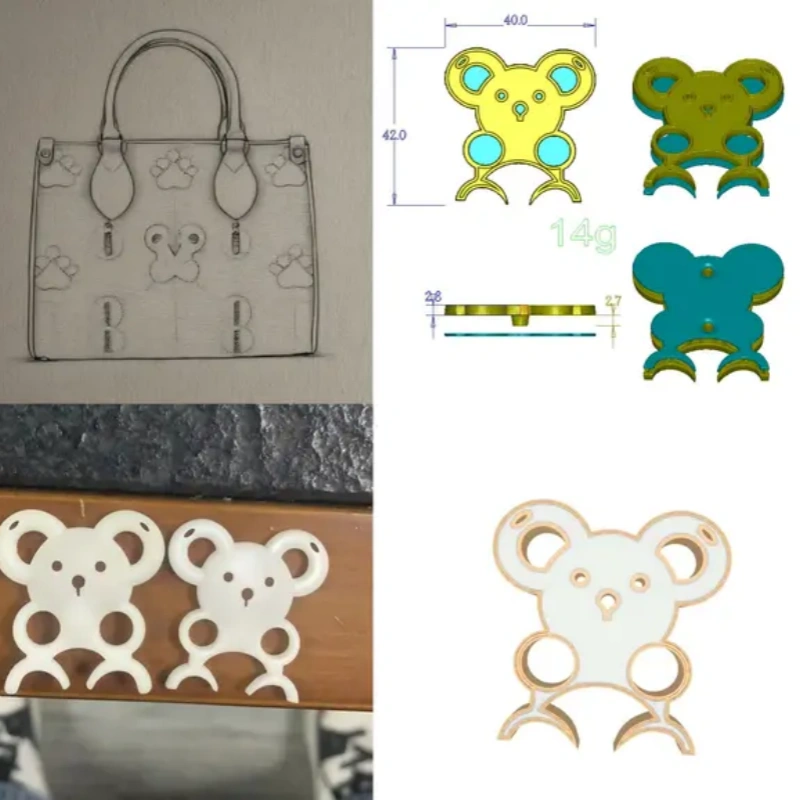
As a premium custom leather bag manufacturer, BAGSRAIN relies on absolute visual transparency. We showcase the micro-details that define luxury-tier manufacturing:
Moving Seamlessly from Validation to Demand-Led Manufacturing (DLM)
Once your handbag prototype is fully validated, you gain Technical Sovereignty. You possess an intellectual-property-protected blueprint optimized for commercial scale.
To keep your brand agile, BAGSRAIN supports a Flexible MOQ model under our Demand-Led Manufacturing (DLM) framework. Instead of tying up your initial capital in hundreds of units of unproven inventory, you can leverage our high-precision prototypes (completed in 20–30 days for sample development) to launch a digital pre-order campaign or buyer presentation. Once you secure real-market commitments, our Guangdong production base executes bulk manufacturing in a predictable 30–45 days bulk timeline, providing your brand with an Optimized Landed Cost Structure that guarantees maximum initial profitability.
Request a Technical Prototyping Review
Validate your handbag design's functional architecture, materials, and launch-readiness with our master leather patterns team.
Validate My Design NowDirect Technical Expert Review
Email Ben directly to receive a professional production feasibility audit and structural review within 48 hours.
Frequently Asked Questions (FAQ)
Q: What does handbag product validation actually mean?
A: It is the technical process of verifying that your handbag design is structurally sound, chemically compliant (REACH/Prop 65), and commercially launch-ready. We analyze stress points, stitch tolerances, edge-paint bonds, and material weights to eliminate manufacturing defects before bulk production begins.
Q: What are BAGSRAIN's standard timelines?
A: We run on precise and highly reliable schedules: 20–30 days for sample development (encompassing full Technical Prototyping & Structural Engineering) and 30–45 days for bulk production once the master sample is approved.
Q: How do your four service tiers protect startup brands?
A: Traditional factories force you into big bulk orders immediately. Our tiered system ($350 to $3,000+) serves as a risk-reduction pathway. You can start with basic samples or custom launch content, testing the market with realistic, high-end visual assets before committing your capital to large physical inventories.
Q: Do your materials meet REACH and California Prop 65 standards?
A: Yes. All leathers, linings, stabilizers, edge paints, adhesives, and metal electroplating finishes used in our facilities are strictly verified to comply with European Union REACH regulations and US California Proposition 65 standards.