
Introduction: The Manufacturing Trap vs. The Strategic Partnership
For decades, the relationship between fashion brands and factories was transactional: the brand sent a sketch, and the factory sent back a product. In this model, the factory is a vendor. However, as global markets become increasingly regulated and competition for consumer trust intensifies, this model is a liability.
A "Manufacturer Mindset" focuses on the unit cost. An "Empowerment Mindset" focuses on the Total Cost of Ownership and the Longevity of the Business. At Bagsrain, we believe our role is to build the infrastructure that allows your brand to scale without fear.
Building Supply Chain Resilience: The Foundation of Brand Longevity
In a world of fluctuating material costs and shifting trade policies, Supply Chain Resilience is the difference between a brand that thrives and one that disappears.
A. Material Redundancy and Traceability
A strategic partner doesn't just buy leather; they curate a secure material ecosystem. Bagsrain’s approach involves:
- Traceability Audit: We don't just provide a material swatch; we provide a map of its origin. Whether it is premium Italian full-grain leather or GRS-certified recycled polyester, our traceability ensures your brand can stand by its marketing claims with zero risk of "Greenwashing" scandals.
- Risk Buffering: We maintain strategic relationships with top-tier tanneries and hardware foundries, ensuring that your production schedule is never held hostage by local material shortages.
B. The Technical Audit: Beyond the Surface
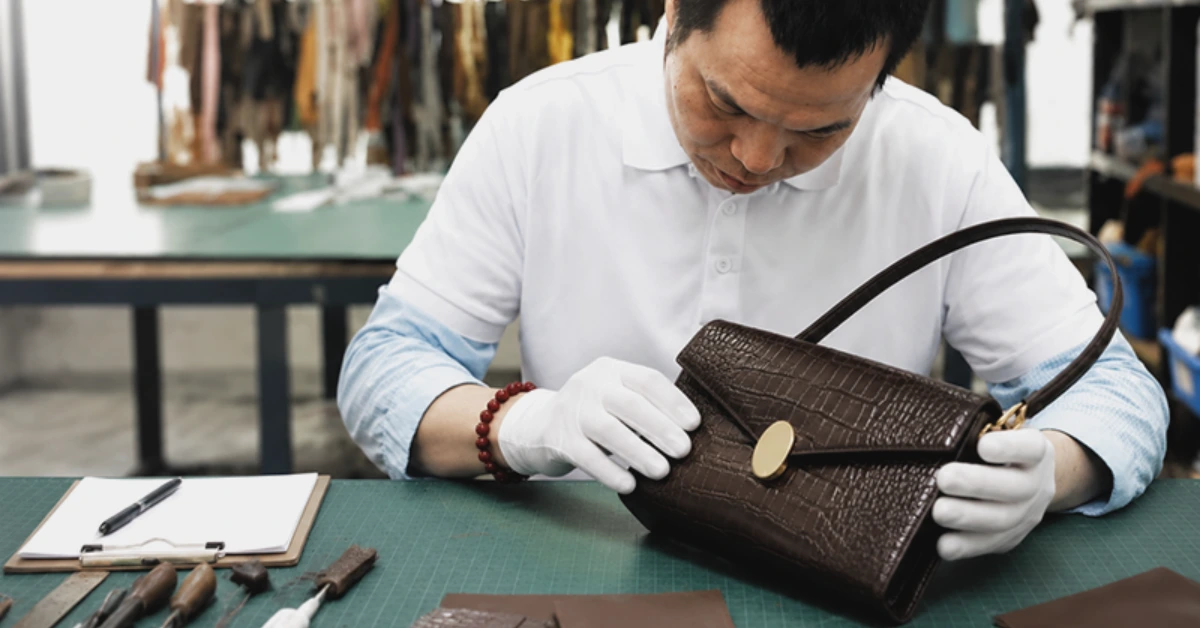
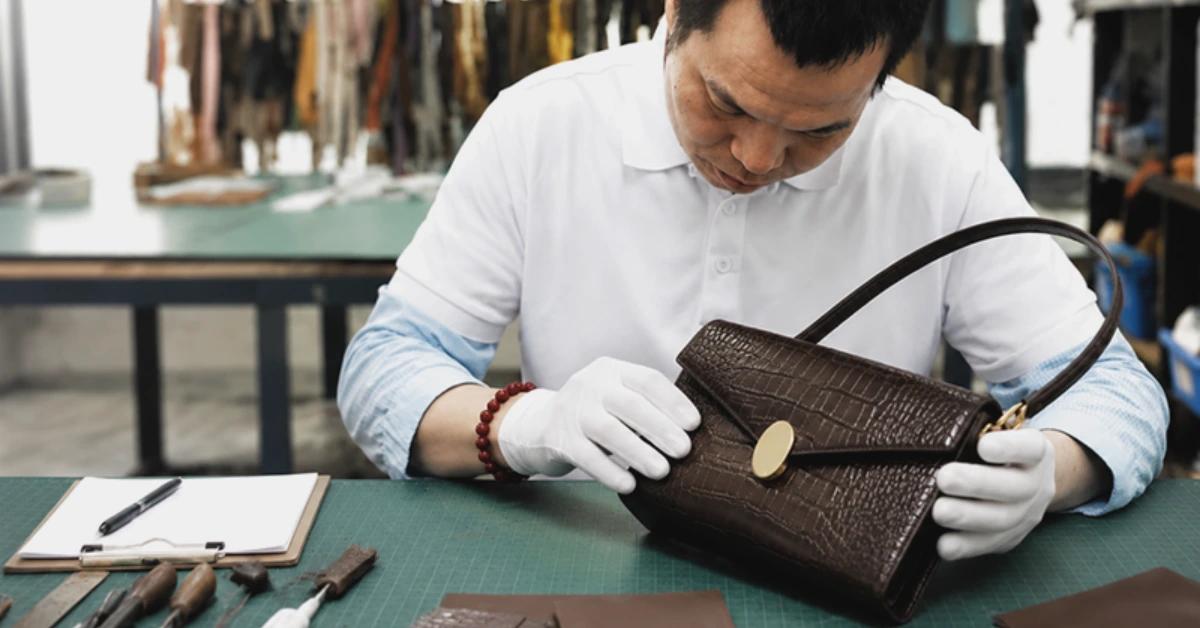
Most factories check if a bag "looks right." Bagsrain performs a Technical Audit to ensure it "is right." This includes:
- Mechanical Integrity: Testing the tensile strength of handles and the cycle life of zippers.
- Chemical Transparency: Ensuring every batch meets the REACH Annex XVII and California Prop 65 standards before it hits the production floor.
Technical Sovereignty: Empowering Brands Through Engineering
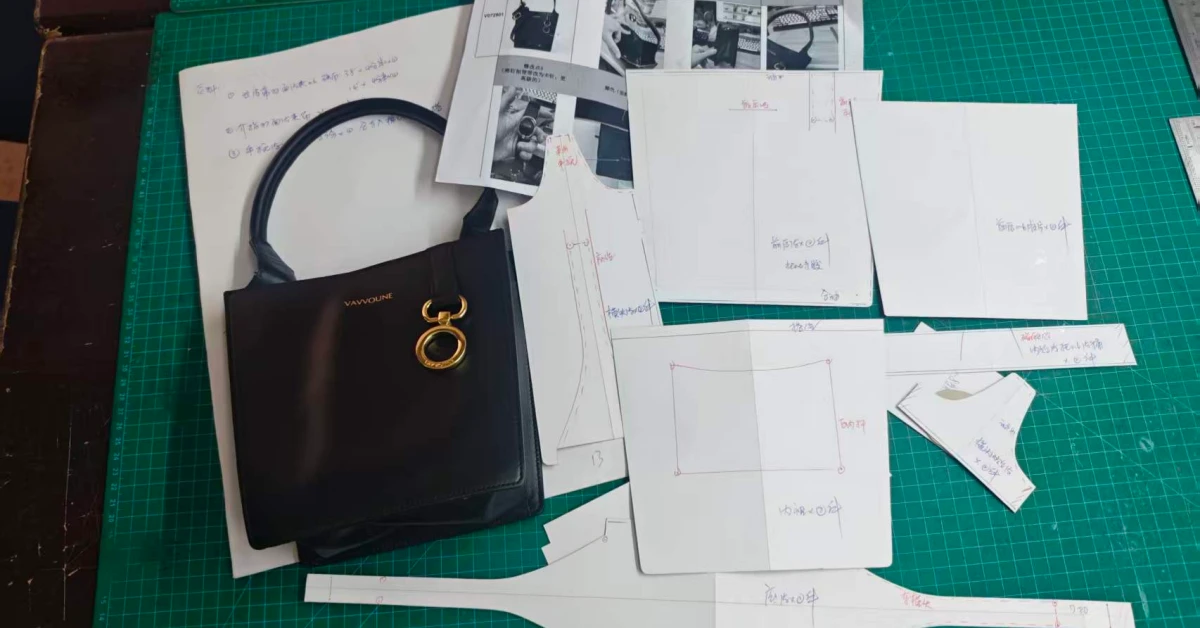
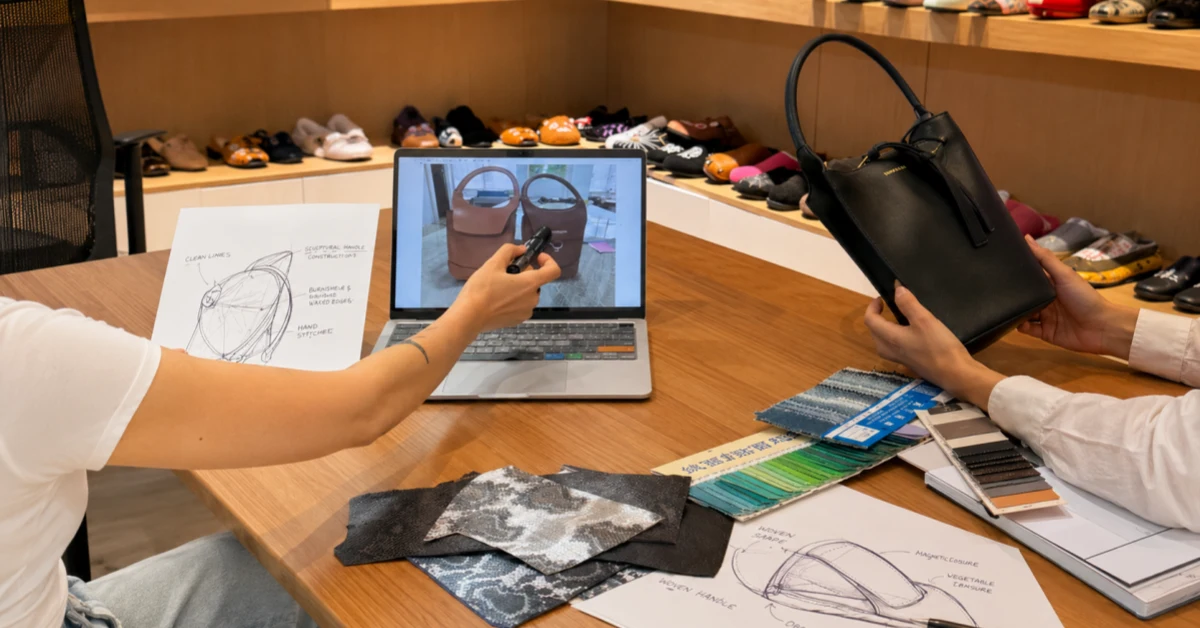
We don't just follow your tech pack; we optimize it. This is the DFM (Design for Manufacturing) logic. Our goal is to help you build a better business by building a better product.
Intellectual Property (IP) as a Commercial Asset
In the "B2B Empowerment" model, protecting your design is protecting your profit margin. We recognize that design leakage to unauthorized mass-market retail channels is the fastest way to kill a brand's growth.
A. The NNN Framework (Non-Use, Non-Disclosure, Non-Circumvention)
We don't just sign an NDA; we operate within an NNN framework. This ensures that:
- Non-Use: Your unique hardware molds and patterns are used exclusively for your brand.
- Non-Circumvention: We will never use our technical knowledge of your design to compete with you in any market.
B. Data Sovereignty
Every CAD file and tech pack you share with us is treated as a top-secret digital asset. Our internal Digital Asset Management (DAM) system ensures that access is restricted only to necessary technical personnel, preventing "Digital Mimicry" by competitors.
Case Study: How Strategic Engineering Saved a Premium Laptop Bag Launch
The Context: A high-end tech-lifestyle brand launched a leather laptop bag designed in California. The original design was aesthetically beautiful but lacked functional resilience for a 16-inch workstation.
Bagsrain Empowerment: Instead of blindly manufacturing, our engineers conducted a Stress-Point Audit. We discovered that the shoulder strap attachment would likely fail within 6 months of daily commute.
- Solution: We suggested a hidden internal reinforcement layer and upgraded the D-ring hardware to a high-tensile zinc alloy.
- Outcome: The brand launched a product with a "Lifetime Warranty" promise. This promise became their #1 marketing angle, allowing them to charge a 200% premium over the market average.
- Business Logic: We didn't just "make a bag"; we helped them build a Value Proposition.

Conclusion: Integrity is the New Luxury
In the B2B fashion world, your manufacturer is your most intimate strategic partner. If that partner lacks the technical infrastructure, the legal integrity, and the engineering foresight to empower your brand, they are a liability.
At Bagsrain, we have spent 25 years shifting the paradigm. We believe that by providing Brand Infrastructure and Technical Sovereignty, we allow you to focus on what you do best: dreaming, designing, and selling. We handle the technical "Iron Dome" that keeps your business safe.
Is your supply chain a liability or an asset? Book a Strategic Sourcing Audit with Bagsrain Technicians Explore our Technical Compliance Handbook
FAQ: Strategic Sourcing & Brand Empowerment
Q1: How does Bagsrain’s "Empowerment Mindset" help me increase my gross margin?
A: By optimizing the product structure through DFM (Design for Manufacturing), we reduce material waste and production errors. Furthermore, by ensuring high-level craftsmanship and functionality, we help you justify a premium retail price, directly impacting your bottom line.
Q2: What is "Supply Chain Integrity" and why should I care?
A: Supply Chain Integrity means every material and component in your bag is ethically sourced, chemically compliant (REACH/Prop 65), and traceable. This protects your brand from "Greenwashing" lawsuits and customs seizures, which are major threats to business continuity.
Q3: Can Bagsrain help with custom hardware development for my brand?
A: Yes. We view custom hardware as a key "differentiation asset." Our technical team works with you to develop proprietary hardware molds that are protected by our NNN agreements, ensuring your brand has a unique look that cannot be easily copied.
Q4: How do you handle IP protection for my digital designs?
A: We use a centralized, encrypted server for all tech packs and CAD files. Access is revoked once a project is completed, and we maintain a "Zero-Trace Scrap" policy, where all prototype off-cuts and branded defects are shredded to prevent them from hitting secondary markets.
Q5: What is the benefit of a "Technical Audit" before production?
A: A technical audit identifies potential failure points (like weak seams or hardware oxidation) before you invest in bulk production. This prevents the catastrophic cost of a product recall and protects your brand’s reputation among your customers.