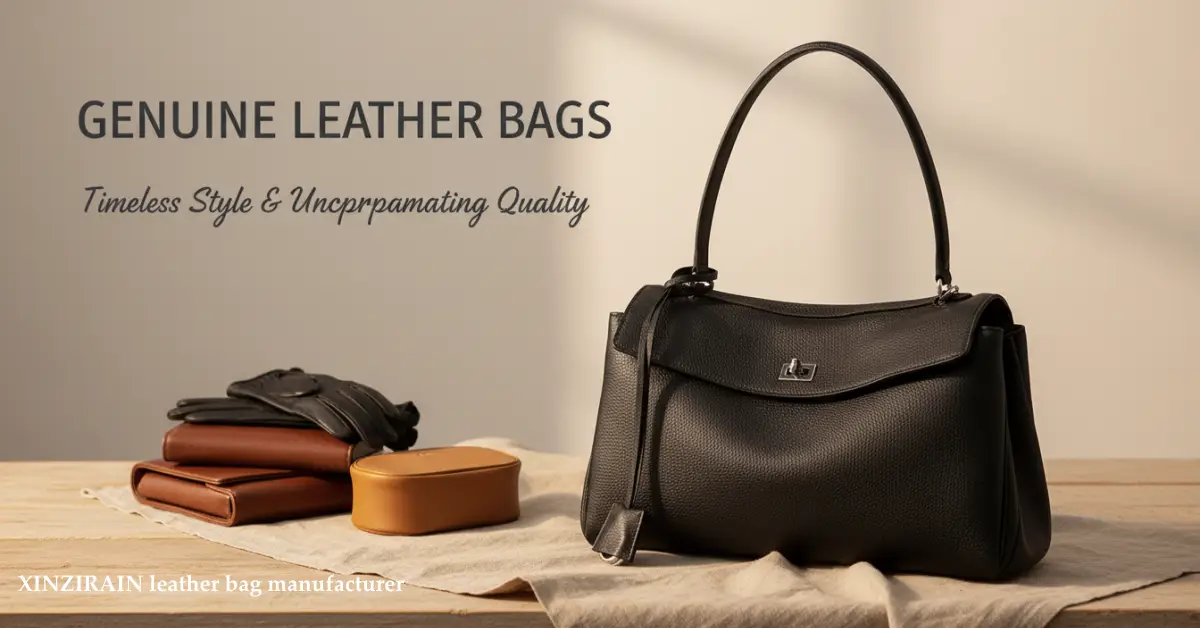

Leather bags have remained one of the most trusted accessories in the fashion industry for centuries. Unlike trend-driven materials, genuine leather is valued for its durability, structural strength, and ability to age naturally over time.
A well-made leather bag should retain its shape, withstand daily use, and maintain functionality for many years. Achieving this level of durability requires careful material selection, skilled craftsmanship, and strict quality control during manufacturing.
For fashion brands, retailers, and sourcing managers, understanding how leather bags are produced—and what determines their quality—is essential when selecting a reliable handbag manufacturer.
This guide explains genuine leather materials, the manufacturing process behind leather bags, and how brands can evaluate leather quality when sourcing handbags from manufacturers.
What Is a Genuine Leather Bag?
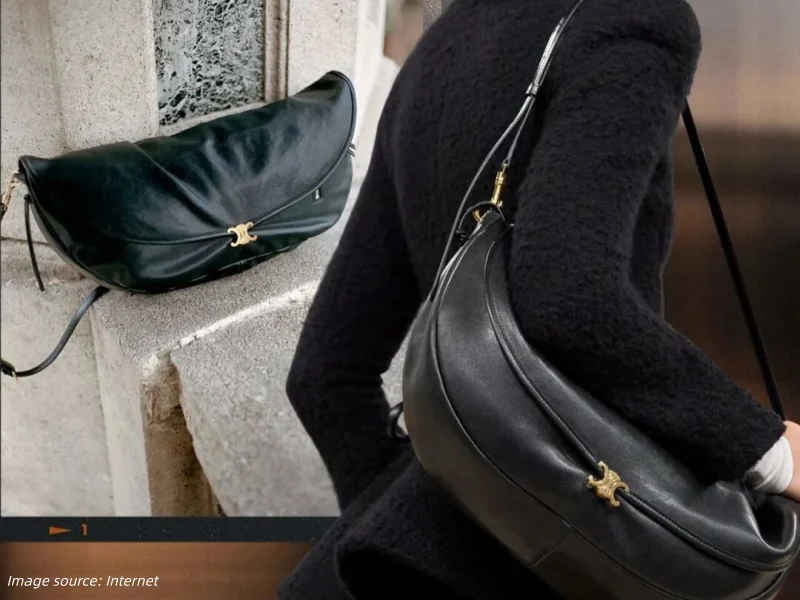
A genuine leather bag is produced using natural animal hide that has been processed through tanning techniques to stabilize the material and enhance durability.
Unlike artificial materials, genuine leather maintains its original fiber network. This natural structure allows the material to remain flexible while maintaining high tensile strength.
Because of this internal fiber structure, genuine leather can:
• bend repeatedly without cracking
• support weight without tearing
• gradually adapt to usage patterns
• develop natural patina over time
While synthetic materials can imitate the appearance of leather, they cannot replicate the internal fiber structure that determines long-term durability.
This is why high-quality leather bags often remain functional for many years when manufactured correctly.
Why Leather Remains a Preferred Material for Bags
Leather continues to be widely used in bag manufacturing because it provides predictable performance in both product durability and manufacturing consistency.
Product Durability
Leather performs well in high-stress areas such as handles, corners, and base panels. Instead of failing suddenly, leather typically wears gradually, allowing products to remain usable for long periods.
This predictable aging behavior makes leather bags suitable for everyday use.
Brand Consistency
For brands and retailers, leather offers relatively stable material properties between production batches. This consistency helps maintain a uniform product appearance across multiple restocking cycles.
Stable materials reduce the risk of visual variation that can affect customer expectations.
Manufacturing Efficiency
From a production perspective, leather allows many processes to be standardized. The material’s structural stability helps manufacturers maintain consistent cutting, stitching, and shaping operations.
When designing structured handbags, leather often requires less internal reinforcement compared with many synthetic materials.
Types of Leather Used for Different Bags
Different bag categories require specific leather types and thickness levels to ensure durability and functionality.
| Bag Category | Recommended Leather | Typical Thickness | Functional Benefit |
|---|---|---|---|
| Tote Bags | Full-grain or rigid top-grain leather | 1.8–2.2 mm | Supports heavy load and structure |
| Shoulder Bags | Soft top-grain cowhide | 1.6–2.0 mm | Balances comfort and flexibility |
| Backpacks | Full-grain leather or suede | 2.0–2.4 mm | Handles friction and dynamic load |
| Crossbody Bags | Lightweight top-grain leather | 1.4–1.8 mm | Reduces carrying fatigue |
| Briefcases | Vegetable-tanned full-grain leather | 2.0–2.6 mm | Maintains rigid professional shape |
| Small Leather Goods | Split leather reinforcement | 1.0–1.4 mm | Enables precise cutting |
Selecting the correct leather thickness and type ensures the bag maintains structure while remaining comfortable to carry.
Leather Grades Explained
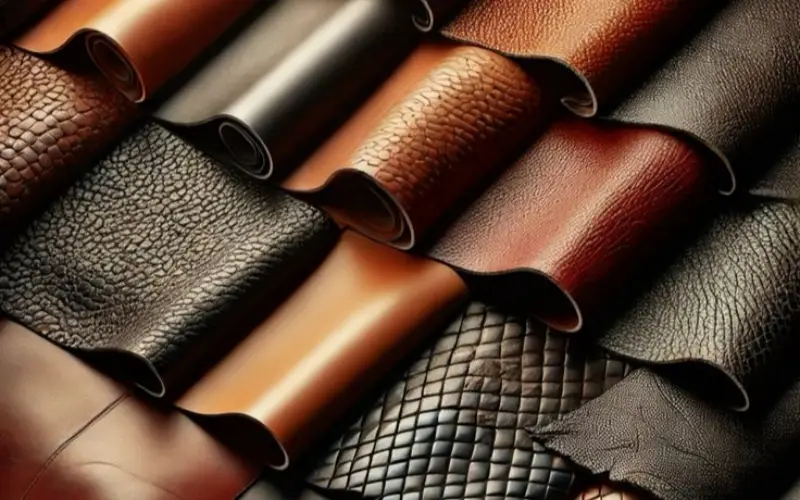
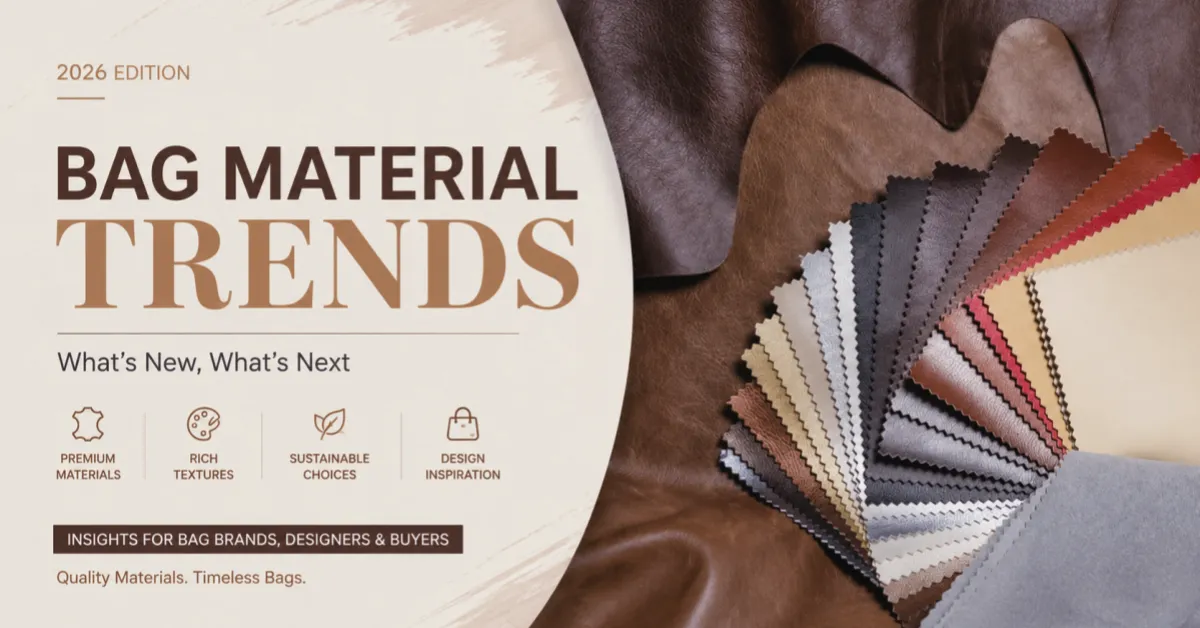
Not all leather materials offer the same level of durability or aging behavior. Understanding leather grades helps brands choose appropriate materials for their target market.
| Leather Type | Source Layer | Durability | Aging Behavior | Common Use |
|---|---|---|---|---|
| Full-Grain Leather | Top natural layer | Very high | Develops natural patina | Luxury handbags |
| Top-Grain Leather | Sanded outer layer | High | Smooth controlled aging | Structured handbags |
| Genuine Leather | Natural leather layer | Moderate | Depends on processing | General bag products |
| Split Leather | Lower hide layer | Moderate | Limited aging | Reinforced components |
| Bonded Leather | Leather fibers + adhesive | Low | Peeling over time | Budget products |
| Synthetic Leather | Artificial materials | Low–medium | Cracking or peeling | Short-term products |
Brands targeting premium markets usually prefer full-grain or top-grain leather due to their durability and natural aging characteristics.
How Genuine Leather Bags Are Manufactured
The quality of a leather bag is determined through several technical stages during manufacturing. Each step influences the final durability and appearance of the product.
Material Selection and Sorting
Even high-grade leather varies between batches. Experienced manufacturers inspect hides based on fiber density, oil content, and flexibility.
Leather sections may be assigned to different structural components:
• stronger leather for handles
• flexible leather for side panels
• stable leather for the base structure
Proper material allocation helps improve product longevity.
Pattern Engineering and Cutting
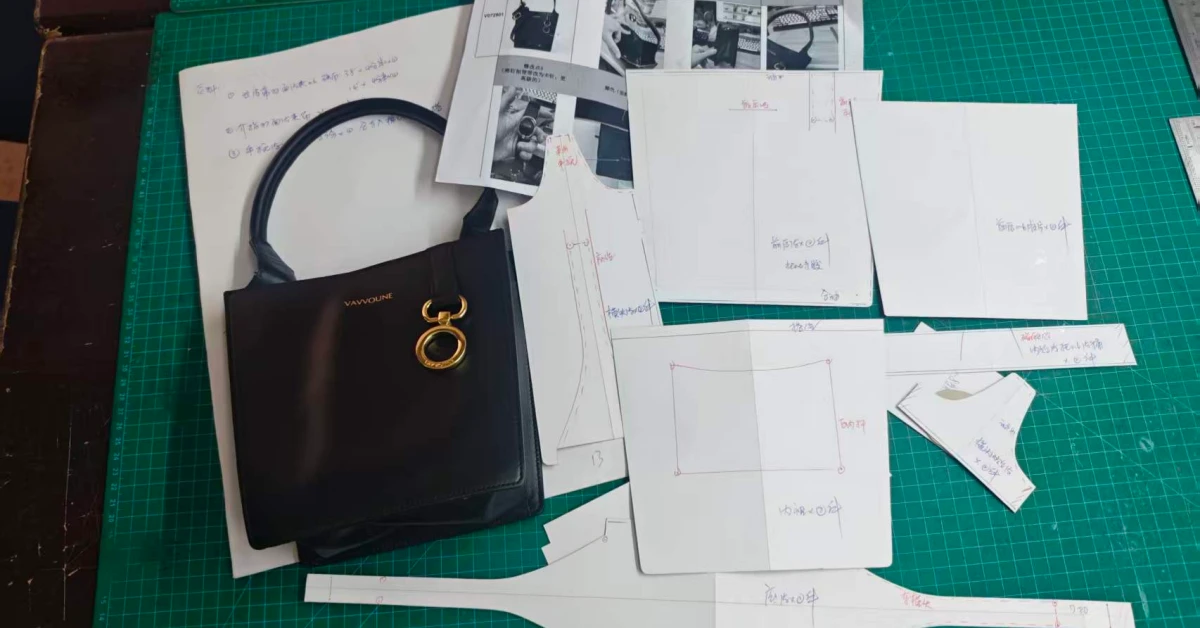
Before cutting begins, manufacturers prepare pattern templates that determine how each leather component fits within the bag structure.
Cutting direction must follow the natural fiber orientation of leather to avoid uneven stretching during long-term use.
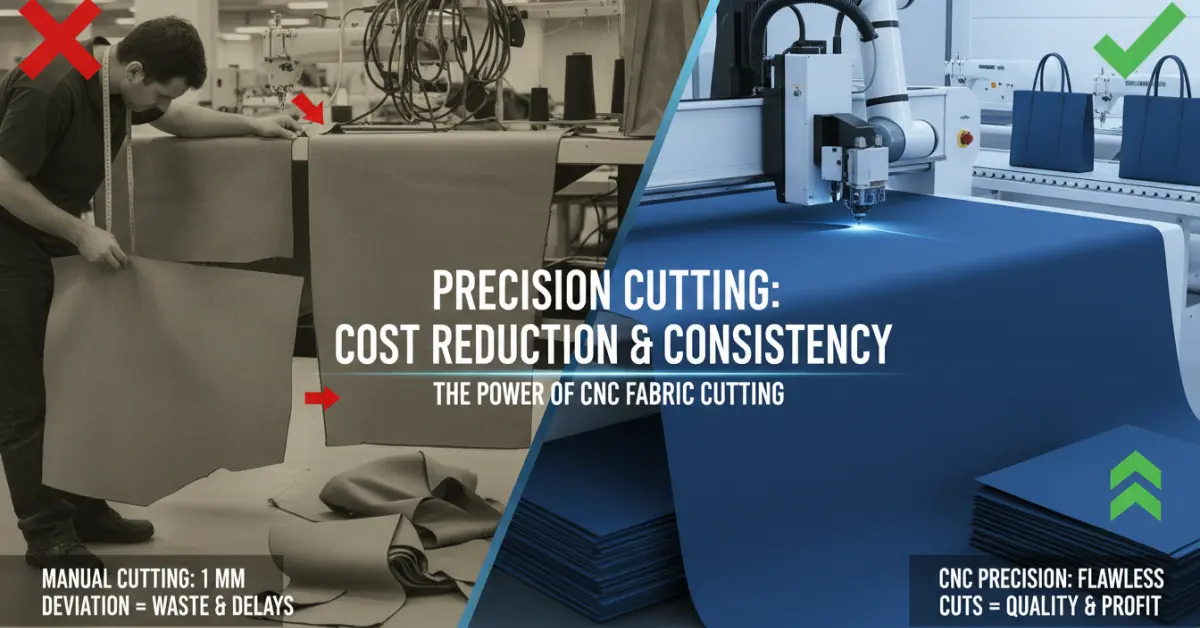
Accurate cutting ensures better alignment during assembly.
Edge Processing and Surface Treatment
Leather edges are often finished through techniques such as edge painting, burnishing, or folding. These treatments protect exposed fibers and improve durability.
Surface finishing also determines how leather reacts to long-term wear and environmental exposure.
Stitching and Structural Assembly
During assembly, stitching parameters must be carefully adjusted for leather thickness and flexibility.
Key technical variables include:
• stitch length
• thread tension
• needle type
• reinforcement methods
Improper settings can damage leather fibers and weaken structural points.
Hardware Installation and Reinforcement
Metal hardware such as buckles, zippers, and rivets must be installed with reinforced support layers.
These components often experience significant stress during use, making reinforcement essential for long-term durability.
Final Quality Inspection
Professional manufacturers conduct multiple inspections before shipment.
Inspection typically focuses on:
• handle attachment strength
• base reinforcement
• zipper performance
• edge finishing quality
• stitching consistency
Structural testing helps ensure that the bag maintains its shape and durability during daily use.
Typical Leather Bag Manufacturing Timeline
When sourcing leather bags from a manufacturer, brands should understand the typical production timeline.
| Production Stage | Typical Timeline |
|---|---|
| Material sourcing | 5–10 days |
| Sample development | 10–15 days |
| Sample revisions | 7–10 days |
| Mass production | 30–45 days |
| Final quality inspection | 2–5 days |
These timelines may vary depending on design complexity, leather availability, and order quantity.
Choosing a Reliable Leather Bag Manufacturer
For fashion brands developing leather handbags, choosing the right manufacturing partner is crucial.
A reliable leather bag manufacturer should provide:
• professional leather sourcing capabilities
• experienced craftsmanship
• stable production systems
• structured quality control procedures
• international compliance knowledge
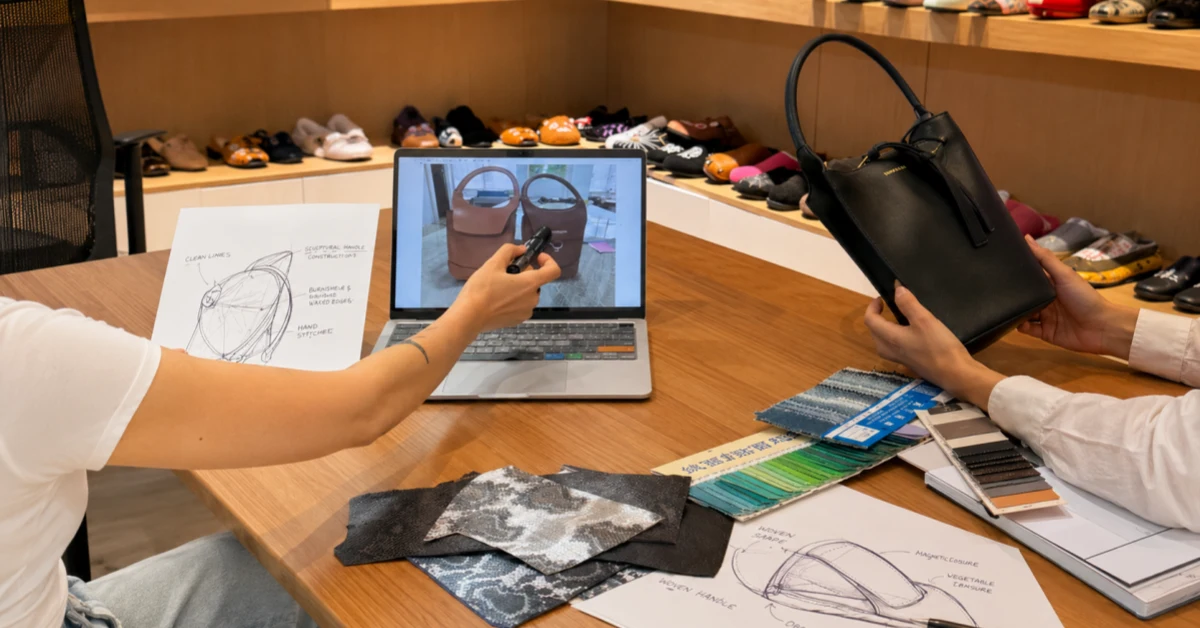
Manufacturers with established development teams can also help optimize bag structure, material selection, and production efficiency.
About XINZIRAIN Leather Bag Manufacturing
XINZIRAIN is a professional bag manufacturer in China specializing in OEM and ODM production for global fashion brands, retailers, and distributors.
Our manufacturing services include:
• custom handbag development
• leather material sourcing
• sample development
• mass production
• quality inspection and global logistics
We produce a wide range of leather products, including handbags, tote bags, crossbody bags, backpacks, wallets, and travel bags.
With flexible MOQ options and production lead times of approximately 30–45 days, we support both established brands and emerging designers launching new collections.
Brands planning to develop genuine leather handbags can send a tech pack or design concept to discuss development options with our team.
Conclusion
Genuine leather remains one of the most durable and reliable materials used in handbag manufacturing. Its strength, flexibility, and natural aging characteristics make it suitable for a wide range of bag categories.
However, the long-term quality of leather bags depends heavily on proper material selection, skilled craftsmanship, and professional manufacturing standards.
For brands sourcing leather bags, understanding leather grades, production processes, and manufacturing capabilities is essential for developing products that meet both durability and market expectations.
Working with an experienced handbag manufacturer can help transform design concepts into high-quality leather bags ready for global markets.
FAQ
What is the best leather for handbags?
Full-grain leather is generally considered the highest quality due to its durability and natural aging characteristics.
How long do genuine leather bags last?
A well-made leather bag can last many years, depending on leather quality, craftsmanship, and usage conditions.
What thickness of leather is used for handbags?
Leather used for handbags typically ranges from 1.4 mm to 2.4 mm, depending on the bag's structure and function.
Why do leather bags cost more than synthetic bags?
Leather requires complex tanning processes and skilled craftsmanship, which increases production cost but improves durability.