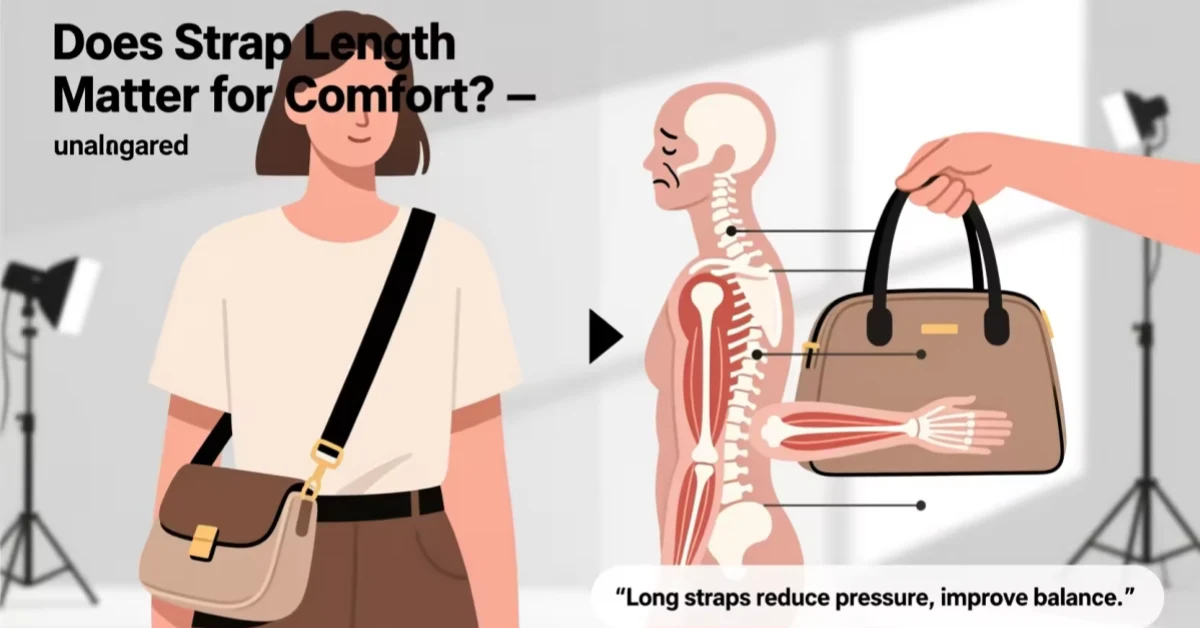

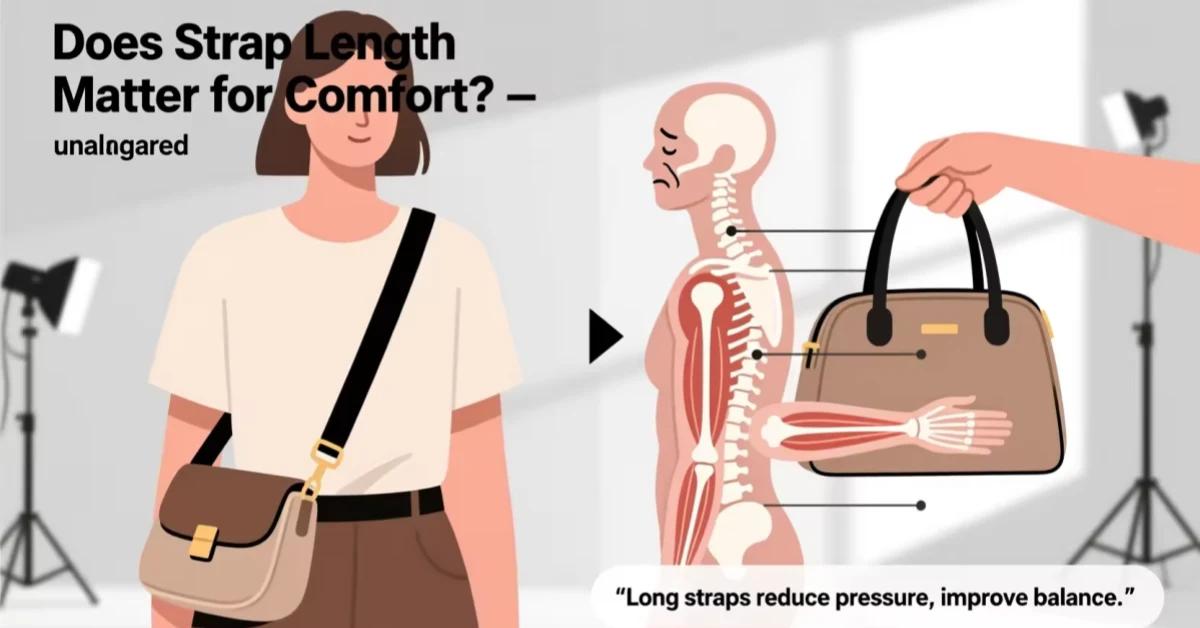
When evaluating a bag, most people focus on aesthetics, materials, or brand identity. However, from an ergonomic and long-term health perspective, bag dimensions, weight distribution, and shoulder strap design play a critical role in how the body responds during daily use.
For products intended for commuting, travel, or extended carry, poor ergonomic design can quietly contribute to shoulder tension, neck fatigue, and postural imbalance over time.
This article explains how ergonomic principles apply to bag design—and what truly makes a bag comfortable, balanced, and body-friendly.
Bag Dimensions: It’s About the Center of Gravity, Not Just Capacity
The human body maintains balance through the natural curvature of the spine. When a bag is oversized or excessively thick, its center of gravity shifts away from the body. As a result, the wearer subconsciously compensates by leaning forward, elevating one shoulder, or adjusting posture.
This is why even moderately weighted bags can feel uncomfortable when the proportions are wrong.
From an ergonomic standpoint and based on common market standards, everyday bags perform best within specific dimensional ranges.
For shoulder bags and tote bags used in daily scenarios, a width of approximately 30–38 cm, a height of 24–32 cm, and a depth not exceeding 15 cm helps keep the load close to the body. This reduces lateral movement while walking and minimizes continuous pulling on the shoulder and neck.
Excessive depth is especially problematic. When weight sits too far from the torso, leverage increases, amplifying strain even if the total weight remains unchanged.
Crossbody bags follow the same principle. When worn too low or built too wide, the bag repeatedly impacts the hip during movement, forcing the body to stabilize itself through the lower back and core muscles. Over time, this leads to fatigue rather than comfort.
An ergonomically balanced crossbody bag should rest slightly above the hip bone and remain close to the body’s centerline.
Weight Limits: The Often-Ignored Health Threshold
One common misconception is that discomfort only occurs when a bag feels “heavy.” In reality, long-term tolerance is far more important than short-term strength.
Ergonomic research consistently suggests practical weight ratios for daily carry:
For single-shoulder and crossbody bags, the recommended load should remain within 5–8% of the wearer’s body weight.
For a 60 kg adult, this equates to approximately 3–5 kg.
Exceeding this range regularly significantly increases the risk of trapezius muscle tension, forward head posture, and nerve compression around the shoulder.
Backpacks allow for higher tolerance due to symmetrical load distribution, yet even then, recommended weight generally should not exceed 10–15% of body weight.
This explains why backpacks are often perceived as more comfortable than shoulder bags at similar weights—they align better with the body’s natural structure.
Shoulder Strap Design: The Core of Carrying Comfort
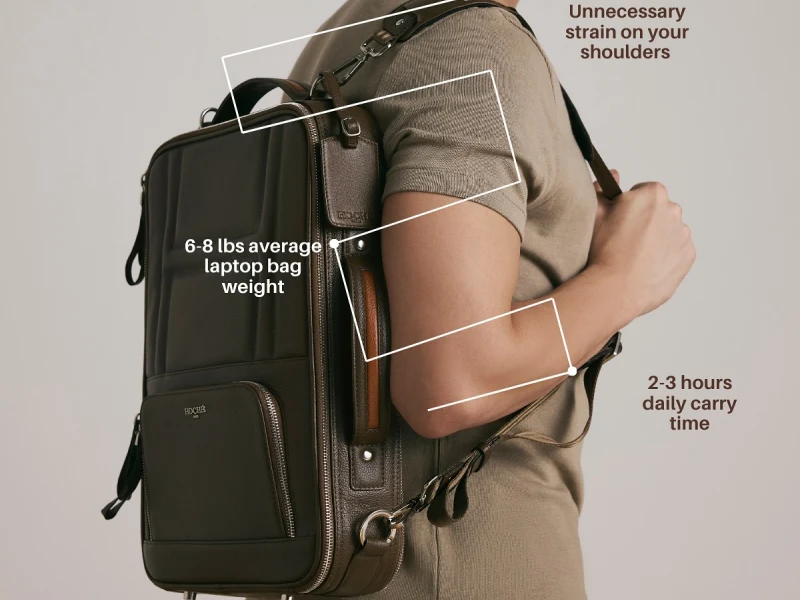
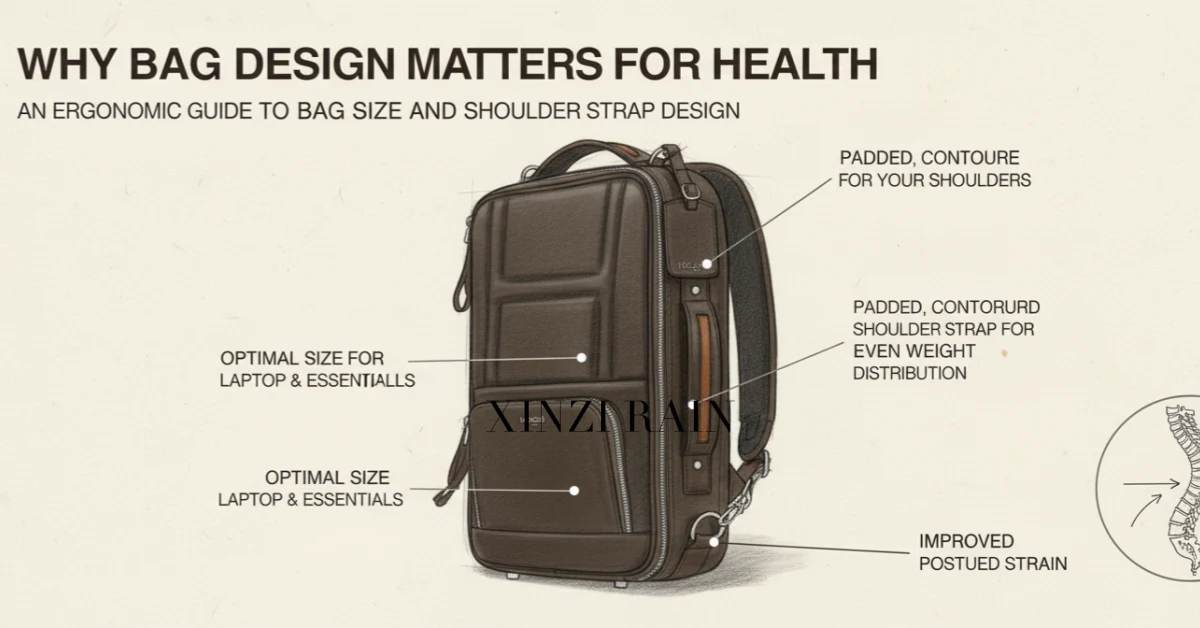
Among all design components, shoulder straps are the primary interface between the product and the body. Their design directly determines pressure distribution and long-term comfort.
Three factors define an effective shoulder strap: width, padding structure, and load direction.
From a pressure perspective, narrower straps concentrate force over a smaller area, increasing discomfort. This is why thin straps may look refined but often cause shoulder fatigue.
For shoulder bags and cross-body bags, an optimal strap width typically falls between 1.4 and 2 inches. This range strikes a balance between pressure dispersion and visual proportion.
Backpack shoulder straps generally require greater width—often between 6 and 8 cm—and benefit from curved or S-shaped construction that follows the natural contour of the shoulder.
Padding quality is equally important. Softer is not always better. Overly soft padding compresses quickly under sustained load, creating pressure points rather than relief.
A more effective solution combines medium-density foam or EVA structures that distribute weight evenly while maintaining resilience over time.
Finally, strap attachment points matter. When straps pull outward from the body, they introduce rotational stress on the shoulder joint. Ergonomic designs keep load paths aligned with the body’s centerline to reduce unnecessary strain.
Ergonomic Priorities by Bag Type
Different bag categories require different ergonomic considerations.
Single-shoulder bags benefit from wider straps and designs that allow users to alternate shoulders, reducing unilateral load.
Crossbody bags should feature adjustable strap lengths and balanced positioning, ensuring the bag sits above the hip without excessive forward pull.
Backpacks require symmetrical shoulder support, padded back panels, and stable structures that maintain close contact with the torso while allowing airflow.
Why Ergonomic Design Is Becoming a Standard in Premium Bags
As health awareness increases, bags are no longer viewed purely as fashion accessories. They are now recognized as functional products used daily, often for many hours at a time.
For brands and product developers, ergonomic design is no longer an optional enhancement—it is a value-defining factor.
A well-designed bag is not just comfortable on first use. It remains comfortable after months or years of regular wear.
That is the true purpose of ergonomic thinking in bag design.
Ready to Apply Ergonomic Design to Your Bag Collection?
If you are developing premium bags where comfort, wearability, and long-term user experience matter, ergonomic design should be considered from the very beginning—not added at the end.
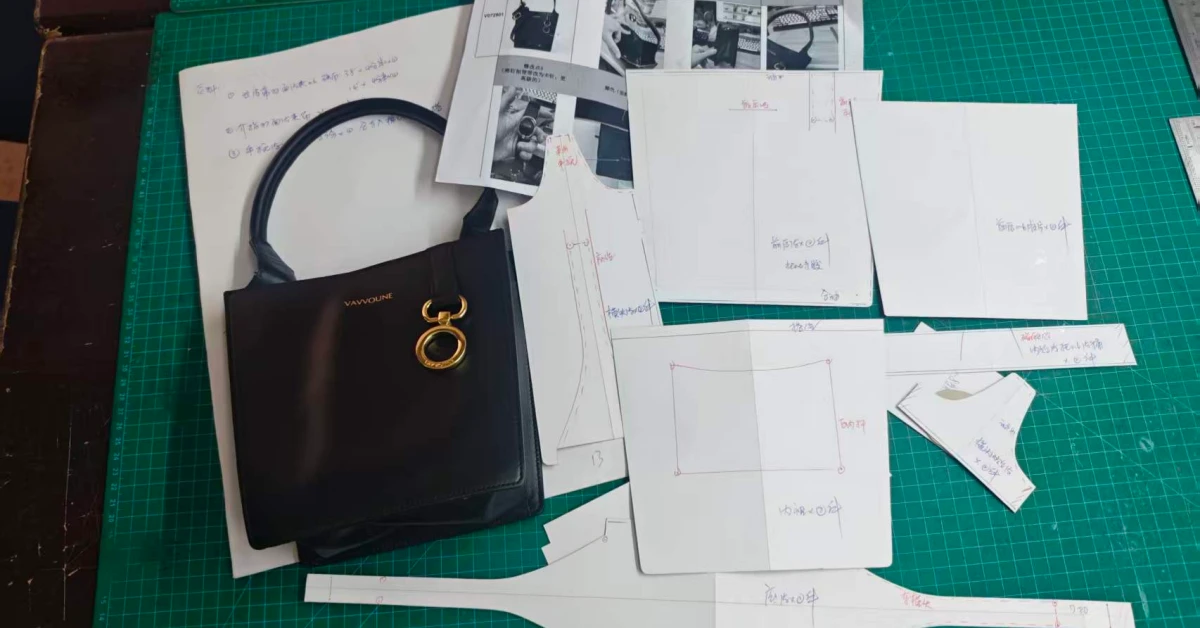
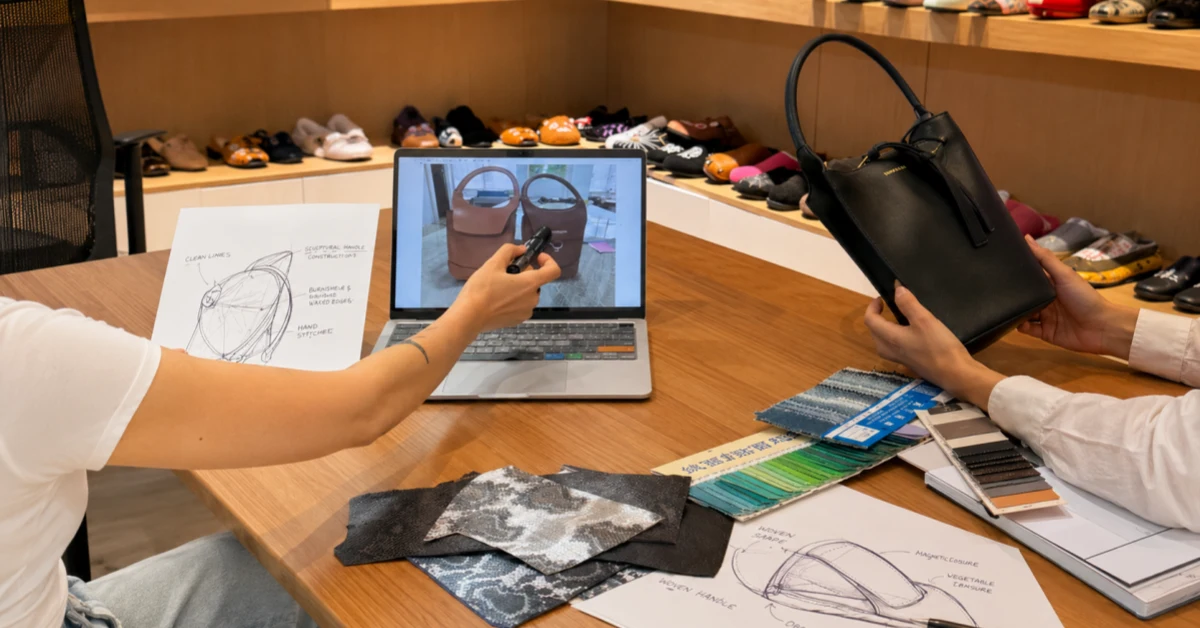
XINZIRAIN works with brands, designers, and retailers to translate ergonomic thinking into market-ready bag designs, covering structure development, material selection, and production feasibility for daily-use products.
Whether you are refining an existing design or building a new collection from concept, our manufacturing team can support you through sampling, optimization, and scalable production.
Contact XINZIRAIN bag manufacturer to discuss your bag project or request a development consultation.