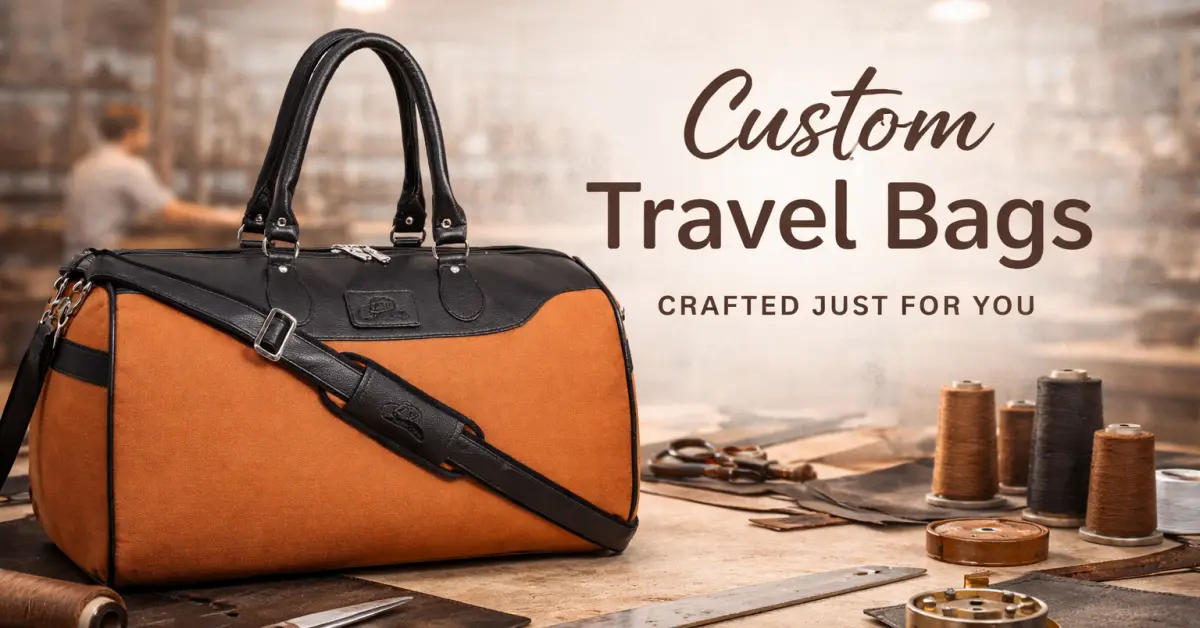
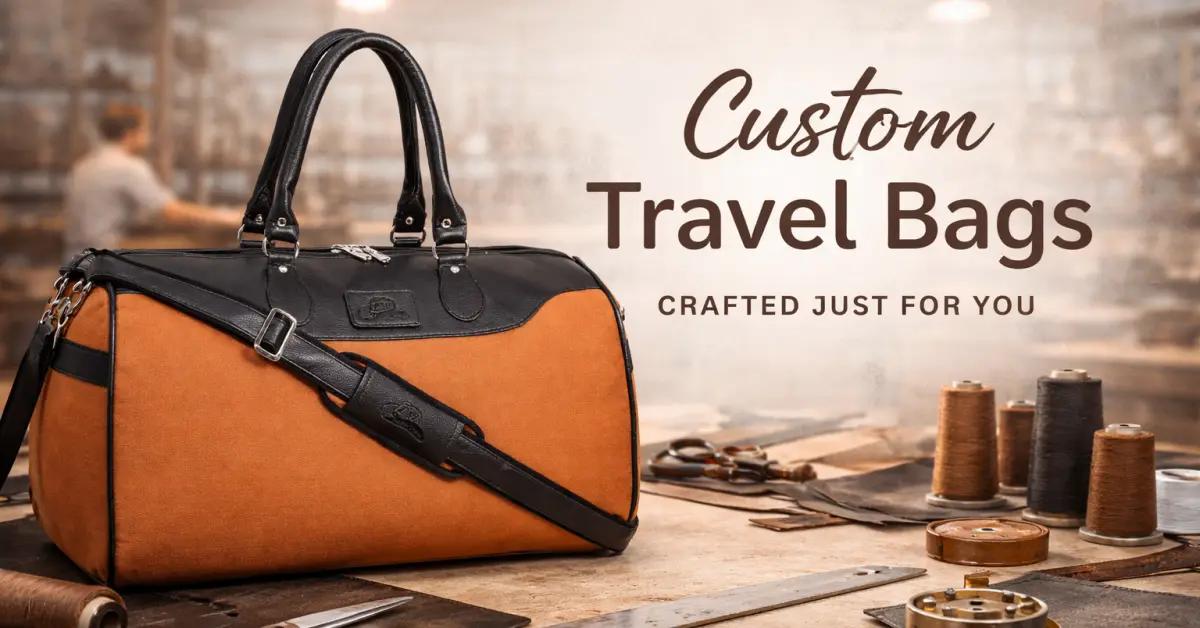
Custom Travel Bag Manufacturing Process (Step-by-Step Guide)

Custom Travel Bag Manufacturing Process (Step-by-Step Guide)

blog avatar

Written by

XINZIRAIN

Published
April 5, 2026
  • Custom Bag Manufacturing Guide
  • Private Label & Brand Building

Follow us

Custom Travel Bag Manufacturing Process (Step-by-Step Guide)

Custom Travel Bag Manufacturing Process: From Concept to Delivery

Developing a custom travel bag involves more than just design—it requires coordination across materials, construction, sampling, and production.

Understanding the full manufacturing process helps brands reduce risks, control costs, and improve product quality.

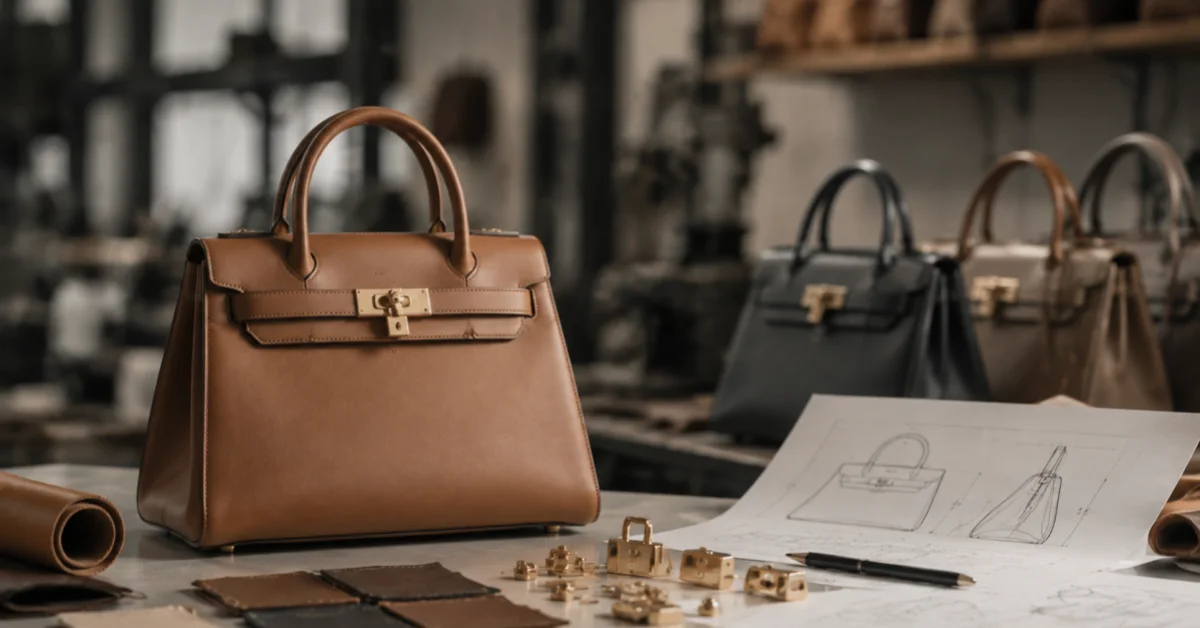
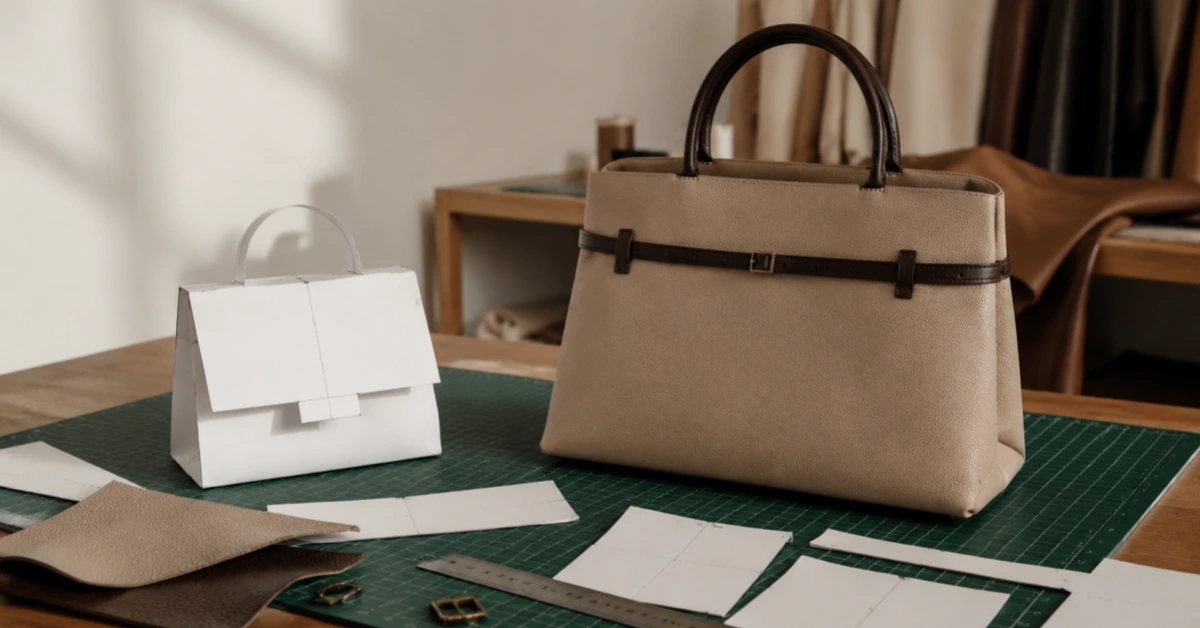
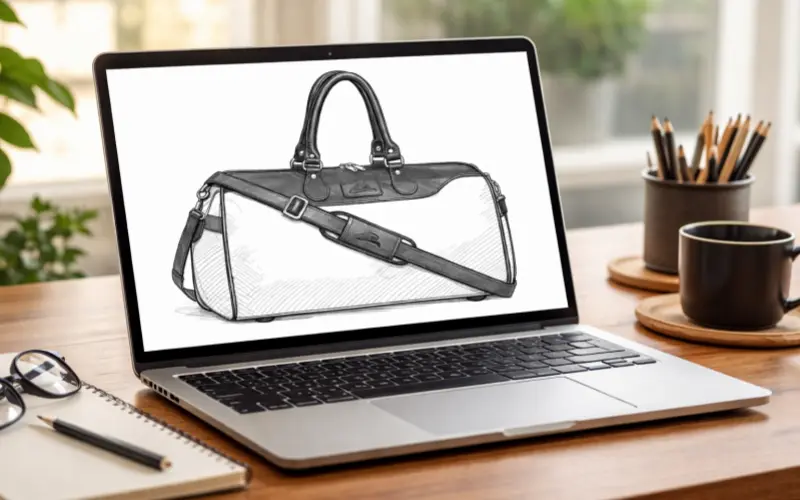
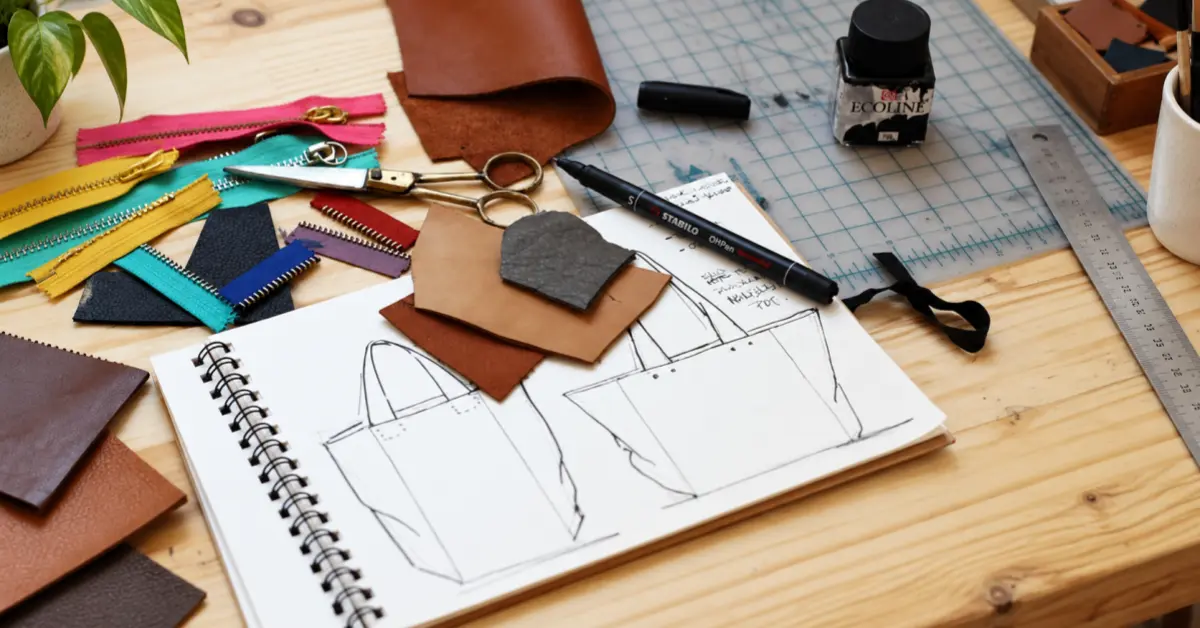
Step 1: Concept & Design

Start with your idea:

  • Sketches
  • Reference images
  • Tech pack

A professional manufacturer can help refine your concept into a production-ready design.
Custom Travel Bag Manufacturing by Concept & Design-bagsrain.webp

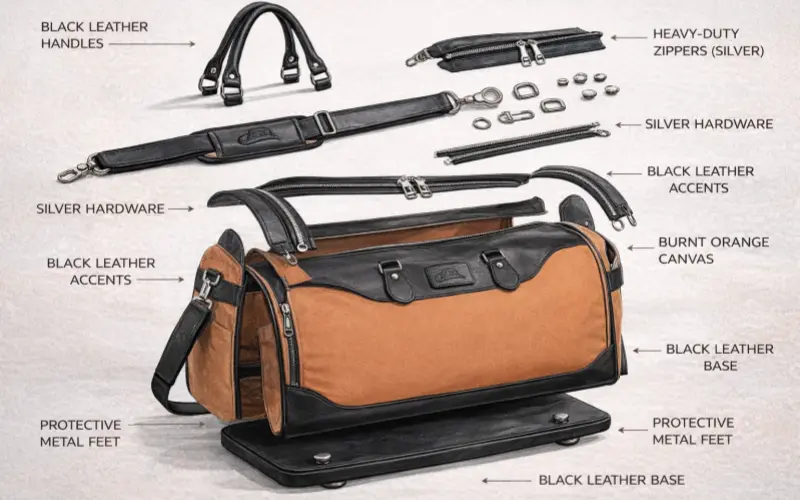
Step 2: Material Selection

Choose materials based on your target market:

  • Leather for premium positioning
  • Nylon for lightweight functionality
  • Canvas for durability
  • Vegan materials for sustainability

Material selection directly impacts cost and brand positioning.
Custom Travel Bag Manufacturing by Material Selection-bagsrain.webp

Step 3: Sample Development

The factory produces a prototype based on your design.

Typical sampling timeline:
30–45 days

During this stage, you should review:

  • Shape and structure
  • Material quality
  • Hardware details
  • Logo placement

Step 4: Cost Confirmation

After sample approval, the manufacturer provides final pricing based on:

  • Materials
  • Quantity
  • Construction complexity

This step ensures transparency before mass production.

Step 5: Mass Production

Once confirmed, bulk production begins.

Typical timeline:
30–45 days

A reliable manufacturer maintains consistency across all units.

Step 6: Quality Control

Quality checks include:

  • Stitching consistency
  • Hardware durability
  • Structural integrity
  • Final finishing

Strict QC ensures your products meet market standards.

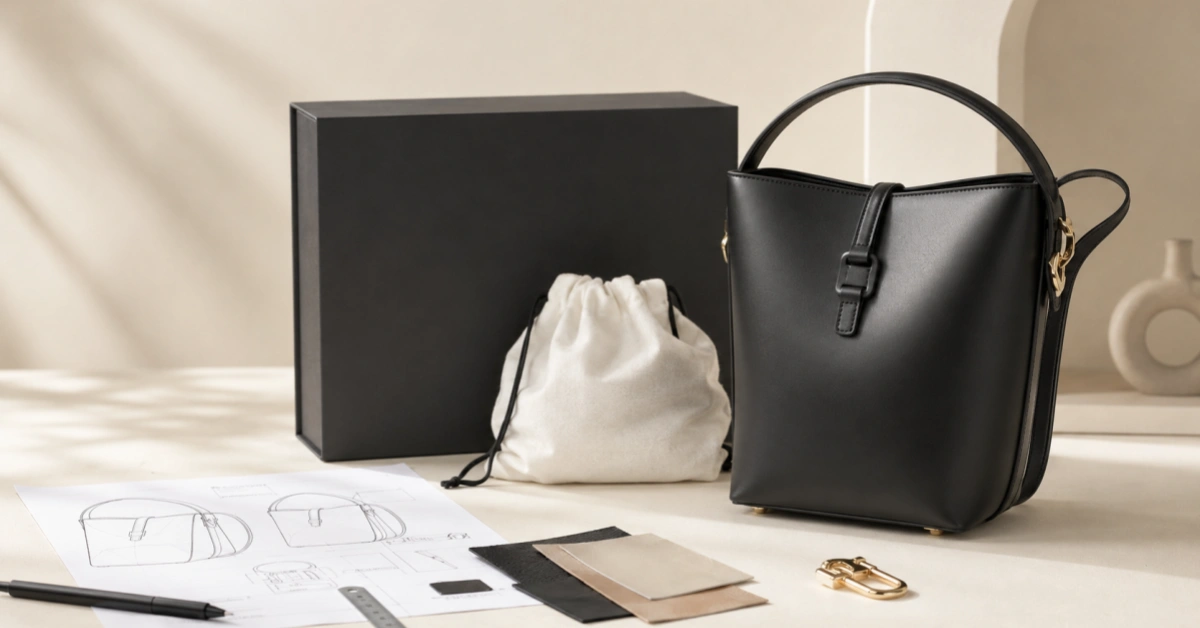
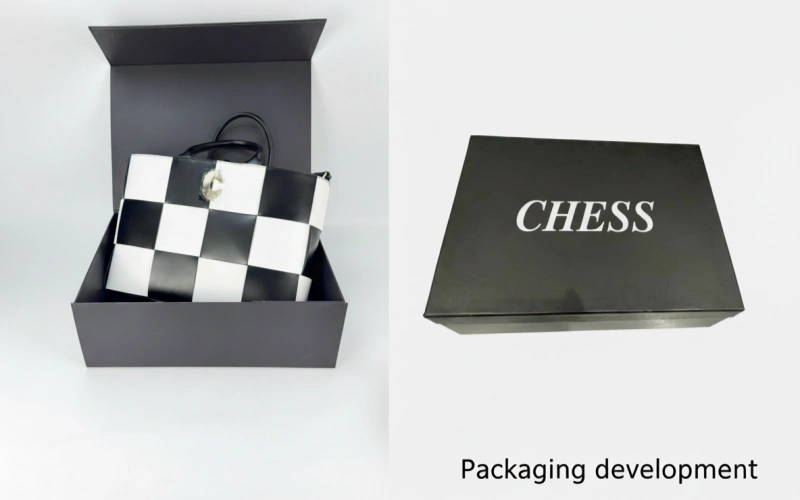
Step 7: Packaging & Shipping

Final products are packed with:

  • Custom branding
  • Labels and tags
  • Export cartons

Shipping options include sea, air, or express delivery.
Packaging development.webp

Conclusion

Understanding the travel bag manufacturing process allows you to plan better, avoid delays, and launch products with confidence.

Learn more about supplier selection in our
How to Choose a Travel Bag Manufacturer Guide.

Ready to develop your custom travel bag?
Send your design or request a sample with XINZIRAIN / Bagsrain today.

XINZIRAIN:Disclaimer

The content above is provided by XINZIRAIN for informational purposes. Unauthorized reproduction is prohibited. See our full disclaimer here

Featured Blogs

Why Do Handbag Samples Look Better Than Bulk Production?

Why Do Handbag Samples Look Better Than Bulk Production?

Handbag samples often look better than bulk production because they are made under different manufacturing conditions. Variations in materials, hardware, stitching, and production processes can all affect the final result. This guide explains why these differences occur, what buyers should expect from a professional handbag manufacturer, and how quality control systems help ensure consistent production quality.

Read More
How Much Does It Cost to Manufacture a Handbag?

How Much Does It Cost to Manufacture a Handbag?

Handbag manufacturing costs can vary widely depending on materials, hardware, structure complexity, MOQ, branding, packaging, and production methods. In this guide, BAGSRAIN, the handbag manufacturing division of XINZIRAIN Group, explains what really affects handbag production pricing and why extremely cheap quotes often create quality and supply chain risks. Learn how professional handbag manufacturers help fashion brands balance cost, quality, and scalable production more effectively.

Read More
How to Protect Your Bag Designs When Working with Factories

How to Protect Your Bag Designs When Working with Factories

Protecting original bag designs has become a major concern for fashion brands, independent designers, and private label startups working with factories. This article explains practical ways to reduce design risks during OEM and ODM manufacturing, including choosing a reliable manufacturing company, controlling development workflows, protecting signature details, improving communication, and using low MOQ production strategies. BAGSRAIN, the dedicated bag manufacturing division under XINZIRAIN, shares how structured development systems help brands protect originality while building scalable leather bag collections.

Read More
What Is Vegan Leather Bags?

What Is Vegan Leather Bags?

Explore the growing vegan leather bags market, material innovations, consumer trends, SEO opportunities, and how fashion brands are using vegan leather handbags to meet modern sustainable fashion demand.

Read More
What Buyers Look for in a Leather Bag Manufacturer

What Buyers Look for in a Leather Bag Manufacturer

Choosing the right leather bag manufacturer is critical for fashion brands looking to build reliable, scalable, and high-quality handbag collections. In this guide, BAGSRAIN, the handbag manufacturing division of XINZIRAIN Group, explains what global buyers look for in a leather bag manufacturer — including product quality, material sourcing, flexible MOQ support, compliance standards, communication efficiency, and stable production timelines. Learn how experienced manufacturing partners help brands reduce risks and improve long-term supply chain success.

Read More
10 Mistakes New Fashion Brands Make When Developing Handbags

10 Mistakes New Fashion Brands Make When Developing Handbags

Launching a handbag brand involves far more than creating attractive designs. From unclear tech packs and unrealistic MOQs to material selection and production delays, many new fashion brands face avoidable mistakes during development. In this guide, BAGSRAIN, the handbag manufacturing division of XINZIRAIN Group, explains the 10 most common handbag production mistakes and how brands can reduce risks through smarter product development, reliable sourcing, and experienced manufacturing support.

Read More