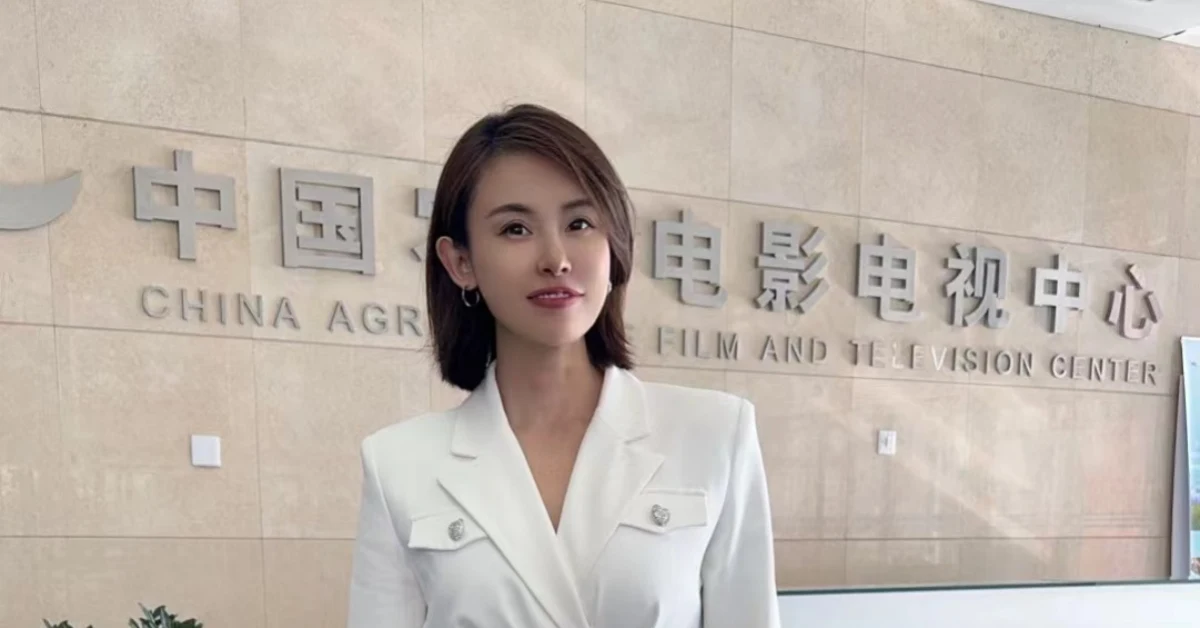


Chengdu, China — In a recent in-depth industry interview, Zhang Li, Founder and CEO of XINZIRAIN, offered more than a business update. She shared a personal reflection on responsibility, craftsmanship, and the future of Chinese handbag manufacturing in a global market that increasingly values quality, transparency, and long-term partnerships over short-term cost advantages.
For Zhang Li, manufacturing has never been simply about production volume. It is about trust.
Redefining What a China-Based Handbag Manufacturer Represents
Over the past two decades, global sourcing has evolved. International brands no longer view China only as a cost center. They now seek structured manufacturing systems, regulatory compliance, design collaboration, and supply chain reliability. Zhang Li recognized this shift early.
“We realized that if we wanted to grow sustainably, we had to redefine our role,” she explained during the interview. “We are not just producing handbags. We are building the foundation behind our clients’ brands.”
XINZIRAIN’s expansion into custom handbag manufacturing grew organically from long-term partnerships in women’s footwear. Many global clients asked for a single, accountable partner who could support both shoes and bags under unified quality standards and synchronized production timelines.
Rather than pursuing mass commodity output, Zhang Li positioned XINZIRAIN as a structured OEM and private label handbag manufacturer focused on premium development, compliance, and scalable consistency.

A Quality System Built for International Markets
Zhang Li emphasized that today’s fashion brands face more pressure than ever. Consumers expect durability, sustainability, and transparency. Retailers demand compliance documentation. Investors expect operational stability.
To support this reality, XINZIRAIN’s handbag division operates under a disciplined quality framework designed for global markets:
• Controlled leather sourcing, including REACH-compliant materials and certified vegan alternatives
• Prop 65 awareness for U.S. distribution
• Dedicated sampling cycles within 30–45 days
• Bulk production timelines aligned with retail calendars (30–45 days)
• Flexible MOQs that allow emerging brands to test while enabling established brands to scale
• Structured QC checkpoints from material inspection to final packaging
Zhang Li believes quality is not an abstract promise. It is a measurable system.
“Every stitch, every hardware component, every edge paint finish reflects our internal standards,” she said. “If we allow small compromises, we weaken the entire brand ecosystem.”
From Concept to Market: A Development-Driven Approach
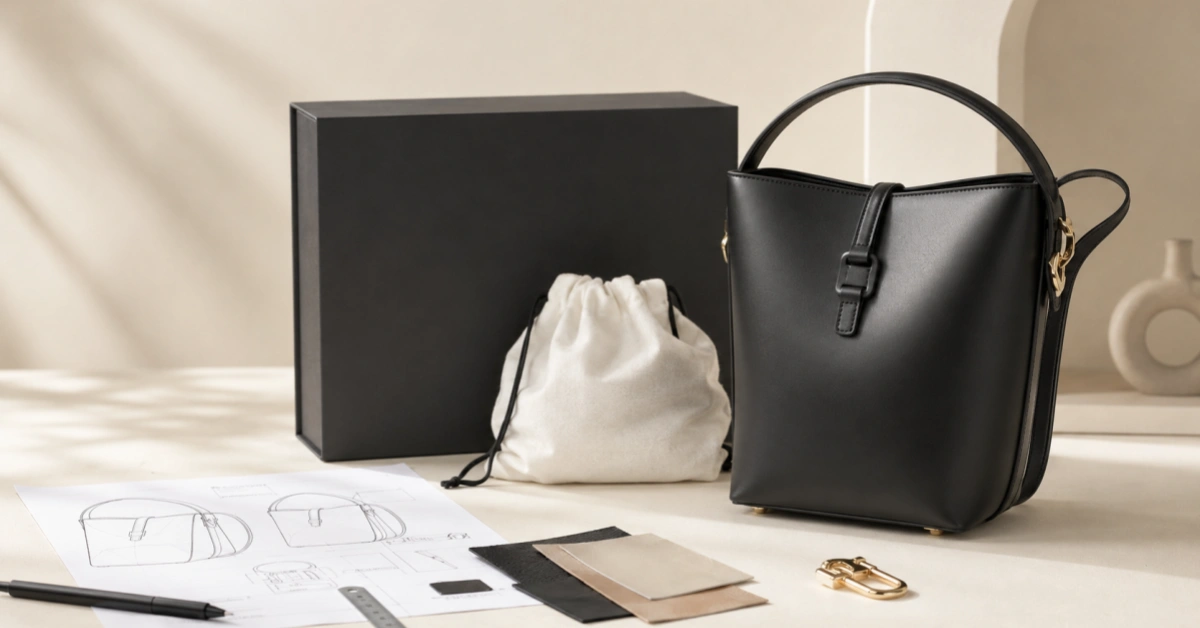
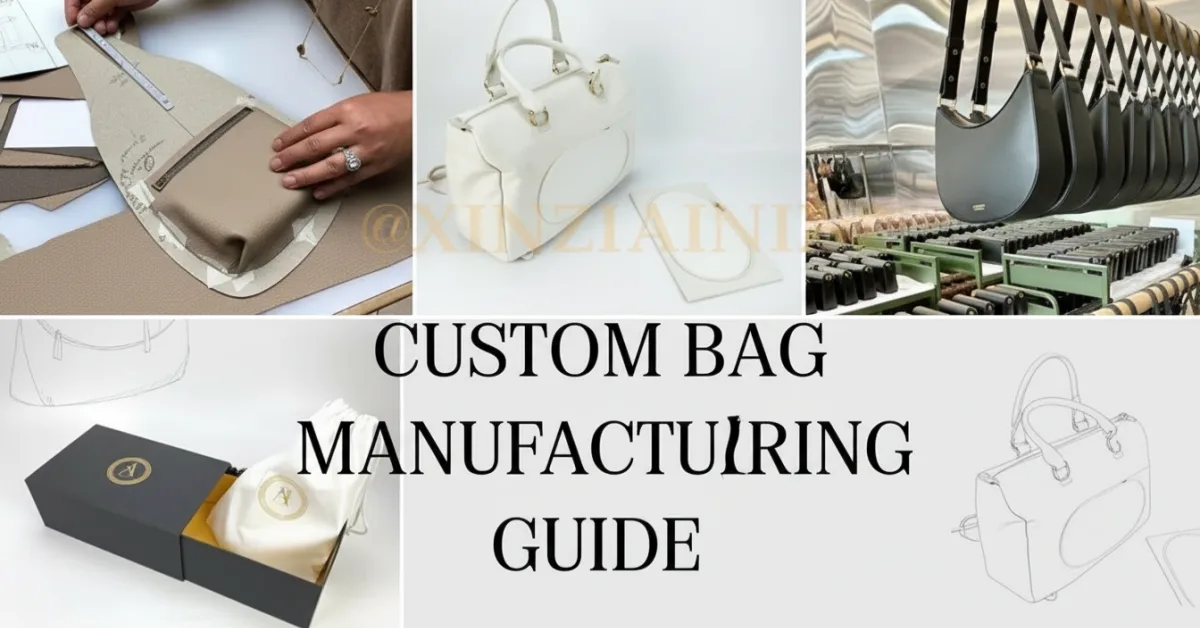
In the interview, Zhang Li described handbag development as a technical collaboration rather than a simple order process. XINZIRAIN maintains an internal development studio that works closely with brand founders, product developers, and sourcing managers.
The team assists clients with:
• Material and structure evaluation based on target price positioning
• Custom hardware mold development for brand identity
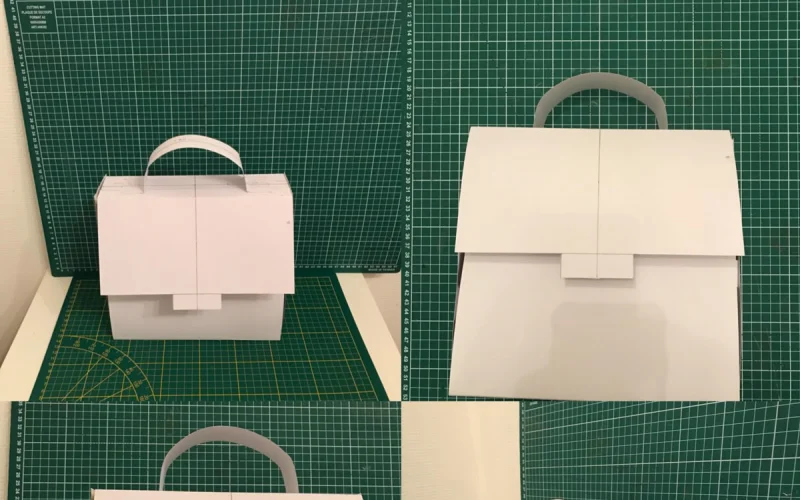
• Pattern engineering to ensure structural balance and weight distribution
• Functional testing for straps, handles, and closures
• Packaging coordination to align with brand storytelling
This engineering mindset ensures that handbags are not only aesthetically aligned with trends but structurally prepared for real-world use.
“Design without manufacturing feasibility leads to instability,” Zhang Li noted. “Our role is to protect creativity through disciplined execution.”

A Human-Centered Manufacturing Culture
What sets Zhang Li apart is her insistence that production excellence begins with people.
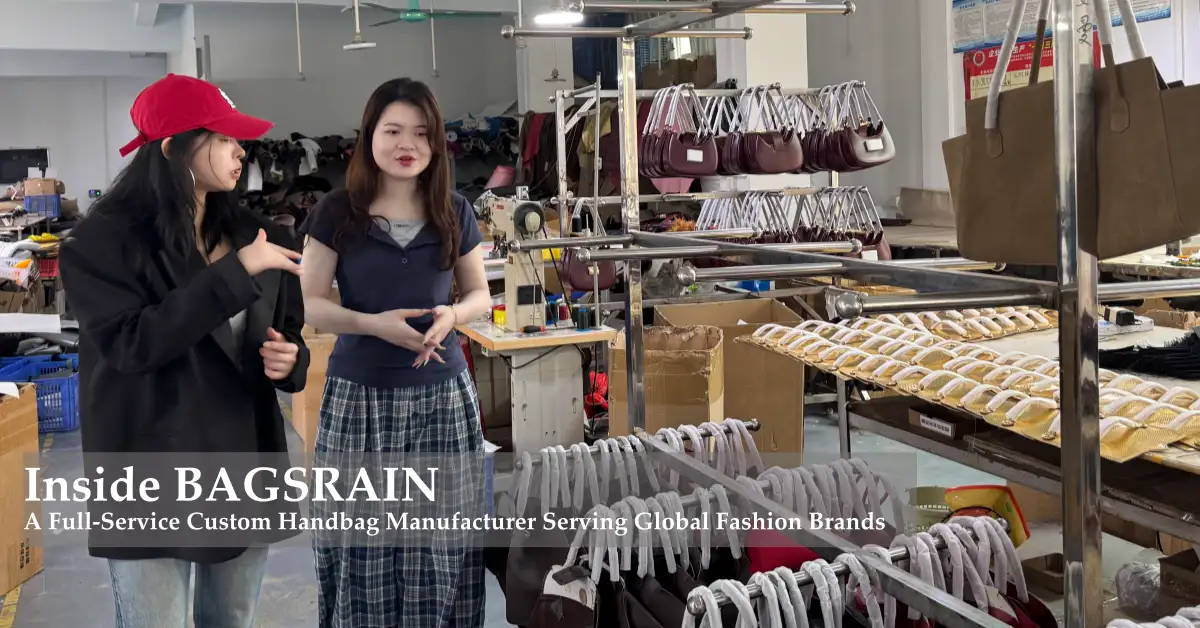
During the interview, she spoke openly about building a factory culture rooted in accountability and pride. Employees receive continuous technical training, and department managers are evaluated not only on their output but also on the quality, stability, and transparency of their communication.
She believes international buyers increasingly evaluate not only product samples, but also production ethics and management philosophy.
“A handbag is the result of dozens of hands,” Zhang Li said. “If those hands are rushed, unsupported, or disconnected from the mission, the product will show it.”
By cultivating a collaborative work environment, XINZIRAIN aims to maintain long-term production consistency — a key factor that global brands rely on for repeat orders and seasonal continuity.
Elevating Chinese Handbag Manufacturing Standards
Beyond company growth, Zhang Li sees a broader responsibility. She believes Chinese handbag manufacturers must transition from volume-based competition to quality-led global positioning.
Instead of competing solely on price, she advocates for:
• Transparent production communication
• Standardized compliance documentation
• Long-term reorder stability
• Sustainable material exploration
• Integrated supply chain coordination
XINZIRAIN now exports custom handbags, leather totes, crossbody bags, backpacks, and small leather goods to clients across Europe, North America, and Southeast Asia. Each market requires different certifications, design sensitivities, and distribution timelines — challenges the company has structured its systems to address.
Looking Forward: Stability in a Competitive Global Landscape
As global competition intensifies and geopolitical uncertainties reshape supply chains, Zhang Li remains focused on resilience. She believes brands are increasingly looking for manufacturing partners who can provide predictability and proactive communication.
With synchronized sampling and production cycles of 30–45 days, integrated material sourcing, and flexible minimum order quantities, XINZIRAIN positions itself as a long-term development partner rather than a transactional supplier.
“Brands grow when their supply chain is stable,” Zhang Li concluded. “Our responsibility is to create that stability — quietly, consistently, and professionally.”
This recent interview not only highlighted Zhang Li’s leadership journey but also reflected a larger transformation within Chinese handbag manufacturing. Through structured systems, disciplined quality management, and human-centered leadership, XINZIRAIN continues to demonstrate that global trust is built through detail, responsibility, and long-term commitment.
As the company strengthens its international footprint, Zhang Li’s vision remains clear: elevate standards, protect brand integrity, and prove that modern Chinese manufacturing can compete globally on quality, reliability, and innovation — not just cost.