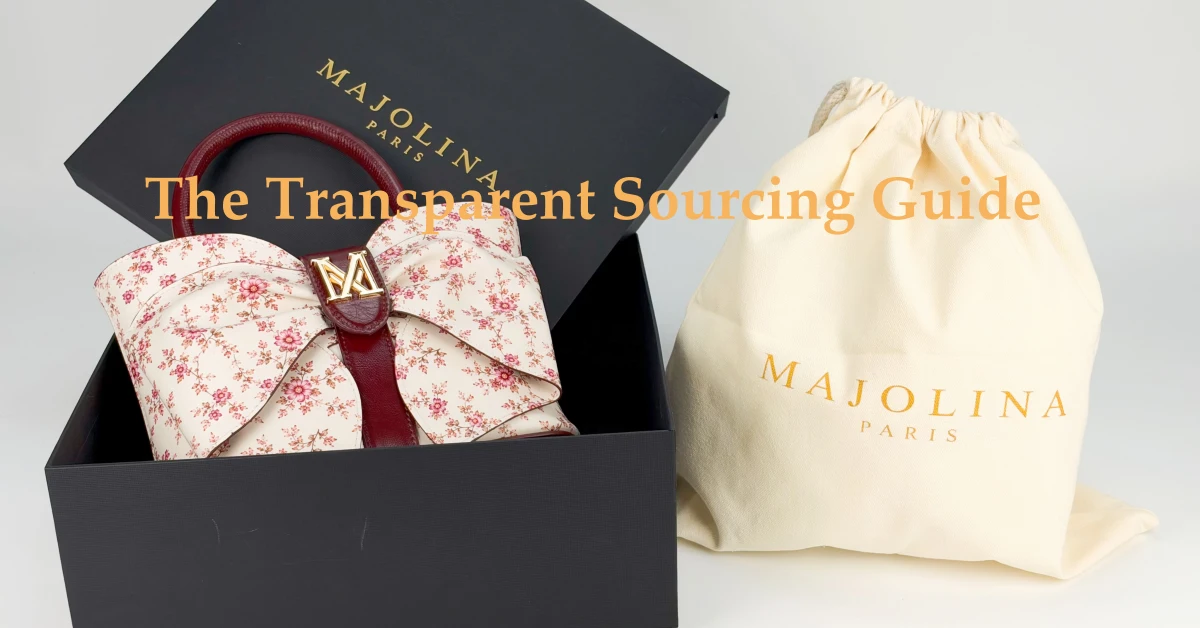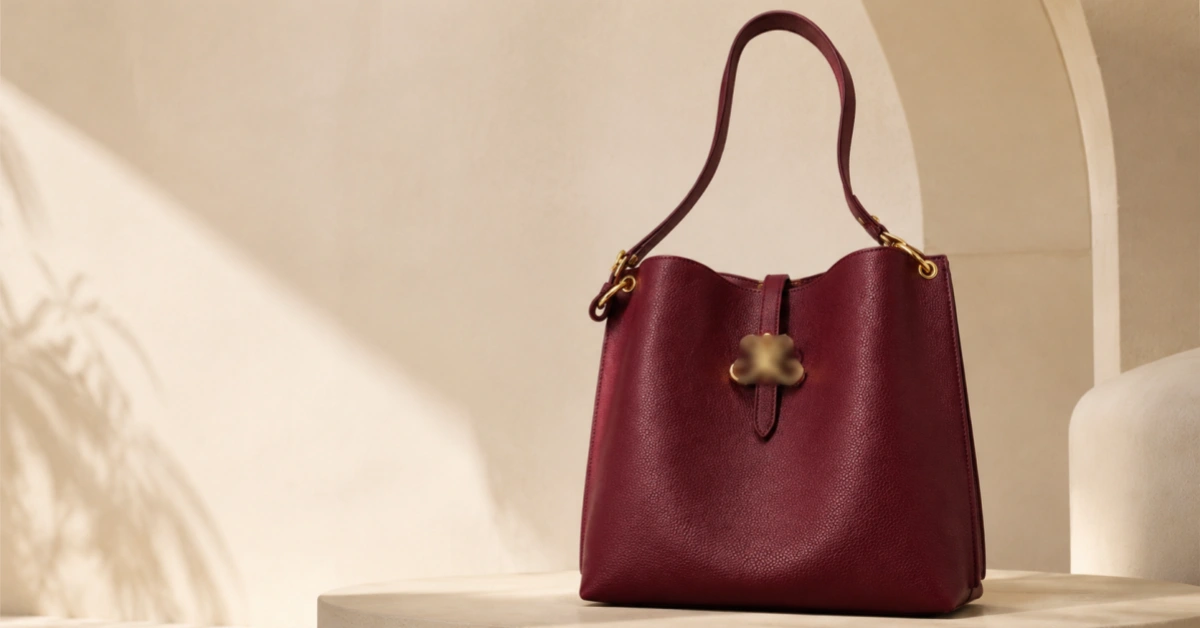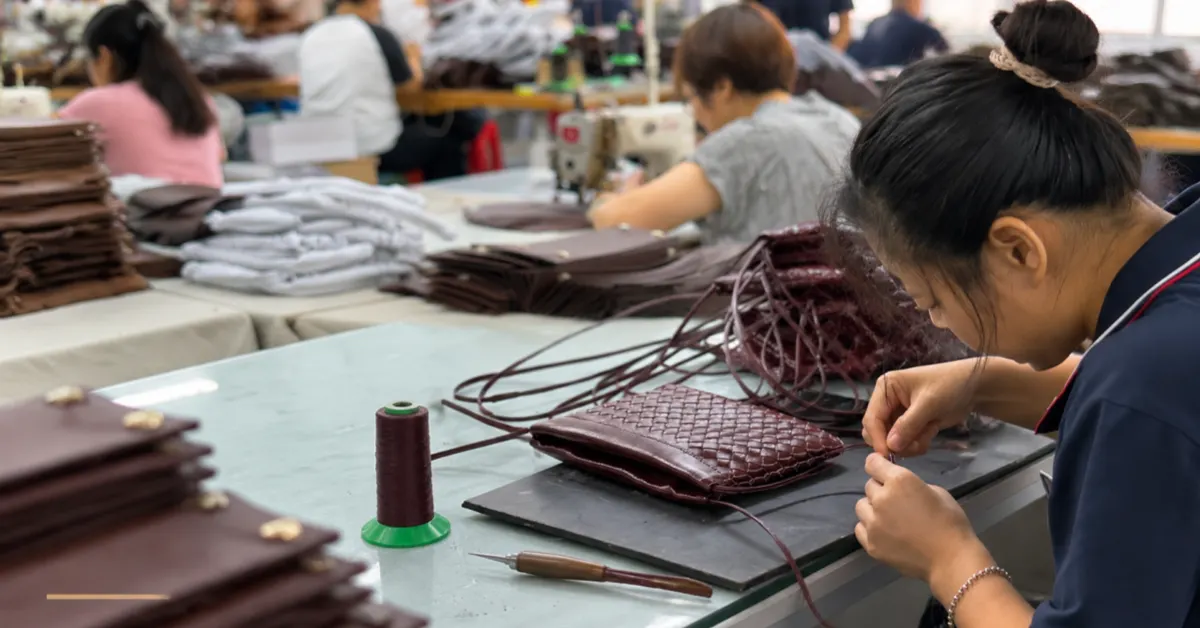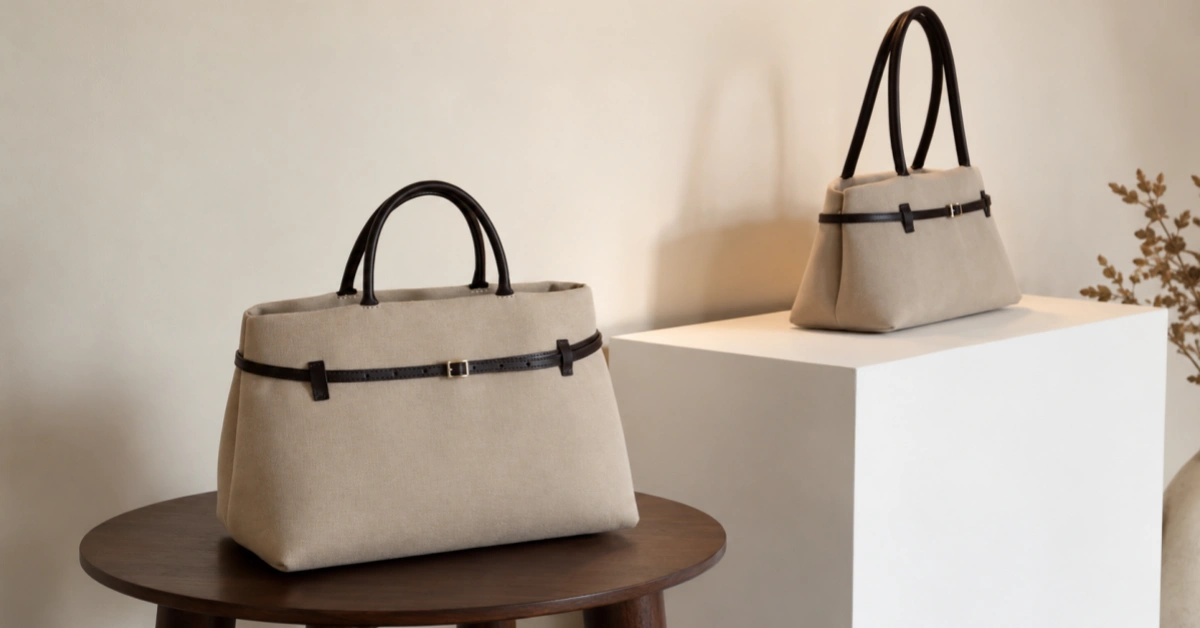
For an emerging fashion brand or a fast-growing direct-to-consumer (DTC) label, transitioning from local artisanal crafting or small boutique production to larger commercial manufacturing is a major turning point. Many brand founders believe that scaling is simply a matter of ordering larger volumes of their existing designs. However, scaling is not a simple linear process—it is a complex mechanical and supply chain shift. Without a structured framework and professional handbag brand growth support, scaling up often magnifies minor design flaws, resulting in high defect rates, delivery delays, and damaged customer trust.
BAGSRAIN is the specialized leather bag manufacturer division of XINZIRAIN Group, a global OEM/ODM manufacturing leader with over 25 years of luxury footwear and leather engineering and export experience. Drawing on our group's deep technical pedigree, we understand the unique challenges that fashion brands face as they move up the growth curve. We provide more than simple contract manufacturing; we act as your long-term industrial partner, establishing a reliable, legally compliant, and highly efficient manufacturing ecosystem. In this guide, we will outline the critical systems required to successfully scale leather bags production, protect your creative assets, and build a resilient supply chain that fuels continuous, profitable growth.
1. Sourcing Traumas: The Structural Risks of Unsystematic Scaling
When brands scale production without professional oversight, they frequently experience what we call "sourcing trauma." Low-end high-volume factories often cut corners to meet larger demands, leading to several common issues:
- Leather Batch Inconsistency: At low scales, sorting through a few leather hides is simple. However, when scaling up to hundreds of bags, maintaining a uniform feel, grain texture, and color across multiple hides is extremely difficult. Unsystematic factories will mix leather batches, leading to inconsistent collections that look unprofessional and cheap.
- Edge Paint Peeling : Under the pressure of high volume, low-end factories often rush the edge-painting process, skipping necessary drying cycles and sanding steps. This results in edge paint that peels, cracks, or bubbles shortly after purchase, prompting expensive customer returns and negative reviews.
- Structural Sagging on Large Formats: A reinforcement strategy that works for a small clutch will fail when applied to a larger tote bag. As production scales up, structural load requirements must be scientifically recalculated. Without this step, bags will sag and buckle under normal wear and tear, destroying their luxury aesthetic.
- Hardware Tarnishing and Scratching: Under high-volume pressure, factories may source poorly plated hardware components that oxidize and tarnish quickly when exposed to humidity. These tarnished fittings ruin the look of an otherwise beautiful leather bag.
To prevent these quality disasters, BAGSRAIN integrates comprehensive handbag brand growth support into every step of our manufacturing workflow, protecting your brand's reputation as you scale.
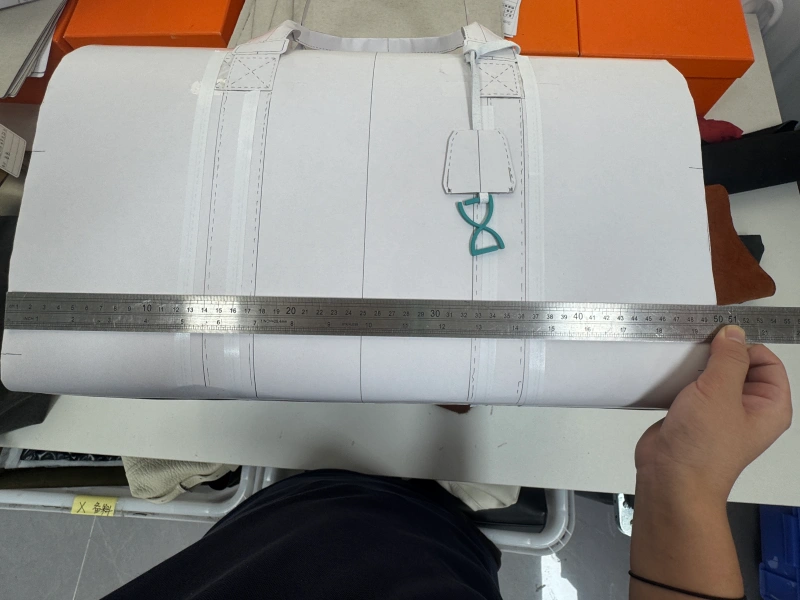
The Core Pillars of Scale: Demand-Led Manufacturing (DLM) & Flexible MOQ
Traditionally, scaling leather bags production meant committing to massive minimum order quantities (MOQs), which tied up valuable capital in unproven inventory. BAGSRAIN has redefined this outdated model by introducing two high-efficiency production frameworks:
Demand-Led Manufacturing (DLM)
Demand-Led Manufacturing is an agile production philosophy that aligns manufacturing output with real-time market demand. Rather than producing thousands of units of a single style based on pure speculation, DLM uses rapid-response supply chains to manufacture smaller batches. This allows your brand to launch new designs, monitor sales data, and quickly replenish top-selling SKUs, reducing the risk of dead stock and maximizing cash-flow efficiency.
Flexible MOQ Allocations
To support scaling brands, we offer a Flexible MOQ model. We understand that luxury collections must remain exclusive and diverse. Our flexible manufacturing setup allows you to distribute your production volume across multiple colorways, leather textures, or styles within the same collection. This versatility enables you to cater to diverse customer preferences without needing to purchase high volumes of each individual item, optimizing your capital allocation.
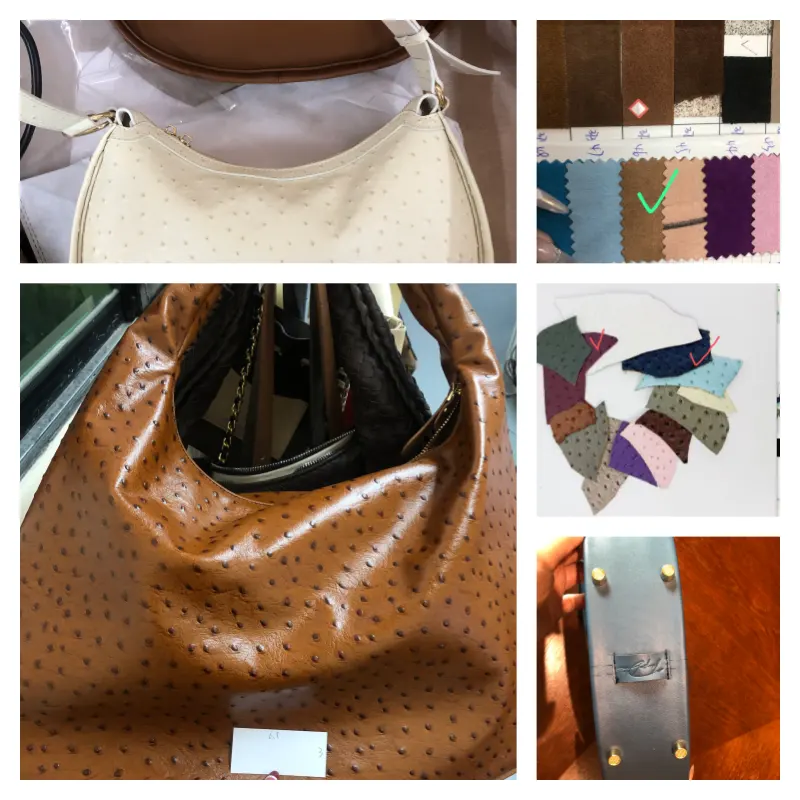
Systemizing Your Handbag Brand Growth Support Framework
Successfully scaling requires moving from loose sketches to a highly standardized, repeatable manufacturing system. BAGSRAIN provides a robust, end-to-end, search-engine-ready handbag brand growth support system designed to guide your brand through every phase of expansion.
Phase I: Technical Prototyping and Master Patterns
Before scaling up, every handbag design must undergo rigorous Technical Prototyping & Structural Engineering. Over a precise timeline of 20–30 days for sample development, our master pattern makers create precise CAD patterns and physically validate fitting samples. We stress-test seams, analyze handle load-bearing capacities, and test hardware fitments under mechanical stress. This ensures that every bag in your bulk run matches the exact structural integrity of your original sample.
Phase II: Standardizing Quality Control and Compliance
As your production volume grows, regulatory compliance becomes critical. To protect your brand from customs delays or legal issues, BAGSRAIN guarantees that all raw materials—including leathers, linings, stabilizers, edge paints, adhesives, and metals—comply fully with European REACH regulations and California Proposition 65 standards (Prop 65). We enforce strict multi-stage quality gates throughout the production process: inbound material inspection, in-line process checks, and a final 100% manual quality audit.
Phase III: High-Efficiency Bulk Production
Once your golden sample is approved, we initiate bulk manufacturing with a predictable timeline of 30–45 days for bulk production. Our automated leather cutting tables and precision assembly lines ensure consistent craftsmanship across every single unit, delivering luxury-quality handbags at commercial scale.
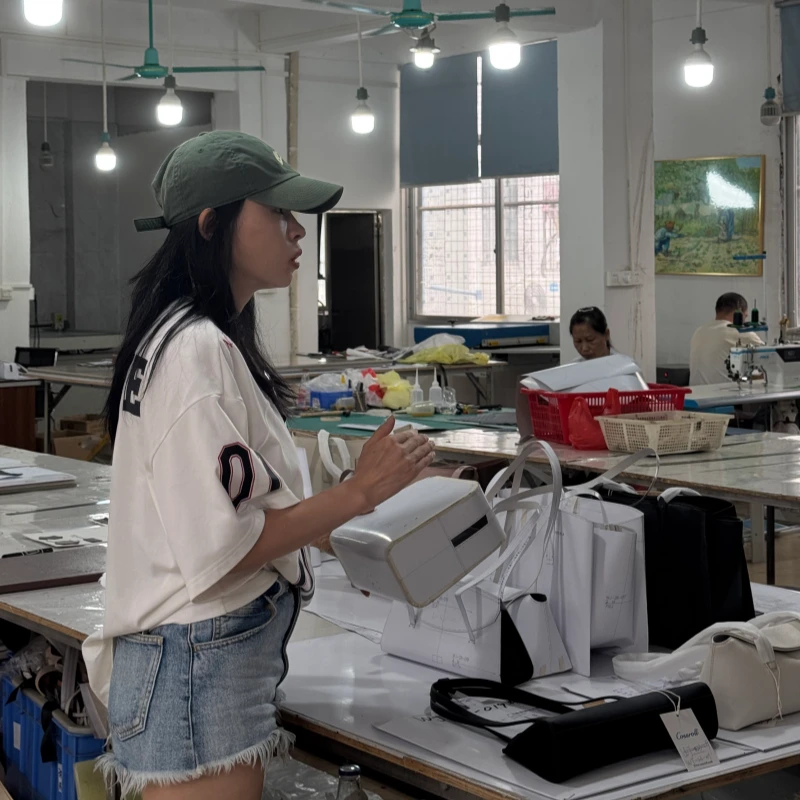
Technical Sovereignty and IP Protection: Securing Your Brand's Future
When you partner with BAGSRAIN, you retain complete Technical Sovereignty over your designs. We understand that your brand's unique patterns and creative ideas are its most valuable assets. We enforce strict IP Protection protocols across our entire facility, ensuring that your CAD patterns, custom hardware molds, and tech packs are kept highly secure.
Back by XINZIRAIN Group's 25 years of export excellence, we handle all international shipping logistics, customs documentation, and chemical compliance certifications. We deliver a seamless, stress-free manufacturing partnership that allows you to focus on marketing, retail expansion, and community building, secure in the knowledge that your supply chain is stable, compliant, and ready to support your brand’s growth.
Scale Your Global Brand Footprint
Unlock reliable capacity, protect your design intellectual property, and scale production seamlessly with our end-to-end framework.
Access Scaling SupportDirect Technical Expert Review
Email Ben directly to receive a professional production feasibility audit and structural review within 48 hours.
Frequently Asked Questions (FAQ)
Q: What is "handbag brand growth support"?
A: It is BAGSRAIN's comprehensive service ecosystem designed to help fashion brands scale their production. This includes transition planning, technical prototyping, regulatory compliance certification (REACH/Prop 65), flexible MOQ allocations, and agile supply chain logistics.
Q: How does Demand-Led Manufacturing (DLM) help my brand scale?
A: DLM allows your brand to manufacture in smaller, agile batches rather than committing to massive upfront orders. This minimizes the risk of dead inventory, keeps your capital liquid, and enables you to scale production rapidly as market demand increases.
Q: What are the standard timelines for scaled production?
A: We maintain a highly predictable and structured timeline: 20–30 days for sample development (incorporating pattern engineering and structural testing) and 30–45 days for bulk production, depending on style complexity and material availability.
Q: How does BAGSRAIN guarantee quality consistency across large orders?
A: We apply a strict, multi-stage Quality Control (QC) framework. We inspect all incoming raw materials for leather batch consistency, monitor assembly steps via in-line checks, and perform a final 100% manual quality audit on every finished handbag before packaging.