
Building a successful private label bag brand is not about finding a factory and adding a logo.
It is about creating a system—one that connects brand positioning, product strategy, manufacturing decisions, and long-term scalability.
In today’s global accessories market, private label has become one of the most effective ways for brands, retailers, and entrepreneurs to build differentiated bag collections with full control over identity and margins. But while entry barriers appear low, scaling a private label bag brand requires disciplined planning and the right partnerships.
This guide explains how private label brand building in bags really works—from concept to a scalable business model.
What“Private Label” Means in the Bag Industry
In the bag industry, private label refers to developing products that are exclusively designed, branded, and owned by your company, while manufacturing is handled by a specialized supplier.
It is important to distinguish between common models:
-
OEM (Original Equipment Manufacturing):
You provide a complete design or tech pack. The factory produces according to your specifications. -
ODM (Original Design Manufacturing):
The manufacturer supports design development based on your concept, references, or functional requirements. -
Private Label:
A long-term brand strategy that may involve OEM, ODM, or a hybrid model—but always with brand ownership and continuity in mind.
Private label is not about copying existing products. Done correctly, it allows brands to develop unique silhouettes, materials, and design language while leveraging manufacturing expertise.
Defining Your Bag Brand Before Designing Products
One of the most common mistakes new private label brands make is starting with product design before clarifying brand positioning.
Before any sketches or samples are made, brands should define:
-
Target customer: lifestyle, usage scenarios, price sensitivity
-
Market positioning: mass, premium, or luxury
-
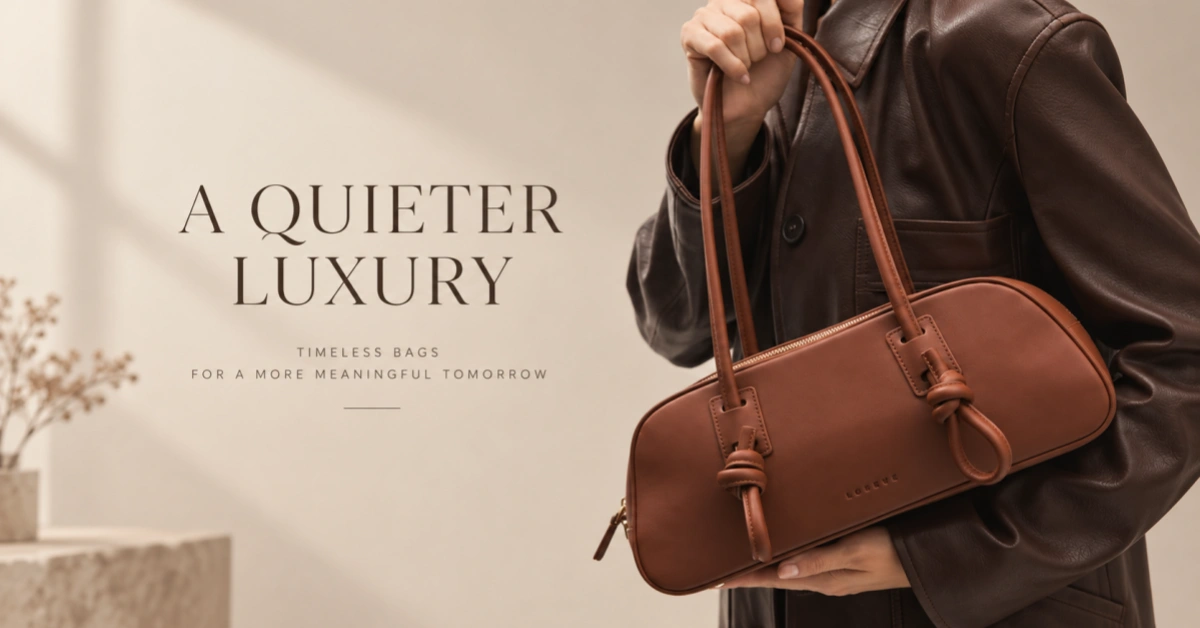
Brand aesthetic: minimalist, functional, fashion-forward, quiet luxury
-
Core use cases: daily carry, work, travel, occasion
Clear positioning guides every decision that follows—from silhouette selection to material choice and cost structure.
Brands without a defined identity often end up with products that look good individually but fail to form a cohesive collection.
Product Strategy: Choosing the Right Bag Styles to Start
Successful private label brands rarely launch with large collections.
They start with a small number of core styles designed for longevity and reorders.
Bag silhouettes that work especially well for early-stage brand building include:
-
Tote bags (work, travel, daily use)
-
Shoulder bags (versatile and trend-resistant)
-
Crossbody bags (functional, high daily usage)
-
Hobo bags (soft structure, comfort-driven appeal)
These styles support long product life cycles, predictable demand, and easier inventory planning.
Seasonal or highly trend-driven designs can be added later, once the brand has established stable reorders and customer feedback.
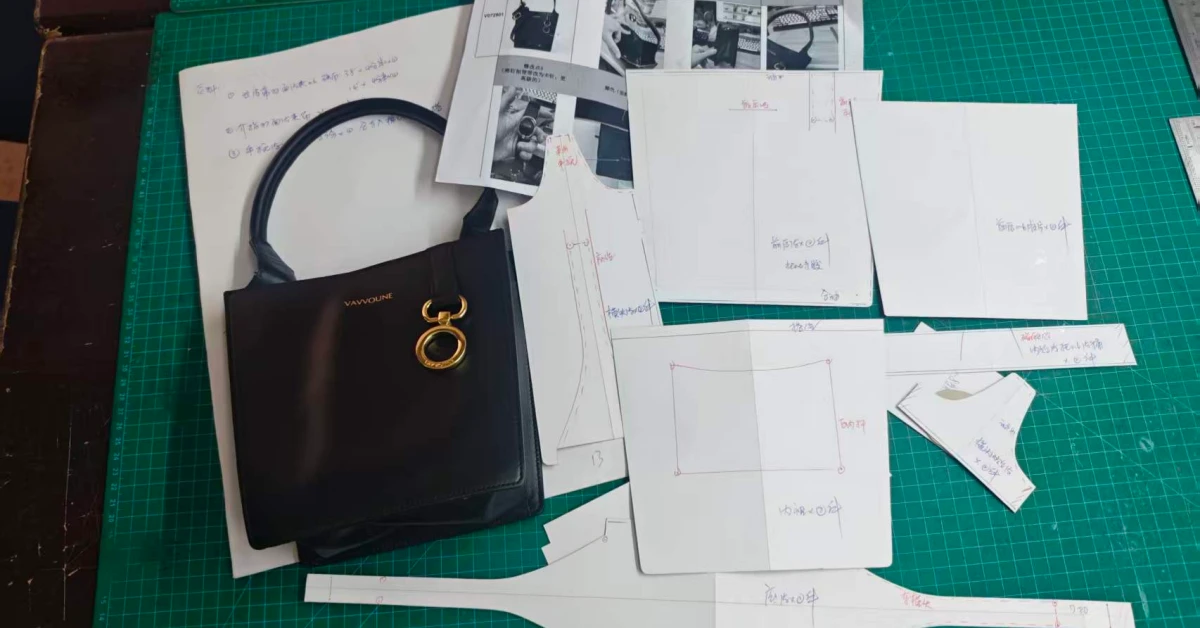
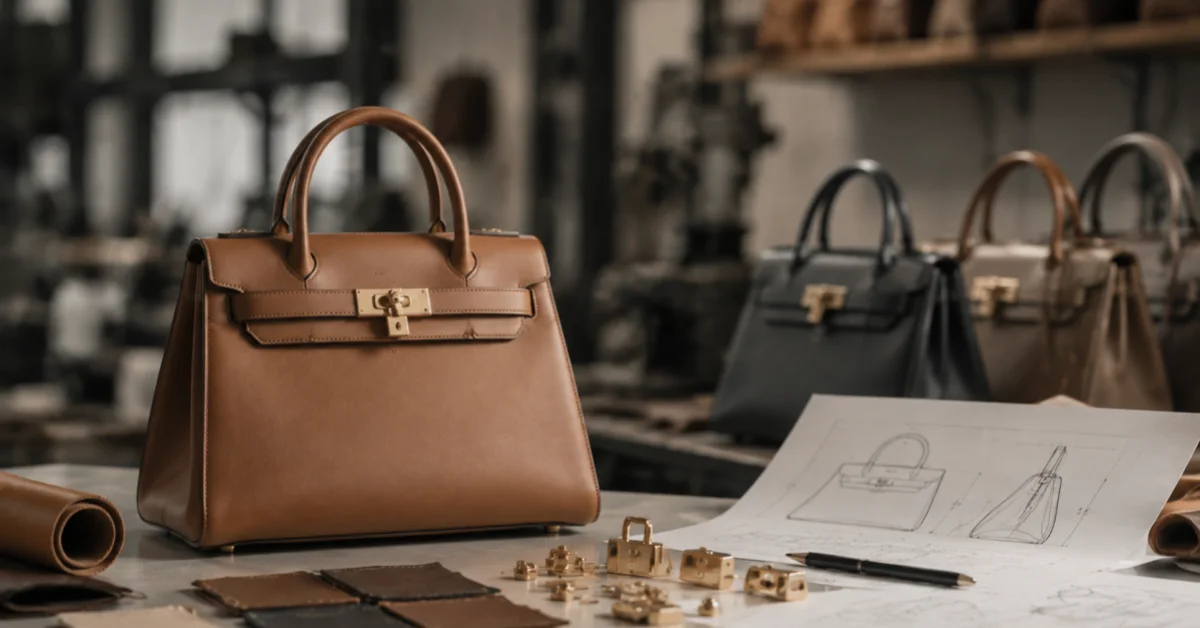
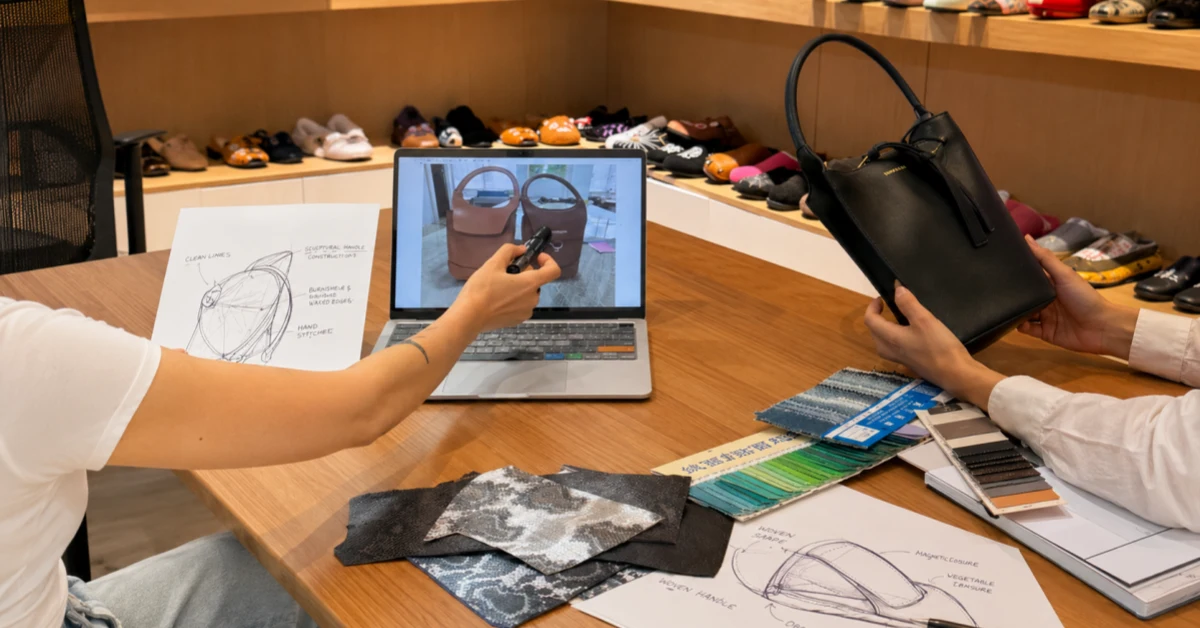
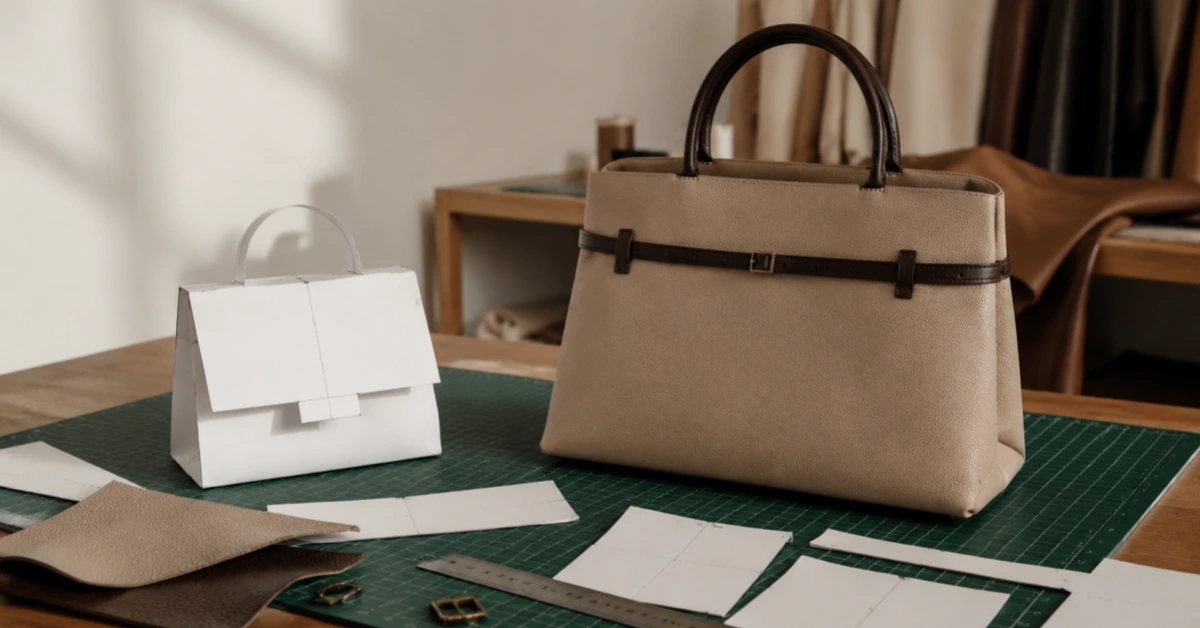
Design Development: From Concept to Tech Pack
Private label design does not require a full in-house design team—but it does require clear communication.
Before sampling, brands should prepare:
-
Reference images or mood boards
-
Functional requirements (capacity, strap length, closure type)
-
Target cost range
-
Preferred materials and finishes
At this stage, an experienced manufacturer plays a critical role by:
-
Optimizing structure for production feasibility
-
Suggesting material alternatives
-
Identifying potential cost or durability issues early
Designs that look good on paper often need refinement to perform well in real-world use and mass production.
Material Strategy and Cost Control
Material choice directly affects brand perception, pricing, and scalability.
Common strategies include:
-
Leather-based collections for durability and premium positioning
-
Vegan or alternative materials for specific markets or values
-
Hybrid approaches combining leather with canvas or recycled textiles
Brands must balance:
-
Visual quality
-
Performance and longevity
-
Target retail price
-
Compliance with EU and US regulations
Material transparency is increasingly important for both retailers and consumers, especially in premium segments.

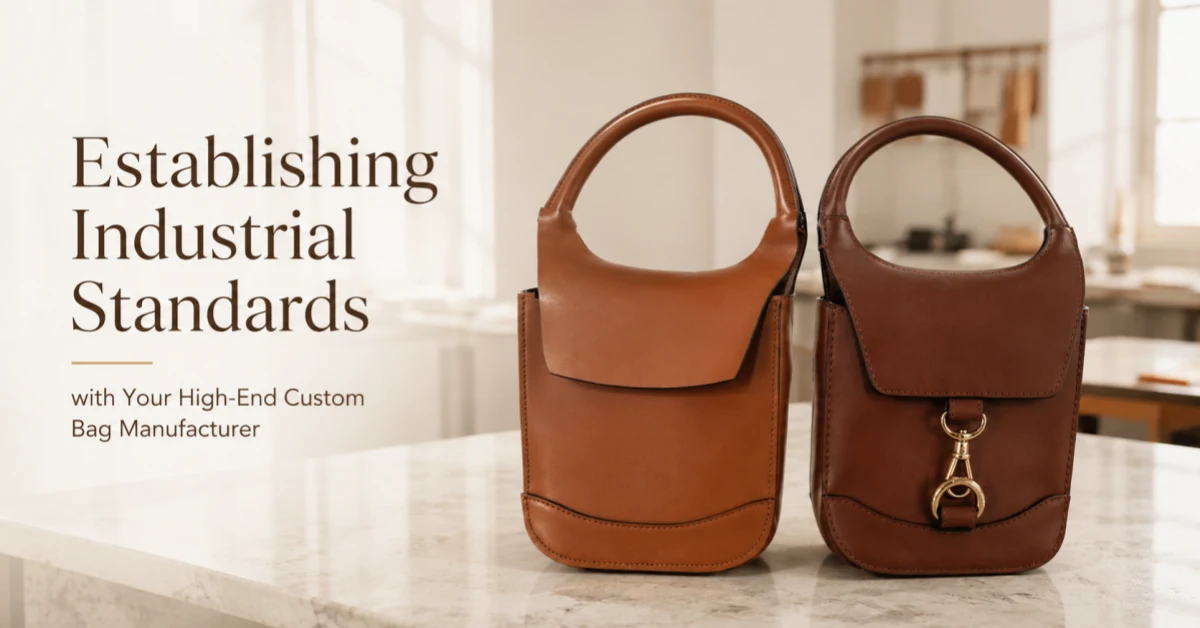
Choosing the Right Manufacturing Partner
A private label brand is only as strong as its manufacturing foundation.
When evaluating bag manufacturers, brands should look beyond price and consider:
-
Sampling capability and development support
-
Quality control systems
-
Communication efficiency
-
Experience with international compliance (REACH, Prop 65)
-
Ability to scale production consistently
Manufacturing decisions shape not only product quality, but also brand credibility and long-term growth potential.
MOQ, Sampling, and Production Timelines
Understanding realistic timelines helps brands plan launches and cash flow.
Typical stages include:
-
Sample development and revisions
-
Cost confirmation
-
Bulk production
-
Quality inspection and shipment
For most private label bag projects, sampling and production can be completed within 30–45 days once materials and specifications are confirmed, depending on complexity.
Flexible MOQs are especially valuable for emerging brands testing the market before scaling.
Quality, Compliance, and Long-Term Trust
Consistency matters more than perfection.
Brands should prioritize:
-
Repeatable quality across batches
-
Stable materials and suppliers
-
Documentation for regulatory compliance
Meeting EU REACH and US Prop 65 requirements is essential for brands selling internationally. Compliance is not optional—it is part of brand trust.
From First Order to Scalable Business
Scaling a private-label bag brand requires planning.
Key considerations include:
-
Designing products with reorder potential
-
Expanding collections gradually
-
Managing inventory responsibly
-
Maintaining quality as volumes grow
Long-term partnerships with manufacturers allow brands to refine products, control costs, and scale without compromising consistency.
How XINZIRAIN Supports Private Label Brand Building
XINZIRAIN works with brands, retailers, and designers to support private label bag development from concept to scalable production.
Our role includes:
-
Design development and structural optimization
-
Material sourcing and cost guidance
-
OEM / ODM and private label manufacturing
-
Flexible MOQs for growing brands
-
Production timelines are typically within 30–45 days
With Italian-inspired craftsmanship standards and a focus on communication and consistency, we support brands building long-term bag businesses—not one-off products.
Conclusion: Private Label Is a System, Not a Shortcut
Private label brand building in bags is not a fast path—it is a strategic one.
Brands that succeed are those that:
-
Define identity before design
-
Invest in product logic, not just appearance
-
Choose manufacturing partners carefully
-
Plan for scalability from the beginning
When done right, private label becomes a powerful way to build differentiated, resilient bag brands with long-term value.