
The business world has been closely watching SpaceX for years.
Although the company has not yet gone public, financial analysts and investors continue to speculate that a future IPO could create hundreds of new millionaires—and potentially hundreds of billionaires—through employee stock ownership and long-term value creation.
For entrepreneurs, the most interesting question is not how much SpaceX might be worth.
The more important question is:
What can emerging brands learn from the way SpaceX created value?
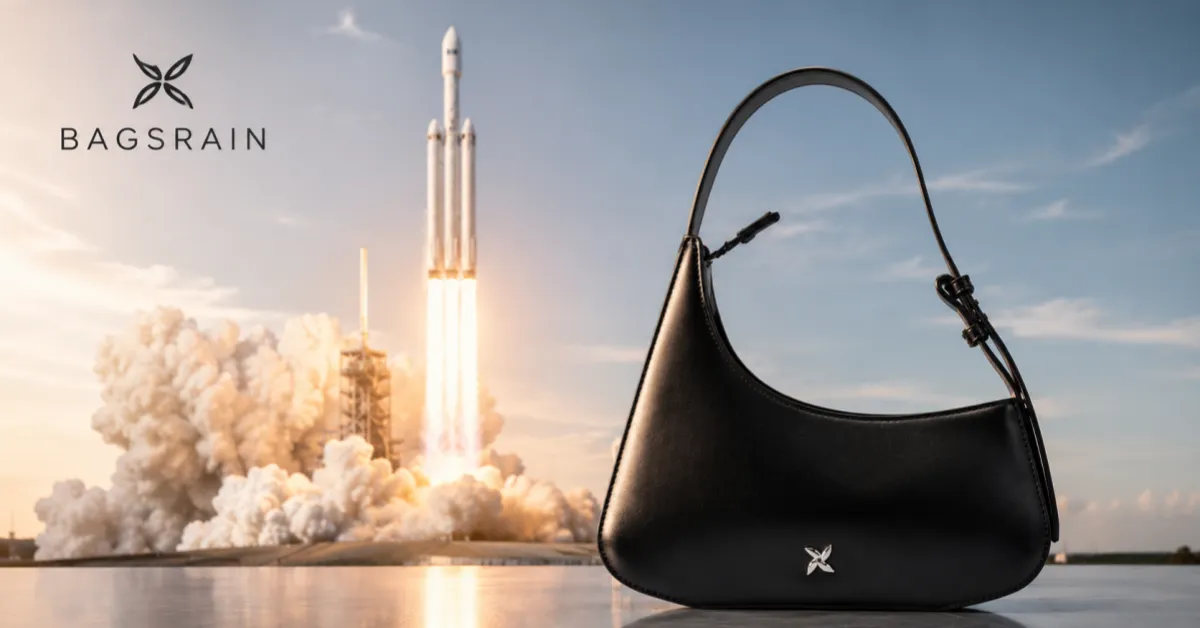
At first glance, rockets and handbags seem to have nothing in common.
However, when you look deeper, many of the principles that helped SpaceX become one of the world's most valuable private companies are the same principles that help successful fashion brands grow from a single idea into a recognized business.
For founders launching a handbag collection, understanding these principles can make the difference between building a short-term product and building a long-term brand.

SpaceX Didn't Create Wealth Overnight
Many people only see the headlines.
They see massive valuations, ambitious launches, and stories about future billionaires.
What they don't see are the years of development behind those headlines.
Before becoming a global aerospace leader, SpaceX experienced:
- Failed launches
- Prototype iterations
- Engineering challenges
- Supply chain obstacles
- Continuous testing
The company didn't become valuable because of a single rocket.
It became valuable because it built a system capable of creating successful products repeatedly.
The same principle applies to fashion brands.
Many founders focus heavily on launching their first handbag.
Few focus on building the systems that allow them to launch their second, third, and tenth successful products.
Long-term value comes from repeatability.
That is true whether you are building rockets or building handbags.
Great Brands Are Built the Same Way
When people think about luxury or successful fashion brands, they often focus on the finished product.
They see beautiful photography, premium packaging, social media campaigns, and retail displays.
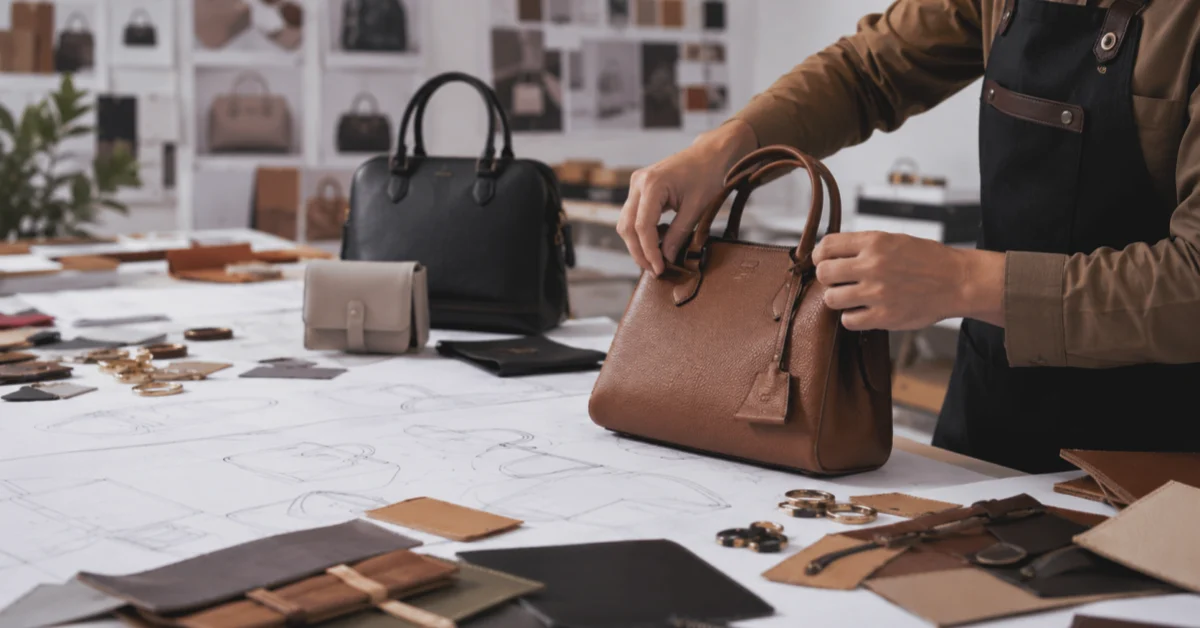
But behind every successful handbag brand is a development process that customers rarely see.
Most growing brands follow a similar journey:
Concept Development
↓
Material Selection
↓
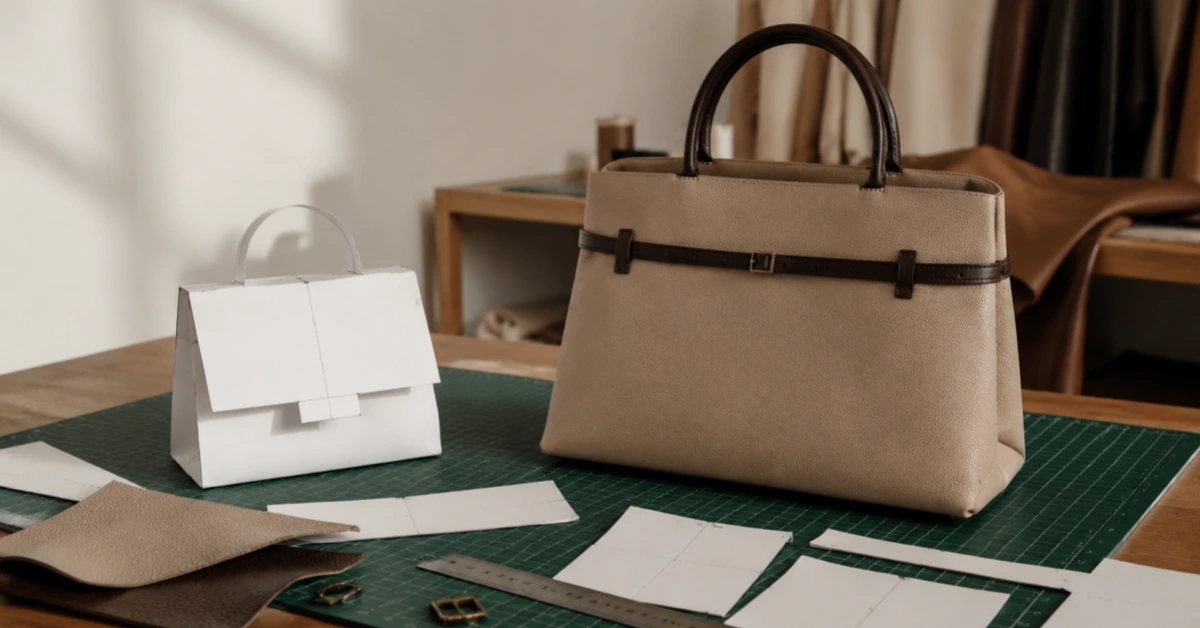
Prototype Creation
↓
Product Testing
↓
Market Validation
↓
Production Scaling
↓
Collection Expansion
This process looks surprisingly similar to how technology companies develop products.
Successful founders understand that product development is not a one-time event.
It is an ongoing system.
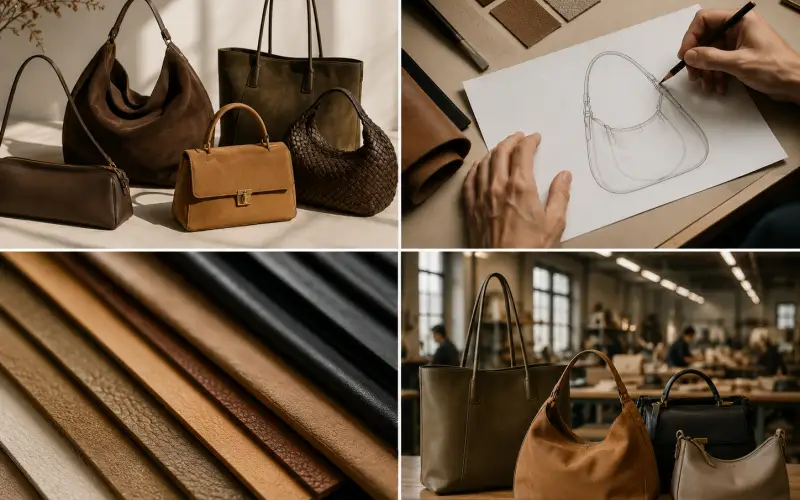
This is one reason why choosing the right handbag manufacturer is often more important than many entrepreneurs initially realize.
The manufacturer becomes part of the brand-building process.
A reliable manufacturing partner helps transform ideas into products that customers actually want to buy.
Every Successful Handbag Brand Starts With One Product
Many of today's most recognizable fashion brands began with a single hero product.
Some started with a tote bag.
Others launched with a crossbody bag, travel bag, or leather shoulder bag.
What made these products successful was not necessarily revolutionary design.
Instead, they solved specific customer needs while maintaining consistent quality.
For emerging brands, this is an important lesson.
You do not need an entire collection to begin building a business.
You need one product that clearly represents your brand.
A common mistake among startups is attempting to launch too many styles at once.
This often creates challenges such as:
- Higher development costs
- Increased inventory risk
- Longer production timelines
- More complicated quality control
A more effective strategy is often to focus on one strong product.
Develop it carefully.
Test it with customers.
Refine it.
Then expand.
Many successful brands follow this approach because it allows them to learn from the market before making larger investments.
For this reason, many startups work with a custom bag manufacturer capable of supporting both small-batch development and future production growth.
Why Product Development Matters More Than Ideas
Ideas are important.
But execution creates value.
Every year, thousands of entrepreneurs generate handbag concepts.
Many create mood boards.
Many produce sketches.
Some even develop impressive branding.
Yet only a small percentage successfully launch products.
Why?
Because there is a significant difference between a design concept and a manufacturable product.
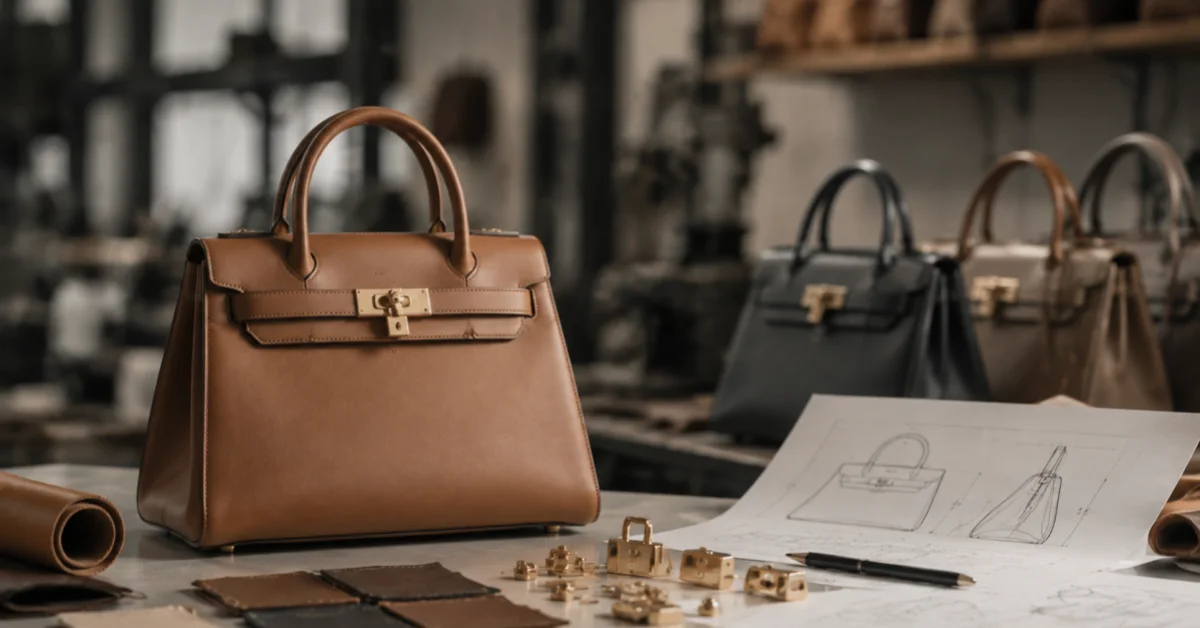
Turning an idea into a commercial handbag requires decisions about:
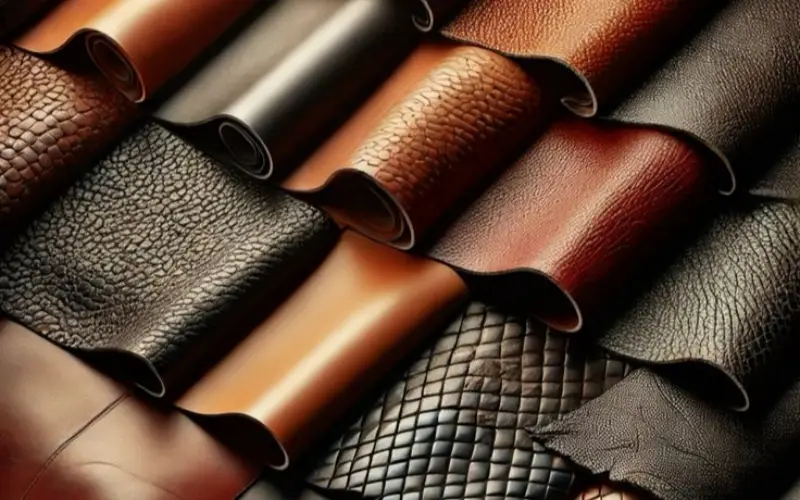
Materials
The same design can produce dramatically different results depending on material selection.
Options may include:
- Genuine leather
- Pebbled leather
- Vegan leather
- Microfiber leather
- Canvas
- Nylon
- Recycled materials
Material choices influence:
- Product quality
- Durability
- Brand positioning
- Manufacturing cost
- Customer perception
Construction
Bag construction affects both aesthetics and performance.
Designers must consider:
- Reinforcement structures
- Stitching methods
- Hardware integration
- Pocket layouts
- Weight distribution
- Durability requirements
Production Feasibility
Not every beautiful design can be manufactured efficiently.
An experienced OEM bag manufacturer helps brands identify potential development issues before mass production begins.
This reduces costly mistakes later in the process.
The strongest brands understand that successful products are not simply designed.
They are engineered.
Why Manufacturing Partners Matter More Than Most Founders Expect
One of the biggest lessons entrepreneurs can learn from SpaceX is that great products depend on great systems.
In the handbag industry, manufacturing is one of the most important systems behind brand growth.
Unfortunately, many startups select suppliers based solely on price.
This decision often leads to problems such as:
- Inconsistent quality
- Production delays
- Communication issues
- Material substitutions
- Scaling difficulties
A reliable private label handbag manufacturer provides far more than production capacity.
The right manufacturing partner can contribute:
Development Expertise
Experienced factories understand how to transform concepts into production-ready products.
They identify risks before they become expensive problems.
Material Sourcing Support
Factories often have access to supplier networks that startups cannot easily reach independently.
This can improve both quality and efficiency.
Sampling Services
Prototyping allows brands to validate designs before committing to larger production runs.
Sampling reduces risk and improves product quality.
Quality Control Systems
Consistency becomes increasingly important as brands grow.
Professional quality control processes help protect brand reputation.
Scalability
Many startups begin with relatively small orders.
As sales increase, production requirements grow.
Working with a manufacturer capable of scaling alongside the brand creates operational stability.
Building a Brand Is a Long-Term Process
The future billionaires potentially created by SpaceX will not emerge because of a single launch.
They will emerge because value was built consistently over many years.
The same applies to fashion entrepreneurship.
Successful handbag brands rarely become overnight successes.
Most grow through:
- Product refinement
- Customer feedback
- Collection expansion
- Supply chain optimization
- Long-term partnerships
Founders who understand this tend to make better decisions.
They focus less on short-term trends and more on building sustainable business systems.
This mindset often leads to stronger products, stronger customer loyalty, and stronger long-term growth.
How BAGSRAIN Helps Emerging Brands Build for Scale
Many of today's successful handbag brands started with a single product and a reliable manufacturing partner.
At BAGSRAIN, we help entrepreneurs, designers, retailers, and private label brands transform ideas into production-ready handbag collections.
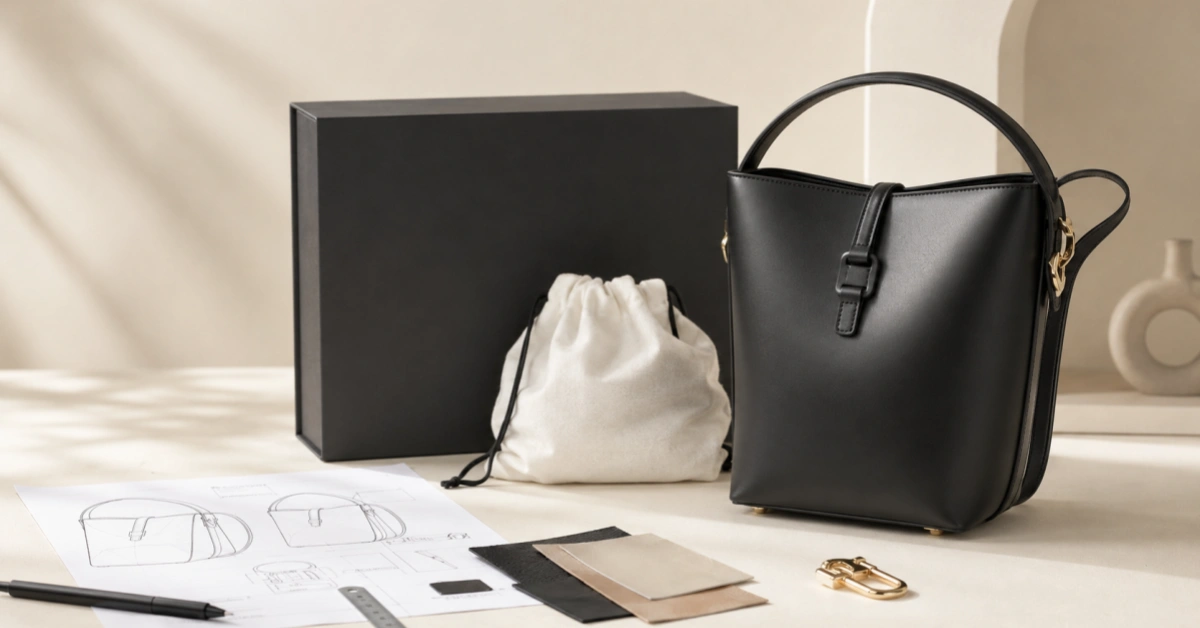
As a custom bag manufacturer specializing in OEM and private label development, we support every stage of the product journey, including:
- Product development consultation
- Material sourcing
- Pattern engineering
- Prototype sampling
- Custom hardware development
- Private label branding
- Quality inspection
- Bulk production
- Global logistics support
Whether you are launching your first handbag collection or preparing to scale an existing brand, our team helps simplify the development process while maintaining the flexibility that growing businesses need.
The lesson from SpaceX is simple.
Extraordinary companies are not built from ideas alone.
They are built through systems, execution, and partnerships.
The same principle applies to handbag brands.
Your next successful product may start with a sketch.
But your long-term success will depend on the systems you build behind it.

About Michael Zhang
Michael Zhang serves as a Product Development Consultant at BAGSRAIN, a custom handbag manufacturer supporting brands across North America, Europe, Australia, and the Middle East. With hands-on experience in handbag sampling, material sourcing, production planning, and quality assurance, he has participated in the development of hundreds of custom bag projects, ranging from startup collections to large-scale private label programs.
His work focuses on helping brands reduce development risks, improve manufacturing efficiency, and build reliable supply chains that support long-term growth. Drawing from real-world manufacturing experience, Michael shares practical insights on handbag production, OEM and private label manufacturing, sourcing strategies, and product commercialization.
At BAGSRAIN, he collaborates closely with design teams, pattern makers, material suppliers, and production managers to help transform ideas into market-ready products.
Areas of Expertise:
- Handbag Manufacturing
- Private Label Development
- OEM & ODM Production
- Leather & Vegan Materials
- Product Sampling & Prototyping
- Quality Control Systems
- Global Supply Chain Management
- Fashion Brand Development