
If you're looking for a custom handbag manufacturer in China , you need more than just a factory. You need a long-term production partner who can translate your designs into stable, compliant, market-demand-compliant products—delivered on time and at scale.
This guide is written specifically for brand founders, product developers, and purchasing managers to help them gain clear information before selecting a production partner. You will learn about the production process for custom handbags in China, how to evaluate suppliers, expected delivery times, how to control quality, and how to structure projects for long-term growth.
Whether you're launching your first line or expanding your existing product portfolio, this guide will help you make a confident decision.
Why choose to partner with a Chinese custom handbag manufacturer ?
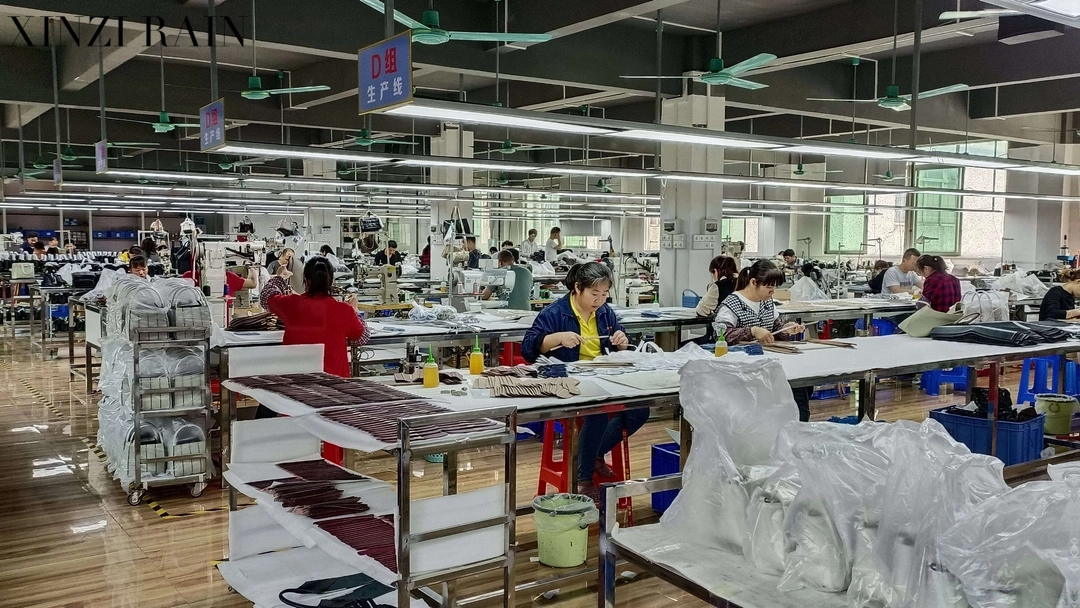
China remains one of the countries with the most mature handbag manufacturing ecosystem. Its advantages lie not only in cost-effectiveness but also in its infrastructure.
A professional custom handbag manufacturer in China provides:
• A supply chain for leather and vegan materials has been established.
• Internal sample making and pattern development team
• Hardware mold customization capability
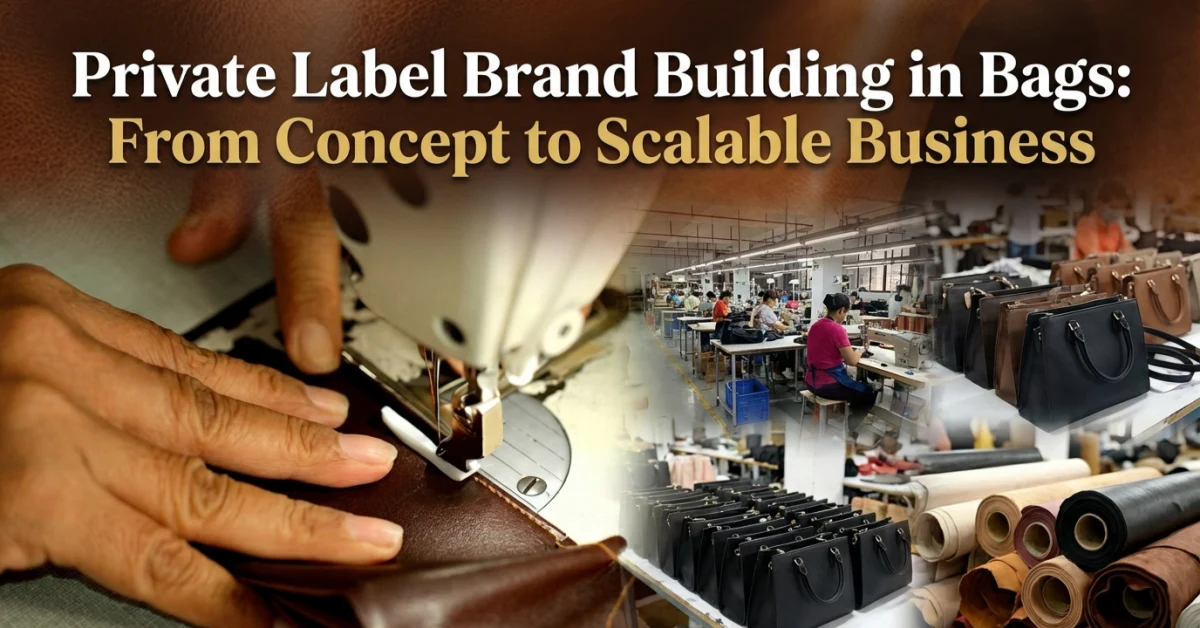
• Skilled sewing and edge painting technicians
• Experience in export compliance in the EU and US markets
• Integrated logistics coordination
For brands selling products in Europe, North America, or the Middle East, compliance and communication are just as important as craftsmanship. Qualified manufacturers understand REACH regulations, California Proposition 65 standards, labeling rules, and documentation processes.
The real value lies not in "cheap production", but in controllable, scalable, and repeatable production.
OEM vs ODM – Which model is more suitable for your brand?
Before choosing a custom handbag manufacturer in China, you need to clarify your development model.
OEM (Original Equipment Manufacturer)
You provide the technical package, design drawings, dimensions, and specifications. The factory will then produce according to your requirements.
ODM (Original Design Manufacturer)
The manufacturer provides the basic design or structural framework, which you can then modify and brand.
For established brands with in-house designers, the OEM model offers the greatest control.
For emerging brands or boutique retailers, ODM can shorten development cycles and reduce structural risks.
Many specialized manufacturers offer hybrid, flexible services—supporting both full OEM operations and assisting brands that require structural engineering guidance.
Step-by-step guide to the production process of custom handbags
Understanding the handbag manufacturing process can reduce risks and avoid misunderstandings.
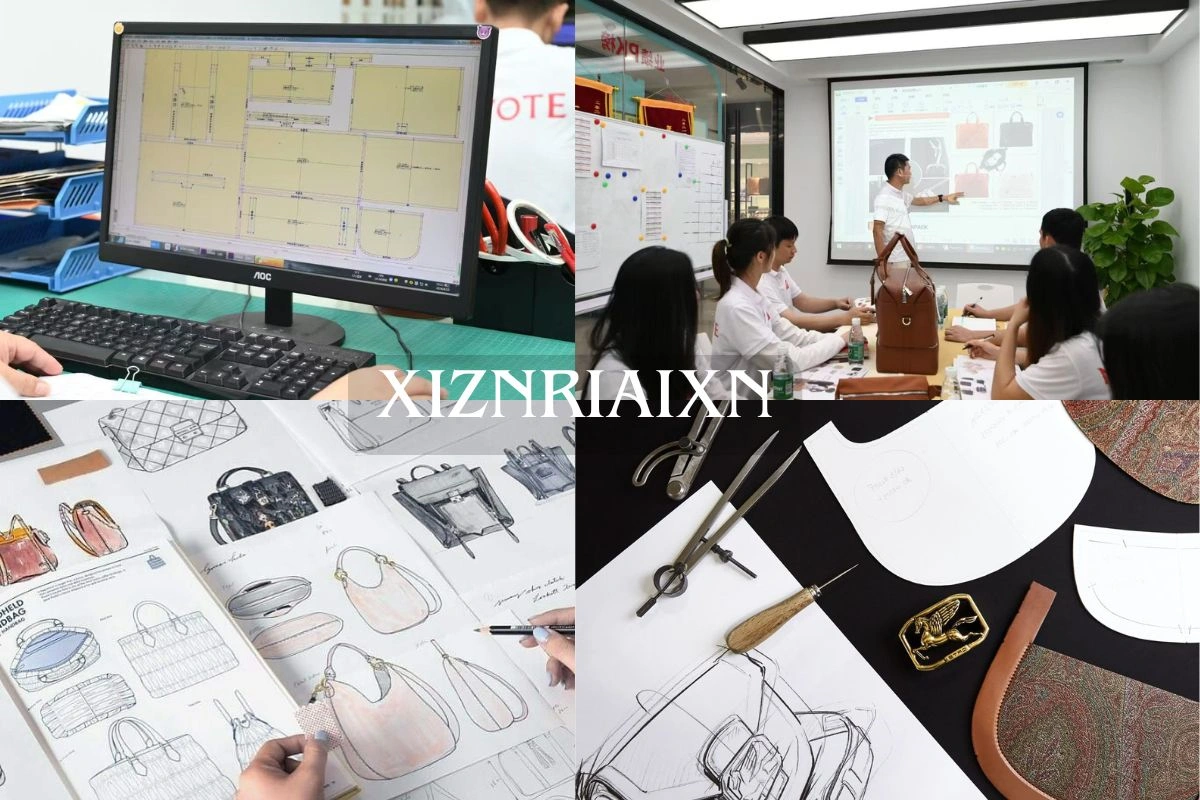
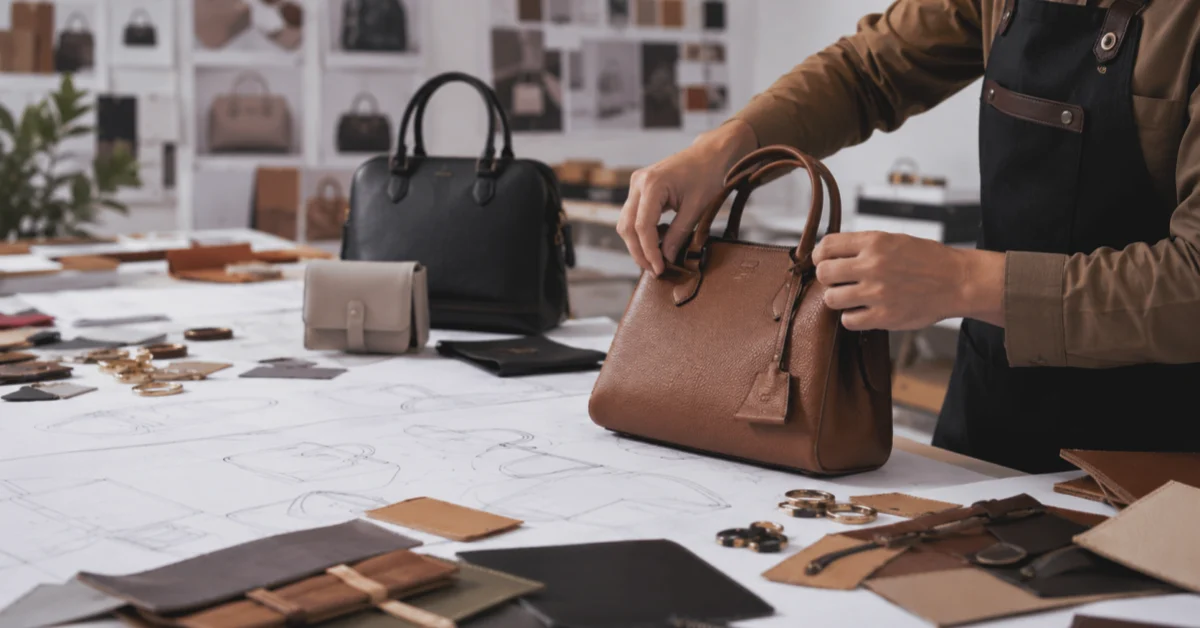
Step 1: Concept and Technical Review
You submit a technical data package or reference sample. The manufacturer will review the feasibility, materials, structural complexity, and cost impact.
Step Two: Material Selection
Leather types (full grain, top grain, corrected grain), vegan alternatives, lining materials, reinforcement materials, and hardware have all been confirmed.
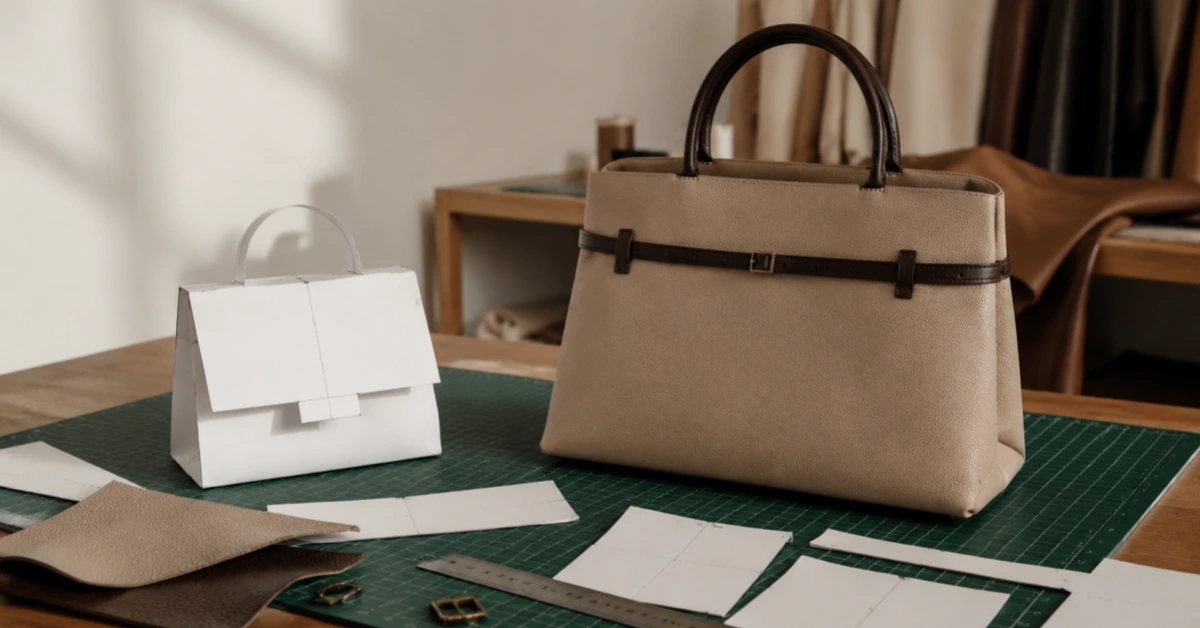
Step 3: Pattern Engineering
A professional pattern maker will transform your design into a viable production template. This stage determines the structural stability and long-term durability.
Step 4: Sample Development (30-45 days)
Make a pre-production sample. Adjustments are made based on fit, shape, stitching, hardware placement, and detail finishing.
Step 5: Mass production (30-45 days)
Once approval is granted, production begins. Quality control checkpoints are implemented throughout all stages, including cutting, sewing, assembly, and final inspection.
Step 6: Final Quality Control and Export Coordination
After inspection, the goods can be packaged in our own brand packaging if necessary and prepared for global shipping.
A transparent Chinese custom handbag manufacturer will clearly explain each stage, including policy changes and timelines.
Minimum Order Quantity (MOQ) – What is the actual feasible order quantity?
Minimum order quantity is one of the most misunderstood aspects of handbag manufacturing.
Traditional factories typically require a minimum order quantity of 300-500 pieces per product. However, modern, flexible manufacturers can offer lower minimum order quantities based on factors such as:
• Material type
• Hardware customization
• Structural complexity
• Color change
If the design is well-structured and the material procurement is efficient, low minimum order quantities (e.g., 50-100 pieces) can be achieved.
If your brand is testing the market, small-batch production allows you to validate market demand before scaling up.
How to evaluate a Chinese custom handbag manufacturer
Not all factories are the same. Please use the following evaluation criteria:
-
Sampling capability
Inquire in detail about the sample development timeline and modification process. -
Internal pattern engineering
Outsourcing plate making increases the risk of communication errors. An in-house technical team, on the other hand, ensures accuracy. -
Compliance documents
Can the manufacturer provide a REACH test report? Material safety data? Export documents? -
Communication Structure
Is there a dedicated project manager? Are emails responded to promptly? Are there structured milestone reports? -
Quality Control System
Please provide information on the online testing procedures and the final AQL standard. -
Production transparency
Will they share factory photos, videos, or process flow documents?
Professional custom handbag manufacturers in China should provide clear, confident answers, not vague guarantees.
Leather and synthetic materials – strategic considerations
The choice of materials directly affects pricing, branding, and compliance.
Genuine Leather
• High-end positioning
• Long-term durability
• Natural texture variations
• Proper sunbathing guidelines must be followed.
Vegan leather (PU, microfiber, bio-based)
• Consistent appearance
• Usually lighter
• Easier to predict costs
• Growing market demand driven by sustainable development
Brands targeting the EU market should confirm that their leather tanning processes and synthetic coatings comply with REACH regulations.
Manufacturers should explain the performance trade-offs, not just provide a price quote.
Timeline Expected – From Conception to Delivery
For most custom tote bag projects:
Sample development: 30-45 days
Mass production: 30-45 days
Delivery time: depends on the region and mode of transport.
Factors contributing to project delays include:
• Customized hardware molds
• Embossed metal logo design
• Reinforcement of complex structures
• Combination of multiple colors or materials
Developing a practical production plan can ensure the timely launch of your retail products.
Own brands and brand integration
A strong brand requires a consistent image.
A full-service custom handbag manufacturer in China should be able to do the following:
• Embossing or intaglio printing of logos
• Custom metal nameplates
• Printed or woven labels
• Dust bags and cardboard boxes
• Customized barcode labels
• Packaging compliance documents
To avoid production delays, brand details should be incorporated into the design during the sample making stage.
Export Market Quality Control Standards
Implementation in specialized export-oriented factories:
• Raw material inspection
• Online suture detection
• Hardware strength test
• Zipper function test
• Bearing stress check
• Final visual inspection
Brands that sell products to retail chains may need to comply with AQL inspection standards.
Consistent quality builds long-term trust with retailers.
Cost structure transparency
When reviewing quotations from Chinese custom handbag manufacturers, it's important to understand the cost breakdown:
• Outer layer material
• Pad
• hardware
• Labor
• Package
• Sampling amortization
• Shipping
A reliable partner will clearly explain the cost breakdown. Transparency helps avoid unexpected cost increases during mass production.
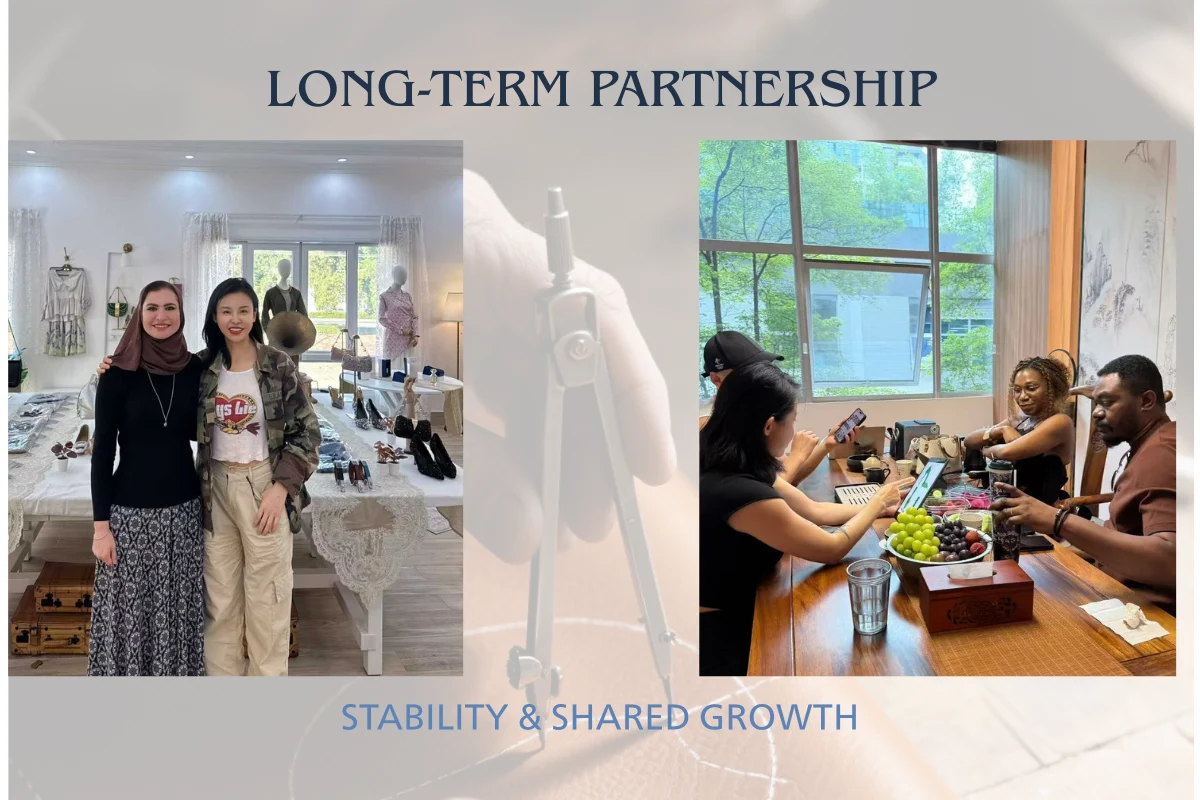
Expanding from Tier 1 orders to long-term partnerships
Many brands initially started with a single style. Sustainable growth requires:
• Consistent pattern archiving
• Color matching records
• Material batch tracking
• Structured reordering system
Partnering with established custom handbag manufacturers in China allows brands to expand their product range while maintaining structural integrity and visual consistency.
Common mistakes brands make
-
Choose based on price only
-
Ignore compliance documents
-
Underestimation of sample revision
-
The first series is too complicated
-
Launching without a reasonable lead time plan
Strategic planning from the outset can save months of revision time later.
Why a long-term manufacturing strategy is crucial
Your manufacturing partners will have an impact on:
• Product durability
• Brand reputation
• Delivery reliability
• Profit control
• Retail expansion potential
Structured factory relationships are not transactional relationships, but rather a form of operational infrastructure.
Partner with Xinzirain – Your Custom Handbag Manufacturer in China
Xinzirain provides complete OEM and ODM handbag manufacturing services for global brands.
Our system includes:
• Internal design consulting
• Materials procurement network
• Flexible minimum order quantity for easy market testing
• Sample development cycle is 30–45 days
• Mass production cycle is 30-45 days
• REACH and export compliance awareness
• Dedicated project communication
We work with brand founders, purchasing managers, wholesalers, and retailers across Europe, North America, and the Middle East.
If you are evaluating a Chinese custom handbag manufacturer, a clear approach and structure should guide your decision.
Please send your technical information package, design sketches, or reference images so that we can begin a structured consultation.
Build your collection with confidence. Expand robustly. Craft with precision.