
Finding the best handbag manufacturers in the world is one of the most critical decisions for any fashion brand. Whether you are launching a new accessories label or expanding an existing product line, the manufacturing partner you choose directly impacts product quality, delivery timelines, and long-term brand reputation.
Many sourcing guides simply list famous manufacturers or highlight luxury production regions. However, professional buyers evaluate handbag manufacturers using a more structured approach. They assess production capability, quality management systems, sampling speed, and supply chain transparency before placing an order.
In this guide, we explore the best handbag manufacturers in the world and explain how global brands evaluate suppliers. You will also learn how production regions differ, what realistic manufacturing timelines look like, and how to select the right partner for your brand.
Key Factors When Choosing a Handbag Manufacturer
Selecting the right manufacturer requires more than comparing prices. Experienced procurement teams evaluate factories based on development capability, production reliability, and compliance standards.
Below are the most important criteria when sourcing handbag manufacturers.
Manufacturing Models: OEM vs ODM vs Private Label
Handbag production generally follows three manufacturing models.
OEM (Original Equipment Manufacturer)
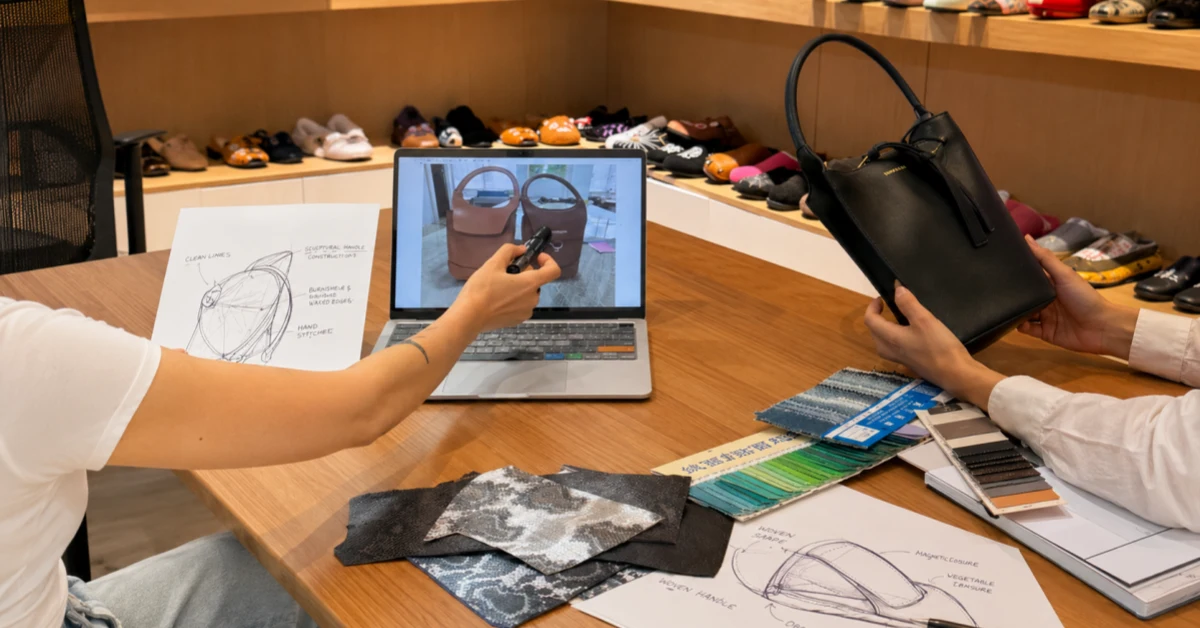
In OEM production, the brand provides the design, technical specifications, and materials. The factory develops the handbag based on the brand’s tech pack. This model allows full design control and intellectual property ownership.
ODM (Original Design Manufacturer)
ODM manufacturing allows brands to select existing designs from a factory’s catalog and customize materials, colors, or hardware. This approach reduces development time and is commonly used for fast product launches.
Private Label
Private label manufacturing is similar to ODM but focuses primarily on branding. Brands apply their logo to pre-developed products while customizing packaging or finishing details.
For new brands, ODM and private label production often provide a faster entry into the market. Established brands typically prefer OEM manufacturing because it allows full product differentiation.
Sampling Speed and Development Capability
Sample development speed is one of the clearest indicators of a factory’s technical capability.
Experienced handbag manufacturers usually offer:
pattern development teams
in-house sample workshops
custom hardware mold development
rapid prototyping capabilities
Sampling typically takes between 2 and 4 weeks, depending on design complexity. Factories with strong development systems can reduce revision cycles and accelerate product launches.
Quality Management Systems
Professional handbag manufacturers rely on structured quality management systems rather than relying solely on craftsmanship.
Many international brands require factories to operate under quality frameworks such as:
ISO 9001 quality management systems
AQL inspection standards
multi-stage production quality checks
These systems ensure consistency between prototype samples and mass production.
Global Handbag Manufacturing Regions
Handbag manufacturing is concentrated in several key regions around the world. Each region offers different strengths depending on brand positioning and production scale.
Italy – Luxury Craftsmanship and Heritage
Italy is widely recognized as one of the most prestigious handbag manufacturing regions. Cities such as Florence and Milan have long traditions in leather craftsmanship.
Italian manufacturers are known for:
high-quality leather sourcing
hand-finished details
heritage craftsmanship techniques
luxury fashion brand production
Many luxury fashion houses rely on Italian workshops for flagship products and high-end collections.
However, Italian production also comes with certain limitations. Costs are significantly higher than in other regions, and production capacity is often limited. Lead times can also be longer due to the artisanal production process.
For these reasons, many brands reserve Italian production for premium lines rather than large-scale collections.
China – Scalable Manufacturing and Supply Chain Efficiency
China remains the world’s largest manufacturing hub for handbags and fashion accessories. The country offers a highly developed supply chain ecosystem that supports large-scale production.
Chinese handbag manufacturers are often chosen for:
strong OEM and ODM development capability
efficient material sourcing networks
flexible production capacity
competitive manufacturing costs
Cities such as Guangzhou, Shenzhen, and Dongguan are major handbag production centers with thousands of specialized factories.
Many global brands rely on Chinese manufacturers not only for cost advantages but also for their engineering capability and rapid development cycles.
For example, manufacturers like Xinzirain provide OEM and private label handbag manufacturing services for international brands. These factories typically support the full development process, including design consultation, sampling, material sourcing, and global logistics.
Because of their scalable production systems, Chinese manufacturers are particularly well suited for brands planning to launch full product collections or expand distribution internationally.
Hybrid Manufacturing Strategies
Many fashion brands today adopt a hybrid manufacturing strategy that combines different regions.
For example:
Italian workshops may produce limited luxury editions
Chinese factories handle large-scale production
Specialized factories manage sustainable materials
This strategy allows brands to maintain premium positioning while benefiting from efficient production capacity.
Top Handbag Manufacturers in the World
Several manufacturers stand out globally for their production capabilities, craftsmanship, and reputation within the fashion industry. From Italian luxury workshops to scalable OEM factories in Asia, these manufacturers support brands with different product strategies and supply chain needs.
Below are some well-known handbag manufacturers representing different strengths within the global manufacturing ecosystem.
Italian Artisan – Traditional Leather Craft
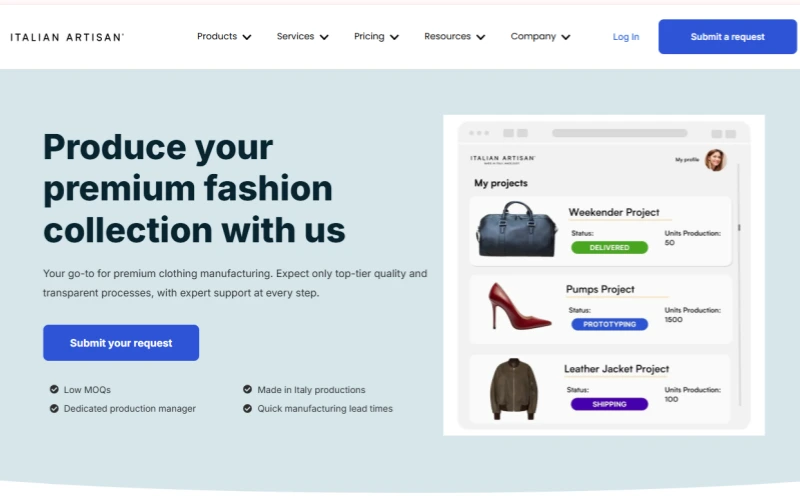
Italian Artisan represents a network of leather workshops across Italy. These workshops focus on traditional leather craftsmanship and high-end handbag construction.
Brands working with Italian artisans typically produce small-batch luxury handbags with detailed hand finishing. The workshops emphasize careful leather selection, hand-painted edges, and precise stitching techniques developed over generations.
This manufacturing approach prioritizes craftsmanship and heritage rather than production speed, making it ideal for premium collections and luxury capsule lines.
Explore luxury leather craftsmanship solutions for premium handbag collections.
Loipell – Structured Italian Production
Loipell is a Florence-based leather goods manufacturer known for combining traditional craftsmanship with structured production management.
The company works with luxury brands and emerging designers, offering services such as product development, leather sourcing, and controlled production processes. Its manufacturing structure allows brands to maintain quality consistency across seasonal collections.
Loipell is particularly valued for maintaining stable quality across production runs.
Learn more about structured leather handbag production for luxury brands.
Niccoli Bags – Premium Italian Leather Production
Niccoli Bags has been producing leather goods in Florence for decades. The company focuses on high-quality materials and meticulous finishing processes.
Its production capabilities are especially suited for structured handbags and premium leather products that require precise construction and finishing.
Brands often partner with Niccoli for smaller, high-value collections where craftsmanship and finishing quality are essential.
Discover how premium leather craftsmanship supports high-end handbag collections.
Autron Industry – Industrial Scale Manufacturing
Autron Industry represents a more industrial approach to handbag manufacturing. The company focuses on large-scale fashion accessories production for global retail markets.
Factories operating under this model emphasize production efficiency, repeatability, and standardized processes. Modern manufacturing lines allow them to handle large-volume orders with consistent specifications.
This approach is ideal for brands producing large retail quantities or supplying multiple international markets.
Request a manufacturing consultation for scalable handbag production.
Veggance – Sustainable Handbag Manufacturing
Veggance specializes in sustainable and vegan handbag production. The company works with alternative materials such as vegan leather and recycled fabrics.
As sustainability becomes a key focus in the fashion industry, manufacturers offering eco-conscious materials are increasingly important to brands.
However, brands must also verify durability testing, certification documentation, and material traceability to ensure sustainability claims are credible.
Explore sustainable handbag material options for eco-conscious fashion brands.
Florence Leather Market – Tuscan Leather Goods
Florence Leather Market produces leather bags inspired by Tuscan design traditions.
The company focuses on traditional leather craftsmanship and wholesale leather products, offering a wide range of classic leather bag styles.
Many brands collaborate with Florence workshops to develop heritage-inspired leather collections reflecting traditional Italian aesthetics.
Explore traditional Tuscan leather bag designs for heritage-inspired collections.
Bellini – Fast ODM Bag Development
Bellini offers an ODM production model that allows brands to select pre-developed bag structures and customize branding elements such as materials, hardware, and logos.
This model significantly reduces product development timelines because the core structure already exists.
Brands frequently use ODM production to test new markets or validate product demand before investing in custom tooling.
Launch new handbag designs faster with ODM development solutions.
Xinzirain – OEM & Private Label Handbag Manufacturer in China
Xinzirain is a China-based handbag manufacturer providing OEM, ODM, and private label bag production for international fashion brands, retailers, and distributors.
Unlike traditional artisan workshops, Xinzirain focuses on scalable production combined with product development support. The company provides services that include design consultation, material sourcing, prototype development, and mass production.
With integrated supply chain resources and flexible minimum order quantities, Xinzirain helps brands efficiently develop new handbag collections while maintaining quality control and production reliability.
Manufacturers like Xinzirain are particularly valuable for brands seeking a balance between customization capability, production scalability, and cost efficiency.
Start your custom handbag project with Xinzirain.
Send your design pack or contact our team via WhatsApp: +8615530191496
Typical Handbag Manufacturing Timeline
Understanding the production timeline helps brands plan product launches more effectively.
A typical custom handbag manufacturing process includes several stages.
Step 1 – Design and Technical Development
Brands prepare the product design and technical specifications. This includes materials, hardware, dimensions, and construction details.
This stage usually takes one to two weeks.
Step 2 – Prototype Development
Factories create the prototype based on the technical specifications. Adjustments are made during the sampling process until the design is finalized.
Sampling generally takes three to six weeks.
Step 3 – Production Approval
Once the final “golden sample” is approved, the factory begins preparing materials and production planning.
Step 4 – Mass Production
Bulk production typically takes between 30 and 45 days, depending on order volume and complexity.
Quality Control Standards in Handbag Manufacturing
Quality control is essential to ensure that finished products meet brand expectations.
Most professional manufacturers follow a multi-stage inspection process.
Input Quality Control (IQC)
Materials such as leather, hardware, and fabrics are inspected before production begins.
During Production Inspection (DUPRO)
Products are inspected during production to detect defects early.
Pre-Shipment Inspection (PSI)
Finished products are randomly inspected before shipment.
Many international buyers also rely on AQL (Acceptable Quality Limit) inspection standards to evaluate defect levels.
Compliance for EU and US Markets
Export-oriented handbag manufacturers must comply with international safety regulations.
For example:
EU markets require REACH compliance for chemical safety.
The United States enforces CPSC regulations for consumer products.
California Prop 65 restricts the use of certain chemicals in materials.
Factories experienced in global export markets usually maintain documentation to support these compliance requirements.
How to Verify a Handbag Manufacturer
Before placing an order, brands should verify several aspects of a factory’s capability.
Key verification steps include:
reviewing factory production facilities
evaluating sample quality
checking material traceability
confirming quality control systems
reviewing export experience
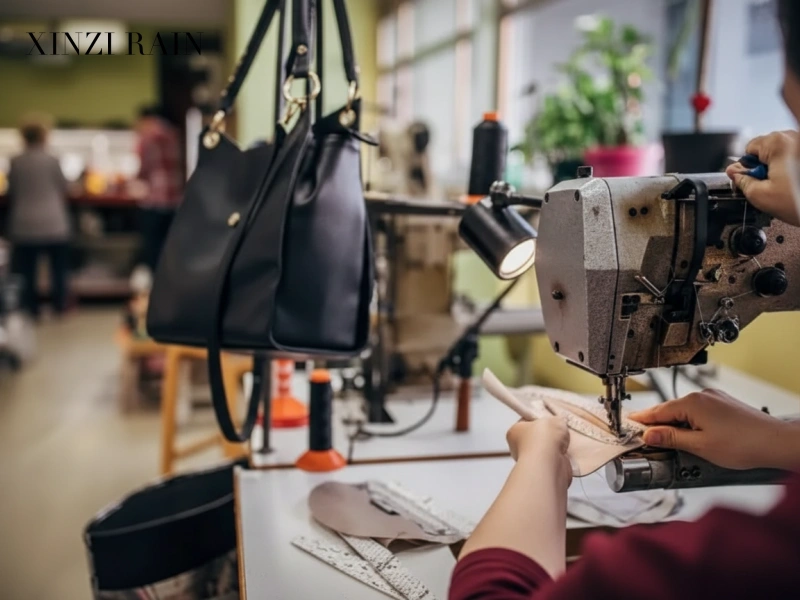
A factory audit or video inspection can provide valuable insight into real production capability.
Conclusion
Choosing the best handbag manufacturers in the world requires balancing craftsmanship, scalability, and reliability.
Luxury Italian workshops remain the benchmark for heritage craftsmanship, while large manufacturing hubs such as China provide the production scale and efficiency required for global fashion brands.
Many successful brands combine these approaches, using specialized workshops for premium products and experienced OEM manufacturers for scalable production.
With the right manufacturing partner and clear quality standards, fashion brands can build reliable supply chains that support long-term growth.
FAQ
What is the difference between OEM and ODM handbag manufacturing?
OEM manufacturing means the brand provides the original design and specifications. ODM manufacturing allows brands to customize existing factory designs, which reduces development time.
How long does custom handbag production take?
Most custom handbag production cycles take between 60 and 90 days, including sampling, material sourcing, and bulk manufacturing.
What is the minimum order quantity for handbag manufacturing?
Minimum order quantities vary by factory. Many OEM handbag manufacturers offer MOQs starting from 50 to 100 pieces per design.
How can brands verify sustainable handbag materials?
Brands should request transaction certificates and traceability documentation that confirm the origin and certification of sustainable materials.