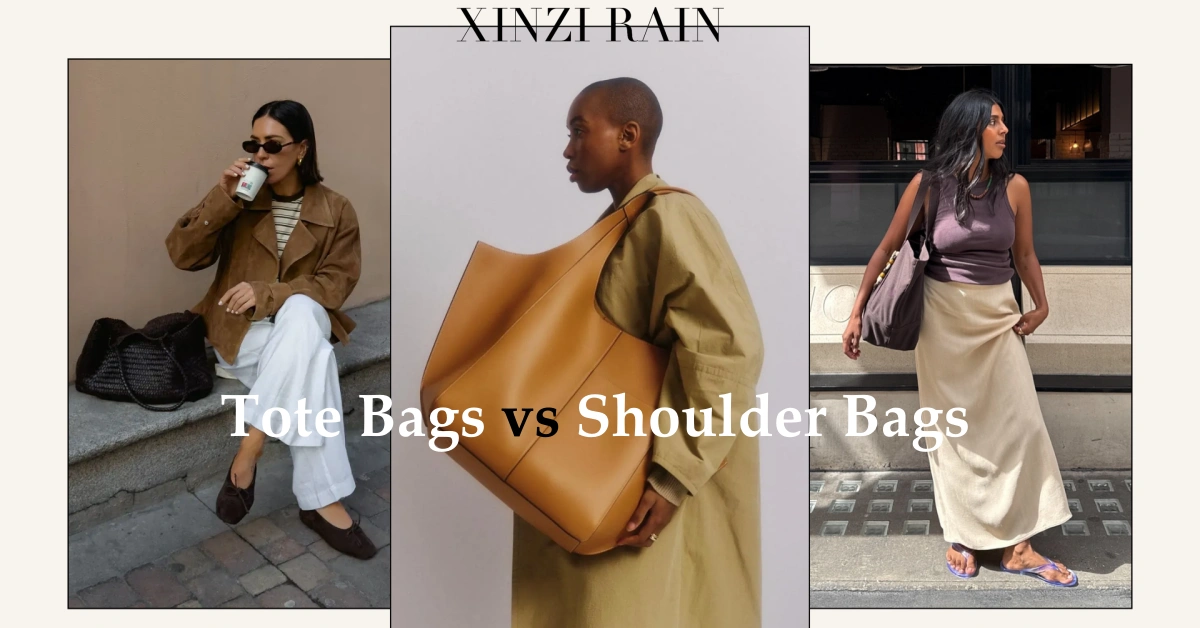

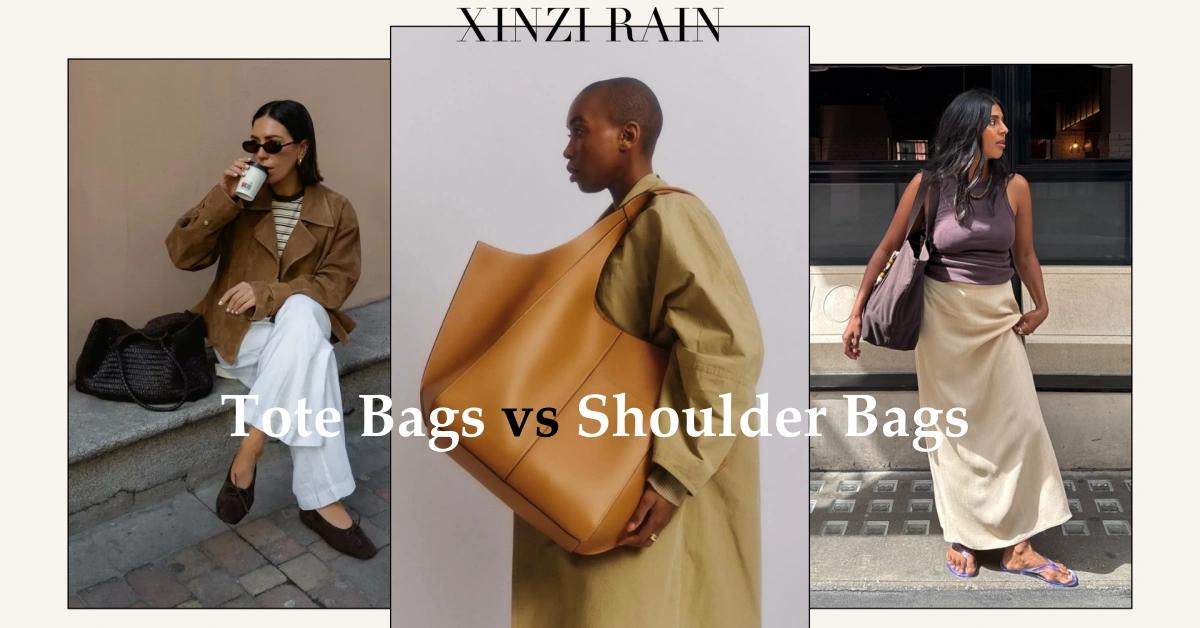
For emerging fashion brands, choosing the right bag style for your first or next collection is not just a design decision—it is a commercial strategy. Among all handbag categories, tote bags and shoulder bags consistently dominate private label discussions, buyer inquiries, and OEM development requests.
But which one actually sells better for new and growing brands?
The answer depends on your target market, brand positioning, price strategy, and manufacturing model. In this guide, we break down the real commercial differences between tote bags and shoulder bags—from sales performance and customer behavior to production cost, MOQ, and scalability—so brand owners can make data-driven decisions.
Understanding Market Demand: Tote Bags vs Shoulder Bags
Tote Bags: High-Volume, Lifestyle-Driven Sales
Tote bags are one of the most commercially reliable bag categories worldwide. Their appeal lies in functionality, versatility, and lifestyle integration.
From European minimalist brands to Middle Eastern lifestyle labels, tote bags are often positioned as:
-
Everyday carry bags
-
Work or travel companions
-
Sustainable or reusable fashion items
Why tote bags sell well for emerging brands:
-
Large surface area for branding and logo visibility
-
Unisex and cross-age appeal
-
Lower design complexity = faster development cycles
-
Strong acceptance in mid-range pricing ($80–$250 retail)
For new brands, tote bags offer predictable demand and faster customer adoption, especially in online-first or DTC models.
Shoulder Bags: Higher Margin, Brand-Defining Pieces
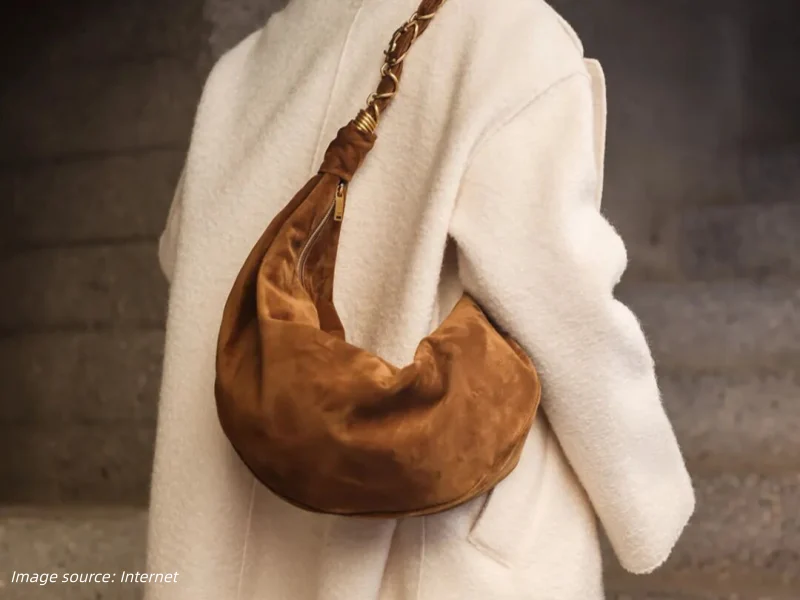
Shoulder bags play a different role. They are less about volume and more about brand image, structure, and perceived value.
In both Western and Middle Eastern markets, shoulder bags are often associated with:
-
Feminine elegance
-
Occasion-based styling
-
Luxury or premium positioning
Why shoulder bags attract emerging brands:
-
Higher perceived value and retail pricing
-
Strong differentiation through shape and hardware
-
Ideal for premium branding and storytelling
However, shoulder bags usually require more precise design, stronger structure, and higher development investment, making them slightly riskier for first-time launches—but highly rewarding when positioned correctly.
Design & Functionality Comparison
Tote Bag Design: Simplicity That Scales
From a manufacturing perspective, tote bags are relatively straightforward:
-
Open or magnetic closures
-
Soft or semi-structured bodies
-
Minimal hardware
This simplicity allows:
-
Faster prototyping
-
Lower tooling costs
-
Flexible material options (leather, vegan leather, canvas, suede)
For private label brands, tote bags are ideal for:
-
Seasonal color drops
-
Logo-focused designs
-
Sustainable collections
Shoulder Bag Design: Structure That Defines the Brand
Shoulder bags demand more technical precision:
-
Structured panels and reinforced edges
-
Metal frames, clasps, or locks
-
Precise stitching alignment
These elements increase:
-
Development time
-
Sampling iterations
-
Hardware investment
But they also create strong brand identity, especially for labels targeting boutique buyers, luxury retailers, or Middle Eastern department stores.
Manufacturing Considerations for Private Label Brands
MOQ & Cost Comparison
| Factor | Tote Bags | Shoulder Bags |
|---|---|---|
| Typical MOQ | Lower (100–300 pcs) | Higher (200–500 pcs) |
| Sampling Cost | Lower | Higher |
| Production Speed | Faster | Slower |
| Hardware Dependency | Minimal | High |
| Cost Sensitivity | Low–Medium | Medium–High |
For startups and emerging brands, tote bags are often easier to test the market. Shoulder bags require more upfront commitment but can justify higher margins.
Customization Flexibility
Both categories support private label customization, but in different ways:
Tote Bags Customization:
-
Logo embossing or printing
-
Color blocking
-
Strap length adjustments
-
Material variations
Shoulder Bags Customization:
-
Custom hardware molds
-
Lock and clasp designs
-
Structured silhouette development
-
Premium packaging integration
Brands planning long-term collections often start with totes and evolve into shoulder bags as the brand matures.
Sales Performance by Market
Europe & North America
-
Tote bags perform strongly in minimalist, sustainable, and lifestyle brands
-
Shoulder bags dominate premium boutiques and curated fashion platforms
Middle East
-
Shoulder bags often outperform totes in luxury positioning
-
Structured designs and gold-tone hardware resonate strongly
-
Tote bags still work well for travel and daily luxury concepts
Understanding regional preferences is essential when deciding which category to prioritize.
Which Bag Style Is More Profitable for Emerging Brands?
Short answer:
-
Tote bags = faster sales velocity
-
Shoulder bags = higher margin per unit
For many successful private label brands, the most effective strategy is not choosing one, but sequencing both:
-
Launch with tote bags to build volume and brand visibility
-
Introduce shoulder bags to elevate brand perception
-
Use sales data to refine future collections
This phased approach reduces risk while building long-term value.
Choosing the Right Bag Manufacturer Matters More Than the Style
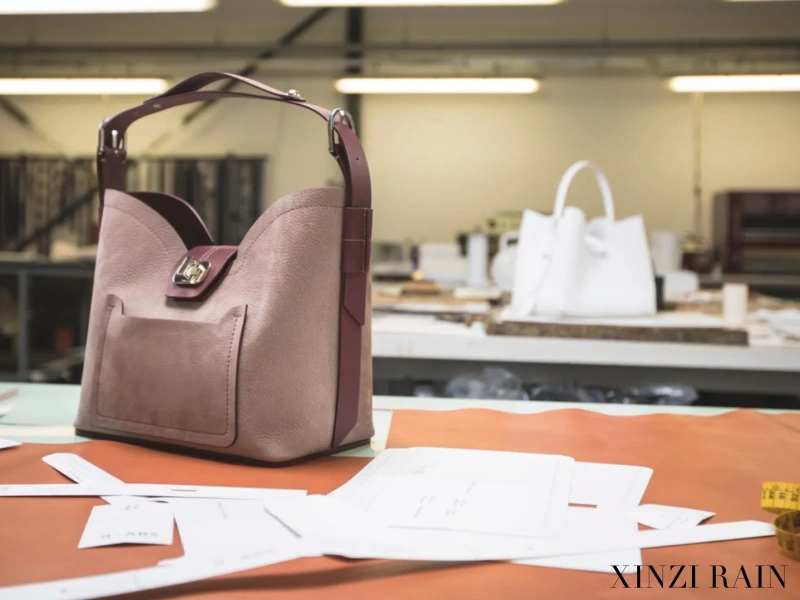
Regardless of bag type, your manufacturer plays a decisive role in success.
An experienced OEM / private label bag manufacturer should provide:
-
Low MOQ support for emerging brands
-
Design consultation, not just production
-
Material sourcing guidance (leather & vegan options)
-
Quality control aligned with your target market
-
Scalable production for future growth
For brands without in-house technical teams, manufacturer-led development can be the difference between a market-ready product and a costly delay.
Final Thoughts: Tote Bags or Shoulder Bags?
There is no universal “better” choice—only a better match for your brand stage.
-
Choose tote bags if you want speed, flexibility, and market testing
-
Choose shoulder bags if your brand is ready to define its premium identity
-
Choose both if you are building a scalable, long-term bag line
The most successful emerging brands don’t guess—they plan, test, and refine with the right manufacturing partner.
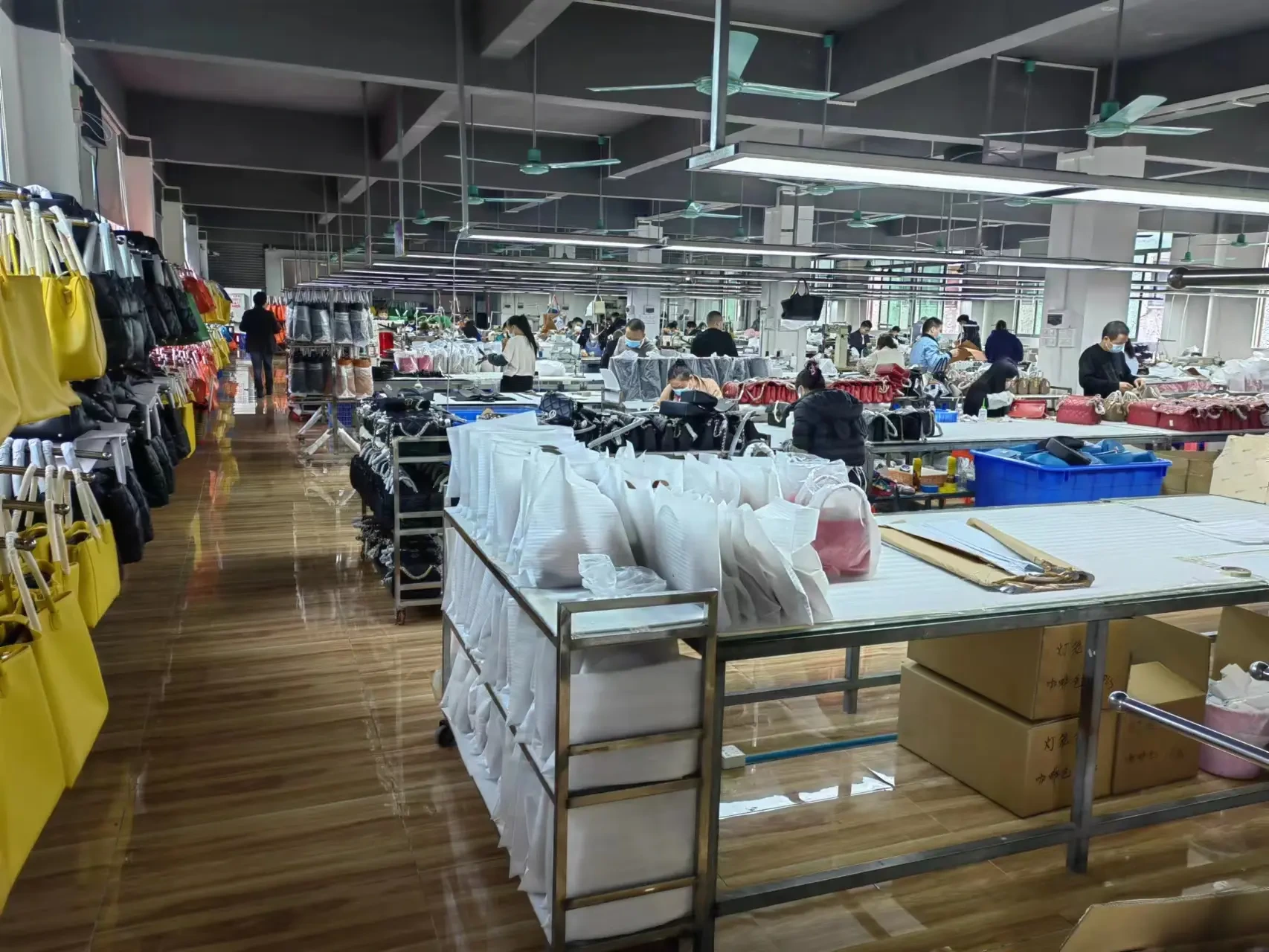
Partnering with the Right Manufacturer Makes the Difference
For emerging brands, choosing between tote bags and shoulder bags is only part of the equation. The real differentiator lies in who you build your collection with.
At XINZIRAIN, we specialize in OEM & private label leather bag manufacturing for global brands at different growth stages—from first-time founders to established labels expanding into new markets. Our role goes beyond production. We support brands through design development, material selection, cost optimization, sampling, and scalable bulk manufacturing, ensuring each bag is market-ready, brand-aligned, and commercially viable.
Whether you are launching a versatile tote bag line to test market demand or developing structured shoulder bags to elevate your brand positioning, XINZIRAIN provides the technical expertise, flexible MOQs, and consistent quality control required for long-term growth in Europe, North America, and the Middle East.
Your design vision deserves a manufacturing partner who understands both fashion aesthetics and commercial reality. With XINZIRAIN, emerging brands don’t just produce bags—they build collections designed to sell.