
Introduction
As we look toward 2026, the global fashion landscape is navigating a profound transformation. The concept of "sustainability" has migrated from a niche marketing buzzword to the absolute core of operational strategy. For handbag brands, independent designers, and sourcing managers aiming for the premium market, the equation is clear: sustainable fashion is no longer optional; it is the prerequisite for future growth.
This shift is driven by a dual force: increasingly stringent environmental regulations in Europe and North America, and the rise of Gen Z consumers who demand radical transparency and ethical production.
For manufacturing partners, the challenge is not just designing a beautiful bag, but engineering it with materials that respect the planet. We take you behind the scenes to explore the innovative, eco-friendly bag materials that will dominate production in 2026.
Next-Generation Vegan Leather: The Plant-Based Revolution
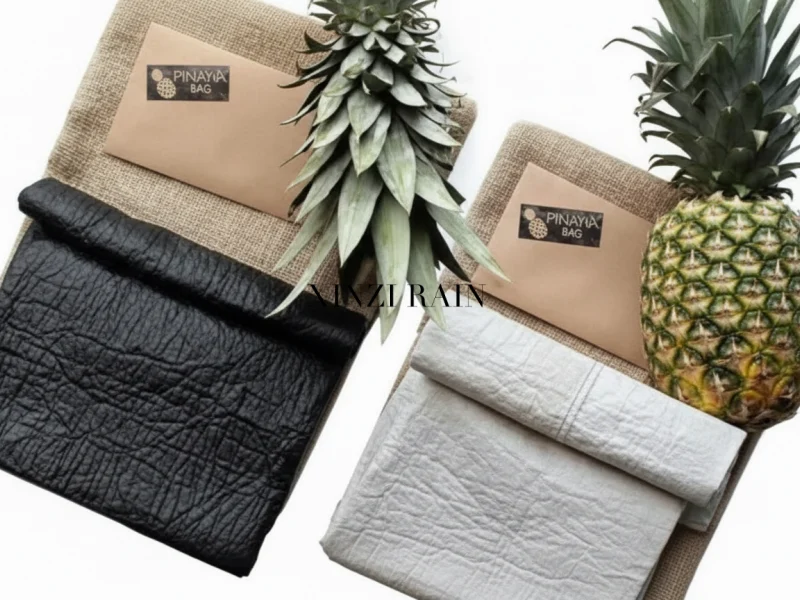
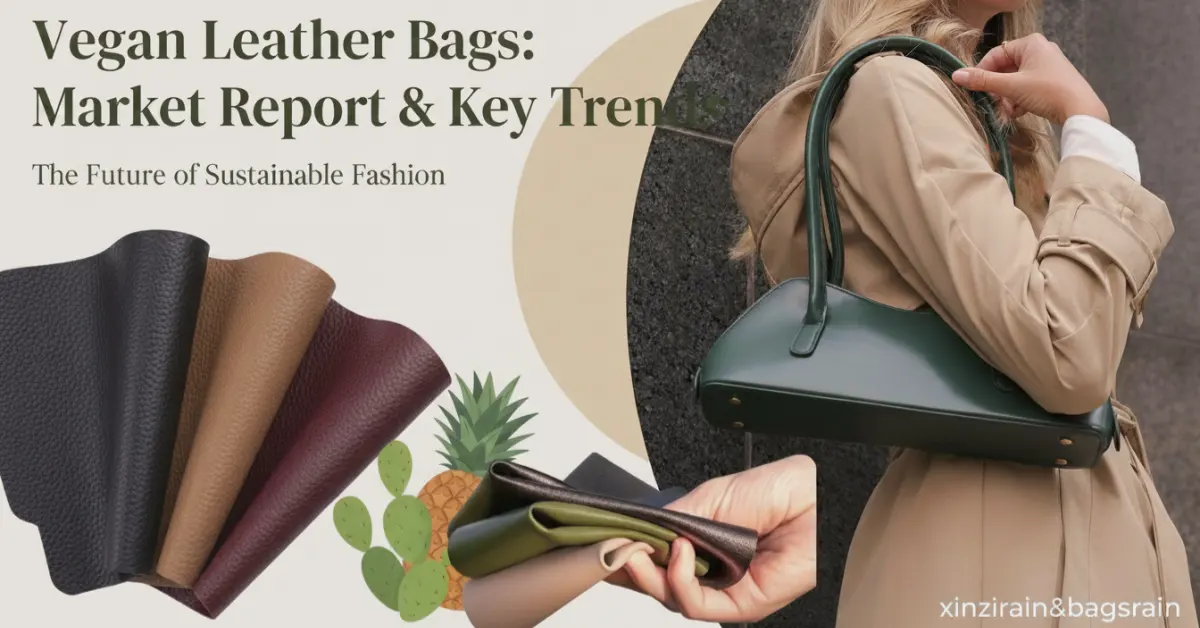
Traditional PU (Polyurethane) and PVC (Polyvinyl Chloride) have long served as "vegan" alternatives, but their reliance on fossil fuels and lack of biodegradability make them incompatible with 2026 sustainability standards. The industry is rapidly pivoting toward innovative vegan leather made from agricultural waste and bio-based sources:
-
Apple Waste and Cactus Leather: These materials leverage waste from the food industry (apple peels) or highly renewable plants (cactus) to create a bio-based polymer. They offer incredible durability, a luxurious hand-feel, and a significantly lower carbon footprint than synthetic or animal leather. They are perfect for achieving sophisticated, smooth finishes.
-
Mycelium Leather (Mushroom): This is the pinnacle of material innovation. Grown from the root structure of mushrooms, mycelium can be cultivated in a matter of weeks into a strong, flexible, and completely biodegradable material. It offers a unique, organic texture and is the ultimate choice for high-end "Quiet Luxury" collections that prioritize true circularity.
Closing the Loop: Recycled Nylon and Regenerated Fabrics
For performance, commuter, and luxury-sport bag segments, recycled nylon has become the gold standard. Materials like ECONYL® have revolutionized the market.
Rather than creating new plastic, these materials are regenerated from pre- and post-consumer waste, including discarded fishing nets, fabric scraps, and industrial plastic. They provide the exact same high-performance characteristics as virgin nylon—water resistance, high tensile strength, and lightweight durability—while cleaning up the environment. Utilizing regenerated fabrics allows brands to market a compelling story of environmental cleanup without sacrificing quality.
Ethical Manufacturing: Beyond the Material
Securing innovative materials is only the first step. True sustainability requires a holistic approach across the entire bag manufacturing trend landscape. As a B2B partner, we understand that brands require a verifiable green supply chain:
-
Water-Based, Solvent-Free Adhesives: We have largely moved away from traditional solvent-based glues. Using water-based adhesives ensures that the manufacturing process is safer for workers and releases zero harmful VOCs (Volatile Organic Compounds) into the environment.
-
Zero-Waste and Lean Production: We employ advanced 3D pattern-making and digital cutting technology. This precision drastically reduces material waste during the cutting process. Any remaining scraps are segregated for secondary recycling programs.
-
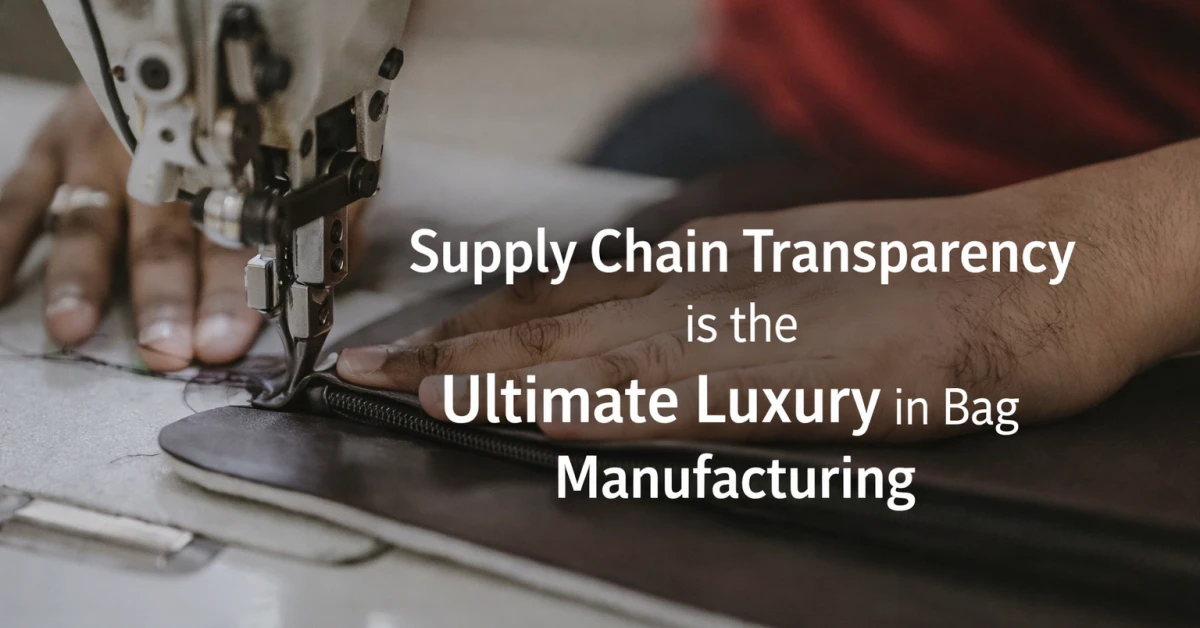
Certified Transparency: 2026 is the year of the Digital Product Passport. We provide comprehensive documentation and certifications (such as GRS - Global Recycled Standard) to verify the ethical provenance of all materials and labor practices, giving your brand total confidence.
Partner with an Ethical Manufacturer for 2026 and Beyond
Turning a sustainable design vision into a market-ready luxury product requires specialized manufacturing expertise. From sourcing the latest plant-based innovations to executing precise, ethical craftsmanship, your choice of manufacturer will define your brand’s commitment to the planet.
If you are developing your next eco-conscious collection or looking to transition your existing lines to sustainable materials, our expert team is ready to support your journey. We offer comprehensive OEM/ODM solutions tailored to the highest environmental and quality standards.
Author Name: Xinzirain Design & Manufacturing Team Role: Premier OEM/ODM Handbag Specialists
Bio Content: The Xinzirain Editorial Team is comprised of industry veterans with over 15+ years of experience in high-end fashion manufacturing. Based in the heart of China’s leather craftsmanship hub, we specialize in bridging the gap between innovative design and large-scale production for global brands. Our expertise spans from traditional Italian leather-working techniques to the latest 2026 sustainable material innovations, including Bio-based leathers and recycled textiles.
At Xinzirain, we don’t just manufacture bags; we consult on global compliance, material durability, and market-ready aesthetics for the European and North American markets. Our mission is to empower independent designers and established labels with transparent, ethical, and trend-forward supply chain solutions.