Sustainability is no longer a trend in the fashion industry—it has become a structural requirement.
For bag brands, retailers, and product developers, sustainability today is not just about choosing “eco” materials. It involves a broader system that includes design decisions, manufacturing processes, supply-chain transparency, and product longevity.
This guide breaks down what sustainable bags really mean in practice, which bag styles support sustainability best, how production impacts the environment, and how brands can make informed, responsible choices without compromising commercial viability.
What Makes a Bag Truly Sustainable?
A single label or material does not define a sustainable bag. Instead, it is the result of multiple interconnected factors working together.
Material Responsibility
Sustainable bags begin with responsible material sourcing. This includes leather from certified tanneries, recycled or renewable textiles, and alternative materials designed to reduce environmental impact without sacrificing durability.
Manufacturing Process
How a bag is made matters as much as what it is made from. Efficient cutting, controlled chemical use, energy-conscious production, and waste reduction all play critical roles.
Durability and Lifecycle
A bag designed to last five to ten years is inherently more sustainable than one designed for a single season. Construction quality, reinforced stress points, and timeless design contribute to longer product life.
Compliance and Transparency
Sustainability also includes meeting international regulations such as EU REACH and US Prop 65, as well as providing traceability across materials and production stages.
Sustainability is therefore not a claim—it is a system.
Sustainable Bag Styles That Perform Well in the Market
Not all bag styles support sustainability equally. Certain silhouettes naturally lend themselves to longer lifecycles and consistent consumer demand.
Tote Bags
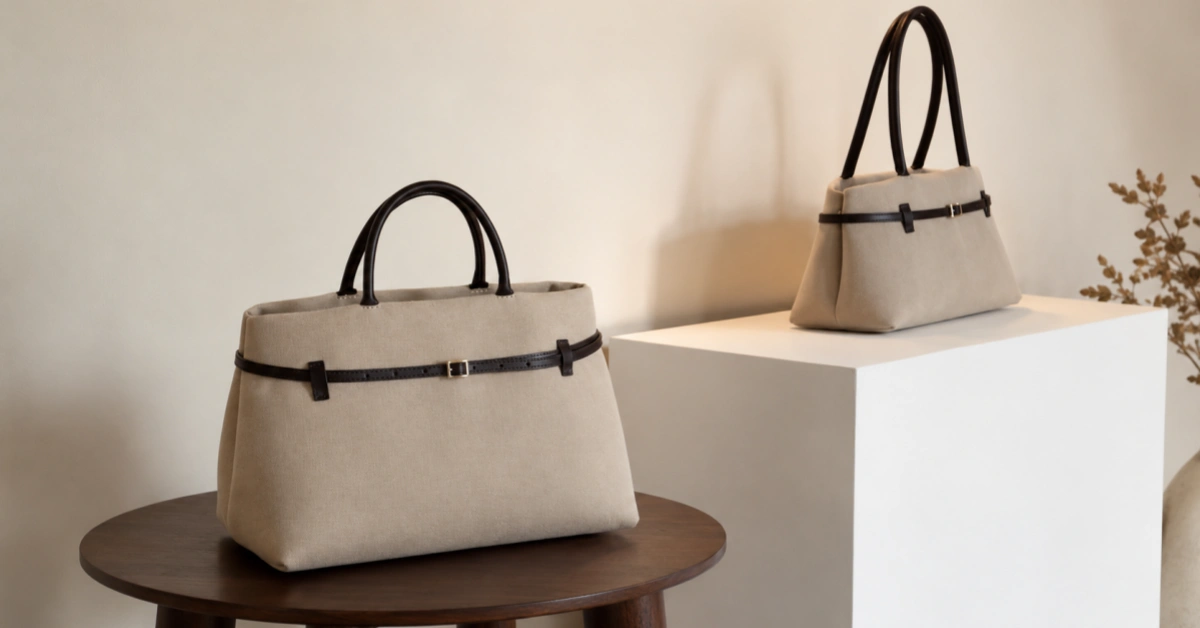
Tote bags remain one of the most sustainable styles due to their functionality, capacity, and timeless appeal. They transition easily from work to travel and rarely feel outdated.
Shoulder Bags
Classic shoulder bags, especially with clean lines and minimal hardware, age well and remain wearable across seasons.
Crossbody Bags
Crossbody bags designed with neutral proportions and adjustable straps often become daily staples, reducing replacement frequency.
Hobo Bags
Soft-structured hobo bags are increasingly popular because they combine comfort, capacity, and relaxed elegance. Their slouchy nature also allows natural wear patterns without looking damaged over time.
Modular and Multifunctional Designs
Bags with detachable straps, convertible carry options, or reversible designs reduce the need for multiple products, supporting lower consumption.
Timeless design is one of the most overlooked sustainability strategies.
Sustainable Materials Used in Bag Manufacturing
Responsible Leather Options
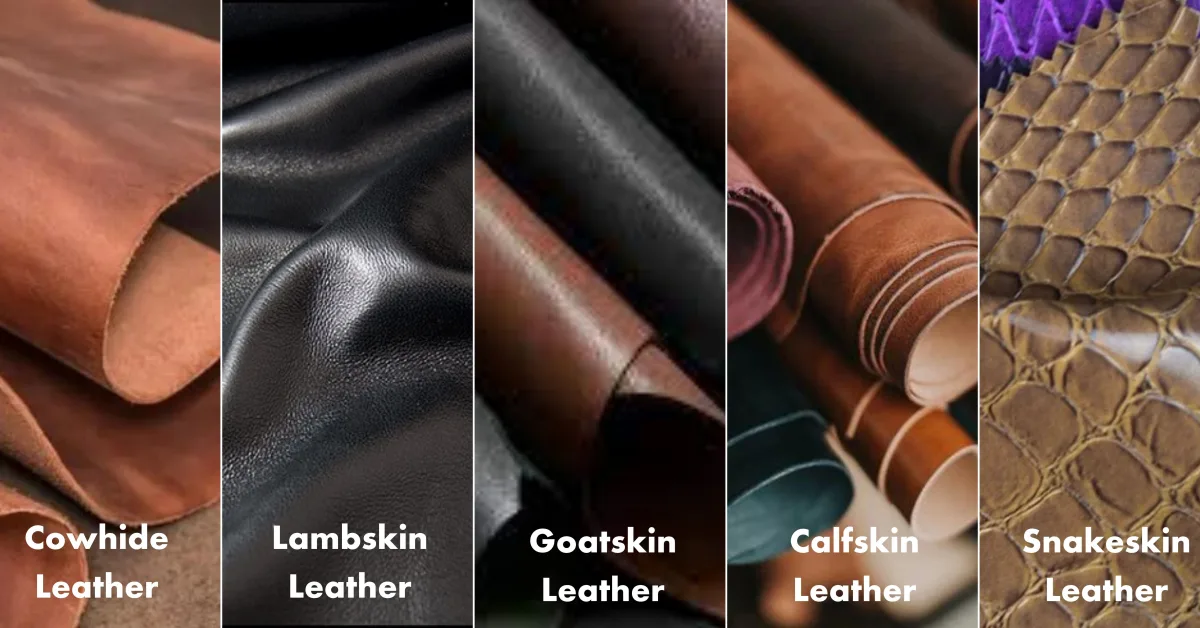
Leather remains one of the most durable and long-lasting bag materials when sourced responsibly.
-
Leather from LWG-certified tanneries
-
Vegetable-tanned leather
-
Chrome-free or low-impact tanning processes
Well-made leather bags often outlast synthetic alternatives, making them sustainable from a lifecycle perspective.
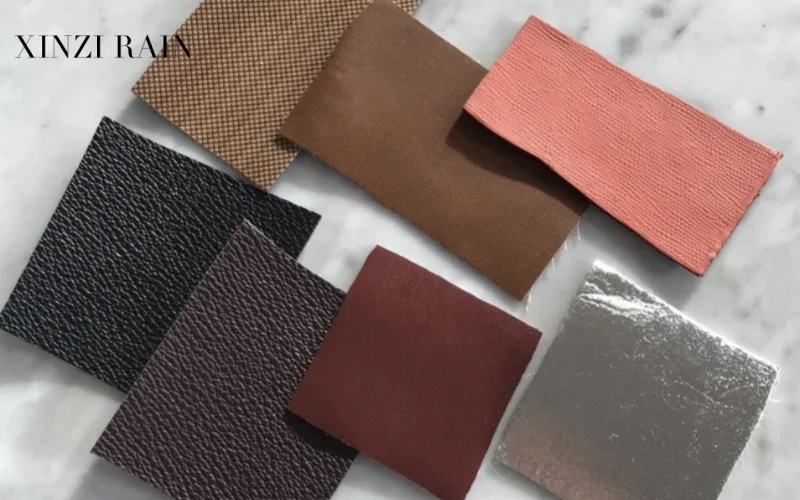
Non-Leather and Alternative Materials
Brands exploring non-leather options often consider:
-
Recycled PU
-
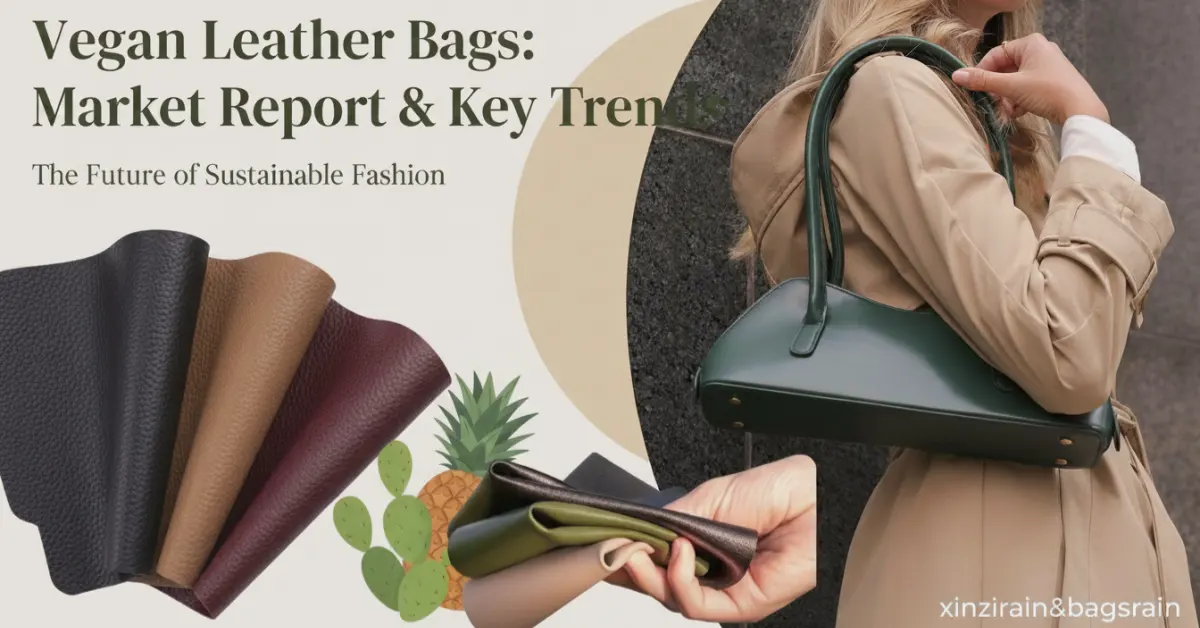
Plant-based leather alternatives
-
Recycled canvas or polyester textiles
Each option involves trade-offs between durability, appearance, cost, and environmental impact. No material is inherently perfect—transparency matters more than claims.
The Environmental Impact of Bag Production
Bag manufacturing affects the environment in several key areas:
Carbon Footprint
Transportation, machinery, and energy consumption all contribute to emissions. Optimized production planning and localized sourcing help reduce this impact.
Water and Chemical Usage
Leather tanning and finishing processes require strict control to prevent pollution and overuse of water resources.
Material Waste
Cutting efficiency and pattern optimization significantly affect waste levels. Experienced factories can reduce offcuts and reuse materials where appropriate.
In many cases, making fewer but better products has a greater environmental benefit than switching materials alone.
How to Choose a Truly Sustainable Bag
For Consumers
-
Will this bag still be usable in five years?
-
Is the design timeless or trend-driven?
-
Does the material age well?
For Brands and Buyers
-
Are materials compliant with EU and US regulations?
-
Can the supplier provide documentation and transparency?
-
Is production scalable without compromising sustainability standards?
Sustainability decisions should be practical, measurable, and aligned with long-term business goals.
Sustainability for Private Label and Emerging Brands
Smaller brands often have an advantage when adopting sustainable strategies.
-
Lower MOQs reduce overproduction
-
Sampling allows testing before scaling
-
Focused collections prevent excess inventory
Designing for reorder potential rather than short-term hype supports both sustainability and profitability.
Clear, honest communication is essential. Sustainability should be explained, not exaggerated.
Why the Manufacturer Plays a Critical Role
No sustainability strategy can succeed without the right manufacturing partner.
Responsible manufacturers should support:
-
Material guidance and sourcing transparency
-
Efficient, controlled production processes
-
Consistent quality control
-
Compliance with international regulations
Manufacturing decisions directly influence product lifespan, waste levels, and brand credibility.
Sustainable Bag Development with XINZIRAIN
At XINZIRAIN, sustainability is approached as a practical production system rather than a marketing concept.
As a China-based bag manufacturer with Italian-inspired craftsmanship standards, we support brands through:
-
Responsible leather and material sourcing options
-
Efficient pattern cutting and construction techniques
-
OEM / ODM and private label bag development
-
Flexible MOQs to minimize overproduction
-
Compliance support for EU and US markets
Our focus is on helping brands create bags that last—both physically and commercially.
Sampling and bulk production timelines typically range from 30–45 days, depending on materials and complexity.
Conclusion: Sustainability Is a Long-Term Design Decision
Sustainable bags are not defined by trends or labels.
They are defined by thoughtful design, responsible production, and long-term usability.
For brands, the most sustainable choice is often to invest in better design, better materials, and better manufacturing partnerships.
Choosing sustainability is not about doing everything perfectly—it’s about making better decisions consistently.
Frequently Asked Questions
What makes a bag sustainable?
A sustainable bag combines responsible materials, efficient manufacturing, durability, and regulatory compliance rather than relying on a single eco claim.
Are leather bags sustainable?
Leather bags can be sustainable when sourced from certified tanneries and designed for long-term use, often outperforming synthetic alternatives in lifespan.
Which bag styles are most sustainable?
Tote bags, shoulder bags, crossbody bags, and hobo bags tend to be more sustainable due to their timeless design and daily usability.
Is sustainability more expensive for brands?
Not necessarily. Smart design, controlled production, and lower MOQs can reduce waste and long-term costs.
How can private label brands adopt sustainable practices?
By focusing on timeless designs, responsible materials, transparent suppliers, and scalable production planning.
What role does the manufacturer play in sustainability?
Manufacturers influence material sourcing, production efficiency, waste control, and compliance—making them central to sustainable outcomes.