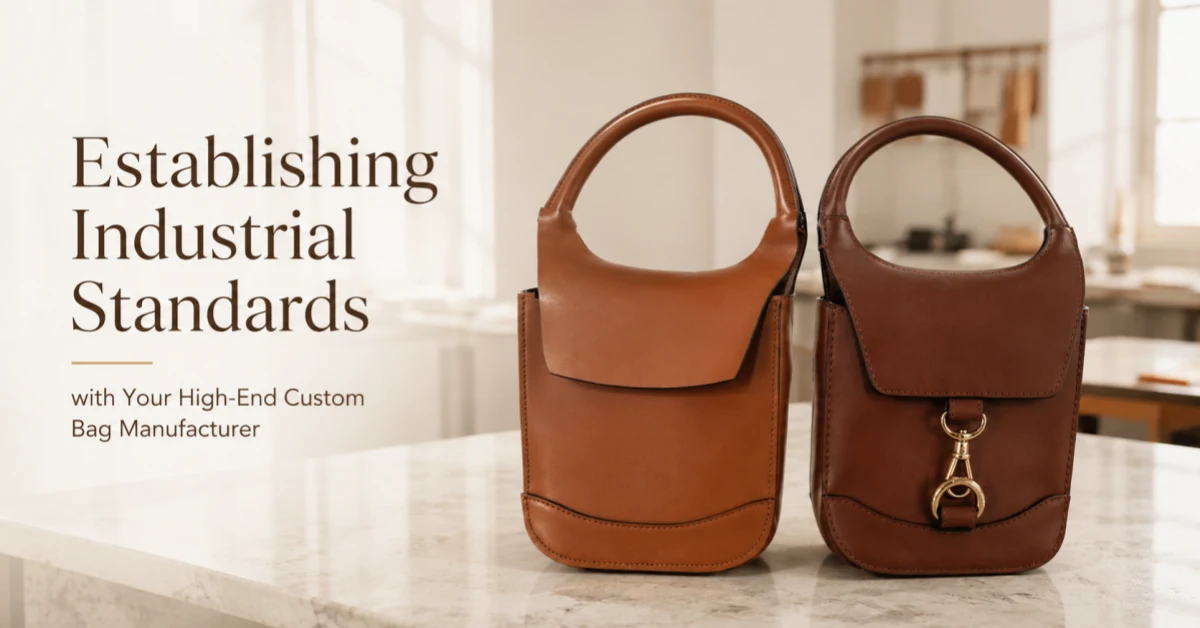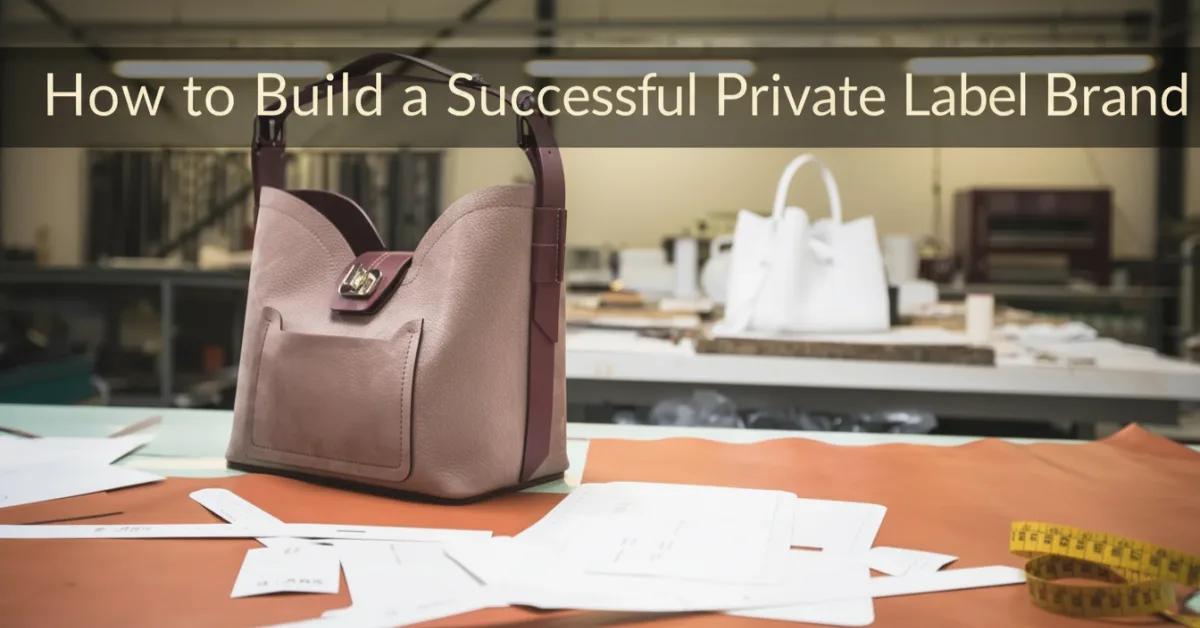
Building a private label bag brand has become one of the most effective ways for fashion entrepreneurs, retailers, and emerging designers to enter the global market for accessories. Unlike traditional wholesale models, private label brand building gives you full control over design, branding, pricing, and customer experience.
As consumer demand shifts toward differentiated products, brand identity, and sustainability, private label bags offer flexibility, scalability, and long-term value. In this guide, we walk through the complete process of building a successful private label bag brand—from early concept to global market expansion.
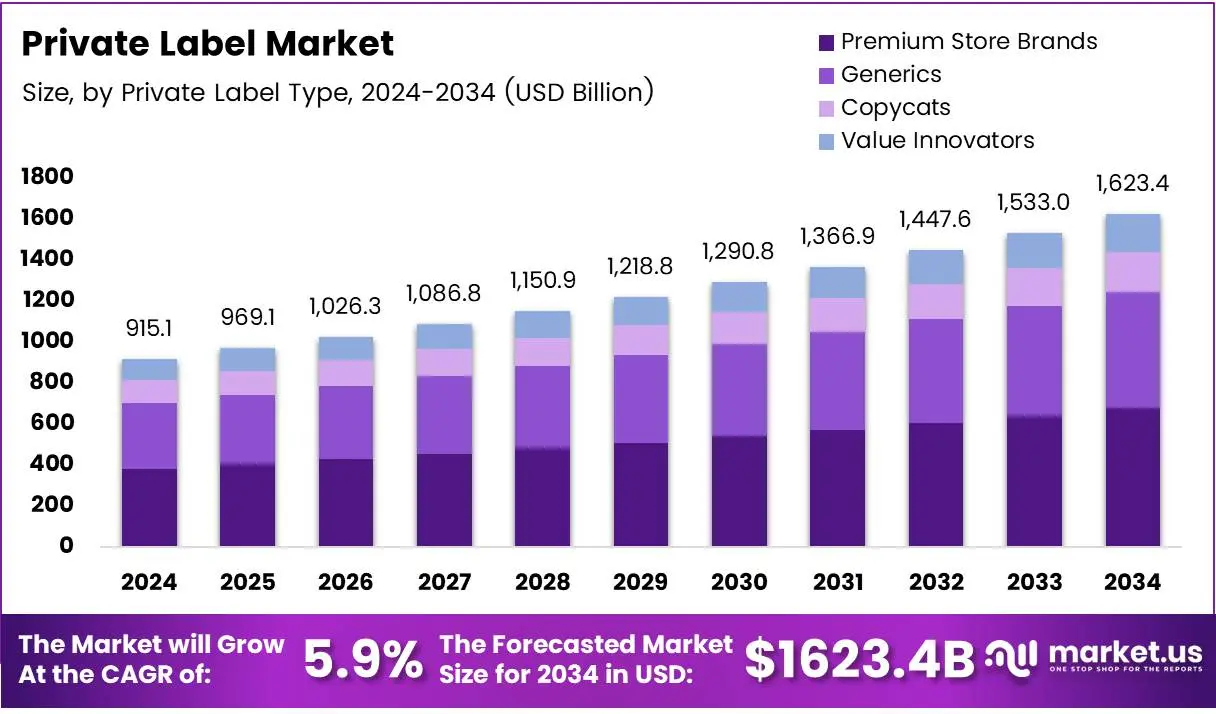
Why Private Label Brands Are Growing Worldwide
Private label brands are no longer limited to basic or low-cost products. Today, many premium and mid-to-high-end bag brands are built entirely on private label manufacturing.
Key reasons behind this growth include:
-
Greater control over brand identity and pricing
-
Faster response to market trends
-
Lower barriers to entry compared to owning factories
-
Ability to scale globally with the right manufacturing partner
In North America, Europe, and the Middle East, private label bag brands are increasingly favored by retailers, online brands, and boutique founders seeking exclusive products with consistent quality.
Defining Your Brand Positioning Before Production
Before contacting any manufacturer, successful private label brand building starts with clarity.
You should define:
-
Who your target customer is
-
Your intended price range (entry, mid, premium)
-
The lifestyle your brand represents
-
Where your brand will be sold (online, retail, wholesale)
Clear positioning guides every decision that follows—from bag styles and materials to packaging and marketing. Brands that skip this step often face redesigns, cost overruns, or inconsistent collections.
Turning Ideas Into Market-Ready Bag Products
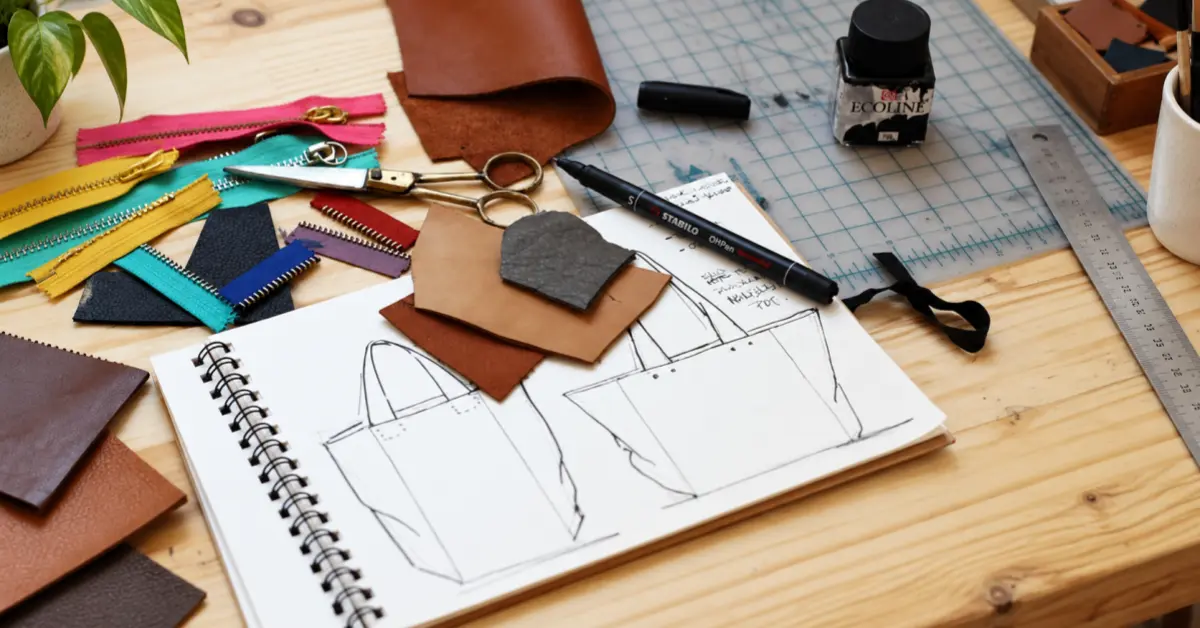
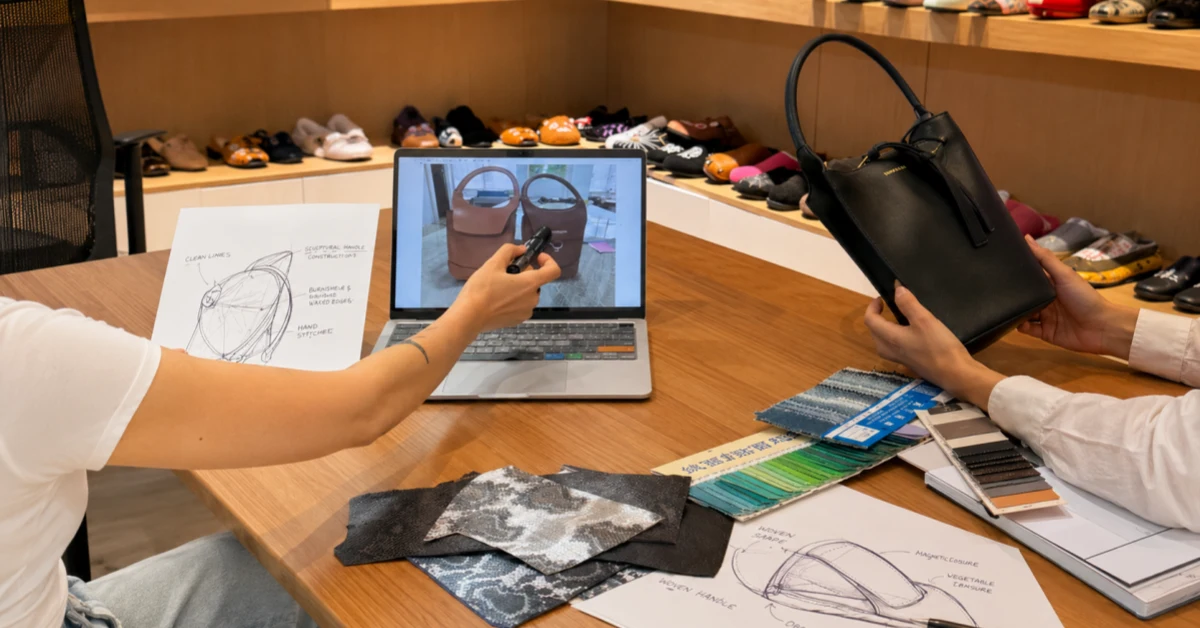
Product development is the bridge between concept and reality. A private label bag brand does not need a complete tech pack to start—many successful brands begin with sketches, mood boards, or reference images.
Key development considerations include:
-
Choosing the right bag categories (handbags, totes, backpacks, travel bags, wallets)
-
Balancing aesthetics with functionality and durability
-
Selecting materials that match your price point and brand values
-
Designing for real-world use, not just appearance
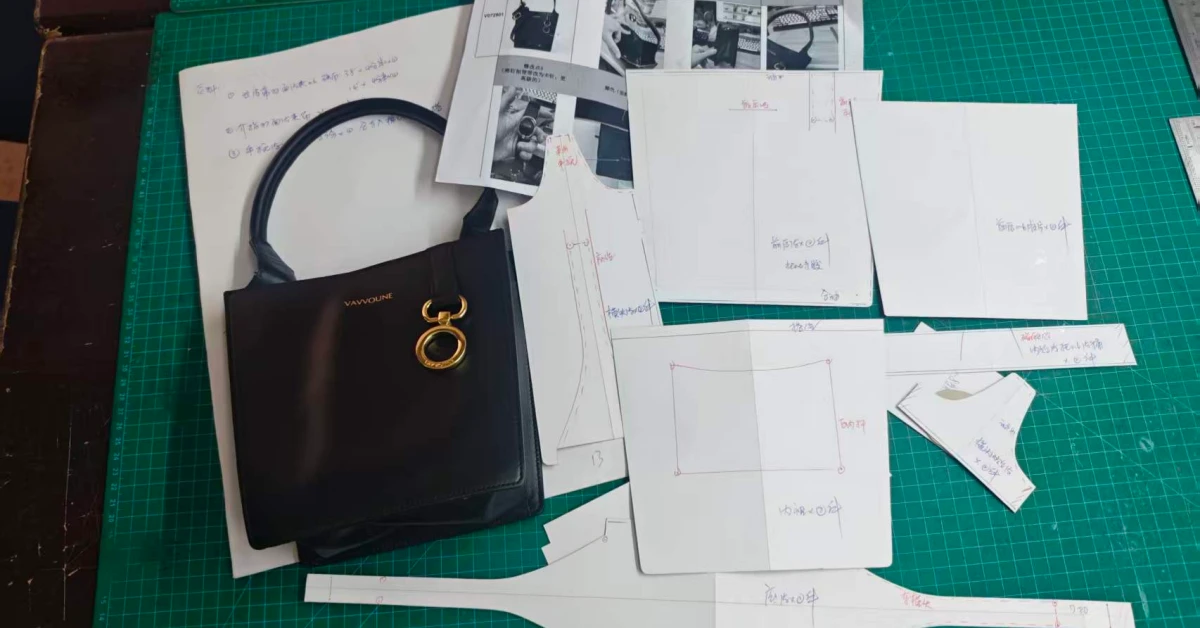
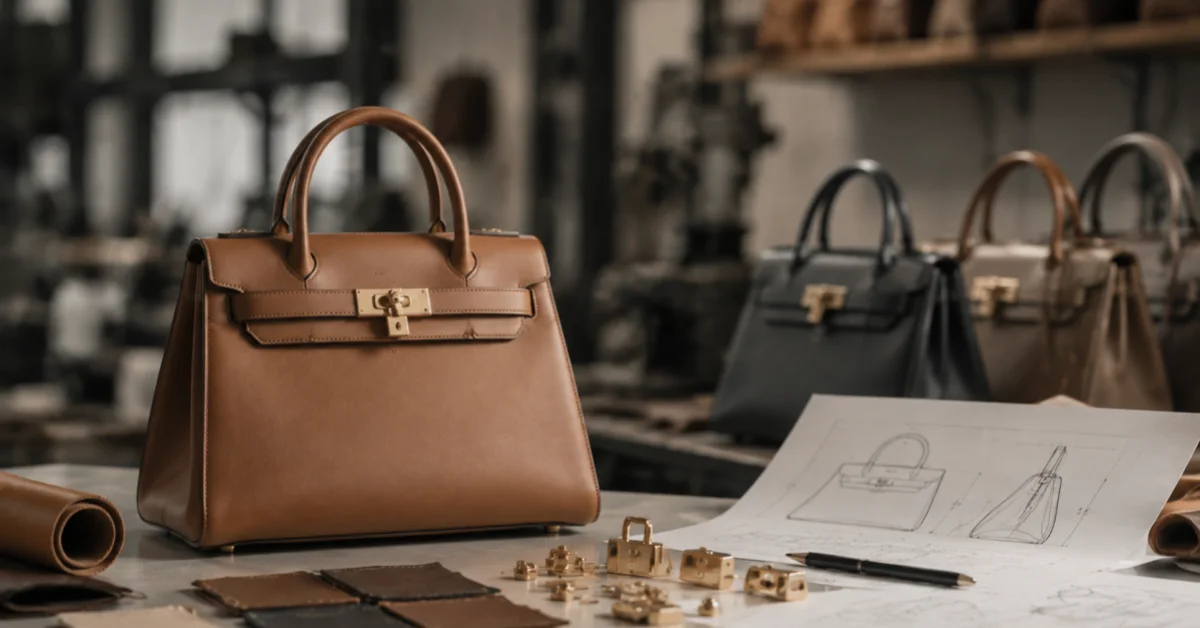
A strong OEM/ODM partner helps refine structure, proportions, and construction details so designs are production-ready.
4. Choosing the Right Private Label Bag Manufacturer
Your manufacturer is not just a supplier—it is a long-term strategic partner.
When selecting a private label bag manufacturer, consider:
-
Experience with international brands
-
In-house design and development capabilities
-
Sampling speed and communication efficiency
-
Quality control systems
-
Compliance with REACH, Prop 65, and market regulations
An experienced OEM handbag manufacturer can guide you through design adjustments, material selection, and cost optimization—reducing risk during launch and scaling.
Sampling, MOQ, and Cost Structure Explained
Sampling is a critical step in private label bag development. It allows you to test structure, materials, branding, and usability before committing to bulk production.
Typical considerations:
-
Sampling timelines usually range from 27 to 45 days
-
MOQs often start between 100 and 300 pieces per style
-
Costs are influenced by materials, hardware, construction, and packaging
Understanding cost structure early helps brands price products accurately and avoid unexpected changes during mass production.
Branding & Customization That Elevates Private Label Bags
Branding is what transforms a bag into a recognizable product line.
Private label customization options include:
-
Logo embossing or debossing
-
Metal logos and custom hardware
-
Custom linings and labels
-
Branded packaging and dust bags
Thoughtful branding increases perceived value and strengthens brand recall—especially important in competitive global markets.
Production, Quality Control & Delivery Timelines
Once samples are approved, mass production begins.
A reliable private label bag factory follows structured production stages:
-
Material inspection and cutting
-
Stitching and assembly
-
Hardware installation and finishing
-
Final quality inspection and packaging
Production lead times typically range from 30–45 days. Consistent quality control ensures every shipment meets brand standards and customer expectations.
Sustainability & Ethical Manufacturing in Brand Building
Sustainability is no longer optional—it is a core expectation for modern brands.
Private label bag brands increasingly focus on:
-
Responsible material sourcing
-
Ethical labor practices
-
Reduced waste and efficient production
-
Transparent communication with customers
Sustainable brand building is not about marketing claims, but about long-term responsibility and credibility.
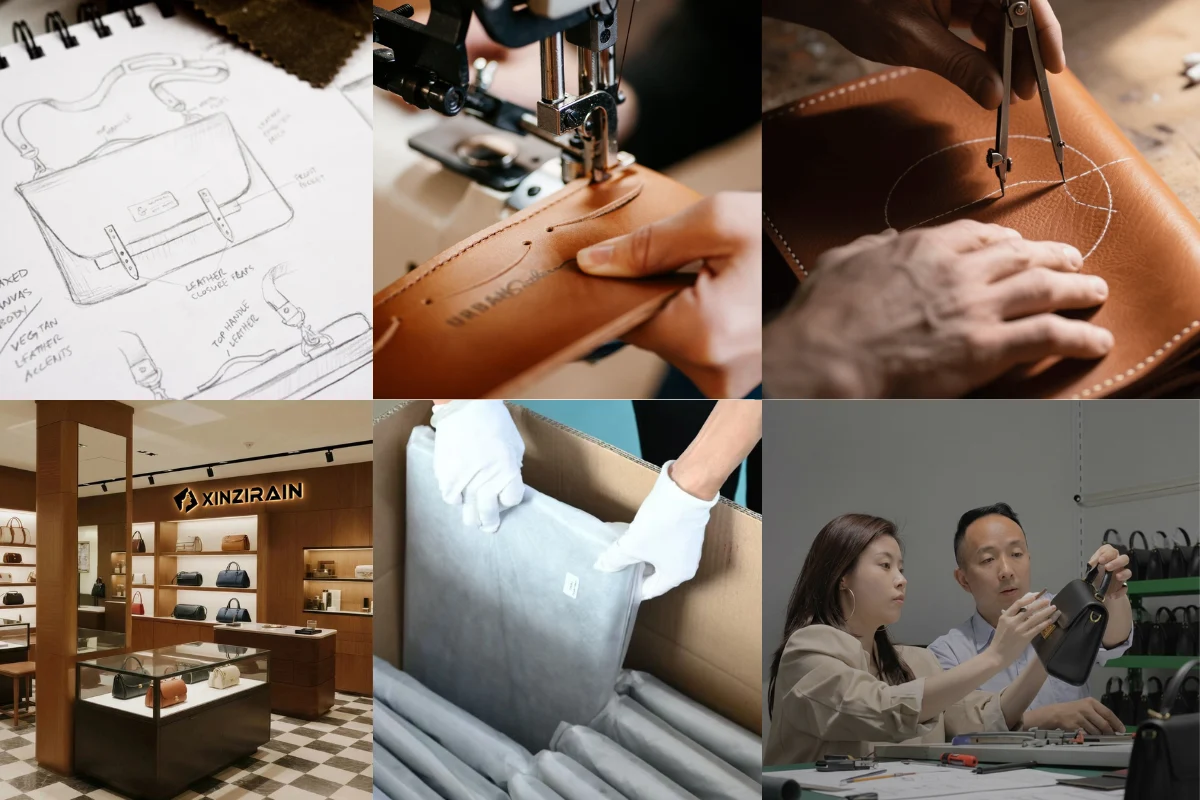
Scaling Your Private Label Bag Brand Globally
As your brand grows, scaling requires planning.
Key scaling strategies include:
-
Standardizing materials and construction
-
Forecasting demand accurately
-
Maintaining quality consistency across orders
-
Expanding into new markets with localized strategies
Strong manufacturer relationships allow brands to grow smoothly without sacrificing quality or brand integrity.
Final Thoughts: Building a Long-Term Private Label Brand
Successful private label brand building is a process—not a shortcut. It requires clear positioning, thoughtful design, reliable manufacturing, and long-term vision.
With the right OEM/ODM partner, private label bag brands can compete globally, build loyal audiences, and scale sustainably.
If you are ready to turn your ideas into market-ready bags, working with an experienced manufacturing partner is the most important first step.