
Quick Answer
Luxury handbags are designed to last for years, but their lifespan depends not only on manufacturing quality but also on proper maintenance after purchase. For fashion brands, providing customers with professional care guidance can significantly reduce product returns, increase customer satisfaction, and strengthen brand reputation. From premium leather conditioning and vegan leather cleaning to hardware protection and storage practices, proper handbag care is an essential part of delivering a premium product experience.
Key Takeaways
- Poor maintenance is a common cause of customer complaints and product returns.
- Luxury leather bags require moisture control, UV protection, and proper storage.
- Vegan leather and sustainable materials need different cleaning methods than genuine leather.
- Hardware oxidation can often be prevented through simple customer education.
- Proper packaging and warehouse storage directly impact product longevity.
- Care cards and after-sales guidance help brands improve customer retention and perceived value.
Why Handbag Care Has Become a Hidden Profit Driver for Fashion Brands
Most emerging fashion brands invest heavily in design development, material sourcing, branding, and production. However, one critical element is often overlooked: what happens after the customer starts using the bag.
A handbag may leave the factory in perfect condition, but improper handling, poor storage, exposure to sunlight, humidity, cosmetics, or friction can quickly diminish its appearance. When consumers notice scratches, discoloration, hardware tarnishing, or structural deformation, they often blame the product rather than their usage habits.
For brands, this creates a costly problem:
- Increased return requests
- Negative product reviews
- Lower customer satisfaction
- Reduced repeat purchase rates
- Damage to premium brand positioning
At XINZIRAIN, our experience as a premium handbag manufacturer serving international fashion brands has shown that effective after-sales education can dramatically reduce unnecessary complaints while reinforcing a luxury customer experience.
In many cases, a simple care guide delivered with the product can protect both the handbag and the brand behind it.
Premium Leather Care: Extending the Life of Luxury Handbags
High-end leather handbags are often crafted from premium materials such as full-grain leather, top-grain leather, calfskin, lambskin, or vegetable-tanned leather. These materials develop character over time, but they also require proper care to maintain their appearance.
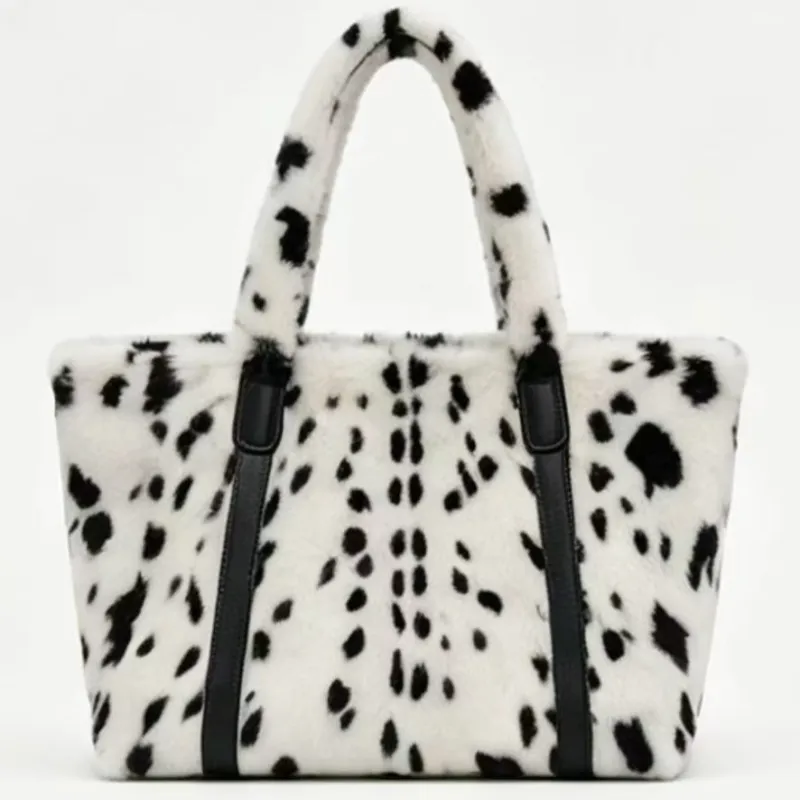
Understanding Premium Leather Characteristics
Unlike synthetic materials, genuine leather is a natural material that breathes and reacts to its environment.
Common risks include:
| Risk Factor | Potential Damage |
|---|---|
| Excessive Moisture | Mold, staining, deformation |
| Direct Sunlight | Fading, drying, cracking |
| Friction | Surface scratches |
| Improper Storage | Shape distortion |
Luxury leather should never be treated as a maintenance-free material.
Essential Leather Care Recommendations
Protect Against Moisture
Leather absorbs water easily. If exposed to rain, the bag should be gently dried with a soft cloth and allowed to air dry naturally.
Never use direct heat sources such as hair dryers or radiators.
Avoid Prolonged Sun Exposure
UV rays gradually dry out natural leather fibers, causing fading and cracking.
Luxury handbags should be stored away from direct sunlight whenever possible.
Condition Leather Periodically
For customers who use leather bags frequently, applying a professional leather conditioner every few months helps maintain softness and prevent drying.
Prevent Scratches
Premium leather surfaces, especially smooth calfskin and lambskin, are susceptible to scratches.
Customers should avoid placing bags near rough surfaces, keys, or metal objects.
Why Care Cards Matter for Brands
Luxury brands rarely ship products without maintenance instructions.
Including professional care cards helps:
- Reduce preventable damage
- Improve perceived product value
- Enhance luxury brand image
- Lower return rates
Many of XINZIRAIN's private label clients include branded care cards as part of their packaging strategy.
Sustainable & Vegan Leather Maintenance Guide
Sustainability has become a major purchasing factor in the global fashion industry.
Consumers increasingly seek products made from:
- Microfiber leather
- Recycled PU
- Apple leather
- Cactus leather
- Other bio-based alternatives
While these materials offer environmental benefits, their maintenance requirements differ from traditional leather.
Cleaning Vegan Leather Properly
Unlike genuine leather, most vegan materials should not be conditioned with leather creams.
Recommended cleaning process:
- Use a soft microfiber cloth.
- Wipe gently with mild soap and water.
- Remove excess moisture immediately.
- Allow the surface to dry naturally.
Harsh chemicals should always be avoided.
Storage Guidelines for Sustainable Materials
Vegan leather products should be:
- Stored in cool environments
- Protected from excessive humidity
- Kept away from prolonged direct sunlight
- Protected from excessive pressure
Proper storage helps preserve both appearance and structural integrity.
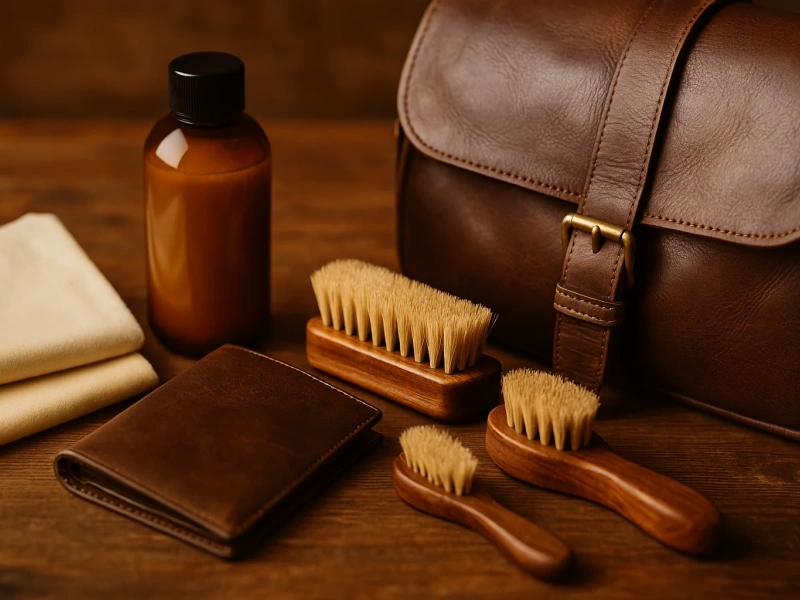
Material Selection Starts at Manufacturing
At XINZIRAIN, maintenance considerations begin long before production.
Our material sourcing team evaluates:
- Abrasion resistance
- Color fastness
- Surface durability
- Ease of cleaning
- Long-term performance
By selecting premium-grade sustainable materials, brands can reduce after-sales issues while supporting environmental initiatives.
Custom Hardware Preservation: Preventing Tarnishing and Oxidation
When consumers evaluate a luxury handbag, hardware quality is often one of the first details they notice.
Even if the leather remains beautiful, worn or tarnished hardware can make the entire product appear aged.
Why Hardware Deteriorates
Common causes include:
- Exposure to perfumes
- Sweat and skin oils
- Humidity
- Saltwater environments
- Improper storage
These factors gradually affect plated surfaces and metal finishes.
Best Practices for End Customers
Brands should encourage customers to:
- Avoid spraying perfume directly on bags
- Wipe hardware periodically with a dry cloth
- Store bags in dust bags when not in use
- Minimize prolonged exposure to moisture
The Manufacturing Difference
Not all hardware is created equally.
At XINZIRAIN, custom hardware development includes:
- High-grade electroplating processes
- Corrosion-resistant coatings
- Multiple quality inspection stages
- Color consistency testing
These measures significantly improve durability and maintain luxury aesthetics over time.
Storage and Packaging Guidelines for Retailers and Distributors
Product longevity is influenced not only by consumers but also by how bags are stored before reaching the customer.
For brands, retailers, and distributors, warehouse management is often overlooked.
Common Warehouse Problems
Improper storage can lead to:
- Shape deformation
- Wrinkled materials
- Hardware scratches
- Surface marks
- Packaging damage
These issues frequently occur before products are even sold.
Recommended Storage Practices
Use Dust Bags
Dust bags protect products from:
- Dust accumulation
- Surface friction
- UV exposure
They also reinforce premium brand presentation.
Maintain Internal Filling
Luxury bags should never be stored empty.
Use:
- Acid-free tissue paper
- Soft stuffing materials
- Air-filled inserts
This helps preserve the intended silhouette.
Avoid Compression
Heavy stacking can permanently distort handbag structures.
Products should be stored upright whenever possible.
Control Temperature and Humidity
Ideal storage environments are:
| Factor | Recommendation |
| Temperature | 15°C–25°C |
| Humidity | 45%-60% |
| Sunlight | Avoid Direct Exposure |
| Ventilation | Good Air Circulation |
These conditions help maintain material stability over extended periods.
How Professional After-Sales Support Strengthens Luxury Brands
Today's consumers expect more than beautiful products.
They expect guidance, support, and long-term value.
Brands that provide:
- Care cards
- Maintenance instructions
- Storage recommendations
- Material education
often achieve:
- Higher customer satisfaction
- Increased repeat purchases
- Lower return rates
- Stronger customer loyalty
Luxury is not only about design. It is about delivering confidence throughout the product lifecycle.

Why XINZIRAIN Helps Brands Build Longer-Lasting Handbags
With over 25 years of manufacturing experience, XINZIRAIN works with fashion brands worldwide to create premium handbags that combine aesthetics, durability, and long-term customer satisfaction.
Our services include:
- Premium leather sourcing
- Sustainable vegan material development
- Custom hardware engineering
- Luxury packaging solutions
- Quality control systems
- Private label manufacturing
- OEM and ODM development
Beyond manufacturing, we help brands create complete product experiences that support customer retention and brand growth.
Final Thoughts
The lifespan of a luxury handbag is determined by more than production quality alone.
Material selection, hardware engineering, packaging design, storage practices, and customer education all contribute to product longevity.
For fashion brands, investing in proper maintenance guidance is one of the most cost-effective ways to reduce returns, improve customer satisfaction, and strengthen brand positioning.
A well-maintained handbag reflects not only craftsmanship but also the professionalism of the brand behind it.
If you are developing a premium handbag collection and want to incorporate durability, sustainability, and after-sales support into your product strategy, XINZIRAIN can help you build products designed to perform beautifully for years to come.