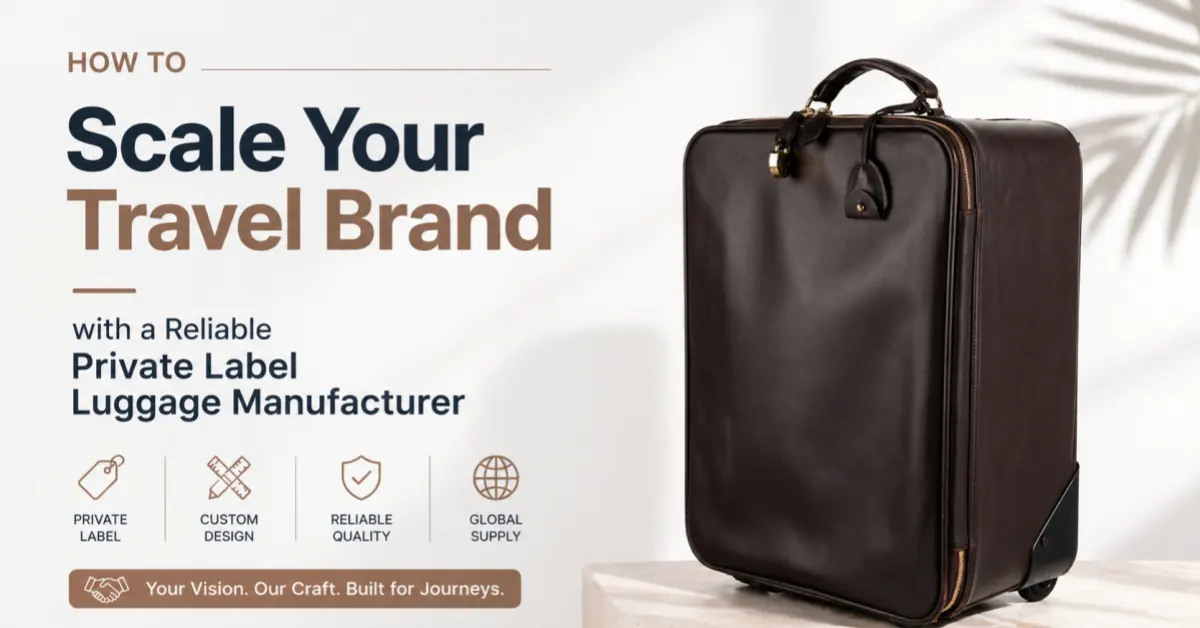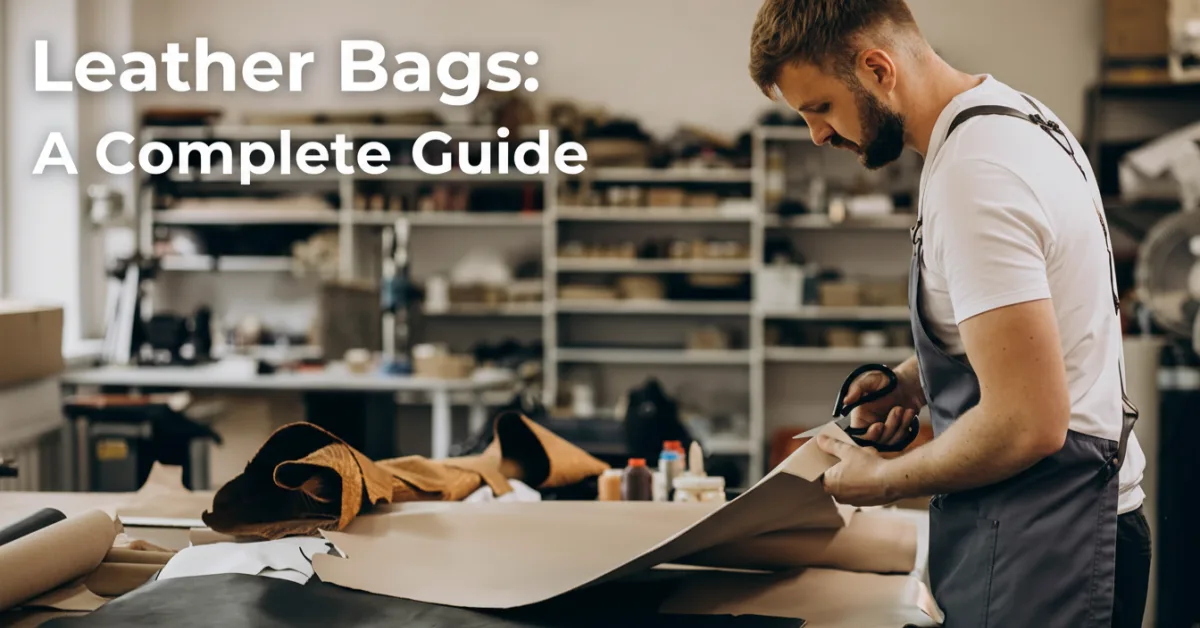

Leather bags remain a cornerstone of the global accessories market. From luxury maisons and boutique labels to emerging designer brands, leather continues to define quality, durability, and long-term brand value.
For brands, however, success in leather bags is not driven by design alone. Material selection, craftsmanship standards, and the right manufacturing partner ultimately determine whether a product performs in the market or fails to scale.
This guide explores what defines a high-quality leather bag, the materials used in its creation, and how custom leather bag manufacturing works—from concept to market-ready production.
What Defines a High-Quality Leather Bag?
A well-made leather bag is the result of balanced decisions across materials, structure, and production techniques. Buyers and brand owners often evaluate quality through the following dimensions:
-
Leather grading and consistency
-
Structural integrity and load-bearing design
-
Stitching accuracy and edge finishing
-
Hardware durability and attachment methods
Beyond visual appeal, a quality leather bag must retain its shape, age gracefully, and withstand repeated daily use. For commercial brands, consistency across production batches is just as critical as the prototype.
Types of Leather Used in Leather Bags
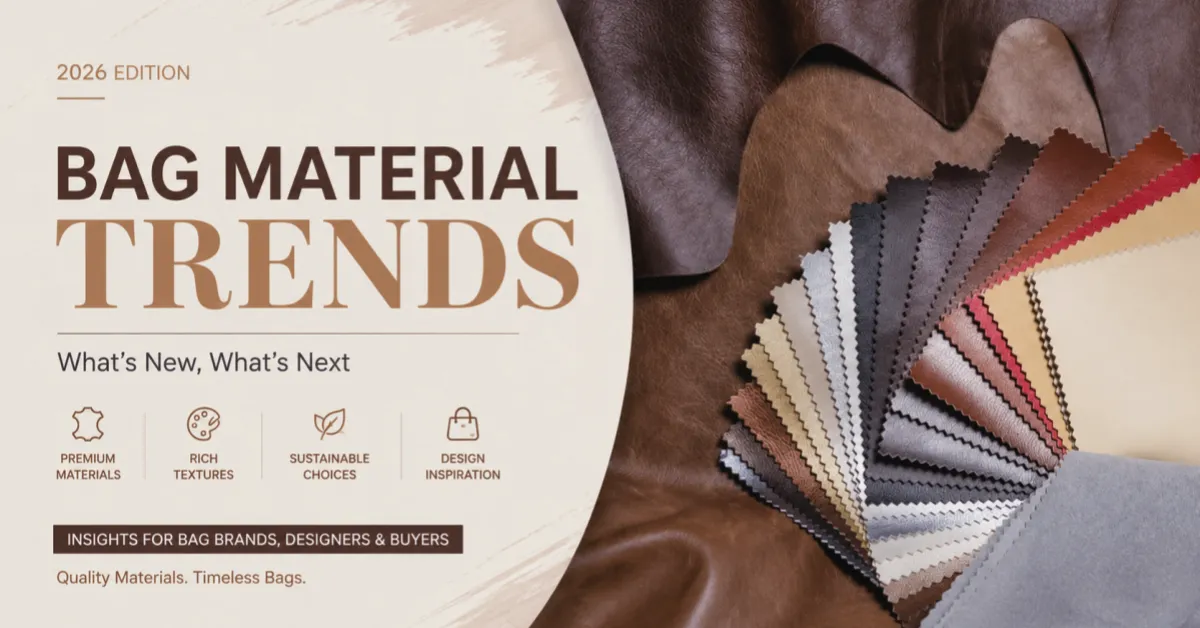
Choosing the right leather impacts not only aesthetics but also pricing, positioning, and customer expectations.
Full-Grain Leather
Full-grain leather is considered the highest-quality option, retaining the hide’s natural surface and texture.
-
Natural grain and patina development
-
Excellent durability and aging performance
-
Commonly used for premium handbags and luxury collections
This material is often selected by brands prioritizing long-term value and heritage appeal.
Top-Grain & Corrected Leather
Top-grain leather offers a more uniform appearance while maintaining good durability.
-
Smoothed or lightly corrected surface
-
Balanced cost and visual consistency
-
Suitable for scalable collections and private label programs
It remains a popular choice for brands seeking refined aesthetics with production efficiency.
Suede & Nubuck Leather
Suede and nubuck provide a softer, tactile finish but require advanced handling during production.
-
Rich texture and fashion-forward appeal
-
Higher sensitivity to wear and moisture
-
Often used for statement pieces or seasonal capsules
These leathers demand precise cutting, reinforcement, and finishing techniques.
Vegan & Sustainable Leather Options
With sustainability gaining traction globally, many brands explore alternatives such as PU, recycled leather, or bio-based materials.
-
Suitable for vegan or eco-conscious positioning
-
Broad color and texture customization
-
Increasing demand in Europe and parts of the Middle East
Material transparency and performance testing are essential when selecting alternatives.
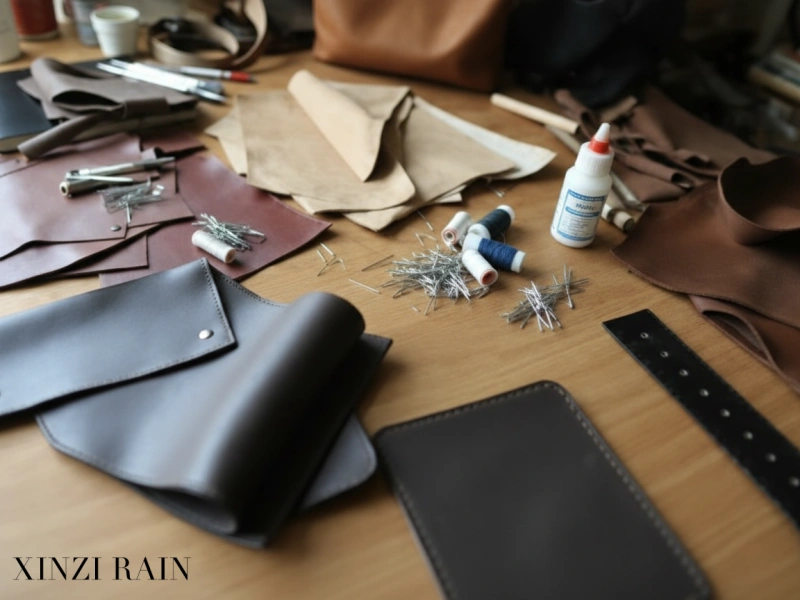
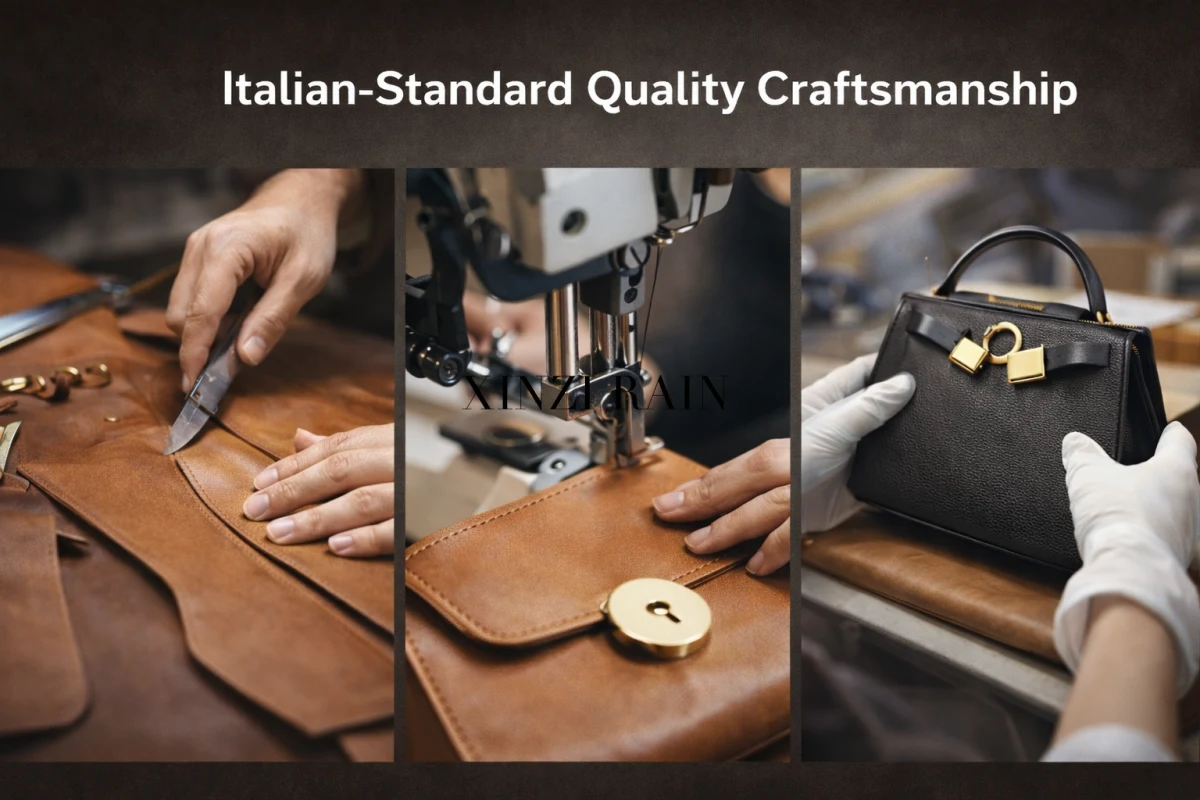
Leather Bag Craftsmanship: From Concept to Finished Product
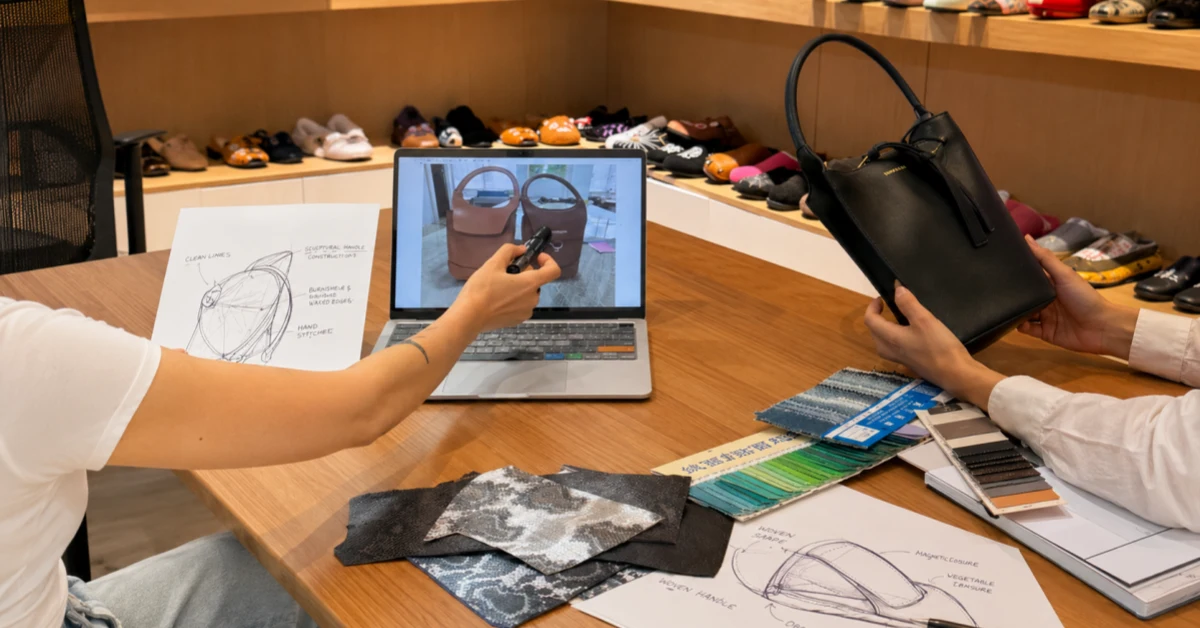
Craftsmanship is where design vision meets technical execution. Professional leather bag manufacturing typically follows a structured development process.
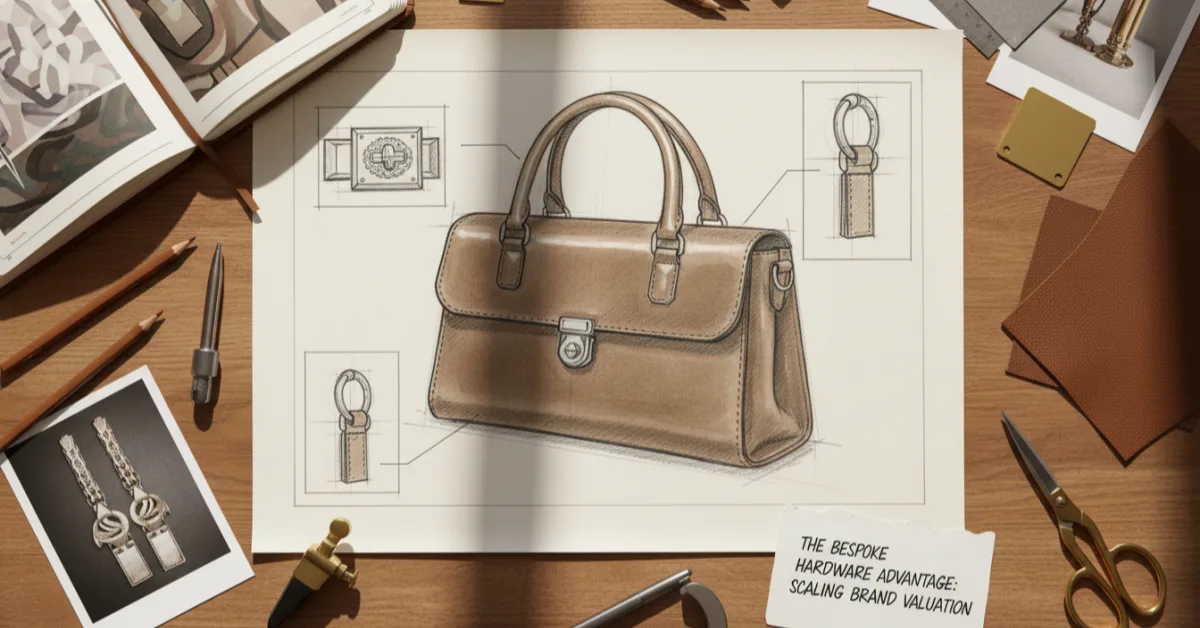
Design & Technical Development
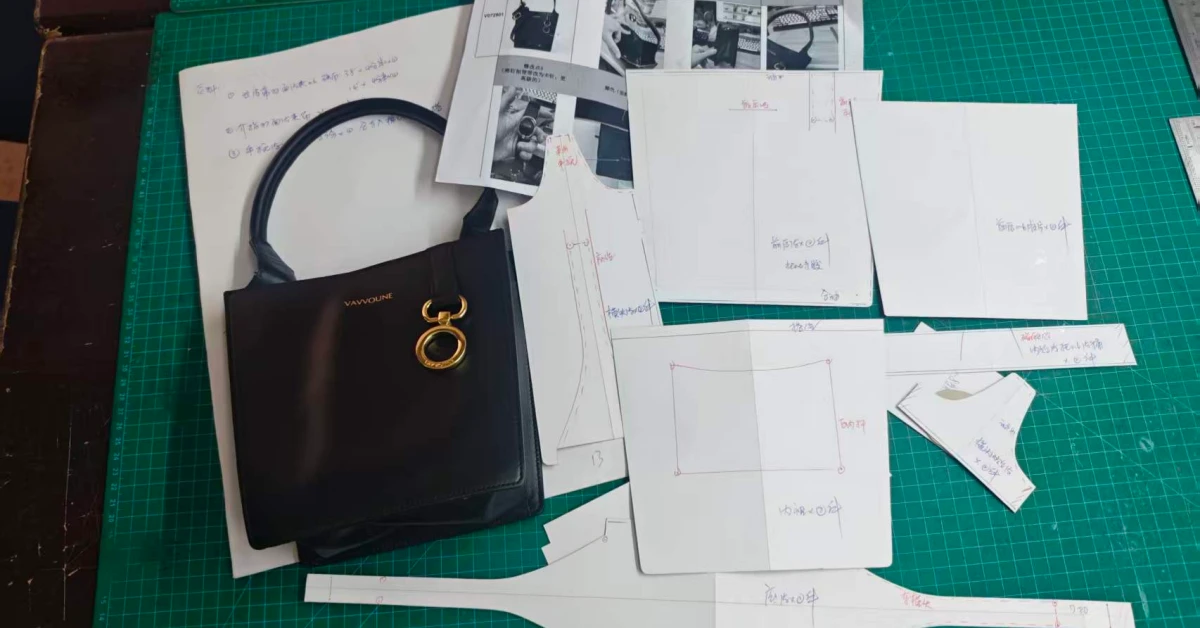
Before production begins, designs are translated into technical specifications.
-
Pattern engineering and structure optimization
-
Capacity, weight balance, and reinforcement planning
-
Functional testing for straps, handles, and closures
This stage ensures the bag is manufacturable, durable, and commercially viable.
Material & Hardware Selection
Leather quality alone is not enough. Hardware and accessories must align with the brand’s positioning.
-
Custom metal fittings and closures
-
Strap attachments and reinforcements
-
Interior lining and functional compartments
Consistency across suppliers is essential to maintain quality standards.
Sampling & Prototyping
Sampling bridges the gap between concept and mass production.
-
Multiple sample rounds for refinement
-
Adjustments to proportions, stitching, and finishing
-
Cost optimization without compromising performance
Effective prototyping reduces risks before bulk orders.
Mass Production & Quality Control
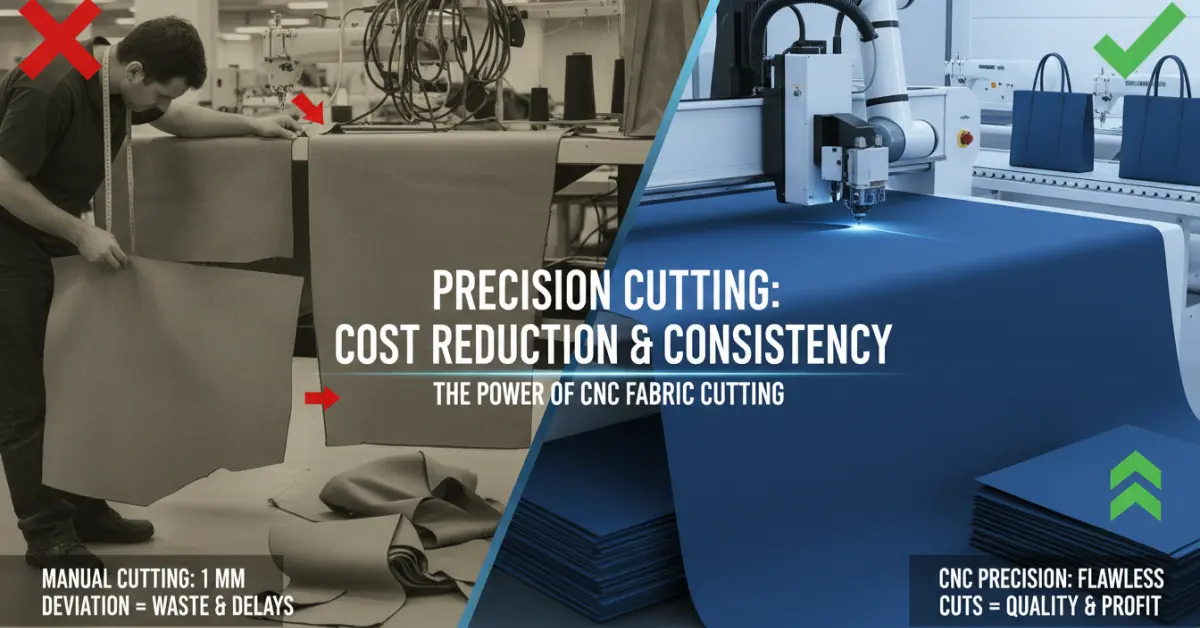
In full-scale production, precision and repeatability are key.
-
In-line quality inspections
-
Stitching accuracy and edge finishing checks
-
Final product consistency across quantities
A structured QC system protects both brand reputation and long-term partnerships.
Customization Options for Leather Bags (OEM & Private Label)
Customization is no longer an optional add-on—it is central to brand differentiation.
Common customization options include:
-
Bag shape, size, and internal layout
-
Leather color, texture, and surface finish
-
Logo applications: embossing, debossing, metal logos, lining prints
-
Custom hardware and exclusive fittings
-
Branded packaging and unboxing solutions
For brands, effective customization must be integrated into the manufacturing process from the earliest stages, not added at the end.
How to Choose the Right Leather Bag Manufacturer
Selecting a manufacturing partner directly impacts product success. Buyers should evaluate factories based on:
-
Category specialization and technical experience
-
MOQ flexibility and sampling capability
-
Communication efficiency during development
-
Quality control systems and compliance standards
-
Ability to scale with brand growth
A reliable manufacturer functions as a long-term development partner, not just a production vendor.
Leather Bags for Different Markets & Brand Positioning
Leather bags adapt well across diverse markets:
-
Luxury & premium brands: focus on materials, detailing, and craftsmanship
-
Emerging designer brands: prioritize flexibility, lower MOQs, and guidance
-
Middle East boutiques: demand refined aesthetics and strong branding presence
-
Europe & North America private labels: emphasize compliance, consistency, and scalability
Understanding the target market informs material selection and production strategy.
Why Leather Bags Remain a Long-Term Investment for Brands
Despite evolving trends, leather bags continue to offer:
-
Stable global demand
-
High perceived value across price segments
-
Strong storytelling potential
-
Scalability from limited drops to full collections
For many brands, leather bags form the foundation of sustainable, long-term product lines.
From Design Idea to Market-Ready Leather Bags
Turning a concept into a successful leather bag requires more than creative vision. It demands technical expertise, material knowledge, and a manufacturing process built around customization and quality control.
Brands that approach leather bag development strategically—partnering with experienced manufacturers and planning for growth—are best positioned to succeed in competitive global markets.
FAQ
1: What materials are commonly used in leather bags?
Leather bags are typically made from full-grain leather, top-grain leather, suede, nubuck, and increasingly, vegan or sustainable leather alternatives. Each material offers different durability, texture, and pricing advantages depending on brand positioning.
2: What is the difference between OEM and private label leather bags?
OEM leather bags are manufactured based on a brand’s original design, while private label bags use existing structures with customized branding, materials, or finishes. Both models support brand differentiation at different development stages.
3: How long does leather bag manufacturing take?
Leather bag production timelines vary by design complexity and order quantity. Sampling usually takes 2–4 weeks, while bulk production typically requires 30–45 days after sample approval.
4: What customization options are available for leather bags?
Customization may include bag shape, size, leather type, colors, logo applications, hardware, lining, and packaging. Advanced manufacturers integrate customization during early development to ensure quality and consistency.
5: Are leather bags suitable for sustainable or eco-conscious brands?
Yes. Many manufacturers now offer vegetable-tanned leather, recycled materials, and certified vegan leather options, supporting sustainable brand positioning without sacrificing design or durability.