
Introduction: Why Choosing the Right Handbag Manufacturer Matters
For fashion brands, retailers, and distributors, selecting the right handbag manufacturer is one of the most critical decisions in the product development process. The manufacturer you partner with will directly affect product quality, production timelines, and, ultimately, your brand's reputation in the market.
In today’s global supply chain, thousands of bag factories offer OEM and ODM manufacturing services. However, not every factory has the experience, quality control systems, and development capabilities required to support a growing brand.
A reliable handbag manufacturer does more than produce bags. The right partner can help refine your design, recommend suitable materials, improve structural durability, and ensure your products meet international safety standards.
This guide explains how to evaluate handbag manufacturers and choose a reliable partner for long-term production.
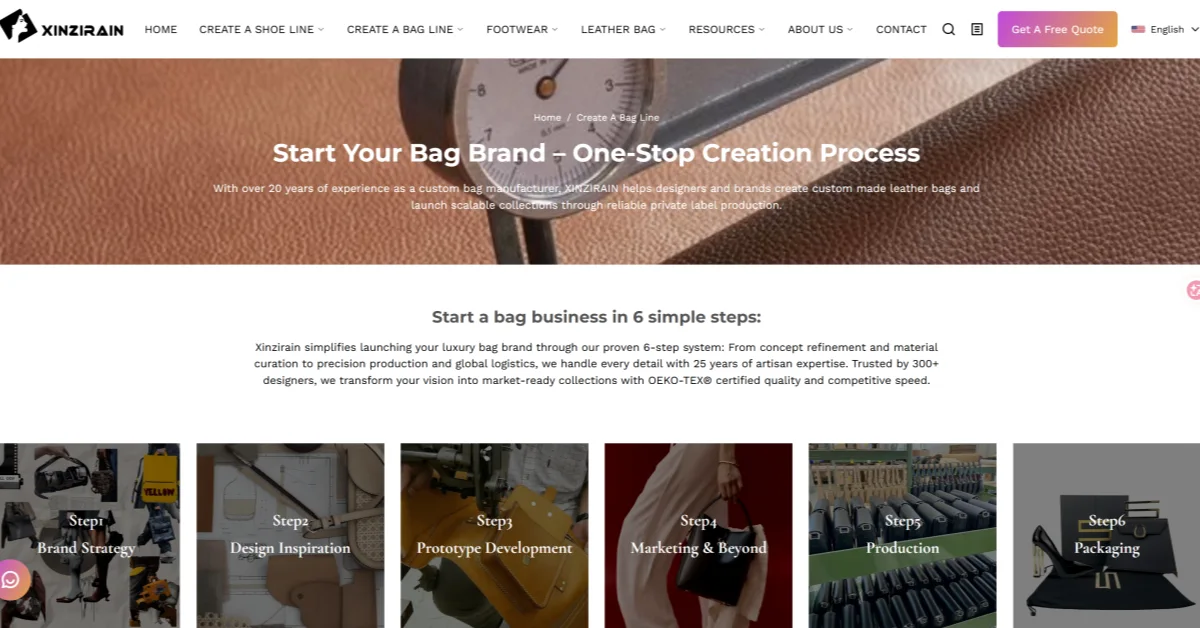
Step-by-Step Process to Evaluate a Handbag Manufacturer
Step 1: Define Your Product Requirements
Before contacting manufacturers, brands should clearly define their product goals. This helps manufacturers provide accurate quotations and improves communication during development.
Key details to prepare include:
• Type of bag (handbag, tote bag, backpack, travel bag, wallet)
• Target material (genuine leather, vegan leather, canvas, nylon)
• Estimated order volume
• Target retail price range
• Customization requirements such as logos, lining, and packaging
Having these details ready allows manufacturers to understand your project quickly and suggest appropriate production solutions.
Step 2: Identify Manufacturers with Relevant Experience
Not all bag manufacturers specialize in the same products. Some factories focus on luxury leather handbags, while others specialize in casual canvas bags or travel accessories.
When evaluating manufacturers, consider:
• Years of handbag manufacturing experience
• Product categories they specialize in
• Examples of previous projects
• Ability to produce similar styles to your design
Factories with extensive experience in handbag production usually have stronger craftsmanship skills and more stable production systems.
Step 3: Review Product Development and Sampling Capabilities
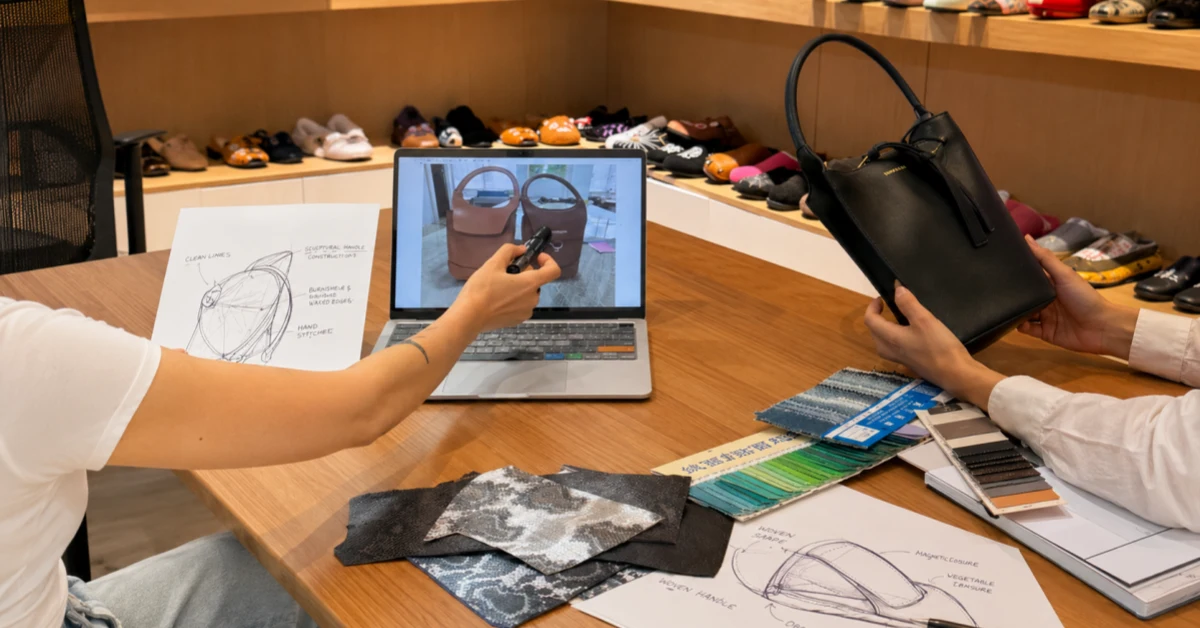
Sampling is one of the most important stages in handbag manufacturing. It allows brands to evaluate construction quality, materials, and structural details before mass production begins.
Professional handbag manufacturers typically offer:
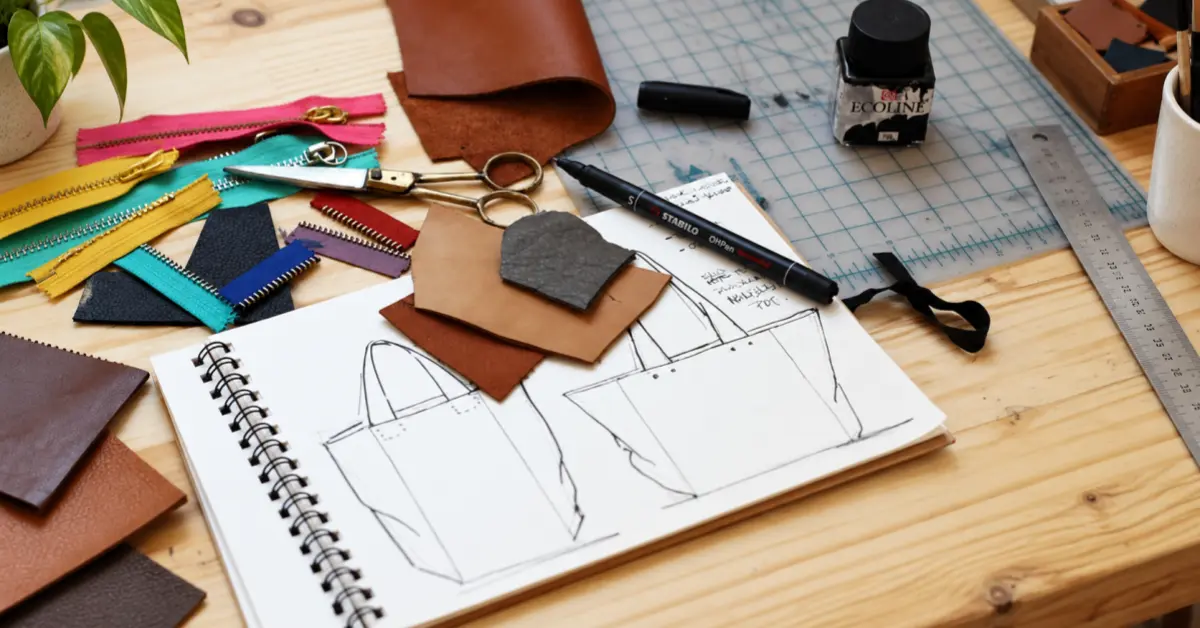
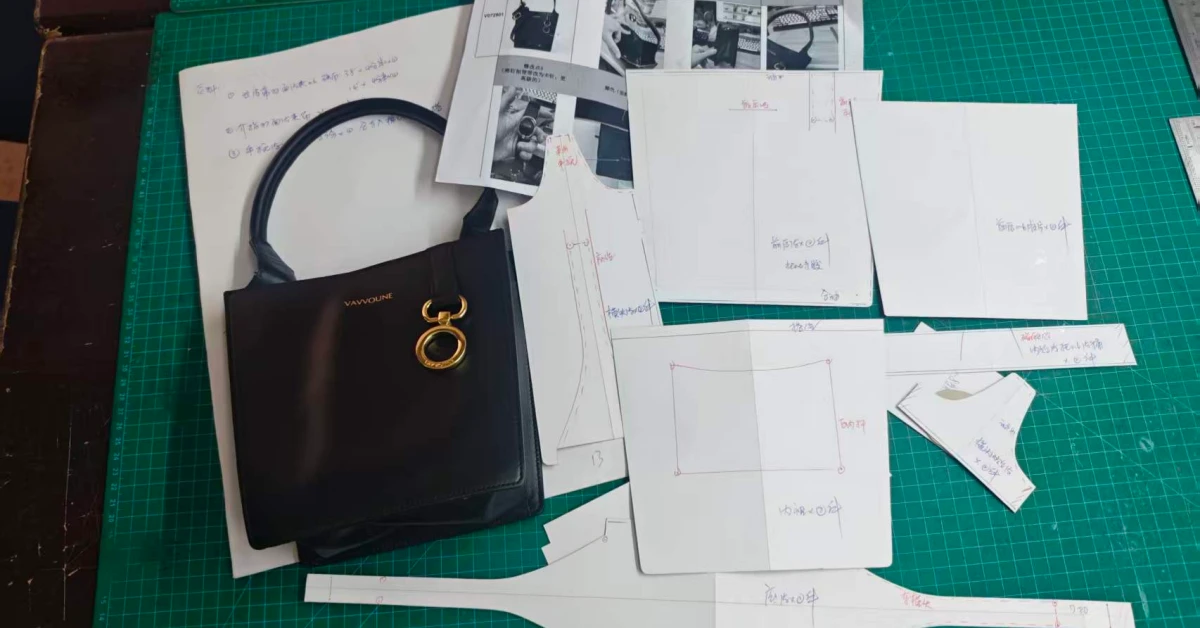
• Sample development from sketches or tech packs
• Material sourcing support
• Structural adjustments for durability and cost efficiency
• Multiple sample revisions if needed
Factories with strong development teams can help brands refine designs and avoid production issues later.
Step 4: Evaluate Production Capacity and Lead Time
Production capacity determines whether a manufacturer can support your brand as demand grows.
Reliable manufacturers provide clear timelines for both sampling and production.
| Production Stage | Typical Timeline |
|---|---|
| Sample development | 10–15 days |
| Sample revisions | 7–10 days |
| Mass production | 30–45 days |
| Final quality inspection | 2–5 days |
These timelines may vary depending on order quantity, material sourcing, and product complexity.
Step 5: Confirm Quality Control Systems
Quality control is essential when working with manufacturers. Without a structured inspection system, product consistency can become a major issue.
Professional handbag manufacturers usually follow a multi-stage quality control process.
Typical quality control procedures include:
• Raw material inspection before production
• In-line inspection during production
• Final product inspection before packaging
• Random checks before shipment
Factories that follow structured quality control systems can significantly reduce production risks.
Key Factors When Choosing a Handbag Manufacturer
When comparing different manufacturers, several factors are especially important.
Manufacturing Experience
Factories with long-term experience in handbag production understand construction techniques, stitching methods, and material behavior. This experience helps ensure durable products and efficient production.
Product Development Capability
A strong development team can review your design, suggest improvements, and recommend suitable materials or construction methods.
Material Supply Chain
Reliable manufacturers usually maintain stable relationships with leather suppliers, hardware producers, and accessory manufacturers. This ensures consistent material quality and stable production schedules.
Production Capacity
Manufacturers should be able to scale production as your brand grows. Factories with organized production lines and trained workers are better prepared for larger orders.
Communication and Transparency
Clear communication is often the difference between a smooth production process and repeated delays. Reliable manufacturers provide clear quotations, timelines, and production updates.
Minimum Order Quantity (MOQ) Explained
Minimum order quantities vary widely across manufacturers. Understanding typical MOQ levels helps brands identify factories that match their production scale.
| Manufacturer Type | Typical MOQ |
|---|---|
| Large factories | 300–1000 pieces per design |
| Medium OEM factories | 100–300 pieces per design |
| Flexible manufacturers | 50–100 pieces per design |
MOQ depends on several factors, including materials, hardware customization, and production complexity.
Many experienced OEM handbag manufacturers now offer more flexible MOQ options to support emerging brands and small-batch collections.
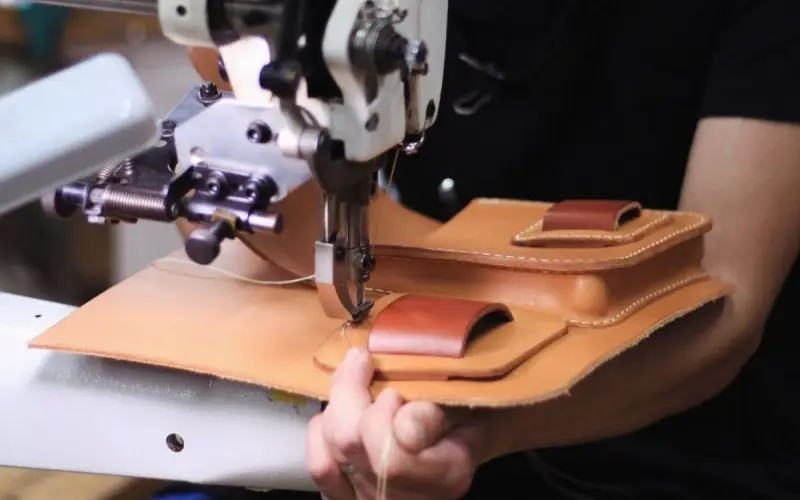
Common Red Flags When Choosing a Bag Manufacturer
While evaluating manufacturers, brands should also watch for warning signs that may indicate unreliable partners.
Common red flags include:
• Extremely low pricing without explanation
• Unclear sampling process
• Poor communication or delayed responses
• Lack of production photos or factory information
• No clear quality control procedures
These issues can lead to production delays, inconsistent quality, or communication problems during manufacturing.
Handbag Manufacturer Evaluation Checklist
Before starting cooperation with a manufacturer, brands should confirm several key factors.
A reliable handbag manufacturer should provide:
• Clear MOQ policy
• Sample development capability
• Stable material supply chain
• Defined quality control process
• Export experience for international markets
• Compliance with safety standards such as REACH or Prop 65
Evaluating these factors helps brands avoid production risks and build a stable long-term partnership.
Questions to Ask Before Working with a Manufacturer
Before placing an order, it is helpful to ask manufacturers several practical questions.
• What is your minimum order quantity per design?
• How long does sample development take?
• What materials do you specialize in?
• Do you support custom logos and branding?
• What quality control procedures do you follow?
• Do you have experience exporting to Europe or North America?
The answers to these questions can reveal whether the manufacturer is suitable for your brand’s production needs.
Benefits of Working with an Experienced OEM Handbag Manufacturer
Partnering with an experienced handbag manufacturer provides several advantages for fashion brands.
Professional manufacturers can help:
• Improve product development efficiency
• Optimize material selection and construction methods
• Maintain consistent quality across production batches
• Reduce production risks
• Scale production as the brand grows
An experienced manufacturing partner often becomes an important part of the brand’s long-term supply chain.
About XINZIRAIN Handbag Manufacturing
XINZIRAIN is a professional handbag manufacturer providing OEM and ODM manufacturing solutions for fashion brands, retailers, and distributors worldwide.
With more than 15 years of manufacturing experience and a mature supply chain, our team supports clients through the entire production process, including design consultation, material sourcing, sample development, mass production, and global logistics.
We produce a wide range of products, including handbags, tote bags, crossbody bags, backpacks, wallets, and travel bags.
Our production lead time typically ranges from 30–45 days after sample approval, with flexible minimum order quantities designed to support both established brands and growing fashion businesses.
Brands looking to develop custom handbags or launch new collections are welcome to send a tech pack or design reference to discuss development possibilities with our team.
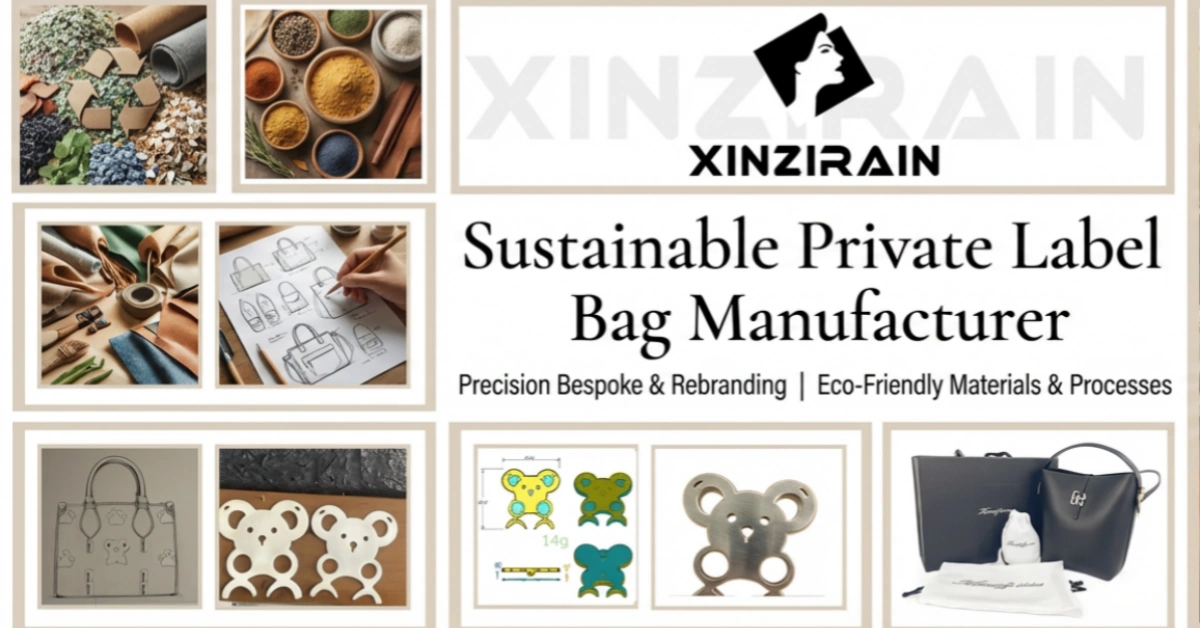
Conclusion
Choosing a reliable handbag manufacturer requires careful evaluation of experience, product development capabilities, quality control systems, and communication efficiency.
Brands should focus on partners that offer transparent production processes, stable supply chains, and strong technical support during development.
A professional manufacturing partner does more than produce handbags—it helps transform product ideas into high-quality products ready for global markets.
FAQ: Choosing a reliable handbag manufacturer
How long does it take to manufacture custom handbags
Most handbag manufacturers require approximately 10–15 days for sample development and 30–45 days for mass production after the sample is approved.
What is the typical MOQ for custom handbags?
MOQ usually ranges from 50 to 300 pieces per design, depending on the materials, hardware, and level of customization.
Can small brands work with handbag manufacturers?
Yes. Many OEM handbag manufacturers offer flexible MOQ options, allowing emerging brands to launch new collections with smaller production runs.
What materials are commonly used in handbag manufacturing
Common materials include genuine leather, vegan leather, canvas, nylon, and recycled fabrics, depending on the design and target market.