
How “soft silhouettes” from Saint Laurent to Bottega Veneta are redefining the global handbag market
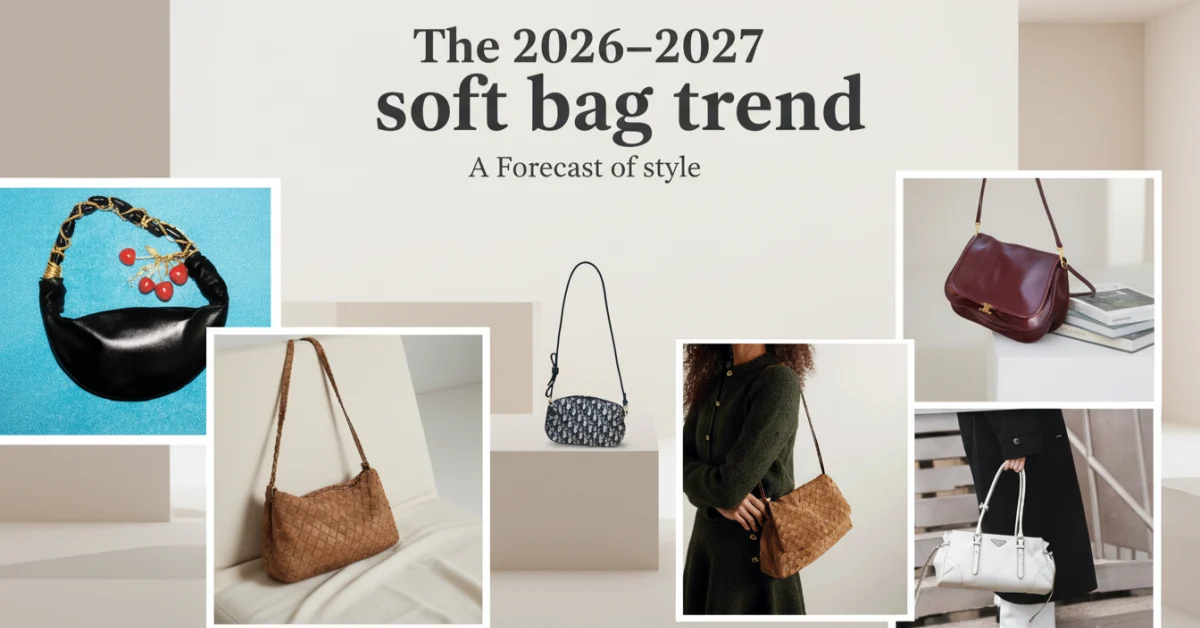
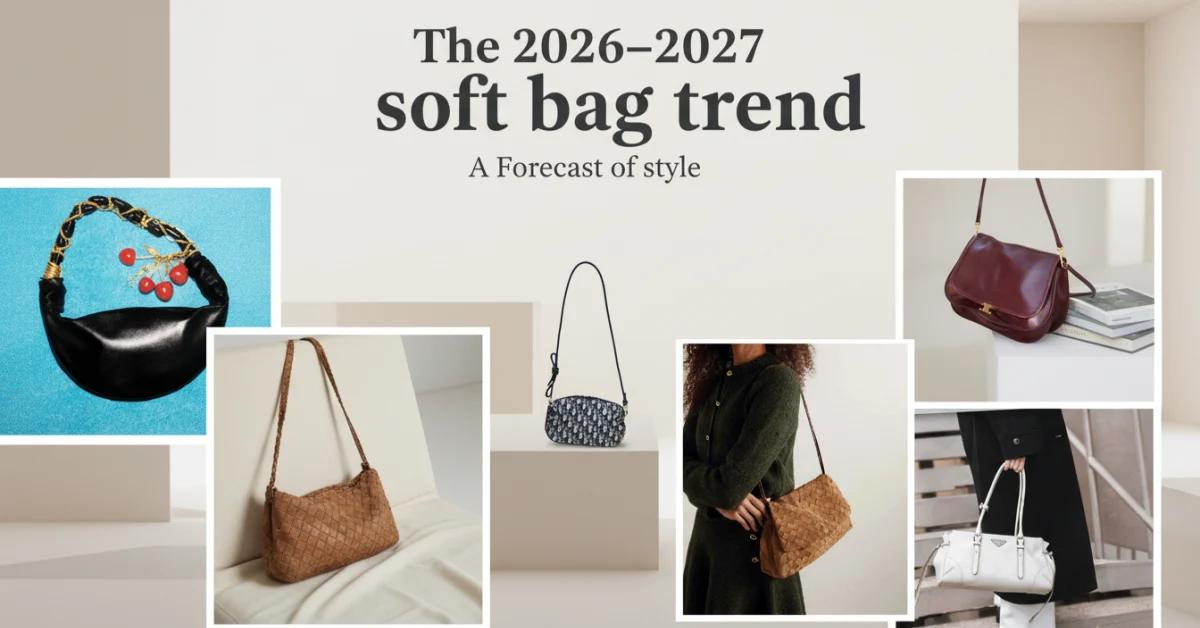
With the arrival of 2026, luxury brands and contemporary brands have reached a clear consensus: the rise of upholstered bags.
From Saint Laurent and Dior to CELINE, Gucci, Chanel, Coach, Prada, and Bottega Veneta, leading brands are reinventing their core handbag collections around relaxed, unstructured silhouettes. This shift is no aesthetic coincidence. It reflects evolving consumer psychology, material innovation, and a global demand for effortless luxury.
For brands, retailers, and private label developers planning their 2026-2027 collections, the soft tote bag trend represents a business strategy category with long-term momentum.
This report analyzes the key models, structural evolutions, material trends driving this trend, and their impact on product development for global buyers.
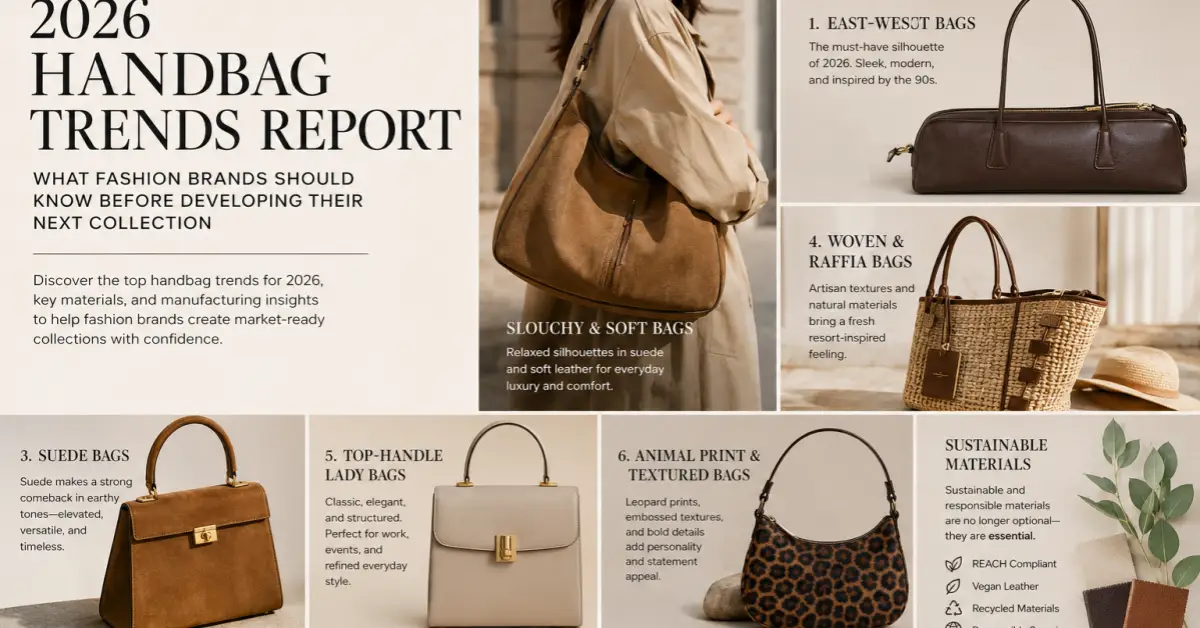
The Transformation of Upholstery—From Structured to Relaxed Luxury
Historically, structured top-handle bags and hard-box shapes have dominated luxury brand positioning. However, by 2026, major brands will be intentionally softening their iconic silhouettes.
The definition of a soft package is:
• Soft leather with a noticeable drape
• Reduce internal reinforcement
• A smooth silhouette that fits the body
• Elegant yet casual style
The emotional positioning is very clear: relaxed and confident, quiet and refined, and wearable luxury.
Brand Case Study: How Luxury Brands Interpret Softness
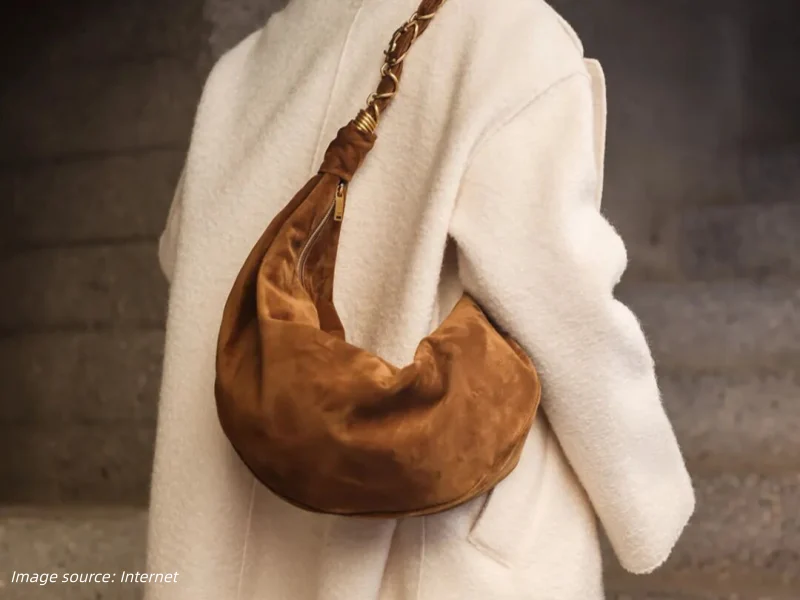
Saint Laurent – Amalia Hobo
Saint Laurent's Amalia Hobo embodies the modern soft hobo movement. The curved silhouette, suede finish, and sleek body create an effortless aesthetic, while the interwoven metal chain straps provide a structural contrast.
The clever integration of the YSL logo into the chain stores enhances the brand image without overshadowing the design.
Business advantages:
• High-capacity zipper closure
• Lightweight and portable
• Enhance day and night versatility
This model demonstrates how softness can coexist with a strong brand DNA.
Dior – Toujours, Bow Pouch and Diorly
Dior has always been at the heart of soft-pack development.
Toujours
Often considered an early pioneer of the interior design movement, Dior's Toujours balances traditional elegance with a relaxed structure. Its small, vertical size makes it especially suitable for everyday wear, and it's lightweight, versatile in carrying options, and offers ample capacity.
Bow-shaped pouch
The bow-tie pouch features an adjustable shoulder strap, offering a practical and soft feel. The bow element is more than just decorative; it allows for adjustments to the strap length, enhancing usability.
Diorly
Diorly's minimalist hobo silhouette, paired with abundant leather, exudes a more understated, suede-driven softness, while maintaining brand recognition through subtle metallic details.
Dior's continued emphasis on soft silhouettes across its collections signifies its long-term investment in this category.
CELINE – Soft Triomphe and Crystal Handbag
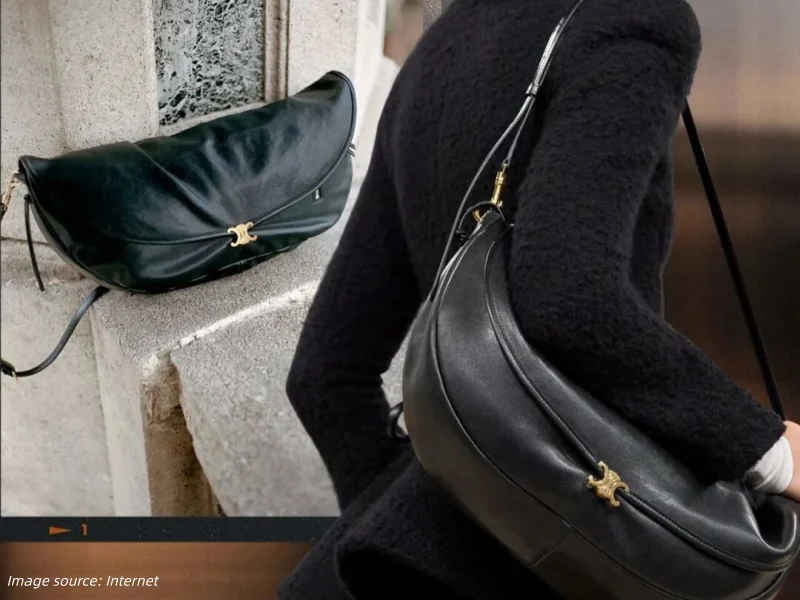
CELINE introduces a vintage-style crossbody bag in the Soft Triomphe Besace collection, crafted from exceptionally supple leather. Over time, the leather develops a patina, enhancing its emotional value and longevity.
The Halfmoon version adds a sculptural fluidity, while the crystal clutch features a drawstring, unstructured form made of soft lambskin.
CELINE demonstrates how to combine minimalist hardware with premium leather, elevating softness to refined luxury.
Gucci – Jackie 1961 and Jackie Slim
Under this new creative direction, Gucci softened the iconic Jackie 1961, introducing more flexible leather and a looser structure while retaining its traditional shape.
The Jackie Slim offers a modern interpretation of East and West, is lightweight and practical, and is typically positioned at an approachable entry-level luxury price point.
This demonstrates how to update an archival model through material and structural recalibration.
Chanel – 26S Oversized Flip Cover
Chanel introduced an oversized flap bag with a distinctly soft structure in its Spring/Summer 2026 (26S) collection.
While visually inspired by the Classic Flap, the leather appears vintage and supple, reducing stiffness and enhancing wearing comfort.
This design reflects the trend of even icons with historical structures becoming softer.
Coach - Chelsea
Coach's Chelsea provides a commercial interpretation of the upholstery trend.
This model is available in two sizes and in both smooth leather and suede, balancing a casual design with everyday practicality, including a larger version with laptop capacity.
This proves that the scalability of this trend extends beyond luxury brands.
Prada – Soft Bonnie
Prada has expanded its Soft line with the Soft Bonnie. The east-west silhouette remains recognizable, but the rounded shape and vintage-style leather bring a more relaxed aesthetic.
This material shift reduces clarity but enhances everyday durability.
Bottega Veneta – Giorno (Suede Version)
Bottega Veneta's Giorno suede blends softness with the brand's signature Intrecciato weave. The design maintains the brand's identity while emphasizing tactile warmth and fluid form.
This combination of craftsmanship and softness makes this handbag both trendy and traditional.
Why will soft-pack materials dominate in 2026-2027?
Lifestyle-driven elegance
Consumers are now prioritizing versatility and comfort. Soft handbags easily complement tailored, denim, and minimalist wardrobes, increasing their daily use.
Weight and comfort
Reducing reinforcement lowers overall weight. The soft silhouette conforms to the body, improving shoulder comfort.
Material-centric storytelling
With no rigid panels dominating the design, the quality of the leather becomes the main visual and tactile focus.
High-performance materials include:
• Suede and nubuck
• Lambskin
• Soft grain calfskin
• Washed cowhide
• Premium vegan leather alternative (REACH compliant)
Impact on brand manufacturing
Developing soft handbags requires different technical expertise compared to rigid-structure handbags.
Key points to note during production:
• Balanced pattern engineering to prevent excessive collapse
• Reinforced stress stitching
• Lightweight lining options
• Flexible edge processing
• Optimized band load distribution
The soft silhouette requires careful calibration to maintain shape retention while preserving fluidity.
For brands entering the upholstered furniture sector, manufacturing expertise directly impacts durability and a sense of luxury.
2027 Market Outlook
The soft handbag movement is not a fleeting seasonal trend. It reflects a broader structural shift:
• Post-structured luxury aesthetics
• Appreciation of tactile materials
• Comfort-first design philosophy
• Increased interest in suede finishes
• Neutral and dark brown tones are becoming dominant.
For the 2027 collection, the brand should:
-
Invest in high-quality, soft materials.
-
Develop medium-sized everyday carry options.
-
Ensure secure closure (zipper or magnetic).
-
Balancing flexibility with long-term structural performance.
Transforming soft trends into scalable production
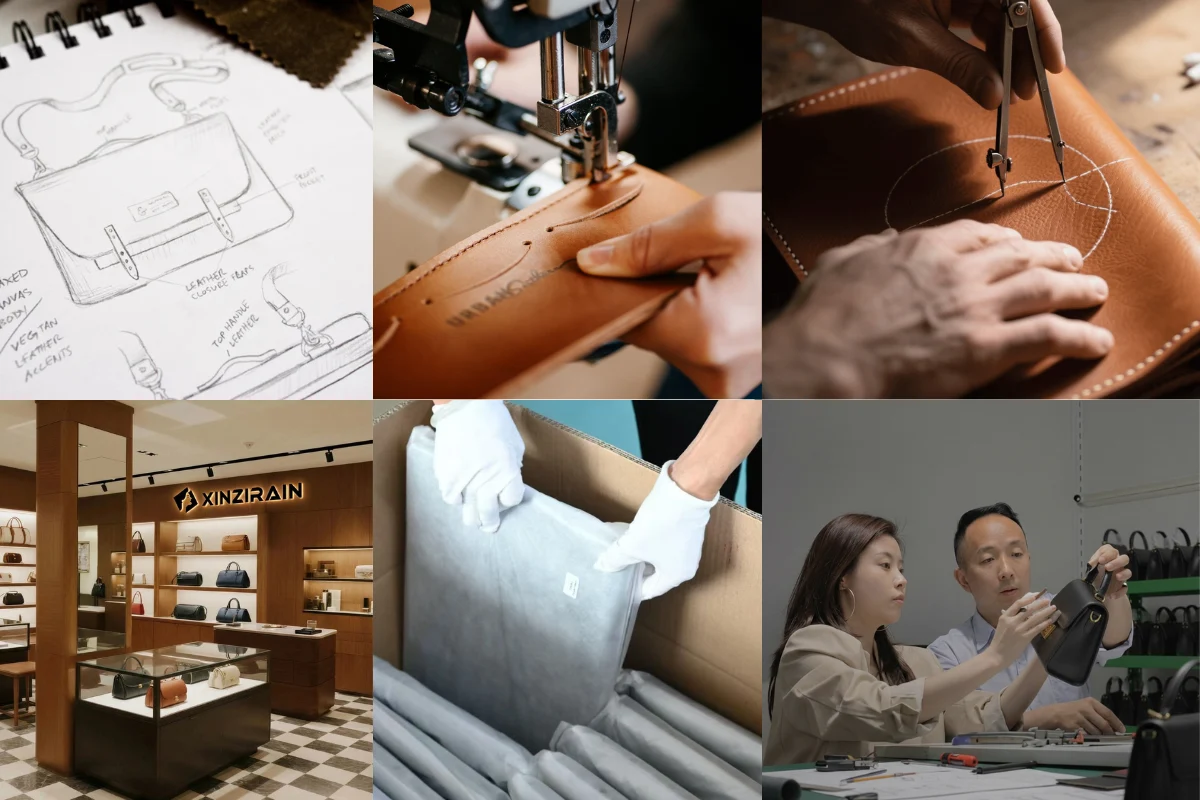
For global brands and retailers planning to launch soft handbags in 2026-2027, development strategy is just as important as design direction.
At XINZIRAIN, we support soft contour development:
• Suede, lambskin and pebbled leather sourcing network
• REACH and Proposal 65 compliance materials
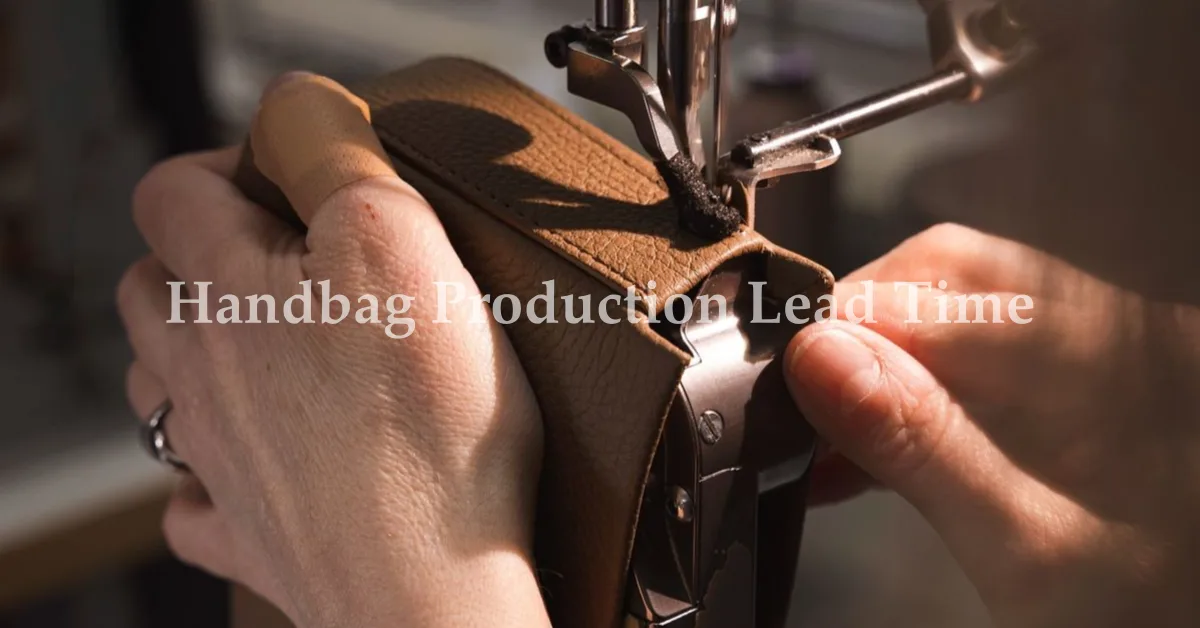
• 30–45 day sampling and production schedule
• Flexible minimum order quantity branding for both emerging and established businesses
• Structured Export Quality Control System
Whether your inspiration comes from Saint Laurent's vagrant interpretation, Dior's effortless elegance, CELINE's refined minimalism, Gucci's classic refresh, Chanel's soft logo, Prada's material experimentation, Coach's commercial accessibility, or Bottega Veneta's tactile craftsmanship—we help translate trend directions into scalable manufacturing.
If you are developing a soft tote bag collection for 2026-2027 :
Send your technology package.
Consultation on booking materials.
Or you can contact our development team directly.