

Can I validate the bag concept before I spend heavily on development?
Is the structure, material, target price and customer positioning commercially realistic before sampling begins?
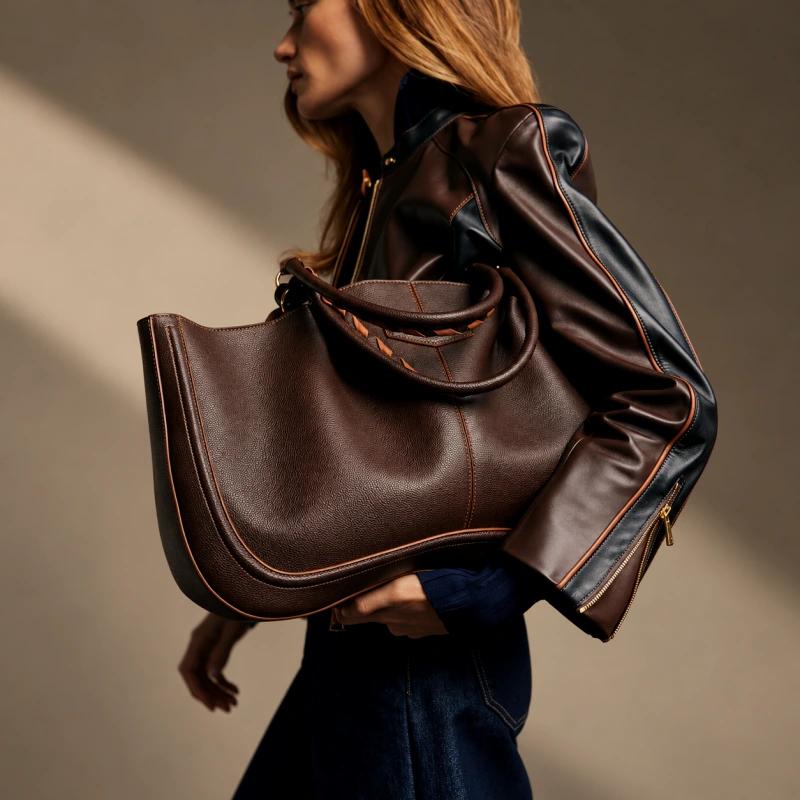
Custom Bag Brand Launch Partner
Bagsrain helps fashion brands move from an early handbag idea to a controlled sample, a commercially planned first order, and a repeatable product system built for long-term growth.
Backed by 25+ years of footwear-to-bag manufacturing heritage.
From Manufacturing to Business Enablement
A successful handbag launch is not just a production task. It is a sequence of business decisions: what to make, how to make it faithfully, how much to order, how to protect margin, and how to reproduce the winning product when demand grows.
Our role is to move those decisions forward before they become expensive problems—combining custom bag development, private label manufacturing, launch planning and supply-chain continuity in one operating path.
The Questions Behind Better Sourcing
The biggest sourcing risks usually appear before bulk production—not after it. These are the questions our four-stage launch system is designed to resolve.
Is the structure, material, target price and customer positioning commercially realistic before sampling begins?
How are dimensions, pattern, structure, hardware, branding, material and revisions controlled instead of being lost in chat messages?
What quantity, landed cost, price architecture, packaging, QC and delivery plan make the launch commercially manageable?
Can the approved standard be reproduced, reordered and extended into new colors, styles and categories without losing quality?
The Four-Stage Brand Launch Path
Each stage has a different job. Together, they turn product development into a clearer commercial decision path.
Validate direction, feasibility, target customer and cost guardrails.
Turn the design into a visible, controlled and approvable physical standard.
Connect the approved sample to cost, margin, production and launch readiness.
Make quality, reorders and collection expansion easier to repeat.
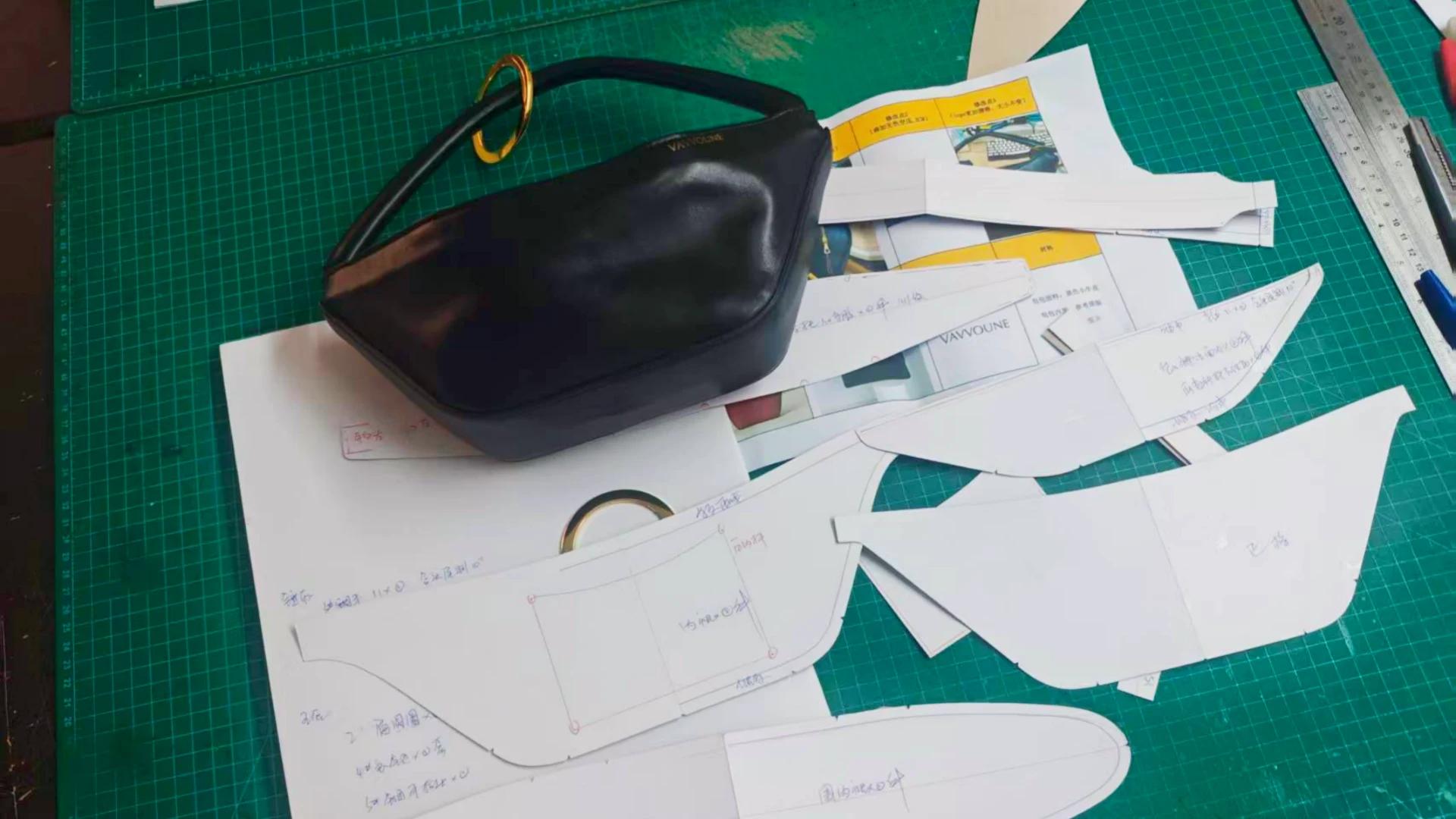
Before pattern development starts, we connect the design to the audience, selling channel and target price—then review whether structure, materials, hardware and manufacturing requirements support that position.
This stage is not about making the design generic. It is about identifying what must stay distinctive, what needs technical adjustment, and where cost or production risk could undermine the launch.
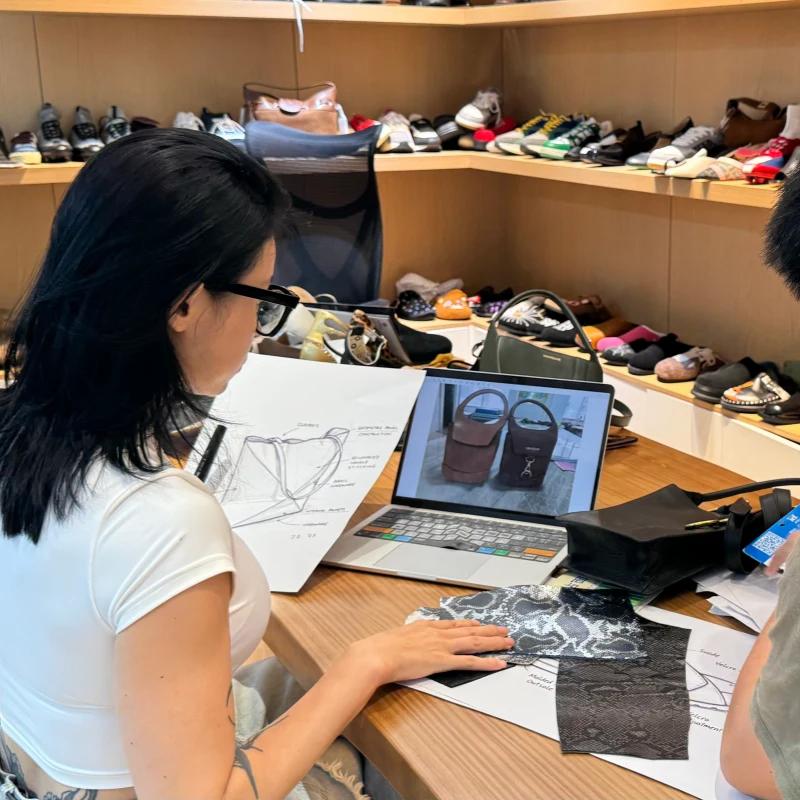
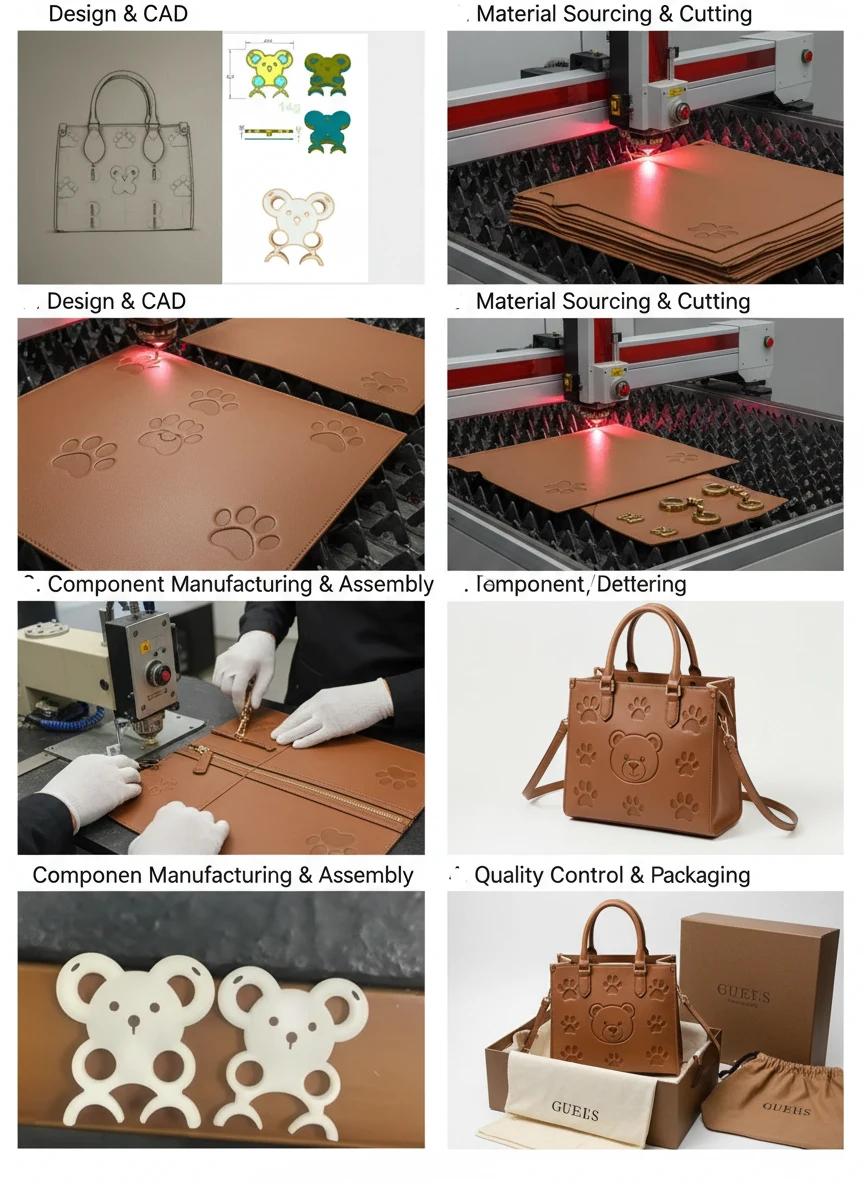
The core purpose of transparent sampling is design fidelity. We translate sketches, references or early tech materials into an executable bag-development standard, then track what is confirmed, revised and still pending.
Dimensions, pattern structure, lining, reinforcement, handles, straps, hardware, logo, edge paint, material finish and packaging requirements are treated as controlled development inputs—not informal assumptions.
| Product | Custom embossed vegan-leather tote · branded gift packaging |
|---|---|
| First batch | 50 pcs |
| Launch channel | DTC website + Instagram / pre-order support |
| Commercial item | Estimated value |
|---|---|
| Ex-factory cost / pc | $48 |
| Freight / pc | $8 |
| Landed cost / pc | $56 |
| Target retail / pc | $129 |
| Gross profit / pc | $73 |
| Gross margin | 56.6% |
| Full-batch sales / gross profit | $6,450 / $3,650 |
| Total launch cost | $2,800 ($2,400 goods + $400 freight) |
|---|---|
| Break-even target | 39 pcs / 78% sell-through |
| Units after break-even | 11 pcs |
| Bulk + QC | 30–40 days including final QC |
|---|---|
| Air freight | 5–7 days |
| Total after approval | 35–47 days incl. 5–7 day air freight |
| Payment | $1,200 deposit + $1,200 balance |
| QC focus | Embossing · structure · stitching · hardware · edge finish · packaging |
Estimated planning scenario for a 50-pc custom vegan-leather tote. Actual factory cost, freight, duties, payment fees, marketing, returns and fulfillment can change realized profitability.
After sample approval, we connect quantity, cost, margin, QC, packaging, logistics and launch preparation into one first-order decision plan.
Review the 50-pc model on the left to see the required cash, landed cost, target retail, gross margin and break-even point before committing to bulk.
While production is running, we can prepare product-page structure, photography direction, pre-launch visuals, social content and pre-order messaging.
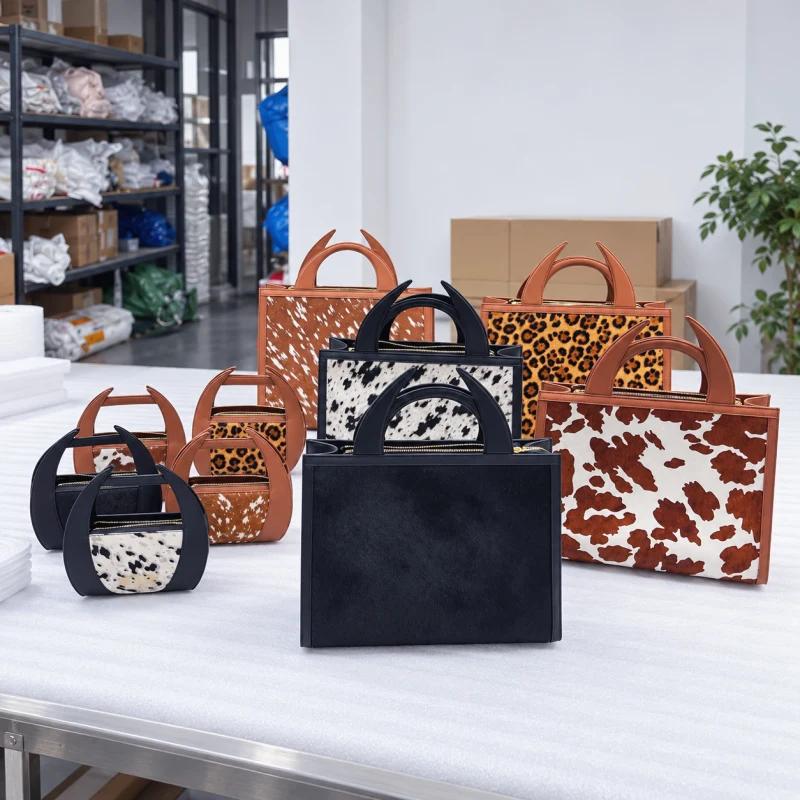
Once the market validates the product, the priority changes. The question is no longer “Can we make it?” but “Can we reproduce it consistently, reorder it efficiently, and expand the collection without losing the brand standard?”
We support repeat growth through reference-sample control, material and hardware continuity, quality checkpoints, capacity planning, packaging consistency and product-line extension—so the supply chain becomes infrastructure for growth rather than a recurring source of risk.
Real Brand Enablement Case
From product validation and launch support to SEO, social growth, repeat orders and category expansion, we helped the brand scale demand and manufacturing together.
Where the Brand Started
At the beginning of the project, the brand was still in an early validation stage. The product had potential, but the commercial system around it was not yet mature.
How We Enabled the Growth
Instead of treating the project as a one-time production order, our team kept working around the next bottleneck: product readiness, discoverability, content consistency, then supply scalability.
We helped turn the original concept into a production-ready tote, refine structure and embossing, and support the first 50-piece run as a controlled market test rather than forcing an oversized opening order.
Our team assisted with keyword research, search-intent review and keyword layout recommendations so the new website could build a more structured path for product and brand discovery.
We provided social publishing suggestions, launch angles, product-detail storytelling and content themes to help the brand communicate the product more consistently and create repeatable material for Instagram.
As traction increased, we supported repeat-order planning, production scaling and collection extension—helping the brand move beyond bags into additional footwear and headwear categories while maintaining a coherent brand direction.
The following milestones reflect the project progression shared by our team and show how brand growth and manufacturing capacity advanced together.
The value of a launch partner is not only making the first product. It is helping the brand make the next decision with more confidence—what to improve, what to publish, what to optimize, when to reorder, and when the business is ready to expand into the next category.
Growth milestones above are based on project information provided by our team for this collaboration. They are presented as historical project results, not as a guarantee of future performance.
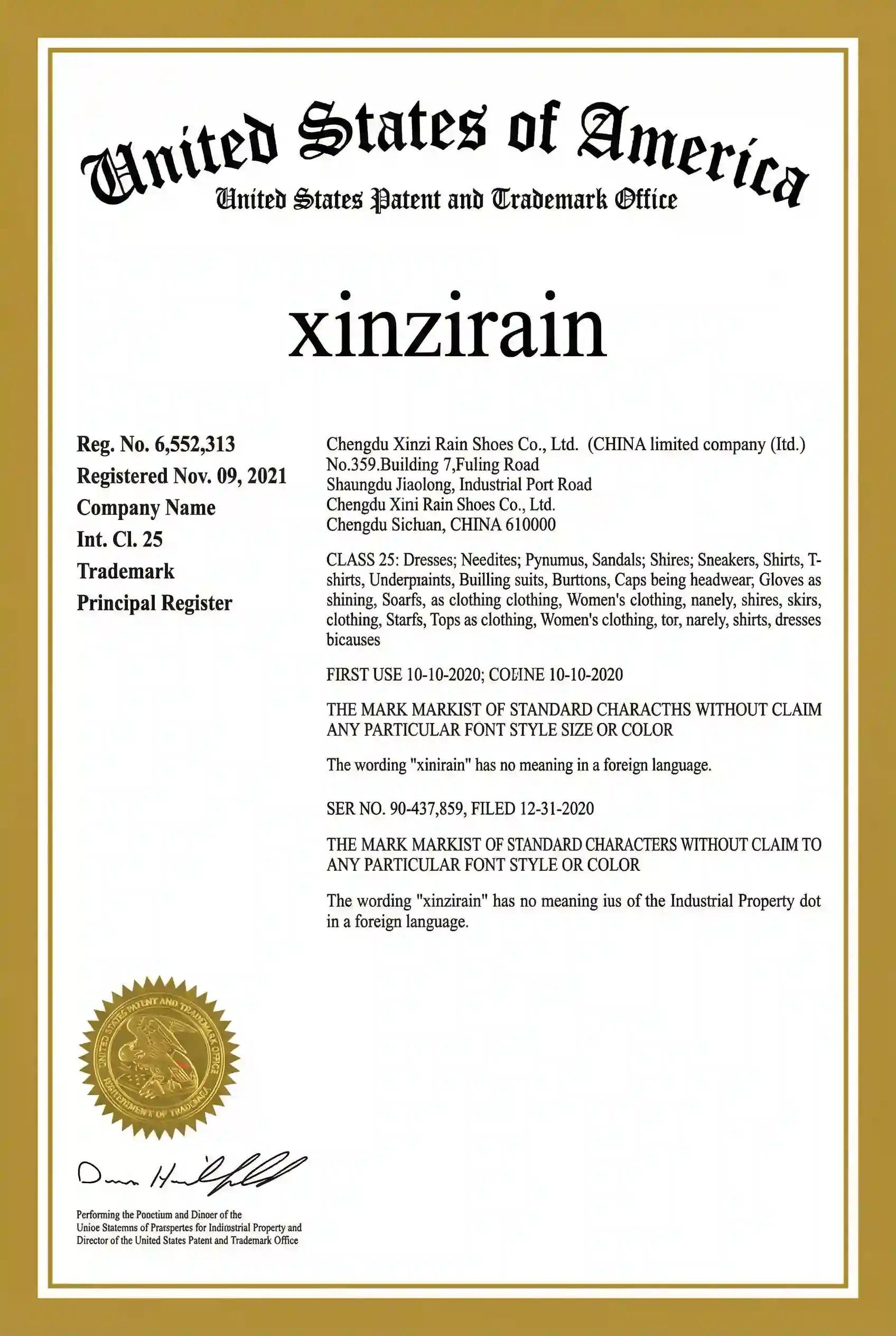
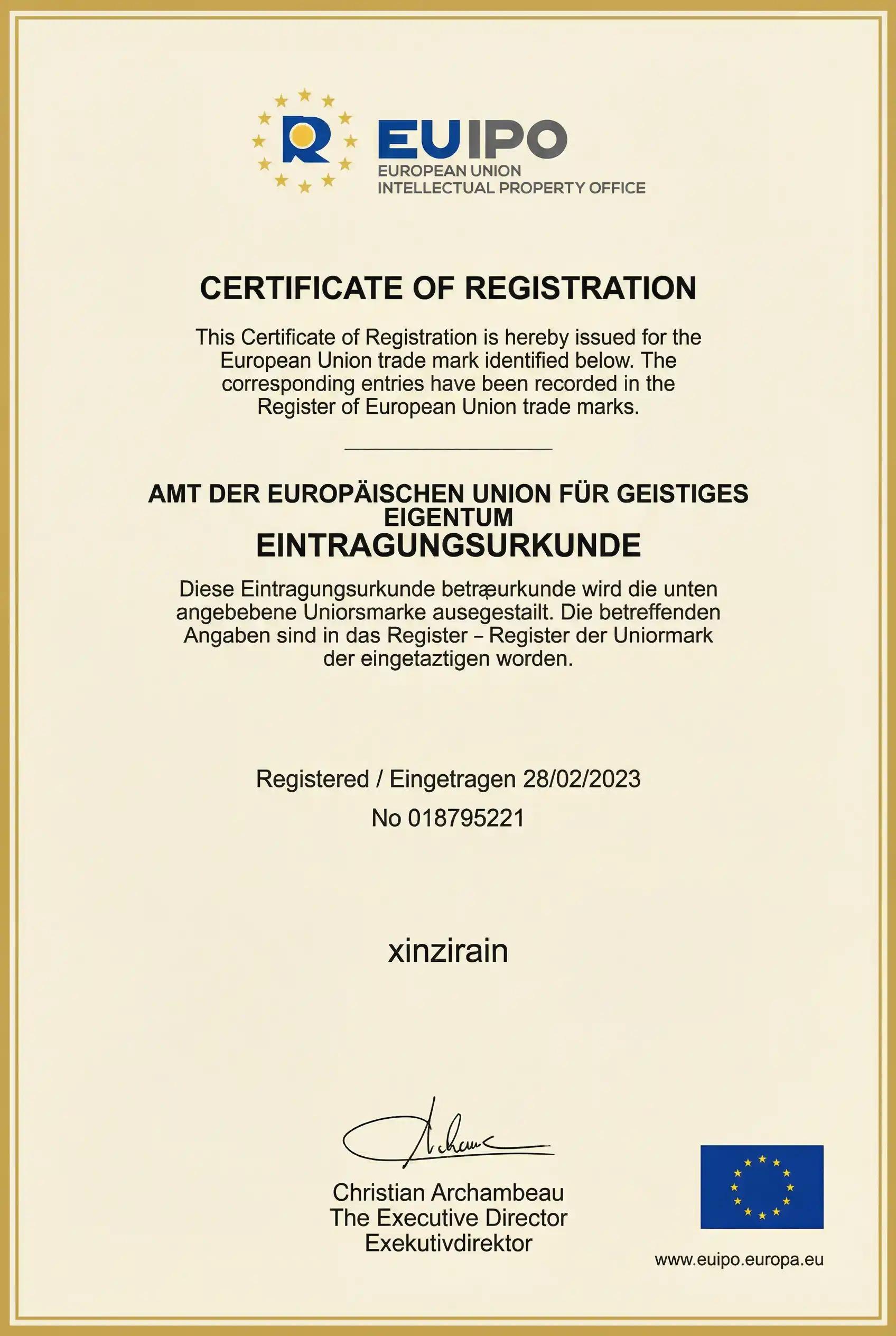
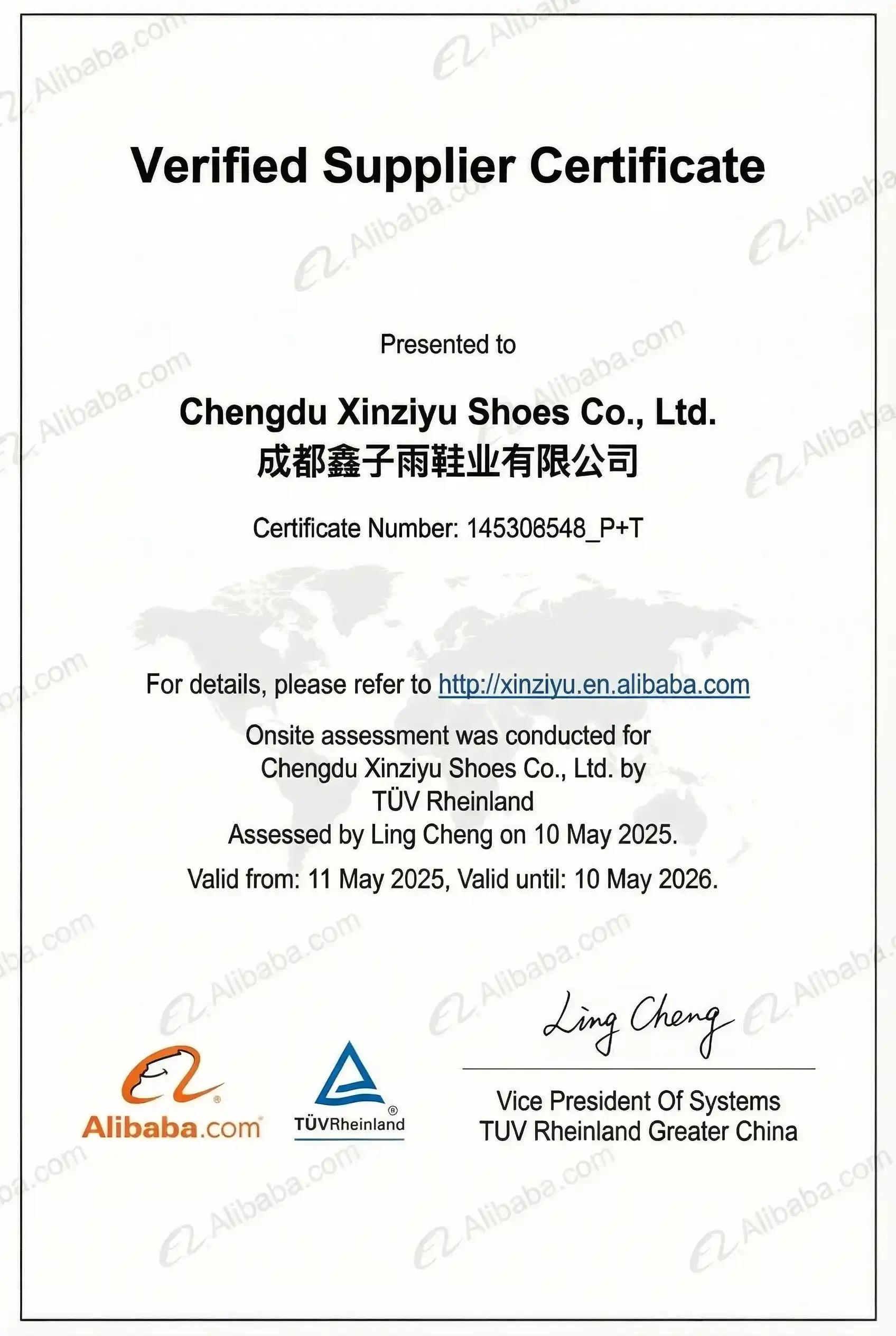
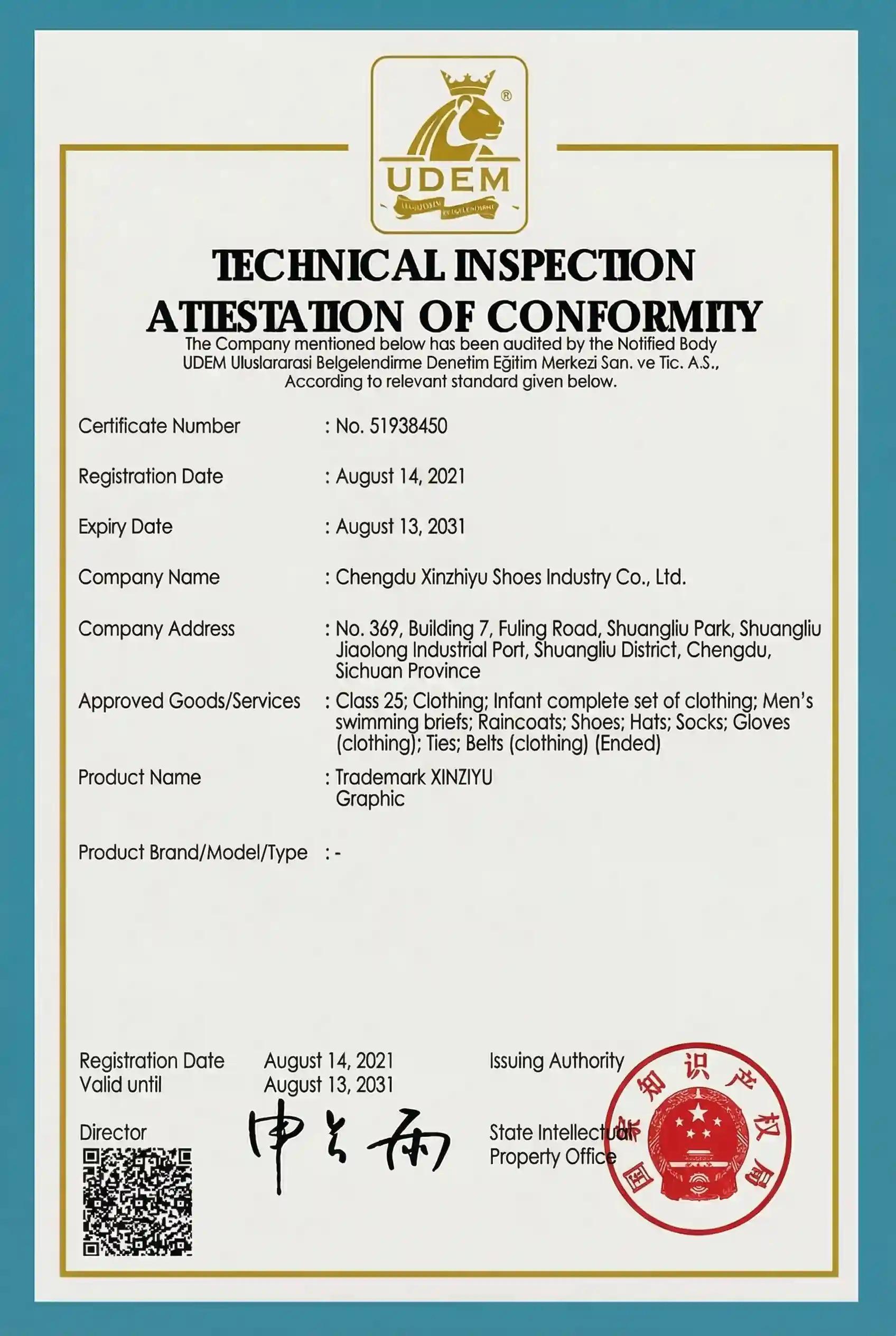
Verification & Documentation
A serious sourcing relationship should be supported by traceable company, supplier and registration documentation—not only sales claims.
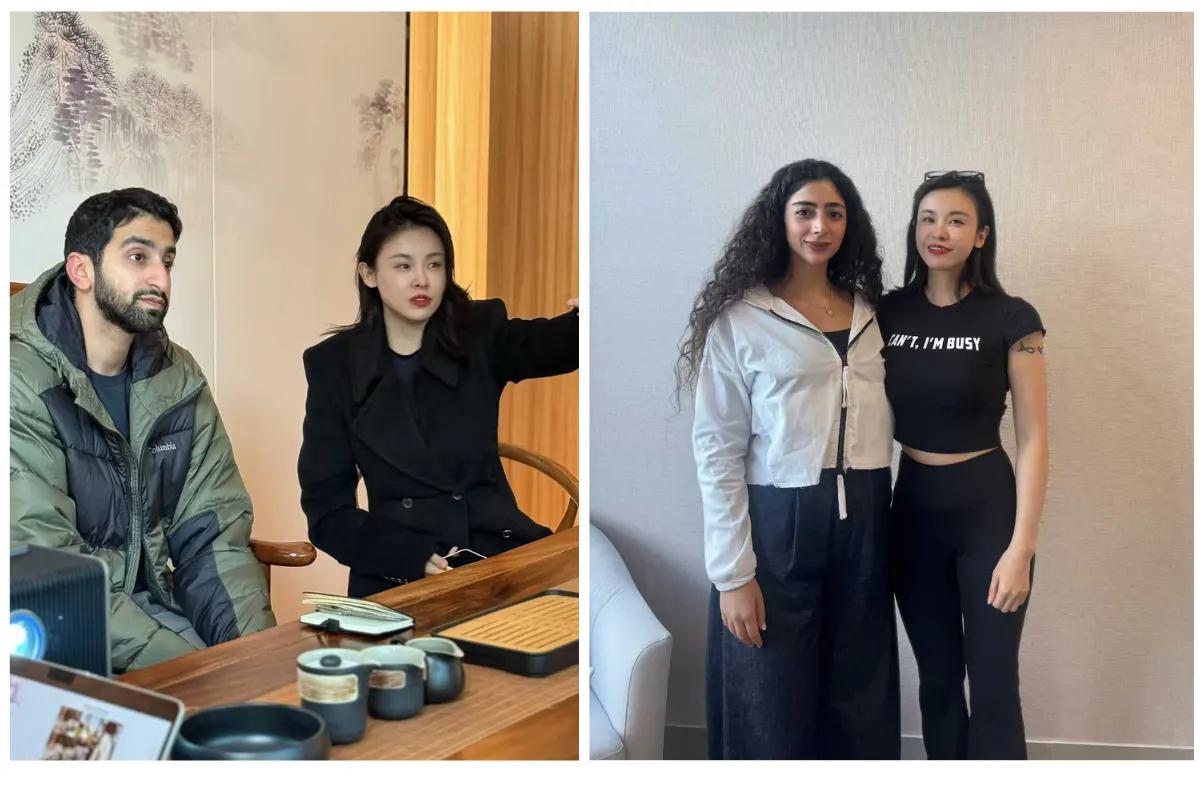
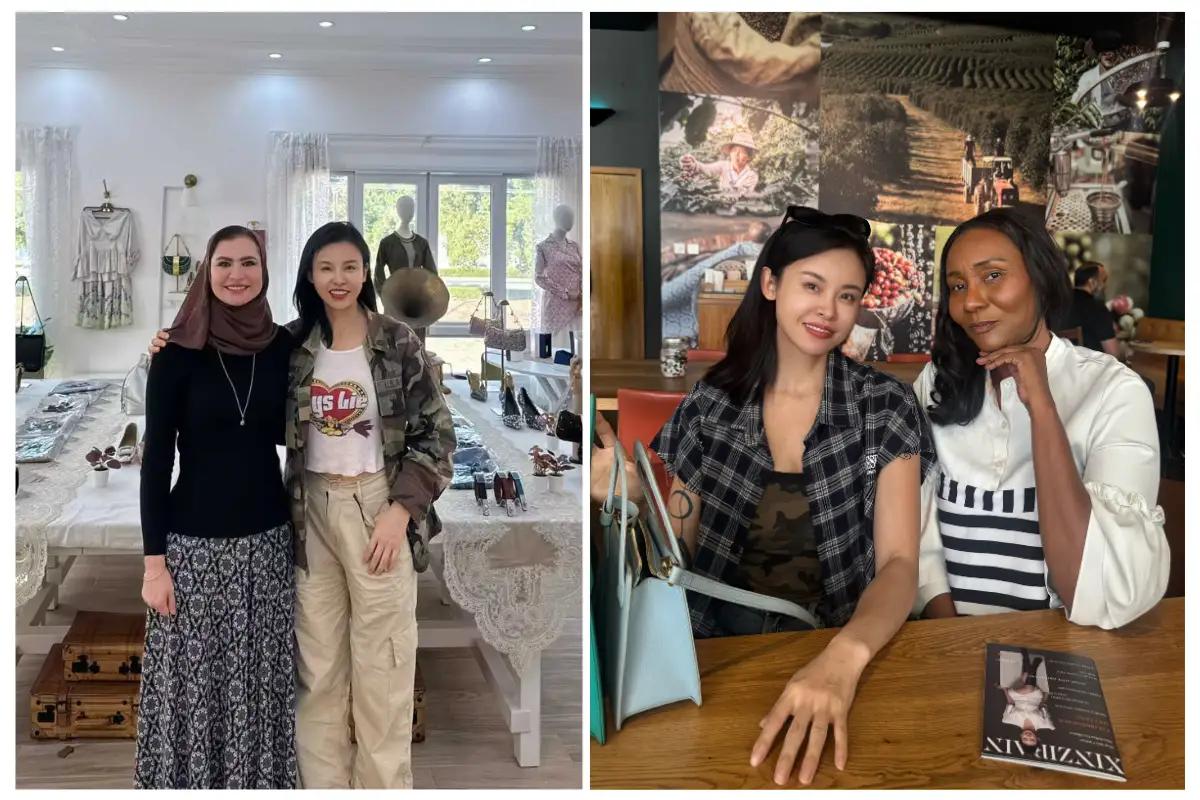
Client Partnerships
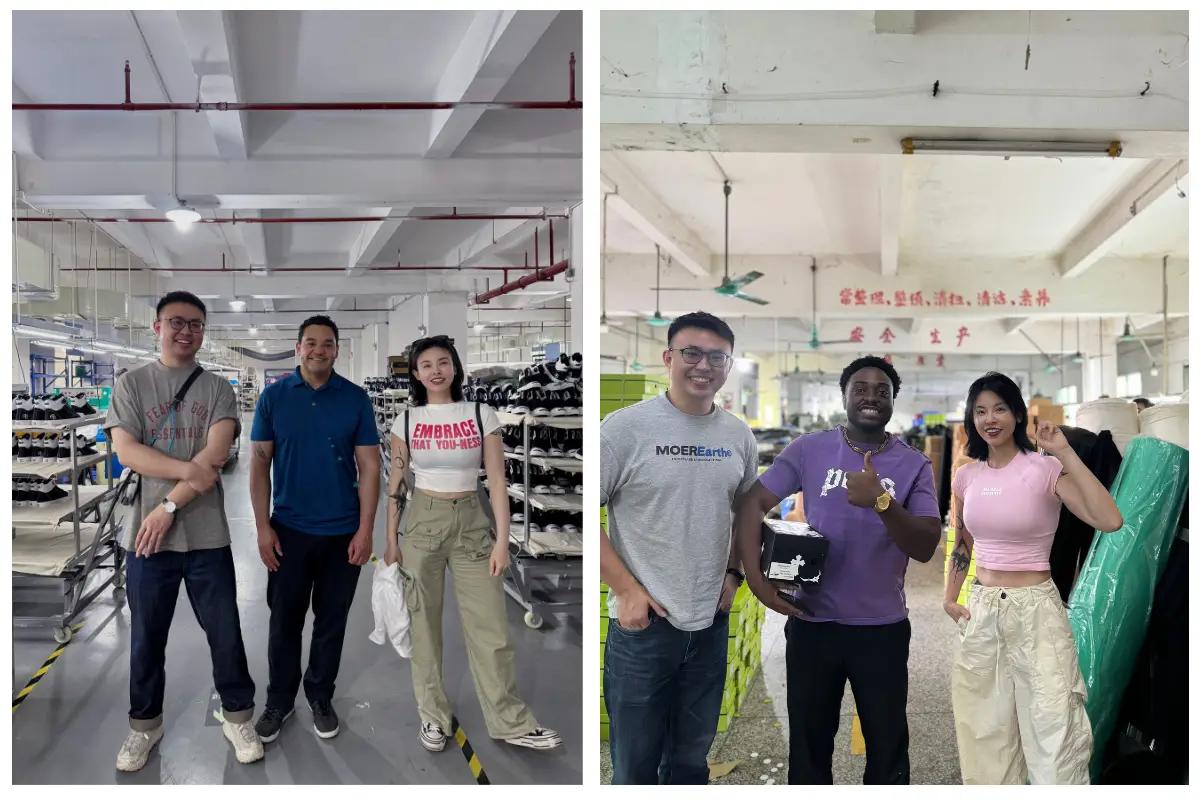
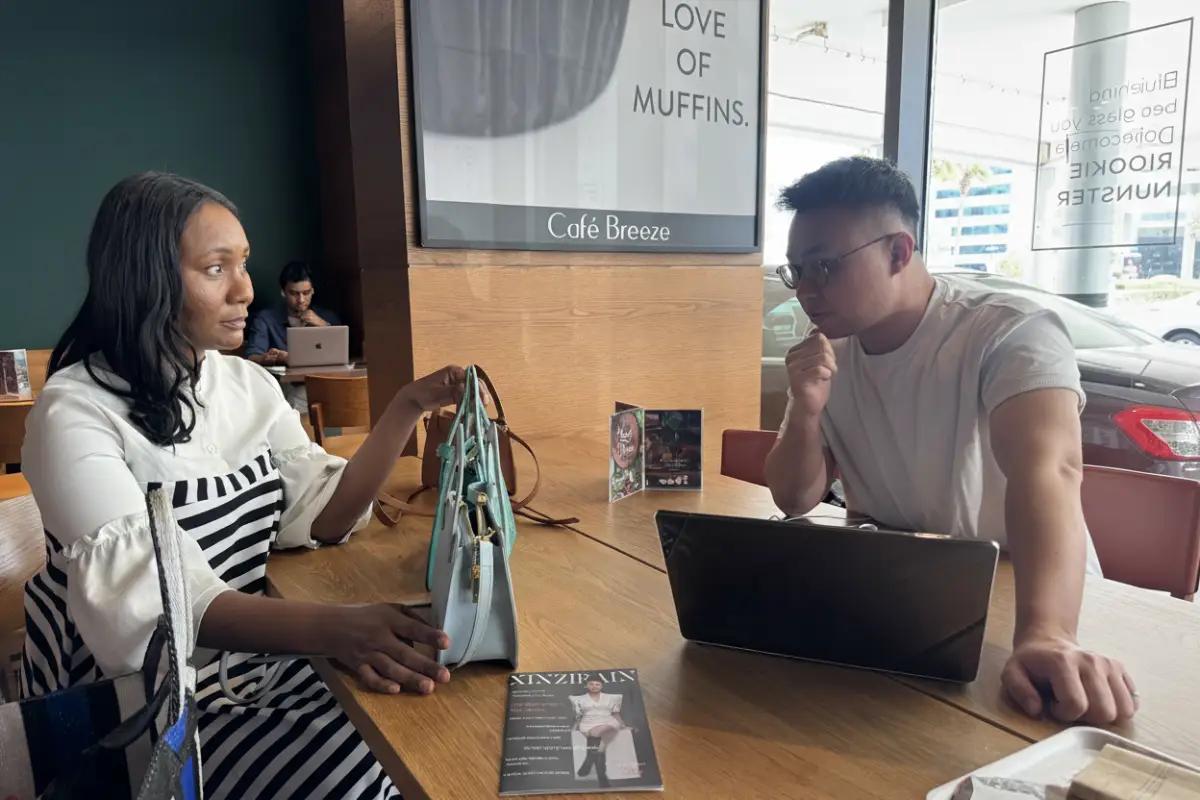
From sample review and design discussion to factory visits and collection planning, these are real collaboration moments from Bagsrain’s existing website.
FAQ
Practical questions from founders, product teams, distributors and growing fashion brands.
Yes. We can start by clarifying the design direction, bag structure, materials, hardware, functional requirements and target market, then translate that information into a development path before physical sampling.
We define the technical inputs that control the result—dimensions, patterns, structure, reinforcement, material, lining, hardware, logo placement, edge finishing and packaging—and record revisions and approvals so the final sample becomes the reference standard for production.
Yes. Bagsrain supports custom materials, colors, structures, hardware, logo applications and packaging. Feasibility, tooling and MOQ implications are confirmed during technical review.
MOQ depends on bag structure, material availability, custom hardware, color requirements and production method. We confirm the commercially viable first-run quantity after reviewing the approved design and sourcing requirements.
For custom and private label bag projects, our standard planning reference is approximately 30–45 days for sampling and 30–40 days for bulk production. Complex custom hardware, special materials or additional revisions can extend the timeline.
Before bulk production, we can organize the approved product profile, first-order quantity logic, estimated landed cost, target retail and margin logic, packaging, quality control, delivery milestones and launch-content needs so the order is planned as a market test rather than a blind purchase.
Yes. Once product specifications are confirmed, launch support can include product-page structure, product benefits, visual direction, pre-launch messaging, pre-order content, keywords and social publishing guidance.
We can support repeat orders, approved-standard control, material and hardware continuity, QC consistency, new colorways, related styles and broader collection development so successful products can scale without rebuilding the supply chain from zero.
Yes. Bagsrain supports NDA arrangements for projects that require confidentiality around original designs and brand assets.
From Idea to Repeat Growth
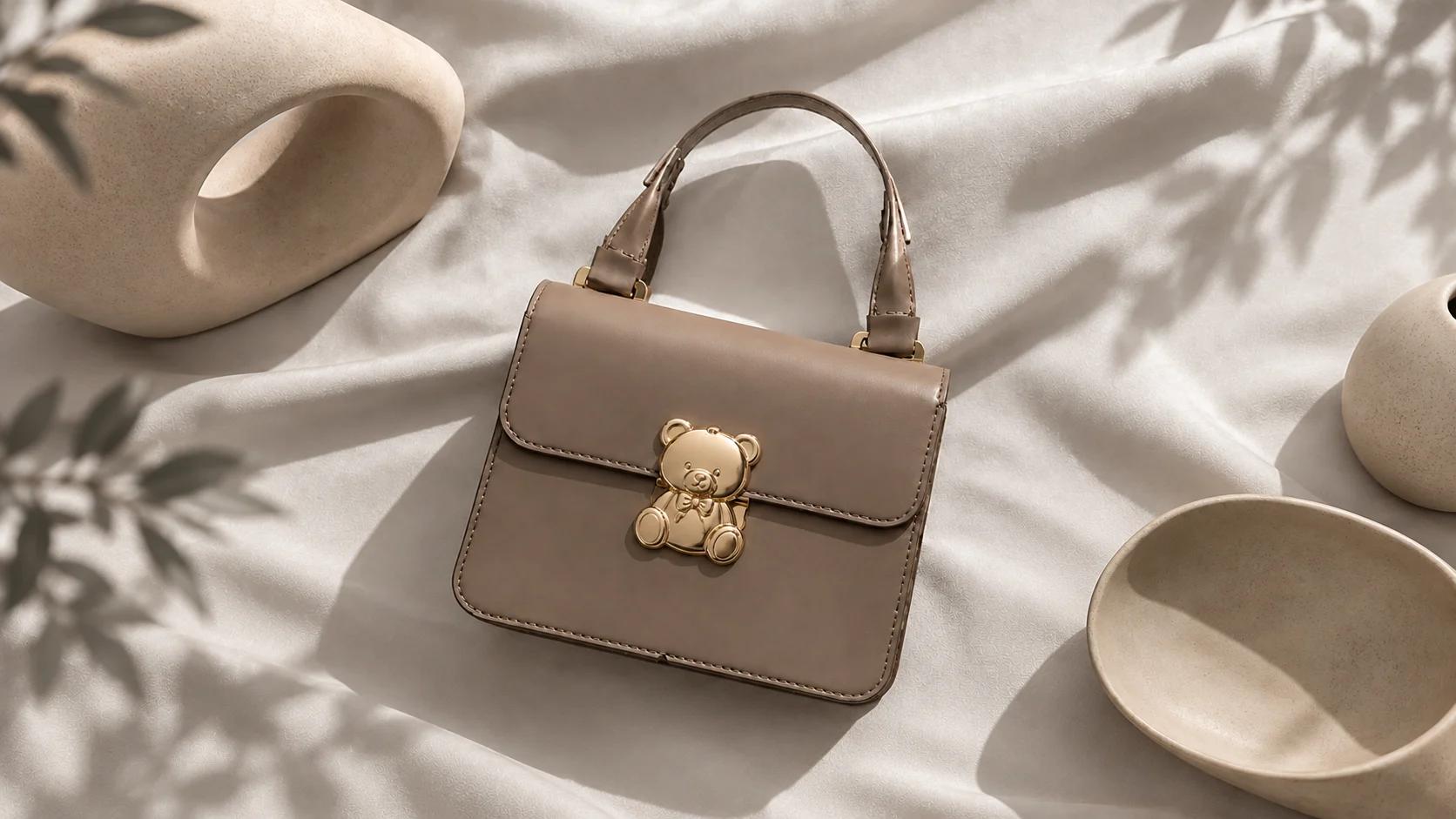
Share your sketch, reference images, tech pack or existing sample. We will review where your project sits today and what needs to be confirmed before the next investment decision.